Must-Have Gear for Every Music Producer

Must-Have Gear for Every Music Producer

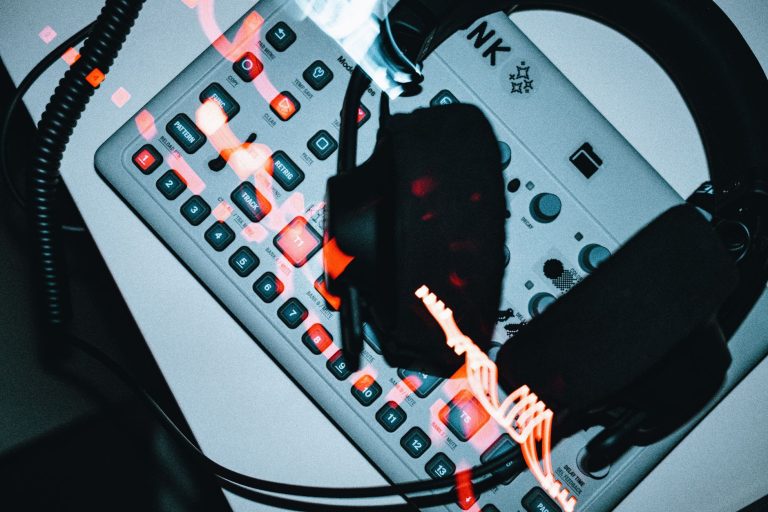
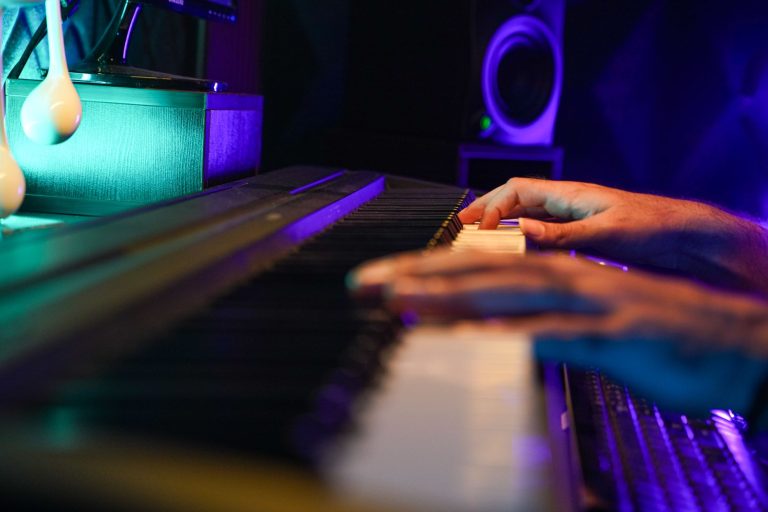
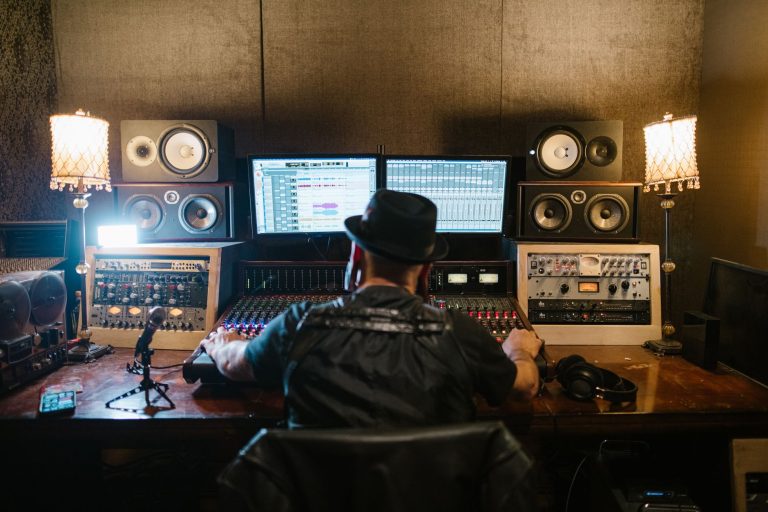
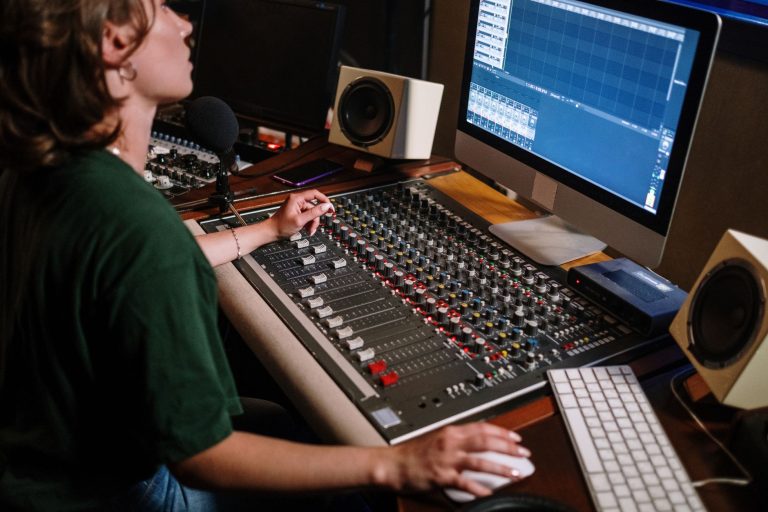
Studio Essentials: Must-Have Gear for Every Music Producer Introduction: In the dynamic world of music production, having the right tools at your disposal can make all the difference in crafting professional, captivating tracks. Whether you’re just starting your journey as a music producer or you’re a seasoned pro looking to refresh your setup, having the essential gear in your studio is paramount. In this blog post, we’ll dive into the must-have studio gear that every music producer should consider to elevate their creative process and achieve exceptional results. 1. High-Quality Studio Monitors: One of the foundational components of any music production setup is a pair of reliable studio monitors. These specialized speakers are designed to provide accurate, uncolored sound representation, allowing you to make informed decisions while mixing and mastering your tracks. Invest in monitors that suit your studio’s acoustics and budget, ensuring that you capture every nuance of your music. 2. Digital Audio Workstation (DAW): A powerful DAW is the heart and soul of your music production process. Choose a DAW that aligns with your workflow and preferences. Popular options like Ableton Live, Logic Pro, and Pro Tools offer a plethora of features for recording, editing, arranging, and mixing your music seamlessly. 3. Condenser Microphone: For capturing high-quality vocals and instruments, a condenser microphone is essential. Look for a versatile model that can handle a range of recording scenarios. A well-chosen condenser microphone can add warmth and clarity to your recordings, elevating the overall production quality. 4. MIDI Controller: A MIDI controller opens up a world of possibilities for virtual instrument manipulation and control. Whether it’s a keyboard controller, drum pad, or MIDI pad controller, having a tactile interface can streamline your creative process and allow for expressive performances. 5. Audio Interface: An audio interface serves as the bridge between your analog gear and digital audio workstation. Look for one with high-quality preamps, sufficient inputs and outputs, and low-latency performance to ensure optimal recording and monitoring capabilities. 6. Studio Headphones: In addition to studio monitors, a reliable pair of studio headphones is crucial for precise monitoring during recording, mixing, and editing sessions. Opt for headphones known for their accurate sound reproduction and comfort, enabling you to make informed decisions about your audio. 7. Acoustic Treatment: Creating an acoustically treated environment can greatly impact the quality of your recordings and mixes. Invest in acoustic panels, bass traps, and diffusers to minimize unwanted reflections and resonances, allowing you to achieve a balanced sound. 8. External Storage: As your music library grows, adequate storage becomes essential. An external hard drive or solid-state drive (SSD) provides the space you need to store your project files, samples, and audio recordings without compromising your computer’s performance. Conclusion: Building a well-equipped music production studio is a crucial step toward realizing your creative vision and producing exceptional music. From accurate monitoring to precise recording tools, these must-have gear essentials form the backbone of a successful music production setup. By investing in quality equipment and honing your skills, you’ll be well on your way to producing professional-grade tracks that resonate with audiences worldwide. Remember, your studio gear is not just a collection of tools – it’s an investment in your artistic journey.   If you have any questions or suggestions feel free to Contact us.

Sampling Techniques for Music Production

Essential Sampling Techniques for Music Production

Essential Sampling Techniques for Music Production   Sampling has revolutionized the way music is created, allowing producers to borrow and transform existing sounds into something entirely new. In this article, we’ll delve into the essential sampling techniques that can help you add depth, creativity, and a unique touch to your music productions. Whether you’re a seasoned producer or just starting out, these techniques will unlock a world of possibilities. Slicing: The Art of Deconstruction Slicing is a fundamental technique that involves breaking down a sample into smaller, more manageable pieces. By slicing a sample, you gain precise control over individual elements, such as drum hits or melodic phrases. This technique allows you to rearrange and manipulate the sampled content to fit your creative vision. We’ll explore different methods of slicing, including manual slicing and using specialized software or samplers. Chopping: Creating Rhythmic Excitement Chopping takes slicing to the next level by rearranging the sliced elements in unique and rhythmic ways. This technique can add excitement and variation to your music. We’ll discuss various chopping methods, such as creating rhythmic patterns, stutter effects, and using MIDI controllers to trigger slices in real-time. Get ready to infuse your tracks with dynamic energy and unexpected twists. Layering: Blending Sounds for Depth and Texture Layering is the process of combining multiple samples to create a richer and more complex sound. We’ll explore how layering can enhance your music production by adding depth, texture, and unique timbres. Discover techniques for selecting complementary samples, adjusting volume and panning, and using effects to blend the layers seamlessly. Unleash your creativity by experimenting with different combinations and finding your signature sound. Processing: Shaping Samples with Effects Processing is a crucial step in transforming your samples into something entirely new. We’ll delve into various processing techniques, such as EQ, compression, modulation, and time-based effects. Learn how to shape the tonal characteristics, add movement, and create ambience or space within your samples. Mastering these processing techniques will elevate your sampled sounds and give them a professional polish. Creative Sampling: Beyond the Obvious Sampling isn’t limited to traditional instruments or musical recordings. We’ll explore the world of unconventional and found sounds, where anything can become a source of inspiration. From capturing environmental sounds to manipulating everyday objects, you’ll discover how to think outside the box and turn the ordinary into extraordinary sonic material. Unleash your imagination and let your surroundings become a playground for sampling. Conclusion: Sampling techniques offer endless possibilities for music producers, allowing them to tap into a vast sonic landscape and create unique and innovative compositions. By mastering the art of slicing, chopping, layering, processing, and embracing creative sampling, you’ll infuse your music productions with personality, depth, and excitement. Experiment, explore, and let your creativity run wild as you embark on a sampling journey that will set your music apart from the rest. Remember, sampling is an art form that requires respect for copyright laws and permissions. Always ensure you have the necessary rights and permissions when working with samples. Happy sampling and may your music production endeavors be filled with sonic adventures!   If you have any questions or suggestions feel free to contact us.

What You Need To Start Producing Music

What You Need To Start Producing Music

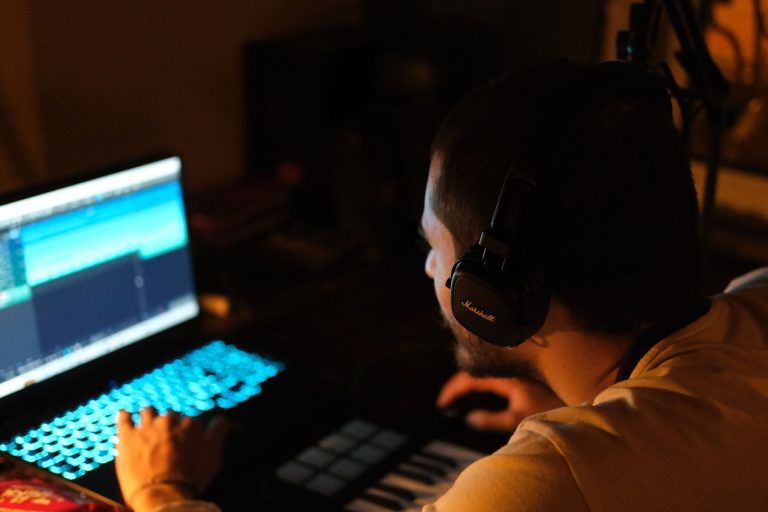
What You Need To Start Producing Music Music Production can be a hefty load of work especially if you are a starter. Still, it can be one of the most hilarious and rewarding feelings in the world if you root deep to the act passionately. If you are a starter, the workload and equipment cost can be overwhelming but starting with the basic needs can lessen the stress. Before proceeding to what you need to start producing music, here are two terms you need to know.   What Is Music Production? Music production is a creative act that encompasses creation, development, and refining of recorded music for public presentation. Music production includes the complete lifecycle of a piece of music from its origination which is writing to the point it’s presentable to the general public for listening. This act might be an overwhelming process but a big thanks to technology for the introduction of digital tools that reduces the workload.   What Does A Music Producer Do? To put it straight, a music producer is like a pilot of music, the role of a producer can be likened to that of a movie director. Just like the director is responsible for ensuring all scenes are well organized, a producer creates a vision for the material and work with the musicians artistically to ensure the vision is actualized. A producer can act as an organizer, coordinator, adviser, and any other roles that will ensure the music comes out at its best. However, the genre of music and the type of workflow is also determinant of who a producer is. For instance, in R&B and hip-hop, the producer is often referred to as the beat maker. Contrary to that, in EDM the artist could be the producer as most artists often produce their own material and music. Whichever category you belong to as per your talent, as long as you intend to produce music, this basic information on what you need to start producing music will help you reduce the common overwhelming workload for starter and reduce your starting cost.   Basic Things You Need to Start Producing Music Laptop A good laptop with good configuration will make a great tool for music production. A laptop with a minimum of 8GB RAM will run the music production software smoothly. MIDI keyboard and pad controllers will be and additional bonus for comfort as it will allow you to create freely without the constriction of your laptop minimal keyboard. Also, the MIDI keyboard is equipped with mixing tools to help balance out your soundscapes.   DAW Digital Audio Workstation ( music production software) is another great tool you need. Download demos to familiarize yourself with the software and determine which one is most comfortable for you. Pro Tools, Ableton, Logic Pro, and FL Sudio are all good, but select the one you feel most comfortable working with.   Basic Audio Equipment Soundcard, decent speakers, headphones, XLR, and jack cables are part of your basic need. With a soundcard, you will be able to record instruments into your laptop and likewise, link your speakers to your laptop. With quality headphones, you will be able to get rid of noise and likewise, you need cables to connect your speakers to your laptop.   Sounds As earlier mentioned that you could be just a producer or a recording artist doing self-production. If you are not a recording artist then, you can find sounds online to play with. There are several sample packs online ranging from drum sounds, vocals, bass sounds, and many more that you can make your music with. Native Instrument is a good start if you are looking for unique sounds.   Yourself Finally, you need yourself. Starting music production can be an overwhelming experience and can be so frustrating at the start. You must prepare yourself for success and give it what it takes to achieve your dream. Educate yourself adequately, take advantage of YouTube channels that offer great music production tutorials such as You Suck at Producing, ADSR music production tutorials, Produce like a pro, and many more.   Do not expect success immediately instead, give it your best every day, sacrifice a bit of your night to learn but do not overwork yourself. Learn from a pro if you have the opportunity and find a role model that can motivate you every day.   I hope the aforementioned has helped you understand the basics of what is needed to start producing music. Don’t be deceived by what you read online or see big producers doing, dream big but it’s not a must you start big. Once you have a well-configured laptop, music software, and other accessories and you know where to get quality sounds and you are ready to sacrifice your time to learn every day, there is really no limit to what you can achieve producing. If you have any questions feel free to Contact us

Login Register