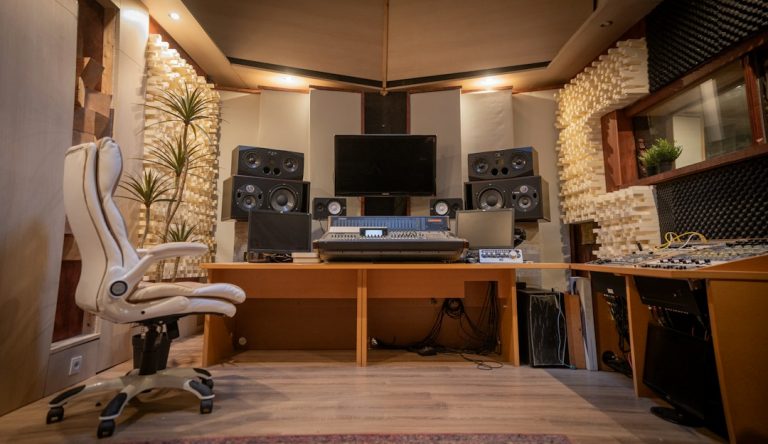
Best midi pianos are not always the ones with the heaviest keys, which annoyed me for about three sessions last month. I had an 88-key weighted board in the room, a 61-key controller on the desk, and a small 49-key backup leaning against a wall. The best midi pianos for actual production were the ones that made me record sooner, edit less velocity later, and stop fighting octave buttons during bass-to-chord writing.
My bias is clear: if you make house, pop, trap, melodic techno, or piano-led EDM demos, buy for the session you run every week, not the fantasy recital you might never play. I care about key feel, pedal input, DAW control, desk space, latency feel, and whether a two-hand part survives quantising at 1/16 without sounding like a spreadsheet.
Best MIDI pianos I Kept Reaching For
I stopped pretending all keyboards serve the same job. A MIDI piano for writing chords is a different animal from a digital piano with USB MIDI, and both are different from a pad-heavy controller made for clip launching.
The boards I kept reaching for had three things right: predictable velocity, enough range for two hands, and a sustain pedal jack that did not feel like an afterthought. That sounds boring. It saved takes.
Best MIDI pianos for beginners felt different
For beginners, I would rather see a decent 61-key controller than a cramped 25-key unit with flashy pads. You can play left-hand roots and right-hand extensions without stabbing octave buttons every 12 seconds. The Arturia KeyLab Essential 61 mk3 and Novation Launchkey 61 MK4 both sit in that useful zone.
If the part needs real piano touch, the Yamaha P-225 or Roland FP-30X makes more sense. They are digital pianos first, MIDI controllers second. That means better weighted action, less DAW control.
- 25 keys: fine for basslines, bad for two-hand piano writing.
- 49 keys: workable if your desk is tiny and your parts are simple.
- 61 keys: my default for production, especially EDM chord work.
- 88 keys: worth it only if piano performance is central to the track.
The 61-Key Board Won More Writing Time
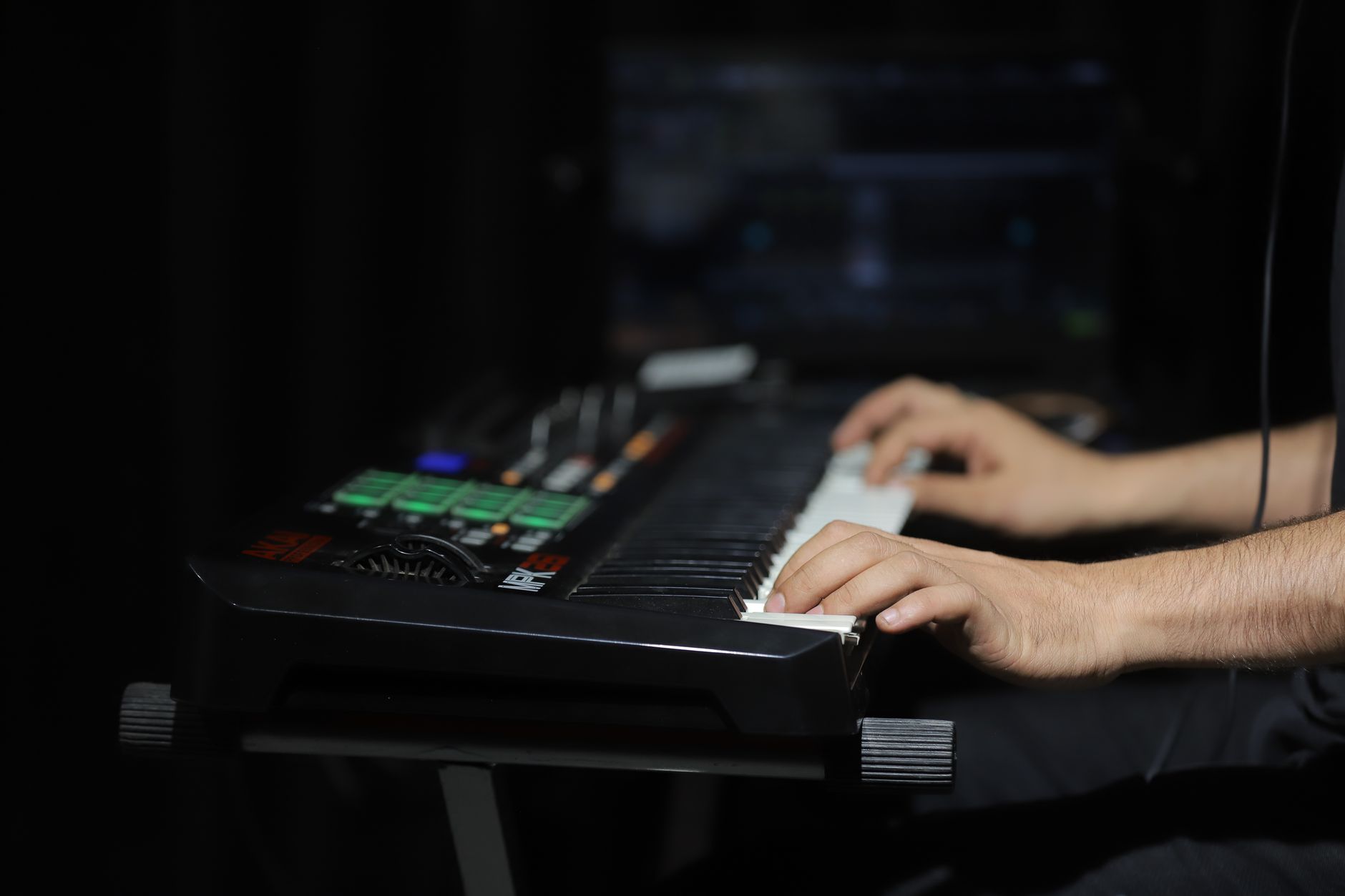
The best MIDI keyboard 61 keys search makes sense to me. In sessions, 61 keys is the point where the instrument stops feeling like a computer accessory. You can sketch a verse progression, jump into a higher hook voicing, and still fit the thing above a normal desk.
I tested this against an 88-key weighted board while writing a piano-house idea at 124 BPM. The 88-key part felt nicer under the fingers. The 61-key part got recorded faster and needed fewer mouse moves. That mattered more.
My best MIDI keyboard 2026 filter
My filter for 2026 is not complicated: USB-C, full-size keys, usable transport buttons, proper pitch and mod controls, and a pedal input. Aftertouch is nice, but I do not pay extra for it unless I am controlling strings, pads, or synth leads by hand.
For Ableton Live, Novation still feels quick. For broad plugin control, Native Instruments Komplete Kontrol S61 MK3 is cleaner than most, especially if you live around Kontakt instruments. For plain writing without a screen tax, the M-Audio Keystation 61 MK3 remains boring in the correct way.
- Set your DAW buffer to 64 or 128 samples while tracking MIDI.
- Record sustain pedal data, then clean overlaps after the take.
- Try a velocity curve around medium-soft if your chords feel spiky.
- Quantise less than 100 percent, often 55 to 75 percent feels better.
- Leave notes a few ticks late if the groove leans behind the drums.

Weighted Keys Helped Only When the Part Needed Hands
I like weighted keys. I do not like moving an 88-key slab into a room where nobody plays piano past four-bar phrases. That is where producers waste money.
Weighted action pays off when the performance is exposed: ballad intros, melodic house breakdowns, cinematic hooks, gospel-style voicings, or anything where velocity carries emotion. If the piano is tucked under sidechained pads and a saw bass, semi-weighted keys are usually enough.
The mid range digital piano lane
The best mid range digital piano choice for MIDI work, to my hands, sits around Yamaha P-225, Roland FP-30X, and Kawai ES120. The Kawai action felt the most pianist-friendly. Roland felt solid and practical. Yamaha sat nicely for pop and EDM sketches.
One check matters before buying: class-compliant USB MIDI. If the piano needs awkward drivers or only sends limited pedal data, I pass. Half-pedalling is nice, but clean sustain on/off is the minimum.
- Use weighted keys when piano is the emotional lead.
- Use semi-weighted keys when the DAW is the main instrument.
- Avoid mini keys for serious chord writing unless travel is the whole point.
- Check pedal polarity before blaming the piano for stuck sustain.
Live Performance Exposed the Weak Spots
The best MIDI keyboard for live performance is not the prettiest one in a product photo. It is the one that survives bad booth light, fast patch changes, and a singer asking to drop the key by two semitones right before doors.
I played a small live set with stems, a software piano, and two synth layers. The controller with clear octave buttons and a simple patch workflow beat the one with the nicer screen. On stage, less menu is more music.
What failed first on stage
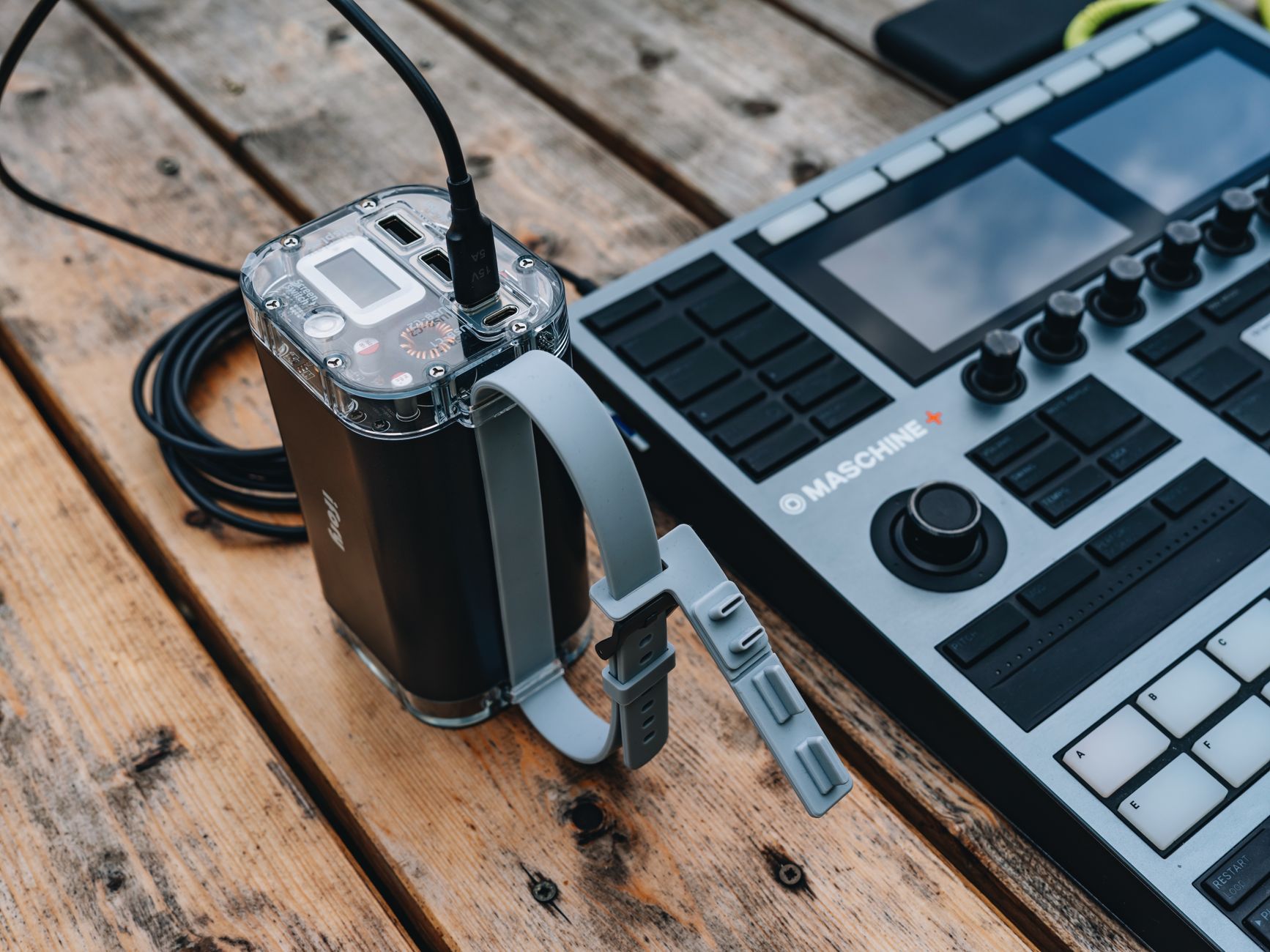
Loose USB ports failed my patience first. Then tiny labels. Then velocity curves that made soft chords disappear through wedges. I now tape a short USB cable to the stand, run a powered hub if the laptop is busy, and save a panic patch with a plain piano at a sensible volume.
For live use, I would look harder at Novation Launchkey 61 MK4, Arturia KeyLab mk3, and Nektar Impact LX88+ if you need more range. I would skip ultra-compact boards unless your part is one-note hooks.
- Save patches in set order, not by instrument category.
- Map one knob to piano layer volume and leave it there.
- Carry a sustain pedal and a spare USB cable.
- Test patch changes while audio is running, not in silence.
- Avoid relying on unreadable screen names under club lighting.

Logic, Live, and the Reddit Noise Check
The best MIDI keyboard for Logic Pro is usually the one you can map once and forget. Logic handles most class-compliant controllers easily, but deep integration is uneven. I have not tested every controller on Logic 11 yet, but on recent Logic setups, transport control and smart controls mattered more than fancy browsing.
I checked a few best midi pianos Reddit threads after my sessions, mostly to see what people complained about after six months. That is where the useful dirt lives: noisy keys, bad encoders, driver weirdness, and pads that double-trigger.
Best MIDI keyboard for music production, not shopping carts
For production, I rank reliability over feature count. A controller that records clean notes for three years beats a controller with 12 modes you never use. I see the same thing when checking piano-led demos for exclusive licensing: stiff velocity kills trust faster than a cheap controller.
My current short answer: 61 keys for most producers, 88 weighted keys for real piano players, 49 keys only when space forces the call. The best midi pianos are the ones that disappear once the chorus starts working.
- Search owner complaints after the model name, not only review scores.
- Watch for repeated reports of noisy keybeds or failing USB sockets.
- Check whether Logic, Live, and FL Studio mappings are current.
- Ignore RGB pad hype if you mainly record chords and melodies.
| Use case | Pick I would test first | Why it fits | Watch out |
|---|---|---|---|
| Beginner production desk | Arturia KeyLab Essential 61 mk3 | 61 full-size keys, useful DAW controls, good value | Not a true piano action |
| Ableton Live writing | Novation Launchkey 61 MK4 | Fast clip, scale, chord, and transport workflow | Pads matter less if you only play piano |
| Plugin-heavy studio | Native Instruments Komplete Kontrol S61 MK3 | Strong browsing and control for Kontakt-based setups | Costs more than many writers need |
| Simple MIDI piano parts | M-Audio Keystation 61 MK3 | Cheap, light, uncluttered, full-size keys | Few hands-on controls |
| Piano-first performance | Roland FP-30X | Weighted action and solid USB MIDI for expressive parts | Bigger footprint than desk controllers |
| Mid range digital piano feel | Kawai ES120 | Convincing key response for players who care about touch | Less DAW control than a controller keyboard |
Worth a deeper read: Best MIDI keyboards 2026: For your studio workflow.
Questions producers actually ask
What are the best MIDI pianos for producers?
For most producers, I would start with a 61-key controller like the Arturia KeyLab Essential 61 mk3 or Novation Launchkey 61 MK4. If you are a real pianist, move to a weighted digital piano such as the Roland FP-30X, Yamaha P-225, or Kawai ES120.
What is the best piano with MIDI?
The Roland FP-30X is the safest all-round pick I have played in the mid range. It has a convincing weighted action, USB MIDI, and enough dynamic control for exposed piano parts. The Kawai ES120 feels a little more pianist-focused, while the Yamaha P-225 is neat for pop writing.
Which company makes the best MIDI keyboards?
For producer controllers, I trust Novation, Arturia, Native Instruments, Nektar, and M-Audio in different lanes. Novation is strong for Ableton Live, Arturia feels broad and practical, Native Instruments suits Kontakt-heavy rooms, and Nektar gives good value when you need more keys.
What are the top-rated MIDI keyboards right now?
The names I keep seeing survive real use are Arturia KeyLab Essential 61 mk3, Novation Launchkey 61 MK4, Native Instruments Komplete Kontrol S61 MK3, M-Audio Keystation 61 MK3, and Nektar Impact LX88+. Your best pick depends on key count, DAW, and whether you need weighted action.
What to remember
- A 61-key MIDI keyboard is the safest default for most bedroom producers.
- Weighted 88-key digital pianos make sense when piano performance is exposed.
- For live sets, clear controls and reliable ports beat flashy feature lists.
- Logic and Ableton users should check mapping quality before buying.
- Velocity response matters more than pads if you write chords and hooks.
Wrapping up
The best midi pianos did not win my notes by having the longest spec sheet. They won by letting me write without breaking the mood. For most producers, that means a reliable 61-key controller with full-size keys, a sustain pedal input, and clean DAW transport. For players who actually lean into piano dynamics, a weighted digital piano is worth the extra space.
My move would be simple: choose the key count first, then the action, then the DAW integration. Ignore the rest until it solves a problem you have felt in a session. Try recording the same eight-bar chord part on your current setup tonight, then count how much editing it needs. That number tells you what to buy next.
My Career makes videos from your own track and posts them for you, pitches your release to 34,000+ labels, playlists, radio stations, YouTube channels and blogs, puts it in every store and briefs you every morning. Free plan, no card, two minutes to set up.