 By Alex Mercer · July 30, 2026
Music producer income is not built by uploading one beat pack, waiting for Spotify streams, and hoping the algorithm gets charitable. That belief is everywhere, especially in threads about how to make money as a music producer reddit users repeat every week. It is also incomplete. Streaming can pay. Beat leases can pay. YouTube can pay. None of them pay reliably when they are treated as lottery tickets.
The working producer builds offers before fame: custom music production for artists, ghost production for DJs, beat catalogues with clean licensing, YouTube assets, sample packs, and royalty back-end that does not depend on one platform. Boring? Maybe. Effective? Yes. The numbers force the issue. A million streams is not a salary once distributors, splits, taxes, and recoupment touch it. A single well-scoped custom track can beat months of passive hope.
Myth: Music producer income Comes From Streaming First
The popular belief says you release tracks, land playlists, and the money follows. That is backwards for most new producers. Streaming is a back-end asset, not the front counter.
Spotify does not pay one fixed per-stream rate. The payout depends on territory, subscription type, rights splits, distributor fees, and label deals. If you are splitting 50 percent with a vocalist and 15 percent with a distributor or label service, the headline number gets thin fast.
What music producer income Looks Like Before Playlists
Front-loaded work pays sooner. A custom club edit, a ghost-produced tech house track, a topline demo, or a 10-loop construction kit has a clear buyer and a clear delivery date. Streams can sit underneath that, but they should not be the only engine.
- Custom production: quote by scope, not by hope. A full instrumental, vocal arrangement, mix, and instrumental version are separate deliverables.
- Ghost production: charge more when you transfer publishing, project files, and exclusivity.
- Streaming: treat it like catalog value, not rent money.
- Keep at least -6 dB headroom on delivered premaster WAV files.
- Export stems from bar 1 so clients can drop them straight into Ableton Live or Logic Pro.
- Write clear usage terms for exclusive and non-exclusive work.
- Register publishing splits before a track starts moving.

Myth: BeatStars Alone Will Replace Client Work
BeatStars is useful. It is not a magic vending machine. Uploading 40 beats with generic cover art and no buyer path is not a business. The producers who sell consistently package sounds for specific artists, price licenses clearly, and refresh the catalogue before it looks abandoned.
The Store Is Only One Part Of The Funnel
A beat store works when it answers the artist’s next question before they ask it. Can they record over it tonight? Is there a tracked-out WAV option? Is the BPM right there? Does the lease allow Spotify, YouTube, TikTok, and paid ads? Confusion kills checkout.
For club-focused producers, the same logic applies to DJ tools. A 128 BPM tech house groove with labelled intro, drop, break, and outro markers sells better than a loop dump. Think like a buyer under deadline.
- Name licenses by use case: demo, release, tracked-out, exclusive.
- Bundle five compatible beats instead of pushing one lonely upload.
- Use consistent loudness previews, not crushed -5 LUFS snippets.
- Tag by artist mood, BPM, key, and vocal space.

Myth: Working From Home Means Charging Less
Home production does not automatically mean cheap production. A bedroom producer with calibrated monitors, clean gain staging, and fast revisions can beat a commercial room that takes three weeks to answer email.
The mistake is charging by insecurity. Clients do not buy your square footage. They buy the result, the speed, the files, and the trust that you will not vanish halfway through the track.
How To Make Money As A Music Producer From Home Without Acting Small
Price around deliverables. A useful production package might include a two-minute demo, full arrangement, mixed instrumental, stems, and one revision round. If the client wants vocal comping, tuning in Melodyne, FabFilter Pro-Q 4 cleanup, or Soothe2 resonance control on a harsh chorus, that is extra work.
Set boundaries early. One “small change” can become six unpaid arrangement rebuilds. Use a written scope even when the client is a friend.
- Use a reference playlist before writing the first chord.
- Ask for three artist references and one song they hate.
- Charge separately for project files, rush delivery, and exclusivity.
- Send MP3 previews with a quiet tag until payment clears.
- Archive every session with date, BPM, key, and client name.

Myth: YouTube Money Only Means Ad Revenue
YouTube ad revenue is one slice. For producers, the better money often comes from assets around the video: sync-friendly instrumentals, content ID, beat tutorials that feed sales, and channel relationships with creators who need music every week.
YouTube Rewards Useful Catalogues
A faceless loop channel can earn, but a catalogue with clear licensing earns cleaner. Make 30-second stingers, 60-second underscore beds, and full two-minute versions. Export them as WAV and MP3. Keep stems. A gaming channel, fitness editor, or DJ vlog does not need your eight-minute arrangement with a 64-bar intro.
If you show workflow, be specific. “Making a bass” is weak. “Serum reese bass with mid/side EQ and sidechain ducking at 128 BPM” attracts people who actually produce and buy tools.
- Create short, loopable versions for editors.
- Keep clean endings with no reverb tail clipping.
- Separate music licensing from tutorial content.
- Use Content ID carefully so paying clients are not falsely claimed.
Myth: Rich Producers Just Have Better Gear
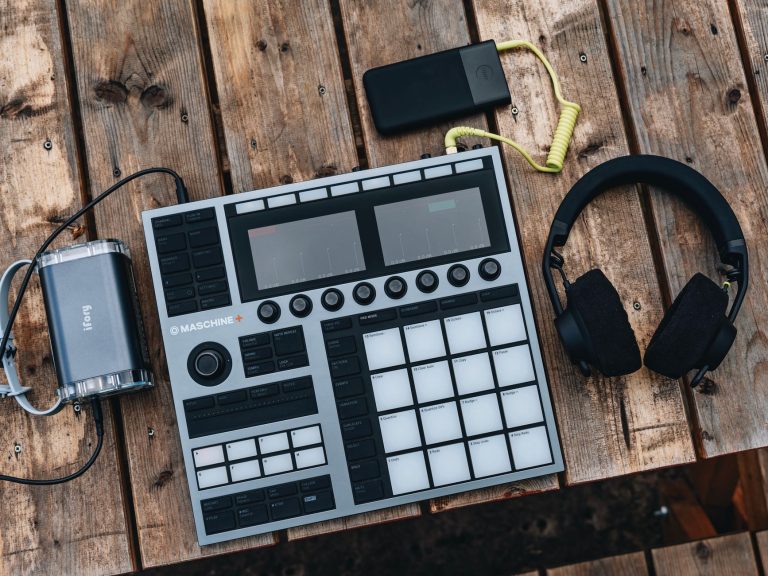
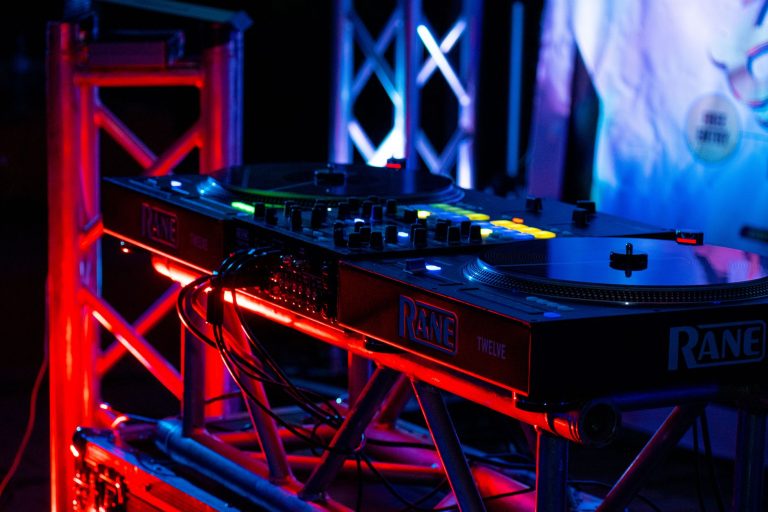
Gear helps. It does not create a buyer. A CDJ-3000, Pioneer DDJ-FLX10, Ableton Push 3, or a wall of synths will not fix a weak offer. The producers who earn well usually have one boring advantage: they finish usable music on schedule.
A Better Setup Is A Faster Decision System
Spend where it removes friction. An accurate monitoring chain matters more than another wavetable synth. If your room has a 10 dB lump around 120 Hz, you will undercook the low end and send weak masters. If your template routes drums, bass, music, vocals, FX, and references in five seconds, you finish faster.
I would rather see a producer with ATH-M50x headphones, Sonarworks calibration, Ableton stock devices, and disciplined 4-bar phrase editing than someone auditioning their 19th compressor plugin.
- Build templates for beats, DJ tools, full songs, and client revisions.
- Reference at matched loudness, not louder-is-better volume.
- Cut rumble below 25 Hz before limiting club tracks.
- Use parallel compression on drums when punch matters more than loudness.
- Leave labelled markers for intro, break, drop, and outro.
| Revenue path | Best use | Main risk | Practical starting move |
|---|---|---|---|
| Custom music production | Fast cash flow from artists and DJs | Scope creep | Sell fixed packages with one revision round |
| BeatStars leases | Scalable beat catalogue sales | Low traffic and unclear licenses | Upload themed bundles with BPM, key and terms |
| Spotify releases | Long-term catalogue value | Small payouts until volume is high | Release consistently and register splits correctly |
| YouTube music assets | Creator licensing and channel traffic | Content ID disputes | Make loopable edits and keep client-safe licenses |
Common questions
Do music producers make good money, and what affects music producer income?
Some do, many do not. The difference is usually not talent alone. Producers who earn well combine client fees, publishing, licensing, beat sales, royalties, and repeat relationships. A producer relying only on streams needs huge volume. A producer selling custom work can earn meaningful money much earlier.
How do music producers make money?
They make money through custom production, ghost production, beat leases, exclusive beat sales, sample packs, sync licensing, publishing royalties, streaming royalties, YouTube music use, mixing, editing, and teaching. The strongest setup has several income sources, with client work paying bills while catalogue royalties build slowly.
How many streams does it take to make $10,000?
There is no fixed number because payouts vary by platform, territory, listener type, distributor, and splits. As a rough Spotify-style estimate, $10,000 might require around 2 to 3.5 million streams if you keep the rights. If you split royalties, the required stream count rises quickly.
Who is the richest producer in music?
Rankings change depending on whether you count publishing, label ownership, catalogues, headphones, fashion, and business stakes. Dr. Dre is usually cited near the top because his wealth came from production, artist development, and major business deals, not beat fees alone. That is the bigger lesson.
Final thoughts
music producer income gets a lot less mysterious when you stop treating attention as the whole business. Streams, BeatStars, YouTube, and plugins all matter, but none of them replace a clear offer. Build around work people already need: finished beats, custom instrumentals, ghost-produced tracks, loopable creator music, clean stems, and releases with proper splits.
The contrarian move is simple. Do not wait to look famous before charging like a professional. Pick one offer this week, define exactly what the client receives, set a revision limit, and finish a small catalogue piece that proves the sound. Try it in your next session, then measure what actually gets replies.
Music producer income — Quick Recap
The fastest way to lock in music producer income is to internalise the workflow above and repeat it on every project. Start small: pick one technique from this music producer income guide, apply it to your next session, and audit the result against a reference track.
- Streaming is useful, but it is a slow back-end asset for most new producers.
- Custom production and ghost production can pay sooner when the scope is clear.
- BeatStars works better with specific bundles, clean licenses, and consistent tagging.
- YouTube money can come from licensing assets, not only ad revenue.
Treat music producer income as a habit, not a one-off — the producers who consistently nail music producer income are the ones who run the same checks on every track. That’s the difference between a clean, club-ready master and a track that sounds great at home but falls apart on a real system.
My Career makes videos from your own track and posts them for you, pitches your release to 34,000+ labels, playlists, radio stations, YouTube channels and blogs, puts it in every store and briefs you every morning. Free plan, no card, two minutes to set up.