 By Emma Carter · September 28, 2026
Weird drum machines fix a very specific problem: your drums sound like everyone else grabbed the same 128-kick tech house folder. weird drum machines are not automatically better than sample packs, but they force decisions that packs usually hide: pitch drift, choked envelopes, ugly transients, odd swing, metallic tails, and happy mistakes you cannot get by auditioning 400 claps.
This is a shootout, not a museum tour. I’m comparing four usable oddballs: Korg Volca Drum, Elektron Model:Cycles, Teenage Engineering PO-32 Tonic, and Alesis HR-16. Each can save a stale loop, but each can also waste an evening if you use it wrong. If you’re an aspiring DJ turning edits into originals, a bedroom producer chasing a signature knock, or an artist briefing a ghost producer, this is where the drum identity gets decided.
Weird Drum Machines Shootout: The Four Contenders
The best oddball drum box is not the one with the longest feature list. It is the one that pushes you away from the obvious kick, clap, hat grid before you have time to get lazy.
These four machines do that in different ways. One is metallic and unstable, one is FM-clean but strange, one is pocket-sized and synthetic, and one is old digital grit with a face only a programmer could love.
Korg Volca Drum: The alien percussion box
The Volca Drum wins on pure strangeness. Its six parts use physical-modelled resonators, pitch modulation, wave folding and layered engines, so a snare can become a glass tube, a tom can become a struck pipe, and a rimshot can turn into a tiny laser zap.
Docked points: the small knobs make repeatable programming annoying. If you need exact recall for client revisions, photograph patches or record long passes as audio.
Elektron Model:Cycles: Controlled weirdness
Model:Cycles is the most disciplined machine here. Its FM machines cover kick, snare, metal, tone, chord and percussion duties without dropping you into a full FM programming spreadsheet.
It is less chaotic than the Volca Drum, which can be good. For melodic techno, electro, garage edits and left-field pop drums, it gives you odd harmonic content without destroying the groove.
PO-32 Tonic: Tiny box, sharp attitude
The PO-32 Tonic sounds more serious than it looks. Its engine comes from Sonic Charge Microtonic, so it has snappy synthetic kicks, rubbery toms, nasty hats and proper parameter locks in a calculator-sized format.
The weakness is physical control. Great for sketching. Less great when you are trying to perform a tight eight-bar build without fat-fingering a mute.
Alesis HR-16: Old digital dirt
The HR-16 is not weird because it is futuristic. It is weird because its late-80s samples, converters and clunky programming create a dry, stiff, slightly plastic tone that sample packs often polish away.
Used straight, it can sound dated. Run it through pitch changes, gated room reverb, resampling, or a cheap mixer input pushed too hard, and it becomes useful fast.
- Pick Volca Drum for metallic hits, unstable percussion and strange fills.
- Pick Model:Cycles for FM drums that still sit inside a club arrangement.
- Pick PO-32 Tonic for fast synthetic sketches and portable sound design.
- Pick HR-16 for dry digital character and late-80s sample grit.

1. Raw Tone: Metallic Chaos vs FM Control
Raw tone is where this comparison gets obvious. Sample packs usually arrive trimmed, normalised, compressed and tagged. These machines make you earn the sound before the mix stage.
Why weird drum machines win here
weird drum machines give you movement inside the hit. A Volca Drum kick can have a click that bends upward while the body drops downward. A Model:Cycles perc hit can carry a tuned FM overtone that makes the loop feel keyed to the bassline.
That matters for custom production because the ear remembers odd harmonics. A flat 909-style clap can work, but a clap with a short metallic pre-hit at -18 dB feels owned.
Where sample packs still beat them
A well-made pack wins when you need speed and consistency. If you are finishing a DJ tool by midnight, a folder of clean kicks at -6 dB peak saves time.
The problem starts when the whole beat comes from the same clean folder. Same transient shape. Same stereo clap spread. Same hat decay. That is how tracks start feeling licensed instead of produced.
- Layer an odd machine transient above a reliable kick instead of replacing the kick completely.
- Tune metallic percussion to the root or fifth when the groove feels random.
- Print three versions of the same hit with small pitch changes.
- Keep one dry pass before adding saturation or reverb.

2. Sequencing: Human Wrongness vs Perfect Grids
The sequencer is the attitude. A boring sound can work if the timing leans correctly. A great sound dies quickly when every hat lands like a spreadsheet.
Volca Drum and PO-32 handle mistakes well
The Volca Drum’s motion sequencing is the star. Record pitch, decay, wave folder amount and resonator changes across a 16-step pattern, then nudge a few steps into ugly territory. That is how you get a fill that feels performed, not dragged from a MIDI pack.
The PO-32 Tonic is more immediate. Punch in parameter locks, choke parts, copy a pattern, wreck the last two beats. It suits short hooks and nasty turnarounds.
Model:Cycles handles structure better
Elektron’s sequencer gives Model:Cycles the advantage for finished arrangements. Parameter locks, conditional trigs and per-step sound changes make it easy to build variation across 4-bar and 8-bar phrases without creating audio chaos.
I would pick it over the PO-32 for a client-facing track because revisions are less painful. You can return to a pattern and understand what you did.
HR-16 needs external discipline
The HR-16 feels stiff by default. That is part of its charm, but it needs help. Sequence it from a DAW, sample it into Ableton Drum Rack, or record loops and manually shift hats by 8 to 15 ms.
Do not over-humanise it. The box sounds best when the kick and snare stay blunt while hats and percussion loosen around them.
- Use 4-bar phrases for the main groove, then mutate bar four only.
- Move closed hats late by 8 ms for drag without sounding drunk.
- Use conditional trigs for fills instead of adding more tracks.
- Keep the downbeat kick boring if the percussion is already strange.
3. Resampling: The Fastest Escape From Preset Drums
Resampling is where odd machines become yours. Do not leave the machine sounding like a demo pattern. Print it, cut it, tune it, layer it, and make the rough edges useful.
Volca Drum wants long audio passes
Record two or three minutes of Volca Drum performance into your DAW. Twist decay, modulation depth, wave guide send and pitch while the loop runs. Then chop the good accidents into one-shots and fills.
I like recording it at conservative gain, around -12 dB peak, because the resonators can spit out nasty spikes. Trim later. Do not clip the interface unless you want brittle top end.
Model:Cycles wants tuned loops
Model:Cycles shines when you treat percussion as part of the chord system. Set the Tone or Chord machine to notes that work with the bass, then resample short phrases as rhythmic motifs.
For house and techno, try a 2-bar FM percussion loop, high-pass at 180 Hz, then sidechain-duck it 2 to 4 dB from the kick. It adds motion without stealing the low end.
HR-16 wants abuse
The HR-16 is the easiest machine here to make boring, so push it. Pitch snares down. Gate a short room reverb after 180 ms. Run hats through a bit crusher at 12-bit style settings, then low-pass at 11 kHz.
Its dry samples make strong layer material. Put an HR-16 clap under a modern clap at -10 dB, cut 350 Hz if it boxes up, and the stack gets character without sounding retro cosplay.
- Record long passes, then edit the accidents.
- Name bounced files by machine, BPM and key when relevant.
- Keep raw and processed folders separate.
- Resample fills as audio so arrangement edits stay fast.
- Use fades on every chop to avoid tiny clicks.
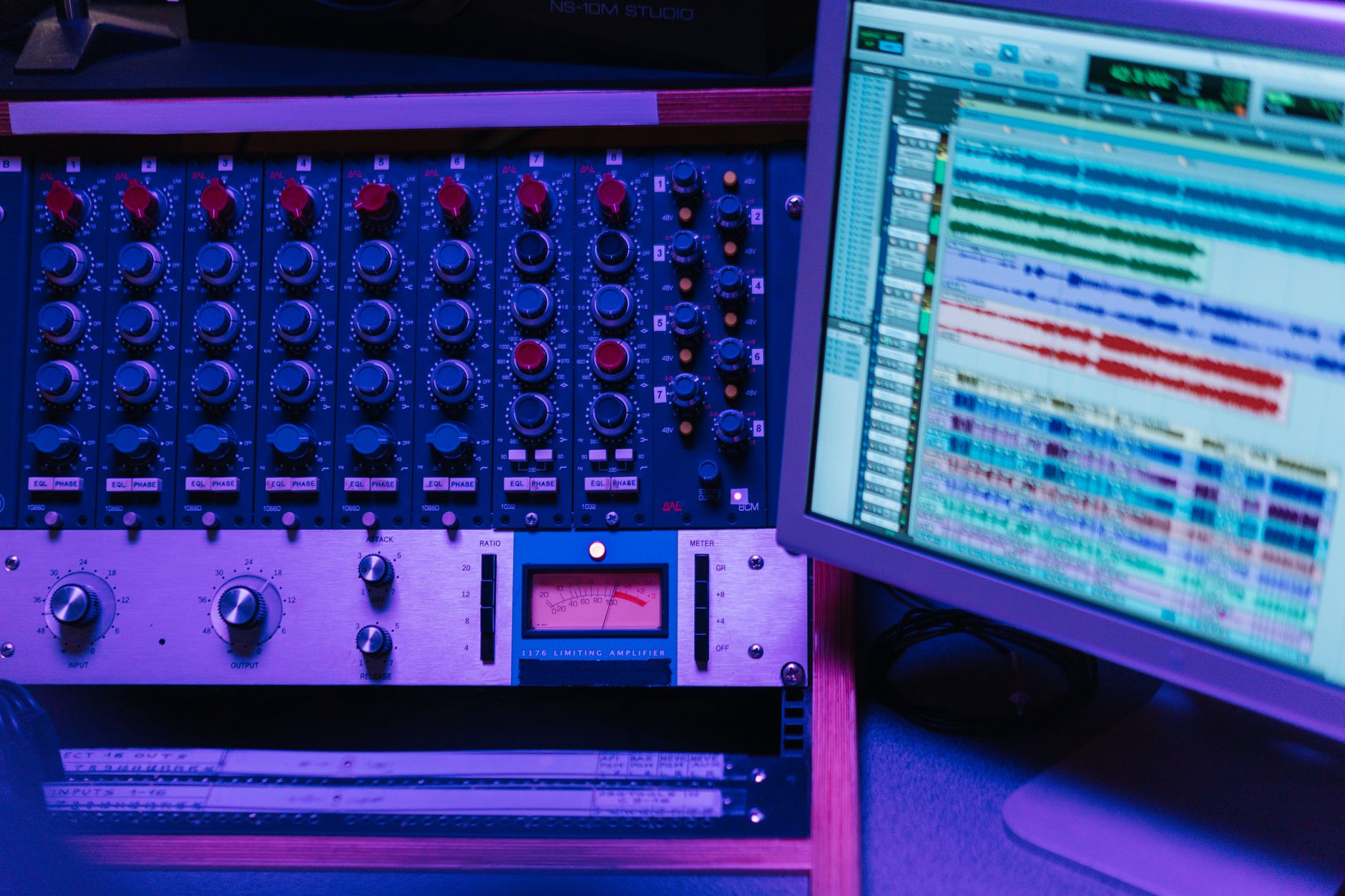
4. Mix Fit: Which Box Survives a Club Arrangement?
A drum machine can sound exciting solo and still ruin a mix. The real test is bassline, vocal chop, synth stab and limiter pressure.
Model:Cycles is the safest club pick
Model:Cycles takes EQ well. The FM top end can be sharp, but it is predictable. A narrow cut around 2.8 to 4.5 kHz often fixes painful metal hits, while a high-pass around 120 Hz clears percussion from the kick.
It also leaves room for a proper sub. That is why I trust it most for full tracks, especially when the drums need personality without stealing the chorus.
Volca Drum needs editing before mixing
The Volca Drum can spray energy everywhere. Resonators may ring into the low mids, and some hits throw spiky upper harmonics. Clean it before compression.
Use FabFilter Pro-Q 4 or any precise EQ to notch ringing at the source. Sweep between 220 and 700 Hz for hollow mud, then check 6 to 9 kHz if the transient starts stabbing on small speakers.
PO-32 and HR-16 need different treatment
PO-32 Tonic often wants body. Parallel compression helps: send the drum bus to a compressor hitting 6 to 10 dB of gain reduction, roll off the return below 80 Hz, then blend quietly.
HR-16 usually needs the opposite. It can be boxy and dry, so short ambience works. A 0.4-second room with the low end filtered out can make it feel sampled from a real space instead of pasted on top.
- Check odd percussion with the bass playing, never solo only.
- Cut resonant low mids before bus compression.
- Use sidechain ducking on busy loops, not just basslines.
- Leave at least -6 dB headroom before the drum bus hits the mix bus.
- Print processed drums once the groove survives a phone speaker.
5. Speed: Which Machine Gets You From Loop to Track?
Bedroom producers lose more tracks to option paralysis than bad gear. A weird drum box should create momentum, not become another rabbit hole.
PO-32 Tonic is fastest for sparks
The PO-32 is the fastest idea machine here. You can build a grimy 16-step rhythm on the couch, sample it later, and keep only the best bar. Its limits are useful because they stop you from polishing too early.
For artists briefing custom music production, this kind of sketch is gold. A rough PO-32 groove can communicate swing, density and attitude better than a paragraph of references.
Model:Cycles is fastest for finished parts
Model:Cycles wins when the part has to survive all the way to the final arrangement. It is quick enough for sketching but structured enough for pattern chains, mutes and recall.
If you are writing for DJ sets, that matters. You can build an intro-friendly drum pattern, strip the kick for 16 bars, bring in tuned percussion, then print stems without rebuilding the groove from scratch.
Volca Drum is fast only if you commit
The Volca Drum rewards commitment. If you keep tweaking, you will lose the take. Record early. Print audio. Move on.
That sounds harsh, but it is the best way to use it. Capture the weirdness before you sand it down into another polite percussion loop.
- Use PO-32 Tonic when you need a hooky rhythm in ten minutes.
- Use Model:Cycles when the pattern needs to become stems.
- Use Volca Drum when the track needs one strange signature layer.
- Use HR-16 when the beat needs dry digital weight under modern drums.
6. Final Verdict: Who Should Pick What
No fence-sitting: if I could keep only one for practical production, I would keep the Elektron Model:Cycles. It is the best balance of strange tone, sequencing power, recall and mix control.
That does not make it the weirdest. It makes it the one most likely to finish tracks.
Pick Model:Cycles if releases matter
Choose Model:Cycles if you want drums that sound different but still behave inside house, techno, electro, garage and left-field pop arrangements. It is the strongest choice for producers selling beats, building a catalogue, or working with revision notes.
It loses a point for not being truly feral. The upside is that your mix engineer will not hate you.
Pick Volca Drum if identity matters most
Choose Volca Drum if your tracks need a recognisable percussive fingerprint. It can make fills, tops and FX hits that do not sound pulled from the usual sites.
Do not buy it as your only drum source. Buy it as the box that makes one boring loop suddenly feel alive.
Pick PO-32 Tonic or HR-16 for specific jobs
Pick PO-32 Tonic for sketching and synthetic attitude. It is cheap-feeling in the hand but not cheap in the speakers when sampled properly.
Pick HR-16 if you like dry digital drums and you are prepared to process them. Straight out of the outputs, it will not flatter you. Under a modern kick and clap, it can be excellent.
- Best all-rounder: Elektron Model:Cycles.
- Most distinctive sound design box: Korg Volca Drum.
- Fastest sketch tool: Teenage Engineering PO-32 Tonic.
- Best sleeper for gritty layers: Alesis HR-16.
- Worst approach: buying any of them and using only factory patterns.
| Option | Where It Beats Sample Packs | Where It Bites Back | Best Use |
|---|---|---|---|
| Korg Volca Drum | Metallic resonators, unstable hits, strange motion sequencing | Small controls, unruly peaks, patch recall can slow revisions | Signature percussion, fills, alien tops and FX hits |
| Elektron Model:Cycles | FM percussion with parameter locks and strong pattern control | Less chaotic than true oddball boxes, can sound polished if under-edited | Finished club tracks, tuned percussion, structured arrangements |
| Teenage Engineering PO-32 Tonic | Fast synthetic drums, punchy locks, portable sketching | Tiny controls, awkward performance handling, limited hands-on mixing | Hook loops, rough demos, quick custom rhythm references |
| Alesis HR-16 | Dry late-80s digital grit that layers well under modern drums | Stiff sequencer feel, dated samples if left untreated | Grit layers, gated claps, crunchy hats and retro-digital support |
| Generic Sample Pack Folder | Speed, consistency, clean gain staging and labelled sounds | Predictable transient shapes, shared sounds, low ownership | Reliable foundations, emergency replacements and tight deadlines |
Sources worth your time
- Ten of the Weirdest Drum Machines in 2026 — attackmagazine.com
FAQ
Are weird drum machines better than sample packs?
weird drum machines are better for identity, not speed. Sample packs win when you need a clean kick or clap fast. Odd machines win when the groove needs tone, movement and small imperfections that are hard to fake with the same one-shots everyone else owns.
What is the weirdest drum machine ever made?
The Chamberlin Rhythmate has a strong claim. It used tape loops of real drum performances instead of normal synthesis or samples, which makes it feel closer to a mechanical rhythm ghost than a modern drum machine. For usable modern weirdness, Korg Volca Drum is a safer pick.
What is the most sampled drum beat in history?
The Amen break from The Winstons’ 1969 track “Amen, Brother” is widely treated as the most sampled drum break. Its short solo drum section became a foundation for hip-hop, jungle, drum and bass, breakbeat and countless electronic records.
Did Steely Dan use a drum machine?
Yes. Steely Dan used Roger Nichols’ Wendel, a custom digital drum machine, during the Gaucho era. It was not a cheap preset box. It was a high-end sample-based system built to deliver extremely tight drum timing and controlled feel.
What is the best drum machine sample pack?
The best drum machine sample pack is usually the one you build yourself from your own hardware passes. If you buy one, choose dry one-shots with multiple velocities, minimal mastering, separate layers and clear tuning. Avoid packs built mostly from over-processed loops.
Which weird drum machine should a beginner buy first?
Buy Elektron Model:Cycles first if you want to finish tracks. It is strange enough to escape generic drums but organised enough for full arrangements. Buy Korg Volca Drum first only if you enjoy editing audio and want more unpredictable percussion.
weird drum machines are not a magic fix for weak programming. They are pressure tools. They push you into odd tones, imperfect timing, unstable tails and faster commitment, which is exactly what sterile sample-pack drums often lack.
If you want the practical winner, pick Model:Cycles. If you want the most personality per hit, pick Volca Drum. If you need sketches, grab PO-32 Tonic. If you like ugly digital layers, hunt down an HR-16 and process it hard. Try this in your next session: keep your main kick simple, then build one unmistakable percussion layer from an odd machine and resample it before you start second-guessing.
My Career makes videos from your own track and posts them for you, pitches your release to 34,000+ labels, playlists, radio stations, YouTube channels and blogs, puts it in every store and briefs you every morning. Free plan, no card, two minutes to set up.