 By TGP DJ Desk · September 3, 2026
TL;DR
- The rule of 32 means 32 beats, or 8 bars, in 4/4 dance music.
- A 32-beat phrase lasts about 15 seconds at 128 BPM.
- DJs should place cue points at phrase starts, not random downbeats.
- Producers can turn loops into arrangements by making one clear change per 8 bars.
- 32 beats and 32 bars are not the same thing.
- Client-ready tracks need phrase clarity as much as strong sound design.
The rule of 32 fixes the moment your mix sounds almost right but the drop lands one bar late, the vocal crashes into the break, or the crowd feels the energy dip before you do. The rule of 32 is not mystical theory. It is a blunt counting habit: in 4/4 dance music, major changes usually land every 32 beats, which equals 8 bars.
For DJs, that means cleaner phrase mixing. For producers, it means intros, builds, drops, breakdowns, fills, and transitions that feel intentional instead of random. At 128 BPM, a 32-beat phrase lasts about 15 seconds. That is long enough for the room to understand a groove, and short enough to keep the track moving. Once you hear it, bad arrangements become painfully obvious.
What does the rule of 32 mean in music?
In 4/4 dance music, one bar has 4 beats. Count 8 bars and you hit 32 beats. That is the basic rule of 32 meaning producers and DJs care about: arrange and mix around 32-beat blocks so musical events land where the ear expects them.
Most club tracks are built from these blocks because dancers feel phrase changes before they can explain them. A clap enters. A bassline drops out. A crash opens the next section. Those changes often happen on beat 1 after a 32-beat phrase.
Rule of 32 meaning without the theory fog
Think less like a theory student and more like a DJ counting under pressure. Start counting on the first kick of a clean phrase: 1, 2, 3, 4. After 8 bars, something should usually happen. If nothing changes, the loop can feel lazy. If the change happens early, the mix can feel like it tripped over itself.
At common tempos, the timing is concrete: 120 BPM gives you a 16-second phrase, 128 BPM gives you 15 seconds, and 140 BPM gives you about 13.7 seconds. That clock matters when you are building a 16-bar intro or timing an outgoing track’s final chorus.
- 32 beats equals 8 bars in 4/4.
- Two 32-beat phrases equal 16 bars.
- Four 32-beat phrases equal 32 bars.
- Most dance drops, breaks, and intros change on beat 1.
- A 1-bar fill usually works best in bar 8, 16, 24, or 32.

How do I turn an 8-bar loop into a real arrangement?
An 8-bar loop is a sketch, not a song. The move is to duplicate it into 32-beat phrases, then make one clear energy decision per phrase. Do not add seven new parts every 8 bars. That is how a track becomes busy without getting better.
In Ableton Live, I like setting locators every 8 or 16 bars before arranging. If the first loop came from Ableton Note, I still move it into a full timeline quickly, because clip view can hide the fact that nothing meaningful happens for a minute.
Where should the first change happen?
For rule of 32 music, the first obvious change should usually hit after 8 bars. Add an open hat, remove a percussion layer, introduce a muted bass, or automate a filter from 180 Hz to 2 kHz across the final 2 bars. Keep it obvious enough that a DJ can see and hear the phrase shift.
A reliable house or techno sketch can start like this: 16-bar DJ intro, 16-bar groove build, 8-bar pre-drop tension, 32-bar drop, 16-bar breakdown, 32-bar second drop, 16-bar outro. That is not the only map, but it ships more tracks than staring at a perfect loop for three nights.
- Bars 1 to 8: kick, clap, hat, one hook element.
- Bars 9 to 16: add bass or a stronger percussion layer.
- Bars 17 to 24: remove low end or thin the drums for tension.
- Bars 25 to 32: add a fill, riser, reverse crash, or snare lift.
- Bar 33: commit to the next section with a clear change.
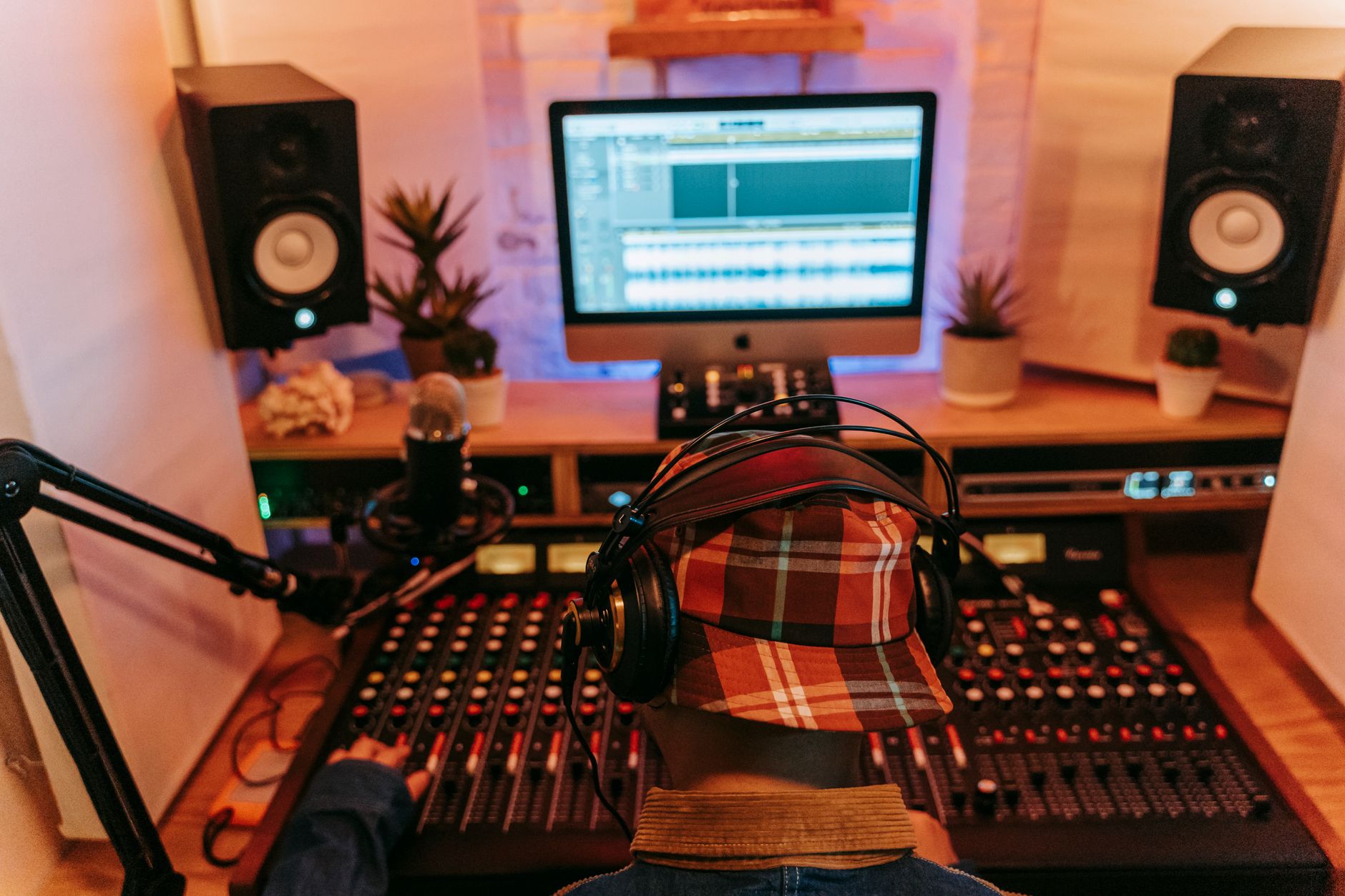
How do DJs use 32-count phrases without wrecking blends?
Start the incoming track on the first beat of a phrase, not just on any downbeat that looks clean. That is the difference between a mix that breathes and a mix where two breakdowns arrive at once.
In rekordbox, set memory cues at the first beat of the intro, first vocal, breakdown, drop, and outro. On a Pioneer DDJ-FLX10, color-coded hot cues make this easier under pressure, but the controller will not save bad counting. Your ears still need to know where bar 1 is.
Cue-point routine for rule of 32 songs
Load a track and jump to the first full kick phrase. Count 8 bars. If the arrangement changes exactly where expected, mark that first beat. Repeat for the next drop and outro. You are not trying to mark every cute fill. You are marking safe doors in and out of the record.
The safer move for new DJs is to mix intro over outro in 16-bar or 32-bar chunks. Fancy mid-phrase blends can work, but they punish small timing errors. Nail the phrase first, then get clever.
- Cue A: first clean intro kick.
- Cue B: first bassline entry or groove change.
- Cue C: breakdown start.
- Cue D: drop start.
- Cue E: outro phrase where drums are clean again.
- Loop length: use 8 beats for rescue, 32 beats for planned extension.

Is rule of 32 vs 32 bars the same thing?
No. This mix-up causes bad edits. A 32-beat phrase is 8 bars in 4/4. A 32-bar section is four times longer. At 128 BPM, 32 beats last about 15 seconds, while 32 bars last about 60 seconds.
If someone says “wait 32” in a DJ booth, ask what they mean. Most of the time they mean 32 beats. In production feedback, “give the drop 32” often means 32 bars, especially in house, trance, and techno arrangements.
What about rule of 32 guitar players?
The rule of 32 guitar search usually comes from players trying to count song form, not club phrasing. The same math helps: 8 bars at 4 beats per bar equals 32 beats. A guitarist can use that to track chord loops, verse lengths, and when to switch voicings without staring at the drummer.
For producers working with guitar loops, trim performances to clean 8-bar or 16-bar sections before warping. If the last chord rings over bar 9, keep the tail on a separate audio lane so the next phrase still starts tight.
- 32 beats: one common phrase block.
- 32 bars: a full extended section.
- 8 bars: the usual building block for DJ-friendly changes.
- 16 bars: common intro, outro, or breakdown length.
- 1 bar: best place for fills, pickups, and transition noise.

How do I use 32-count phrasing in a client-ready track?
Client-ready arrangement is not about making every section longer. It is about making the track easy to understand, easy to DJ, and hard to misread. If the topline, drop, and intro all fight the phrase grid, the record feels amateur even if the sounds are expensive.
I would rather hear a simple arrangement with strong 32-count decisions than a clever edit that keeps missing the floor. Leave around -6 dB of headroom on the premaster, keep the kick and bass stable at section changes, and use automation to create movement instead of stacking random FX.
My 128 BPM arrangement map
For a club-focused custom track, a practical 128 BPM map is: 16-bar intro, 16-bar first groove, 8-bar break, 8-bar build, 32-bar drop, 16-bar breakdown, 16-bar build, 32-bar final drop, 16-bar outro. That gives DJs enough runway without turning the record into a six-minute loop.
Use phrase endings to clean the mix. Pull the sub for the last 1 or 2 bars before a drop. Add a short snare fill in bar 8, not across the whole build. Automate a high-pass on a synth from 120 Hz to 400 Hz before the bass returns. Small moves. Clear timing.
- Mark the timeline before sound-design tweaks.
- Change one major energy element per 8 bars.
- Keep DJ intros and outros mostly drum-led.
- Use 1-bar fills before important section starts.
- Check every drop starts on a clean beat 1.
- Bounce a rough and test the phrasing in a DJ playlist.
| Count | Length in 4/4 | Time at 128 BPM | Best use |
|---|---|---|---|
| 8 beats | 2 bars | 3.75 seconds | Short loop, emergency mix hold, fill setup |
| 16 beats | 4 bars | 7.5 seconds | Mini transition, vocal pickup, filter move |
| 32 beats | 8 bars | 15 seconds | Core phrase change, cue point, arrangement block |
| 64 beats | 16 bars | 30 seconds | Intro, outro, breakdown, groove extension |
| 128 beats | 32 bars | 60 seconds | Full drop or extended club section |
Go deeper
- Rule 32 — open.spotify.com
- Rule of 72 — en.wikipedia.org
FAQ
What is the rule of 32 in DJing?
It is the habit of mixing around 32-beat phrases, which are 8 bars in 4/4. Start the incoming track on the first beat of a phrase so drops, vocals, breakdowns, and outros line up naturally instead of colliding halfway through a section.
Does the rule of 32 apply to every genre?
No, but it is very common in house, techno, trance, EDM, drum and bass, and a lot of pop-influenced club music. Hip-hop, live bands, and experimental tracks may use uneven forms, so count the actual song instead of forcing a grid onto it.
What is rule of 32 finance and is it related to music?
The finance phrase is a different search intent and has nothing useful to do with DJ phrasing or arrangement. For music, the phrase refers to counting 32 beats as a practical timing block for sections, cue points, loops, and transitions.
How can I practice 32-count phrasing fast?
Pick three tracks in the same genre, press play from the first clean kick, and count 8 bars out loud. Drop a cue marker every time the arrangement changes. Then try mixing only from phrase start to phrase start for 20 minutes.
The bottom line
The rule of 32 is useful because it turns vague timing into a repeatable habit. Count 8 bars, make a decision, and land the next section on a clean beat 1. That alone will tighten your DJ blends, make your drops feel less random, and stop your arrangements from drifting around the timeline.
Do not treat the grid like a prison. Break it when the vocal, hook, or groove earns the surprise. But learn the default first, because most club records speak that language. Open your next unfinished loop, mark 8-bar blocks across the arrangement, and make one obvious energy change at each marker. You will hear the track shape up fast.
My Career makes videos from your own track and posts them for you, pitches your release to 34,000+ labels, playlists, radio stations, YouTube channels and blogs, puts it in every store and briefs you every morning. Free plan, no card, two minutes to set up.