 By TGP DJ Desk · November 8, 2026
TL;DR
- Isolation often matters more than maximum volume when a booth or room is loud.
- Bluetooth and noise cancelling headphones can get loud, but DSP limiting can change the mix picture.
- Sensitivity, impedance, source power, and distortion explain loudness better than marketing claims.
- Bass-heavy headphones can make a track feel louder while hiding weak kick and vocal balance.
- Short loud checks and regular ear resets protect both hearing and mix judgment.
Loudest headphones are the wrong target if they distort before the drop, but I still spent two weeks checking which pairs hold up when a booth gets stupid. The loudest headphones I kept reaching for were not always the ones with the scariest marketing copy. They were the closed-back pairs that sealed hard, took a clean feed, and did not turn the kick into cardboard at 100 dB.
My notes came from three places: a loud DJ booth, a small writing room, and late-night Bluetooth checks on rough masters. I was not trying to crown a fantasy top 10 loudest headphones list. I wanted a practical answer for DJs, bedroom producers, and artists approving custom tracks: how loud is loud enough, what spec matters, and when volume starts lying to you.
The loudest headphones were usually the sealed ones
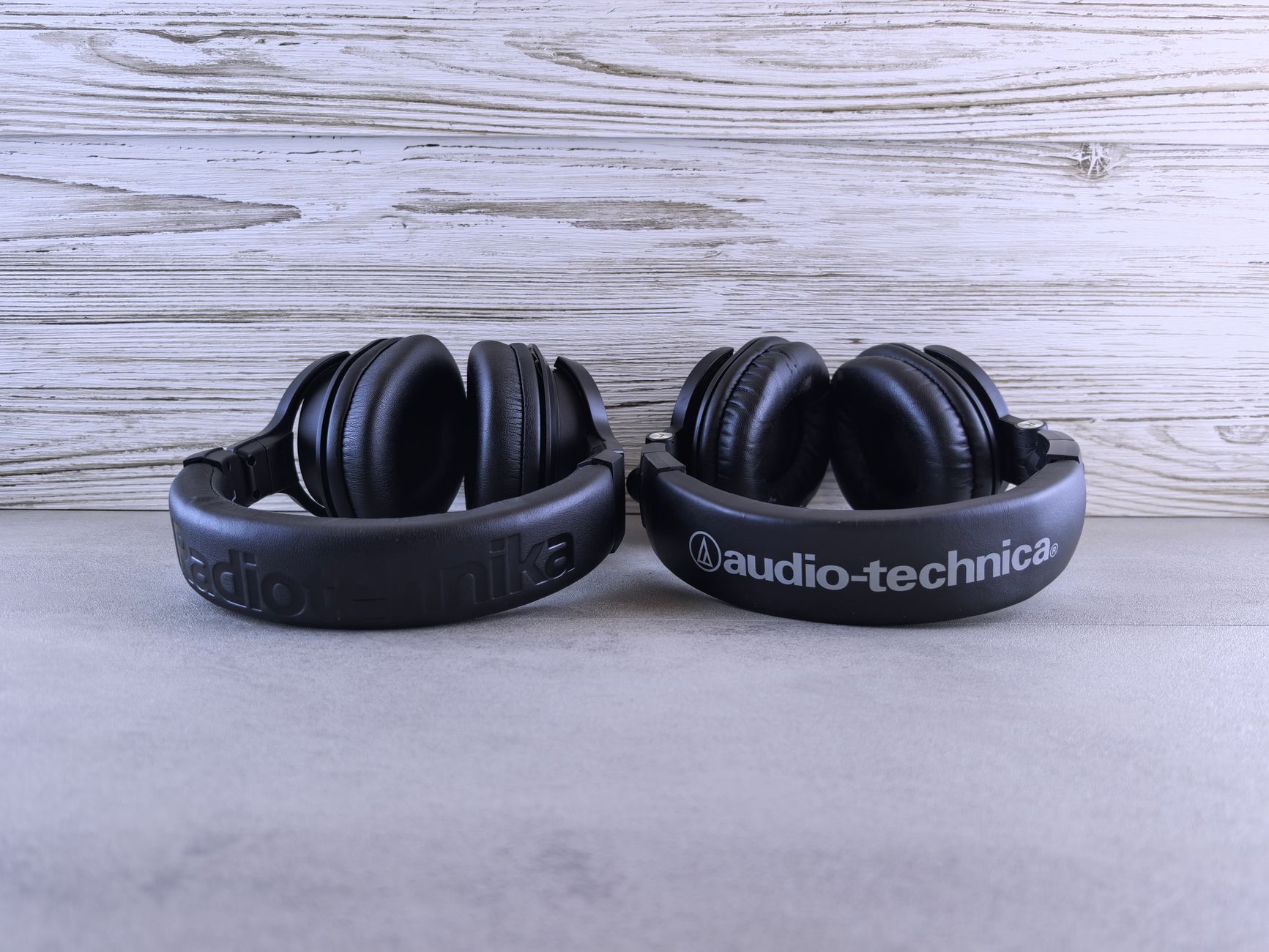
First scribble from the booth: isolation beats raw volume. A sealed earcup with a firm clamp lets you run the cue lower because the room is not leaking in as much. The Sennheiser HD 25 still makes sense here. It is not luxurious, but it gets loud, stays punchy, and the split headband survives ugly gigs.
The V-Moda Crossfade M-100 Master felt bigger in the low end. Good fun for checking energy, less honest for balancing sub against kick. The Beyerdynamic DT 770 Pro 80 Ohm was cleaner for production work, but I needed a stronger headphone output than a basic laptop jack.
My loudest headphones check, minus the myths
I used three boring checks before trusting a pair: seal, source power, and distortion. If the snare transient turns papery when you push the cue, that is not useful volume. It is panic.
- Seal: press the cups gently. If the bass jumps, the pad fit is costing you loudness.
- Source: a DJ mixer headphone amp usually drives harder than a phone dongle.
- Distortion: test a dense 128 BPM drop, not a sparse vocal intro.
- Closed-back cups usually feel louder than open-back studio pairs.
- A hard clamp helps in booths, but gets tiring after two hours.
- Low impedance can help with phones, but sensitivity matters too.
- Replace flattened pads before blaming the headphone driver.

Bluetooth got loud, then the limiter grabbed it
The loudest headphones Bluetooth searches make sense, because nobody wants a cable while checking mixes on the couch. My problem was not Bluetooth volume itself. It was the limiter behaviour. Some wireless pairs sound strong for 20 seconds, then the low end softens after a loud chorus.
The Sony WH-1000XM5 and Bose QuietComfort Ultra are useful for travel checks and noise cancelling, but I would not set kick level on either. ANC changes the low-mid picture. Great on trains. Risky when you are deciding whether the bass in a ghost-produced tech house demo is sitting 1 dB too hot.
Loudest headphones wireless notes from the couch test
I played the same pre-master from Ableton Live 12, exported at -6 dB peak headroom, then checked it on wired DJ cans and wireless ANC headphones. The wireless pair made the vocal feel closer, but the kick envelope felt rounded.
For loudest headphones wireless buying, I care less about maximum volume and more about whether the headphone keeps its character at 80 percent volume. If the limiter clamps the chorus, you will over-brighten the master to compensate.
- Use Bluetooth for translation checks, not final low-end decisions.
- Turn ANC off once if the app allows it, then compare the kick body.
- Avoid judging limiter release tails over a noisy wireless connection.
- If the last two volume clicks sound smaller, the DSP may be protecting itself.
Bass made volume feel bigger before meters agreed
The loudest headphones with bass are often the most persuasive, not the most accurate. A 4 dB bump around 80 Hz makes a drop feel expensive. It also hides whether your sub is actually controlled. I heard this most clearly on rough masters with long 808 notes. Big bass made the track feel louder while the vocal sat further back.
For loudest headphones for music, I still prefer a pair that punches without smearing. For loudest headphones for gaming, hype can be useful because explosions and footsteps need impact. Production is less forgiving. If the headphone flatters the low end too much, your exported mix comes back thin on monitors.
A 60 Hz bump can fool your drop judgment
I marked one session where the headphone made the kick feel huge. On the Neumann KH 120 monitors later, the kick was small and the bass note was doing all the work. The fix was not more volume. I cut 2 dB at 63 Hz on the bass, added a narrow 110 Hz lift to the kick, then rechecked at a lower headphone level.
- Use a reference track within 1 dB loudness of your rough.
- Drop the headphone volume after every chorus check.
- Solo kick and bass for ten seconds, then stop soloing. Context tells the truth.
- Bass-heavy headphones can make weak masters feel finished too early.
- Noise cancelling can exaggerate the sense of low-end weight.
- Check the vocal level again after any headphone bass decision.
- For club music, confirm sub balance on monitors when possible.

The spec sheet lied less when I did the math
The highest dB for headphones is messy because brands do not all publish the same measurement. Some give sensitivity in dB SPL per milliwatt. Some publish maximum SPL. Some skip useful numbers entirely. That is why loudest headphones reddit threads can become a pile of half-remembered specs and louder-than-my-friend’s-pair stories.
The rough rule helped me more than any forum claim: every 10x increase in amplifier power gives about 10 dB more level, if the driver can handle it cleanly. A 107 dB/mW headphone can theoretically hit 117 dB with 10 mW. That does not mean you should sit there.
Sensitivity mattered more than macho wording
Impedance alone does not tell you loudness. A 32 Ohm headphone with poor sensitivity can feel quieter than a 70 Ohm headphone with an efficient driver. The source matters too. A club mixer, audio interface, phone dongle, and controller headphone output will not behave the same.
When I see a loudness claim without sensitivity, impedance, and distortion context, I treat it as advertising. Useful numbers still need an ear check with dense material: distorted synths, open hats, clipped vocal chops, and a kick that hits every beat.
- Sensitivity tells you how much SPL you get from a given power.
- Impedance tells you how hard the source may need to work.
- Maximum SPL is useful only if distortion stays under control.
- Pad condition changes perceived volume more than people admit.

My safe session rule stayed boring for a reason
I like loud cueing. I also like hearing hi-hats the next morning. The rule I kept was simple: short loud checks, lower writing level. During production, I aim for a level where conversation would still be possible if one cup were off. During DJ prep, I only push the cue when beatmatching against a loud monitor.
NIOSH uses 85 dBA over eight hours as a common occupational reference, with allowed time dropping fast as level rises. At 100 dBA, the safe window is tiny. That number arrives quicker than expected in closed headphones when the room is already loud.
The two-minute reset saved more mixes than louder cans
Every 20 minutes, I pulled the headphones off for two minutes. Boring. Effective. The first play after the reset told me whether the lead was actually sharp or my ears had just adapted.
For approval listening on custom music production, I send clients a note to avoid judging the first loud playback. Play once at normal volume, once louder for energy, then once quietly for vocal and hook balance. If the hook dies quietly, volume was hiding an arrangement problem.
- Keep loud checks under a minute when possible.
- Turn down after every successful cue or chorus check.
- Use isolation before using more gain.
- If your ears ring, the session already lost useful accuracy.
| Use case | Better choice | Why it works | Watch for |
|---|---|---|---|
| DJ booth cueing | Closed-back wired DJ headphones | Strong isolation and direct mixer power | Clamp fatigue and pad wear |
| Bedroom production | Closed-back studio headphones | Cleaner midrange for balancing vocals and drums | Needs a decent interface output |
| Travel checks | Wireless ANC headphones | Noise cancelling lowers outside masking | DSP limiting and hyped bass |
| Phone listening tests | Efficient wired earphones or IEMs | High sensitivity from weak outputs | Ear fatigue arrives fast |
FAQ
What loudest headphones have the highest usable volume?
For DJ use, sealed wired models such as the Sennheiser HD 25, V-Moda Crossfade M-100 Master, and AIAIAI TMA-2 DJ are safer bets than most lifestyle wireless pairs. The useful answer is not only peak SPL. You want isolation, clean transients, replaceable pads, and enough output from your mixer or interface.
What is the highest dB for headphones?
Some headphones can reach around 110 to 120 dB SPL, and a few claim more under specific test conditions. That is extremely loud at the ear. Manufacturer numbers vary, so compare sensitivity, impedance, maximum SPL, and distortion. Do not treat a peak dB figure as a normal listening target.
What are the loudest earphones?
Efficient wired IEMs often get very loud from phones and compact interfaces because they sit close to the eardrum and have high sensitivity. Models like the Shure SE215 or Sennheiser IE 100 Pro can feel louder than bulky headphones. Use caution, because small level changes can become harsh quickly in sealed earphones.
What are the best headphones for high volume?
The best high-volume headphones are closed-back, efficient, and stable under pressure. For booths, choose rugged DJ headphones with strong isolation. For production, choose cleaner closed-back studio headphones and add a capable interface rather than chasing maximum loudness. If the driver distorts, extra volume will only make worse decisions louder.
The bottom line
The loudest headphones worth owning are not just the ones that shout. They stay clean when the chorus hits, isolate enough that you do not overdrive the cue, and tell you when the bass is lying. My own shortlist still leans wired for DJ work, cautious with Bluetooth for mix decisions, and boring about hearing safety.
If you are checking a new pair tonight, run one dense reference track, one unfinished session, and one quiet vocal section. Test at normal level first, push loud for a short chorus, then back down. Write what changed. That little note will tell you more than another spec-sheet argument.
My Career makes videos from your own track and posts them for you, pitches your release to 34,000+ labels, playlists, radio stations, YouTube channels and blogs, puts it in every store and briefs you every morning. Free plan, no card, two minutes to set up.