 By TGP DJ Desk · September 26, 2026
Roland sp-404mkii saved a 126 BPM edit for me in a basement bar where the left CDJ kept spitting out USB errors. The roland sp-404mkii sat next to a Pioneer DJM mixer, running a chopped vocal hook, two risers, a dusty 909 fill and a fake tape-stop I had resampled through VinylSim before soundcheck. No laptop stand. No panic.
That night taught me what this box is actually for. It is not a miniature DAW with cute pads. It is a rough, fast sampler that rewards preparation: clean gain, sensible banks, named projects, and effects you can hit without thinking. I use it for beat sketches, live DJ set glue, and sample-pack ideas that later land in Ableton Live. The magic is not mystery. It is setup.
The roland sp-404mkii Setup That Survived a DJ Booth
The first time I brought the sampler to a proper booth, I made one boring decision that saved the set: Bank A only had sounds I could trigger blind. Kicks, impacts, vocal tags, noise sweeps and one-bar drum fills. Bank B held loops. Bank C held weird resampled accidents that were allowed to be wrong.
That split matters because the pads feel like performance buttons, not a spreadsheet. If your open hi-hat and your emergency riser live three banks apart, you will miss the moment.
Roland sp-404mkii Gain Staging Before the First Pad Hit
I set pad levels around 80 to 100, then leave the main volume slightly under unity so the DJ mixer still has room. If the house mixer is already red, I would rather lose 2 dB than slam a limiter nobody asked for.
For samples pulled from finished masters, I trim the start tight and drop the pad volume by 6 to 9 points. A mastered vocal stab can feel twice as loud as a raw drum break, even when the meters look polite.
The Boring SD Card Mattered
I keep one labelled SD card per show folder: intro tools, peak-time tools, and beat set. No mystery cards. No old exports named FINAL2. For transfers, I use the Roland SP-404MKII App, then check the samples on headphones before packing the unit.
- Format the card in the sampler, not the laptop.
- Keep samples at 48 kHz WAV when possible.
- Test every bank after import, including mute groups.
- Bank A: one-shot performance sounds you can hit without reading.
- Bank B: loops, stems and tempo-locked phrases.
- Bank C: resampled effects, drops and damaged textures.
- Leave roughly -6 dB of safety before the venue mixer.
- Carry a short USB-C cable and a spare SD card.

Roland sp 404mkii Specs That Matter When You Perform
Spec sheets get boring fast, but a few numbers explain why the box works onstage. The sampler has 16 velocity-sensitive pads plus a sub pad, 32-voice polyphony, 16 GB of internal storage, USB-C audio and MIDI, stereo line input and output, headphone out, mic/guitar input, and 3.5 mm TRS MIDI in and out.
The roland sp-404mkii can also run on six AA batteries. I still use the power supply when recording, but battery power is a brilliant safety net for pop-up sets, radio spots and cramped DJ booths.
The Outputs Are Simple, Which Is the Point
Stereo out into a DJ mixer is usually enough. I pan nothing hard unless the room is seated and controlled. In clubs, mono compatibility beats clever width. A 12-inch PA stack does not care how clever the stereo delay sounded in headphones.
For recording into a DAW, USB-C keeps the cabling clean. I still print the performance as audio, then edit the best 8 or 16 bars later.
Polyphony Runs Out When You Get Greedy
Thirty-two voices sounds generous until long stereo loops, delays and cymbal tails pile up. I choke hats with mute groups and resample layered hits into one pad. That frees voices and makes the groove feel more intentional.
If a loop is only there for texture, I resample it with the effect baked in. Commitment is not scary when the original sample sits in another bank.
- 32-voice polyphony is enough if you use mute groups.
- USB-C audio makes sampling from a laptop less painful.
- Battery power is useful for mobile sessions and backup.
- Stereo line outs suit DJ mixers and small live rigs.
- TRS MIDI keeps clock sync possible without a full interface.

The Effects Chain I Actually Use on Beats
The effects are why I forgive the tiny screen. My usual chain starts dry, then I resample only after the groove works. A bad chop with great compression is still a bad chop.
When I need polish, I move the recording into Ableton Live, clean low-mid junk with FabFilter Pro-Q 4, then check the final bounce with iZotope Ozone 11. The sampler stays responsible for movement and dirt, not for mastering.
VinylSim, Isolator and Scatter Without Turning Corny
VinylSim earns its keep when the noise is lower than you think. I keep flutter subtle and avoid obvious crackle unless the beat needs fake age. Isolator is the better live weapon: cut lows before a drop, bring them back on the one, and the room understands instantly.
Scatter can ruin a groove in half a bar. I use it like a fill, never as a personality.
- Resample a two-bar drum loop through VinylSim at low depth.
- Use Isolator to pull bass down before transitions.
- Print one Scatter fill, then trim the best half-bar.
Sidechain Feel Without a Compressor
For house and UK garage sketches, I fake sidechain ducking by resampling a pad stab with manual volume dips against the kick. It is crude, but it breathes. If I finish the track later, I replace that movement with proper sidechain compression in Ableton.
The trick is timing. Duck too long and the chord feels seasick. Start with a 1/8-note dip after the kick, then adjust by ear.
- Use VinylSim for glue, not fake nostalgia.
- Treat Isolator as a DJ transition tool.
- Print Scatter fills instead of performing them nonstop.
- Fake sidechain movement by resampling volume dips.
- Finish mix cleanup in a DAW when the beat becomes a release.
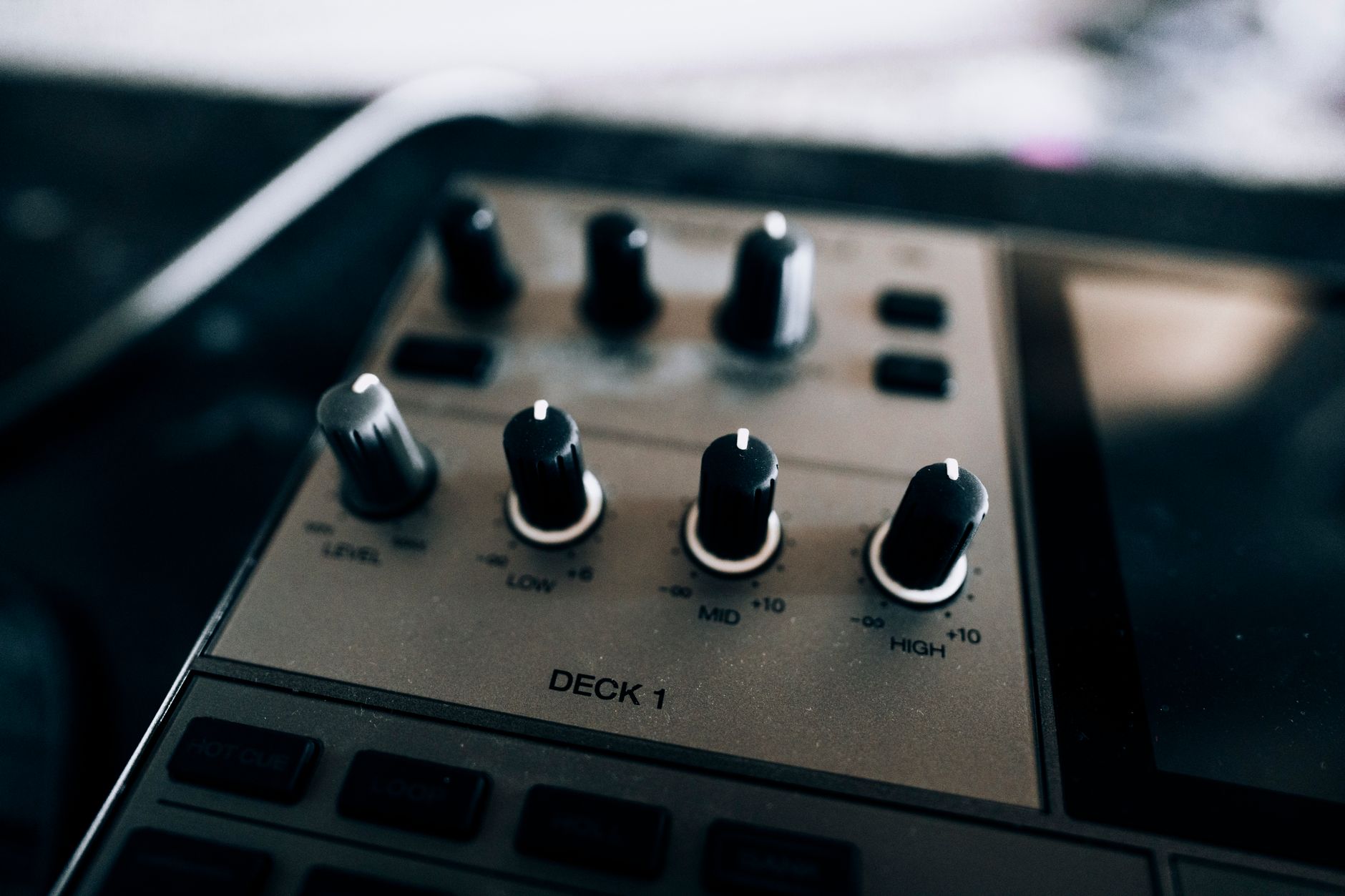
Roland SP-404MKII vs MPC Sample Workflows
I like MPCs, but they push me toward building songs on a screen. The SP pushes me toward committing. That difference changes the music.
If I am arranging a full client instrumental with verse, hook, bridge and stems, an Akai MPC One+ makes more sense. If I am catching a loop, mangling a vocal, or adding live texture beside decks, the roland sp-404mkii gets there faster.
Why the MPC Feels Safer
The MPC workflow is stronger for MIDI sequencing, plugin instruments, proper arrangement and detailed editing. It feels closer to a standalone DAW. That is useful when the production has to leave the room as stems by 6 p.m.
The cost is friction. I make more tiny decisions on an MPC. On the SP, I resample, move on, and judge the result like a record.
Why the SP Feels Better Beside DJ Gear
The SP sits beside a mixer like it belongs there. Pads, effects, stereo out, done. I do not want a full workstation when the main job is firing loops between tracks or turning a vocal into a transition tool.
For DJs who produce, that simplicity is the win. For producers who never perform, the MPC may feel less cramped.
- Pick the SP for resampling, live effects and fast commitment.
- Pick an MPC for arrangement, MIDI sequencing and stem delivery.
- The SP pairs better with a DJ mixer.
- The MPC is better when the screen is part of the workflow.
- For custom production deadlines, DAW export still matters.
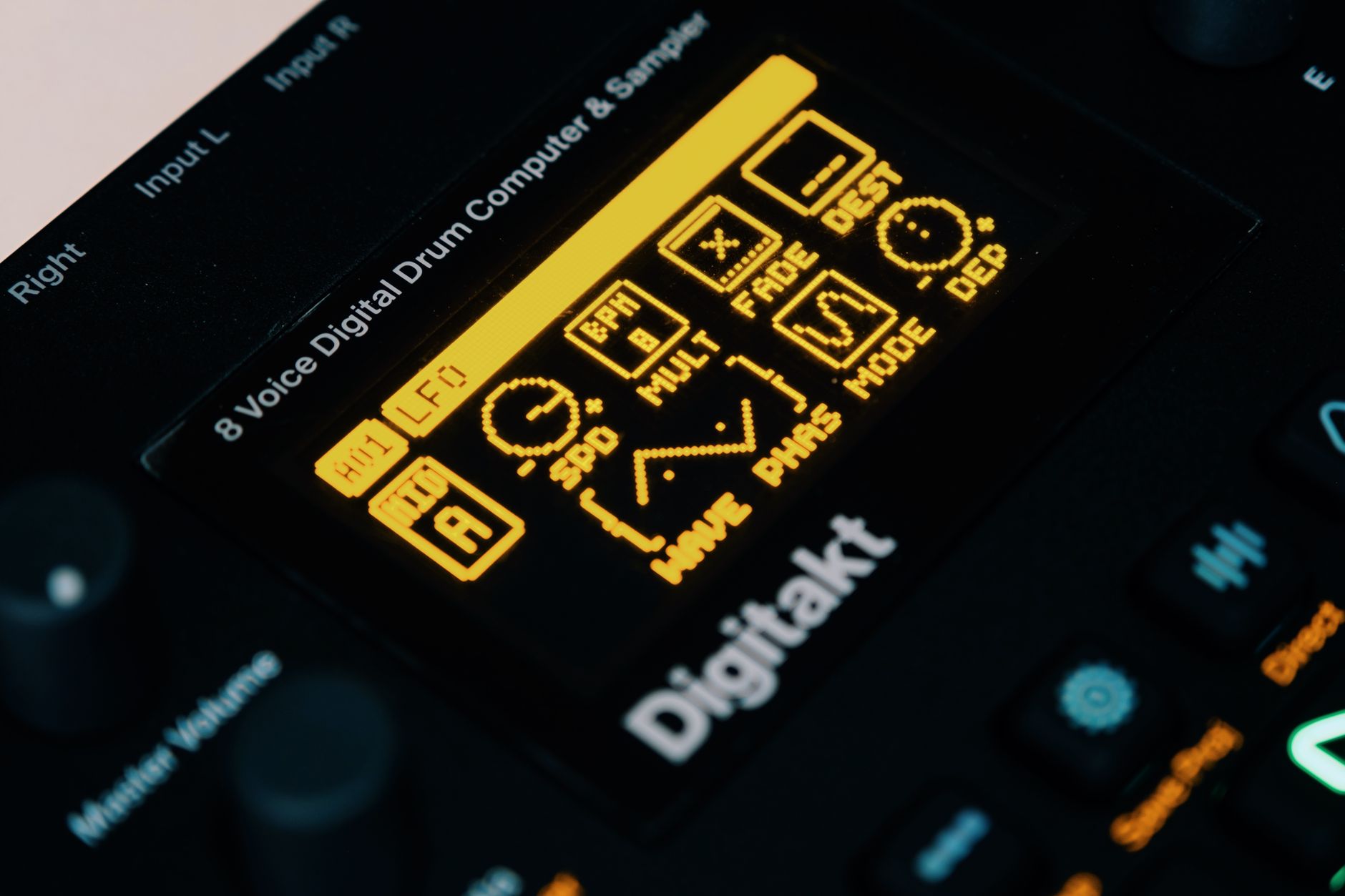
Price, Used Units and the MK3 Waiting Game
Roland sp 404mkii price changes by region, but new units usually sit in the mid-priced sampler bracket rather than boutique territory. Used listings can be fair, especially from owners who bought it for lo-fi beats and never learned the shortcut system.
I would not wait for a Roland SP-404 mk3 unless you enjoy waiting more than making. The current machine already covers sampling, resampling, performance effects, USB audio and a serious amount of storage.
Buying Used Without Inheriting Trouble
When I see a roland sp 404mkii for sale, I ask for three checks before money changes hands: every pad triggers, the headphone jack is clean, and the encoder does not skip values. Cosmetic scratches do not bother me. A jumpy encoder does.
- Ask which system version is installed.
- Check the SD card slot with a real card.
- Test line input, line output and USB audio.
- Confirm the power supply is included.
Do You Need an SP-404 mk1 Instead?
The Roland SP-404 mk1 has charm, especially if you love older resampling habits and rougher effects. I would still buy the MKII for serious work. The screen, storage, USB-C and modern import flow save time every week.
Old boxes can sound cool. Missed deadlines do not.
- Buy used only after checking pads, encoder and audio jacks.
- Do not overpay for cosmetic perfection.
- The MKII is the safer buy than the SP-404 mk1 for daily work.
- No official Roland SP-404 mk3 needs to block your decision.
- Update the system software before building a live set.
| Tool | Best At | Weak Spot | I’d Choose It For |
|---|---|---|---|
| Roland SP-404MKII | Resampling, performance effects, DJ booth loops | Small-screen editing and detailed arrangement | Beat sketches, live fills, transition tools |
| Akai MPC One+ | MIDI sequencing, arranging, standalone production | Less immediate for quick live effect moves | Full instrumentals, client stems, structured songs |
| Akai MPC Live II | Portable arrangement with built-in speaker and battery | Higher price and bigger footprint | Writing away from the studio without a laptop |
| Ableton Live with controller | Editing, warping, mixing and final export | Less fun as a no-screen performance sampler | Finishing tracks after the SP idea works |
Worth a deeper read on this: Roland – SP-404MKII and Roland SP.
Frequently asked questions
What kind of music is SP-404 best for?
The SP-404 is strongest for sample-based hip-hop, lo-fi beats, house tools, jungle chops, ambient textures and DJ transitions. It rewards resampling and performance moves more than piano-roll composition. If the track depends on chopped audio, one-shots, loops and hands-on effects, it fits.
What is the latest update for the SP-404MKII?
Roland’s official support page lists the current SP-404MKII system program, and you should check it before updating because point releases change. The Version 4 generation is the major one to know, with workflow improvements, better sequencing behavior and expanded performance features compared with early firmware.
Which is better for me, the Akai MPC or the Roland SP-404?
Choose an Akai MPC if you want a standalone production workstation with arrangement, MIDI sequencing and detailed editing. Choose the Roland SP-404 if you want faster resampling, performance effects and a box that sits naturally beside DJ gear. For live texture and commitment, I prefer the SP.
Is the roland sp-404mkii good for live performances?
Yes, the roland sp-404mkii is excellent live when the banks are prepared. Put critical one-shots in one bank, loops in another, test gain before the set, and avoid menu-heavy moves onstage. It is better as a performance sampler than as a tiny full DAW.
The short version
- The SP works best when banks are organized for performance, not browsing.
- Leave about -6 dB of headroom before feeding a DJ mixer or recorder.
- Use VinylSim, Isolator and resampling for movement, then finish mix cleanup in a DAW.
- Pick an MPC for arrangement, but pick the SP for fast sampling and live effects.
- Used units are worth considering if pads, encoder, jacks and USB audio all check out.
Where to go from here
The roland sp-404mkii is not the neatest sampler, and that is part of why I keep reaching for it. It pushes decisions into your hands: trim the chop, hit resample, print the mistake, build a bank that makes sense under pressure. For DJs, it adds texture without dragging a laptop into every booth. For bedroom producers, it turns loops into finished ideas faster than another hour staring at a timeline.
My advice is simple: build one 8-pad performance bank tonight. Use two drum hits, two loops, two effects prints, one vocal stab and one emergency riser. Record ten minutes without stopping, then keep the two moments that make your head move.
My Career makes videos from your own track and posts them for you, pitches your release to 34,000+ labels, playlists, radio stations, YouTube channels and blogs, puts it in every store and briefs you every morning. Free plan, no card, two minutes to set up.