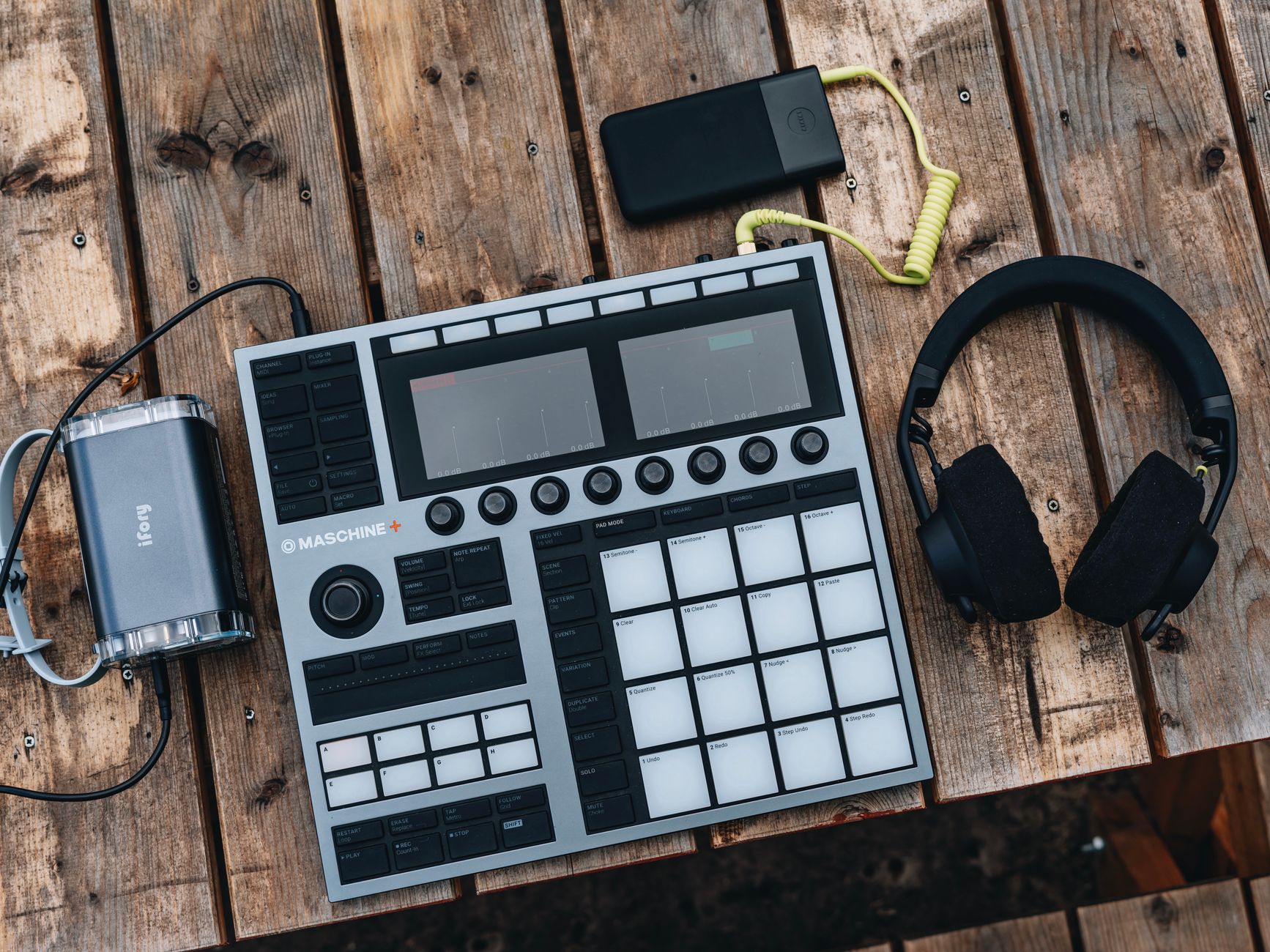
How to avoid burnout starts with treating your energy like headroom in a mix: leave space before it clips. If every day is loud, late, and packed with unfinished tracks, your brain starts distorting long before your speakers do. For DJs, bedroom producers, and artists hiring custom music, how to avoid burnout is not a luxury topic. It affects whether you finish songs, enjoy gigs, answer briefs clearly, and make decent calls when money is involved.
Burnout is more than being tired after one bad week. It is a longer pattern of exhaustion, cynicism, and reduced performance. A producer might stop opening the DAW. A DJ might dread prepping crates. An artist might feel numb while listening to demos that should feel exciting. The fix is not to quit caring. The fix is to build a routine that has limits, recovery, and honest feedback before your body forces the issue.
How to Avoid Burnout by Protecting Your Headroom
Think of your week like a master bus. If every channel is pushed to red, the whole mix gets harsh. Headroom means unused space before distortion. In life, that space is sleep, food, silence, exercise, and time where nobody can ask you for another revision.
The first move in how to avoid burnout is not a better productivity app. It is deciding what your week can actually hold. A producer who works a day job, studies at night, and tries to finish three tracks every weekend is not lazy when the plan collapses. The plan is clipping.
Set a ceiling before you set a goal
A goal says, “finish two tracks this month.” A ceiling says, “no more than three late nights this month.” Beginners often set goals without ceilings, then wonder why they resent music by week three.
Use a simple weekly cap. For example: four production blocks, two DJ prep blocks, one admin block, and two full evenings off. A block can be 45 to 90 minutes. Longer is not always better. Past a certain point, you are just looping the same snare and calling it dedication.
Keep creative work and maintenance work separate
Creative work means writing, recording, arranging, practicing transitions, or choosing the emotional direction of a song. Maintenance work means exporting files, naming stems, checking metadata, sorting playlists, and replying to people.
When those jobs share one session, everything feels heavier. Try this split: create before admin, never after. If you have only 30 minutes, do one small creative move, such as writing an 8-bar bass idea, not a full release checklist.
How to avoid burnout as an artist with a tiny energy budget
When your energy is low, stop measuring yourself against artists who have managers, engineers, and free weekdays. Your baseline might be one vocal note session on Monday, one feedback listen on Wednesday, and one decision on Friday.
That still counts. The key is repeatability. A boring plan you can run for 12 weeks beats a heroic plan you abandon after four days.
- Leave at least two evenings each week with no music task attached.
- Cap late-night sessions before they become your normal workflow.
- Plan admin separately from writing, mixing, and DJ prep.
- Use 45-minute blocks when motivation is shaky.
- Track finished actions, not hours spent feeling guilty.

Spot the Early Warning Lights Before They Turn Red
A car dashboard does not wait for the engine to explode. It gives you a light. Burnout has dashboard lights too, but music people often ignore them because tiredness gets mistaken for ambition.
Learning how to avoid burnout means catching the small signals. Not the dramatic collapse. The earlier stuff. The skipped meals, the ugly self-talk, the sudden hatred of a track you loved yesterday.
The seven signs that matter for music makers
Burnout signs are easy to explain and hard to admit. Here are the ones I see most often with producers and DJs:
- Constant tiredness: sleep does not reset you.
- Irritability: every comment feels like an attack.
- Avoidance: you open the DAW, then clean your desktop for an hour.
- Cynicism: you start calling every track pointless.
- Reduced quality: basic choices take forever.
- Body signals: headaches, tight jaw, bad stomach, or racing heart.
- Isolation: you stop replying because conversation feels expensive.
When normal fatigue becomes burnout
Normal fatigue has a clear cause and improves with rest. Burnout keeps following you. One rough gig weekend is not burnout. Six weeks of dread before every gig prep session is a different problem.
Use a three-check test: frequency, duration, and recovery. If the same symptoms show up most days, last longer than two weeks, and do not improve after proper rest, treat it as a warning, not a personality flaw.
The quiet warning sign producers miss
Indecision is a big one. You spend 40 minutes choosing a clap, then hate all of them. That can look like perfectionism, but sometimes it is mental depletion.
If every small choice feels like court evidence, stop the session. Print a rough bounce, write one sentence about the problem, and come back tomorrow. A tired brain is a bad A&R.
- Notice dread before you notice collapse.
- Treat ongoing cynicism as a signal, not a badge.
- Stop sessions when basic decisions feel strangely impossible.
- Look for body symptoms, not just mood changes.
- Ask whether rest actually restores you.

Build a Workload That Fits Real Life
A DJ set works because tracks are arranged in phrases. You do not drop every peak-time record in the first eight minutes. Your workload needs the same pacing.
This is where how to avoid burnout from work, college, or family pressure gets practical. You are not only managing music. You are managing the whole stack around music.
How to avoid burnout from work when music is the second shift
If you already work 40 hours, music is not starting from zero. It is starting after meetings, commuting, decisions, and emotional noise. That matters.
Use “low-friction” tasks on work nights. Playlist sorting, reference listening, rough lyric notes, and 20-minute sound selection all count. Save arrangement surgery, mix revisions, and client feedback calls for fresher slots. Heavy tasks need a clearer head.
How to avoid burnout while studying or in college
Studying drains the same attention system you use for arranging drops, learning transitions, or judging a vocal take. If exams are close, shrink music rather than pretending you can run both at full volume.
Try a study-season version of your routine: one practice set per week, one small production block, and one listening walk with no screen. Keep the identity alive without demanding peak output.
Use the two-calendar method
Put fixed obligations on one calendar: shifts, classes, family, travel, sleep. Put music on a second calendar only after the first one is honest. This stops the fantasy version of your week from bullying the real one.
Color-code three types of music work: creation, practice, and admin. If admin eats the whole week, you will feel busy but musically empty. If creation eats everything, releases and gigs become chaotic.
- Match heavy music tasks to your freshest time of day.
- Shrink output during exams, launches, or demanding work periods.
- Use separate blocks for creation, practice, and admin.
- Do not schedule music over sleep and call it discipline.
- Plan the real week, not the fantasy week.
Separate Practice, Production, and Performance
A kitchen works because chopping, cooking, plating, and washing up are different jobs. If you do them all at once, the room turns into stress. Music has the same problem.
Many beginners burn out because every session tries to be everything: learn the DAW, write the track, fix the mix, post content, and prove they belong. That is too many jobs for one brain.
Practice is repetition, not judgment
DJ practice means drilling transitions, phrase timing, cue points, gain matching, and recovery from mistakes. Production practice means repeating one skill, such as writing drum grooves or balancing kick and bass.
Practice should feel narrow. Record it, but do not review every second like a critic. Pick one measurable target. For example: “I will practice 16-bar transitions between three tracks for 30 minutes.” That is cleaner than “get better at DJing.”
Production is decision-making
Production means turning ideas into a finished piece of music. It includes arrangement, sound choice, editing, and rough balance. It is full of decisions, so it needs limits.
A useful rule: decide the session’s job before opening anything. “Write a hook.” “Build the second drop.” “Export stems.” If you finish the job early, stop or document the next move. Do not keep digging just because the laptop is open.
Performance needs rehearsal, not panic
Performance includes DJ gigs, livestreams, vocal recording days, and content shoots. Panic prep usually creates burnout because the body learns that music equals emergency.
Build a pre-performance checklist. Keep it short: music ready, backups ready, cables or files checked, arrival time clear, food handled. The checklist is not glamorous. It is a seatbelt.
- Give each session one job only.
- Practice one repeatable skill at a time.
- Stop judging practice takes like final releases.
- Use checklists for gigs and recording days.
- End sessions with one written next step.

Use Recovery Like Part of the Signal Chain
A signal chain is the route sound takes through tools before it reaches the listener. If one stage is broken, the output suffers. Recovery is part of your personal signal chain.
Sleep, movement, food, daylight, and quiet are not rewards for finishing music. They are inputs. Remove them and your taste gets worse, your patience drops, and your mixes become stranger in the bad way.
The 42% rule, translated
The 42% rule comes from stress researchers Emily and Amelia Nagoski. The idea is that the body needs around 42% of your time for rest and recovery across a day. That is roughly 10 hours out of 24, including sleep, meals, movement, connection, and decompression.
It is not a rigid stopwatch rule. It is a warning against treating recovery as whatever is left after everything else takes its cut.
Active recovery beats scrolling
Scrolling feels like rest because you are not producing. Often it keeps your nervous system busy. Active recovery is different. It gives the body a clear signal that the threat is over.
Try a walk without headphones, stretching, cooking, a short call with someone safe, or ten minutes of cleaning the room. Boring works. Your brain does not need another feed of other artists announcing wins while you are exhausted.
Protect your ears and your judgment
Listening fatigue is real. After long sessions, highs can feel dull, bass can feel wrong, and every vocal can sound too loud. That is not always a mix problem. Sometimes your ears are done.
Use volume limits. Keep routine production at conversation level. Take five minutes away from speakers every hour. If you are mixing, leave final EQ and loudness calls for the next day whenever possible.
- Plan recovery before the week fills up.
- Use walks, meals, and quiet as real work support.
- Take ear breaks during long production sessions.
- Avoid final mix decisions when tired.
- Treat sleep as part of the creative process.

Handle Pressure From Releases, Clients, and Social Feeds
Pressure is like feedback from a microphone too close to a speaker. A little signal is useful. Too much loops back until it screams.
Artists and producers get pressure from release dates, playlist hopes, client briefs, content schedules, and comparison. How to avoid burnout as an artist means turning that pressure down before it becomes the loudest thing in the room.
Set revision boundaries before the work starts
If you are commissioning custom music or working with a ghost producer, vague expectations burn everyone. Define the brief, reference tracks, deadline, file needs, and revision count before the session turns emotional.
For producers, boundaries are not rude. They protect quality. “Two rounds of revisions, one consolidated feedback note per round” is much healthier than 19 scattered messages at midnight.
Do not let release admin eat the song
Release admin matters: audio quality, originality, included files, artwork, and metadata all affect whether a track is ready. We see this constantly at The Ghost Production when reviewing material before approval. The problem starts when admin anxiety replaces musical judgment.
Use a release checklist once, then move. Endless checking can become avoidance dressed as professionalism.
Make social media smaller on purpose
Social feeds compress everyone else’s highlights into one noisy channel. That is rough when you are tired. Limit posting work to set windows, such as 20 minutes after lunch and 20 minutes after dinner.
If an app makes you feel behind every time you open it, remove it from your phone for one week. You can still be serious about music without letting a feed manage your nervous system.
- Define revisions, deadlines, and files before custom work begins.
- Use one release checklist instead of endless re-checking.
- Batch social media instead of grazing all day.
- Mute comparison triggers during heavy work periods.
- Keep feedback consolidated and specific.

Make Burnout Prevention Stick When Your Brain Is Busy
A live set needs cue points because nobody remembers every transition under pressure. Busy brains need cue points too.
This section matters if you relate to how to avoid burnout ADHD searches, or if your attention gets scattered by school, work, messages, and half-finished loops. The aim is not to become a perfect planner. The aim is to lower the number of decisions required to start.
Reduce the start-up cost
Start-up cost is the effort needed before the real task begins. If making music requires clearing a desk, finding headphones, updating software, choosing samples, and remembering the project name, you may quit before the first note.
Prepare one “open first” project folder. Keep three current projects only: writing, editing, and finishing. Archive the rest. Too many options look like freedom and feel like fog.
Use body doubling and timed starts
Body doubling means working while another person is present, physically or on a quiet call. They do not need to help. Their presence makes starting easier.
Pair it with a timed start. Set 15 minutes. The job is not to finish a song. The job is to begin. After 15 minutes, you can stop without guilt or continue with better momentum.
Create a reset protocol for bad weeks
A reset protocol is a pre-written plan for when the week falls apart. Keep it plain: sleep, food, one room tidy, one tiny music task, one message answered.
Bad weeks do not need a dramatic comeback. They need a ramp. If you miss three sessions, do not schedule six to compensate. Schedule one. That is how to avoid burnout after a wobble without turning recovery into punishment.
- Keep only three active music projects visible.
- Use 15-minute starts when motivation is low.
- Try body doubling for admin, editing, or practice.
- Write a reset plan before you need it.
- Return with one small session, not a revenge schedule.
| Method | Best For | How To Use It | Watch Out For |
|---|---|---|---|
| Weekly energy cap | People juggling work, study, and music | Limit late nights, heavy sessions, and admin blocks before planning goals | Do not treat the cap as failure; it is headroom |
| Single-job sessions | Bedroom producers with many unfinished ideas | Choose one task before opening the project: write, edit, arrange, or export | Avoid turning every session into a full-song rescue mission |
| Recovery blocks | DJs and artists with intense weekends | Schedule sleep, food, quiet, and movement like fixed appointments | Scrolling may not count if it leaves you more tense |
| Revision boundaries | Custom music and ghost production projects | Agree on brief, references, file needs, and revision rounds early | Loose feedback can turn small changes into emotional rework |
| Reset protocol | ADHD brains or chaotic weeks | Use a short written plan: sleep, eat, tidy, one tiny music task | Do not overcorrect with a punishment schedule |
FAQ
What is the 42% rule for burnout?
The 42% rule suggests your body needs about 42% of each day for recovery, including sleep, meals, movement, connection, and decompression. It comes from stress research popularized by Emily and Amelia Nagoski. Treat it as a reminder, not a strict timer: recovery cannot be only the scraps left after work.
What are the 7 signs of burnout?
The seven useful signs are constant tiredness, irritability, avoidance, cynicism, reduced quality of work, physical symptoms, and isolation. For music makers, this can look like dreading the DAW, hating every idea, ignoring messages, or needing hours to make tiny decisions that used to feel simple.
How do I stop my burnout?
First, reduce load. Cancel or pause non-essential tasks, protect sleep, and stop adding new goals. Then rebuild with small repeatable blocks: one short creative session, one admin block, one full rest period. If symptoms are severe, persistent, or affecting daily functioning, speak with a qualified health professional.
What are the five stages of burnout?
A common five-stage model is honeymoon, onset of stress, chronic stress, burnout, and habitual burnout. In music, that can move from exciting overwork to tired sessions, then constant pressure, emotional shutdown, and finally a pattern where exhaustion feels normal. Catching the middle stages is the best chance to recover quickly.
How to avoid burnout as a student making music?
Use a study-season routine. Keep one small music block, one practice block, and one listening session per week instead of trying to run a full release schedule during exams. Your attention is already being spent on learning, so protect sleep and shrink music goals before resentment builds.
How to avoid burnout ADHD when producing or DJing?
Lower the start-up cost. Keep only a few active projects visible, use 15-minute timed starts, and try body doubling for admin or editing. Build reset plans for bad weeks. The aim is not perfect discipline; it is reducing decision overload so starting feels possible again.
How to avoid burnout is mostly about pacing, not toughness. Leave headroom in the week, spot the warning lights early, and stop asking one tired session to fix your whole career. If you are DJing, producing, studying, working, or commissioning music, the same rule applies: the routine has to fit the human running it.
Try this in your next session. Before opening the laptop, write one sentence: “Today’s job is…” Then choose a task small enough to finish without wrecking tomorrow. When the job is done, stop, save notes for the next move, and let recovery do its part.
My Career makes videos from your own track and posts them for you, pitches your release to 34,000+ labels, playlists, radio stations, YouTube channels and blogs, puts it in every store and briefs you every morning. Free plan, no card, two minutes to set up.