 By TGP DJ Desk · October 8, 2026
A pioneer mixer can make your set feel locked, or make every blend fight you because the filter jumps, the cue level lies, or the channels run out before your vocal acapella comes in.
The pioneer mixer search got messier after Pioneer DJ’s 2024 AlphaTheta brand shift: the club standard is still called Pioneer by most DJs, while new and used models now sit across a wide price spread. If you play on CDJ booths, stream from a small desk, scratch, or test finished tracks from our ghost production marketplace before release, the right call is not “buy the most expensive one.” It is channels, I/O, fader feel, send/return workflow, and whether the layout matches the booth you expect to walk into at 1 a.m.
What changed for the pioneer mixer buyer in 2026?
The big change is not that DJs stopped wanting Pioneer. They did not. The shift is that the name on new boxes is less simple now, while the booth muscle memory still points at DJM layouts.
Since the AlphaTheta branding move in 2024, buyers have had to separate three things: current Pioneer DJ club mixers, older DJM units that still dominate venues, and new AlphaTheta-branded gear that shares the same company DNA. For a working DJ, the logo matters less than layout predictability, channel count, cueing, and whether the mixer survives hot changeovers without weird routing surprises.
Why the pioneer mixer name still matters
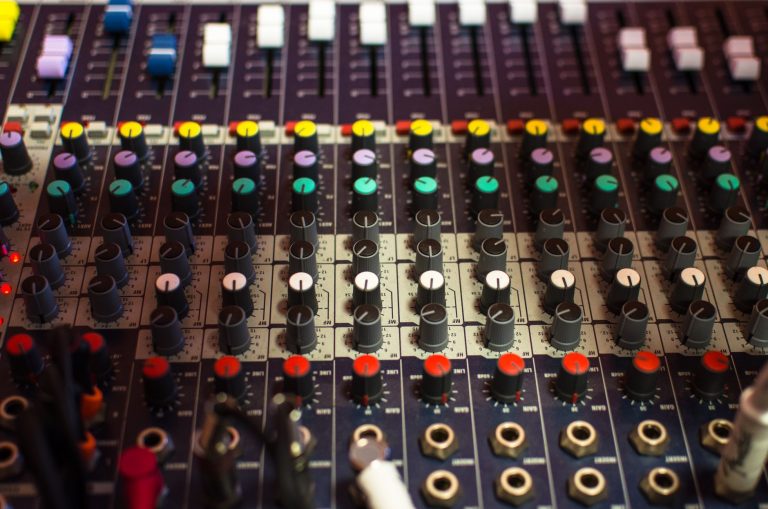
Most club booths still train you on the same basic map: trim at the top, three or four-band EQ, color FX under the EQ, channel fader, crossfader, master, booth, cue. That map is why a DJM-900NXS2 still feels normal in a loud room even if the unit has seen 900 sweaty nights.
If you are buying for practice, buy for translation. A bedroom setup that matches a venue mixer saves you from hunting for the booth knob while the outgoing DJ is unplugging USBs.
- Club-first DJs should prioritize a 4-channel DJM layout over rare features.
- Scratch DJs should care more about crossfader cut, tension, and pad workflow.
- Hybrid live sets need send/return, extra inputs, and clean monitoring.
- Streaming setups need simple USB audio routing and predictable gain staging.
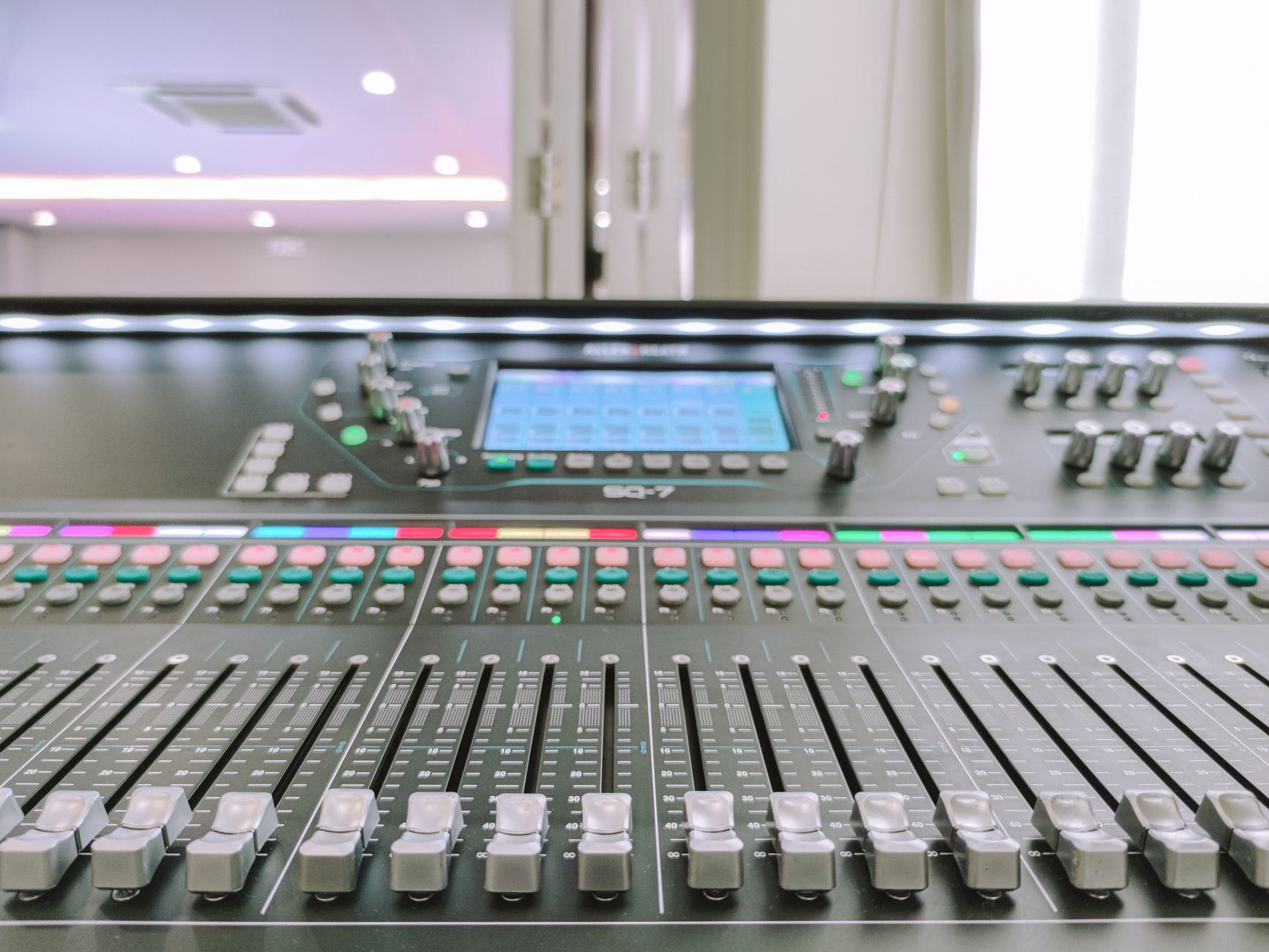
Which Pioneer mixer 4-channel model makes sense for clubs?
If you want the safest club-practice buy, a Pioneer mixer 4-channel model is still the move. Two decks sounds fine until you want a drum tool, acapella, looped intro, or emergency backup track sitting ready.
The DJM-A9 is the current premium club answer. It has better spacing than the DJM-900NXS2, improved converters, dual USB-C, cleaner booth control, and a layout that feels less cramped during fast transitions. The DJM-900NXS2 is still the realistic club reference because so many venues already own it. The DJM-750MK2 is the budget practice pick, not the dream booth mixer.
What settings should you copy from a club booth?
Set your channel trims so peaks hit around 0 dB on the mixer meters, not constant red. Keep the master with 3 to 6 dB of safety if you control the PA. Use the booth output as your monitoring level, not the master.
- Start EQ blends with bass fully swapped by bar 8 or 16, not slowly smeared across a minute.
- Use Sound Color FX Filter with resonance restrained, especially on older DJM-900 units.
- Keep Beat FX wet/dry below 25 percent for Echo during transitions unless you want the tail to swallow the next drop.
- DJM-A9: best current club-style purchase if budget allows.
- DJM-900NXS2: best used reference for venue familiarity.
- DJM-750MK2: best home-practice pick when price matters.
- Avoid ancient beat-up DJM-800 units unless the price is genuinely low.

Is a Pioneer mixer 2-channel enough for scratching and streams?
Yes, if your set is built around two decks, scratching, open-format transitions, or compact livestreams. No, if you constantly run acapellas, drum loops, and a backup deck.
The DJM-S7 is the sweet spot for many battle-style DJs. It gives you a Magvel Fader Pro, performance pads, Serato DJ Pro and rekordbox compatibility, Bluetooth input for quick phone grabs, and a layout that does not waste space. The DJM-S11 is deeper, with a larger touchscreen and more control, but it is overkill if you mostly cut, blend, and stream from a small desk.
Where does the Pioneer mixer S7 fit?
The S7 makes sense when the crossfader is the main instrument. Set the crossfader curve sharp for cutting, raise tension if your hand is heavy, and keep channel faders reserved for blends. For streaming, run USB audio into your laptop, then check the stream feed with headphones before going live. Do not trust meters alone.
If you only mix house, techno, Afro house, or melodic tracks, the S7 can feel cramped. You will miss channels before you miss pads.
- Choose DJM-S7 for scratching, two-deck routines, and compact streams.
- Choose DJM-S11 if you want deeper pad modes and screen-based control.
- Skip 2-channel battle mixers for multi-deck club practice.
- Check fader bleed on used units before paying.

Should you buy a Pioneer mixer DJM 900, 750, or A9 used?
The used market is where the real money gets won or burned. A clean DJM-900NXS2 can be smarter than stretching for a new A9, but a tired rental-unit 900 with crunchy pots is a tax you pay every session.
For a fair Pioneer Mixer price check, compare sold listings, not hopeful listings. In 2026, rough private-sale ranges often land around: DJM-750MK2 at lower mid-budget, DJM-900NXS2 at serious used-club money, and DJM-A9 near premium territory unless discounted. Prices move by country, warranty status, VAT, and whether the seller includes a flight case.
Used buyer checks that matter
Bring headphones and test every input. Sweep each EQ knob slowly. Crackle around 12 o’clock means dirt or wear. Test both USB ports if present. Run audio through every channel, then push cue buttons hard enough to reveal intermittent contacts.
- Check Beat FX timing against a steady 125 BPM track.
- Test booth output separately from master output.
- Move the crossfader slowly and listen for dropouts.
- Look for missing screws, bent RCA jacks, and sticky drink residue under knobs.
- A clean DJM-900NXS2 beats a cheap abused one every time.
- DJM-750MK2 is strong for home practice, weaker as a club rider request.
- DJM-A9 is the best buy when warranty and long-term use matter.
- Budget for cables, case, decks, and headphones before maxing out on the mixer.

When does a Pioneer mixer 6-channel setup make sense?
A Pioneer mixer 6-channel setup means the DJM-V10 or V10-LF conversation. This is not the right answer for most beginners. It is built for DJs who treat the booth like a small live mixer.
The V10 earns its space when you run four decks, a drum machine, an effects return, or a live synth feed. Its 4-band EQ is more surgical than a normal DJM 3-band section, and the compressor per channel helps control older tracks or vinyl rips. If you only play two USB sticks and occasional loops, it is too much mixer.
Who should consider the DJM-V10?
Hybrid techno, live house, dubby edits, and long-form warm-up sets benefit most. You can keep a kick loop on one channel, two full tracks on others, and a hardware delay return sitting ready without repatching mid-set.
The trade-off is size and familiarity. Many club DJs can walk up to a DJM-A9 blind. Fewer can move fast on a V10 with no soundcheck. If you play short changeovers, familiarity wins.
- Use 6 channels for hybrid live sets, not basic two-deck mixing.
- Expect more setup time and more room for routing mistakes.
- The 4-band EQ rewards careful hands.
- A DJM-A9 is safer for standard club bookings.
| Model | Channels | Best for | Buying note |
|---|---|---|---|
| DJM-A9 | 4 | Current club-style booths and serious home practice | Premium choice with cleaner layout and dual USB-C |
| DJM-900NXS2 | 4 | Training for real club booths | Strong used buy if pots, USB ports, and FX are clean |
| DJM-750MK2 | 4 | Bedroom DJs who want DJM habits | Good value, less rider-friendly than A9 or 900NXS2 |
| DJM-S7 | 2 | Scratch DJs, open-format sets, livestream desks | Best compact battle pick before spending S11 money |
| DJM-V10 | 6 | Hybrid live sets and multi-source routing | Powerful, expensive, and slower for short changeovers |
Worth a deeper read: Pioneer DJ.
Questions producers actually ask
Which pioneer mixer is considered the best?
The DJM-A9 is the best current all-round club choice. It has the most useful balance of layout, sound quality, dual USB-C, effects, and booth-ready familiarity. Scratch DJs should look at the DJM-S7 or DJM-S11 instead, because crossfader feel matters more than four club channels.
What’s better, Numark or Pioneer?
Pioneer is better for club translation because most venues use DJM-style mixers and CDJ-style booths. Numark can be better value for learning, parties, and entry-level controllers. If your goal is paid club sets, choose Pioneer-style workflow sooner. If budget is tight, Numark is not a bad starting point.
Which Pioneer battle mixer is considered the best?
The DJM-S11 is the flagship battle mixer, but the DJM-S7 is the smarter buy for many DJs. The S11 gives deeper screen control and more performance options. The S7 keeps the core scratch workflow, strong fader feel, and software support at a lower price.
Which Pioneer DJ mixer is considered the best?
For normal club use, the DJM-A9 is the best current Pioneer DJ mixer. For used club practice, the DJM-900NXS2 still makes sense. For scratching, choose the DJM-S7 or S11. For hybrid live sets with drum machines and external effects, the DJM-V10 is the specialist pick.
What to remember
- DJM-A9 is the strongest current club-style Pioneer choice.
- DJM-900NXS2 remains valuable because so many venues still use it.
- DJM-S7 is the practical 2-channel battle mixer for scratching and streams.
- DJM-V10 only makes sense if you genuinely need six channels.
- Used mixers need hands-on testing for pots, faders, USB ports, FX, and outputs.
Wrapping up
The right pioneer mixer is the one that matches the booth you are training for, not the one with the longest feature list. For club work, start with DJM-A9 if you can afford it, or a clean DJM-900NXS2 if used pricing is sensible. For scratching and compact streams, the DJM-S7 is hard to argue against. For hybrid live sets, the DJM-V10 earns its size only when those extra channels are active every set.
Before you buy, map your next 30-minute practice session on paper: number of decks, acapellas, loops, external sources, cue needs, and recording route. Then choose the mixer that makes that session boringly reliable.
My Career makes videos from your own track and posts them for you, pitches your release to 34,000+ labels, playlists, radio stations, YouTube channels and blogs, puts it in every store and briefs you every morning. Free plan, no card, two minutes to set up.