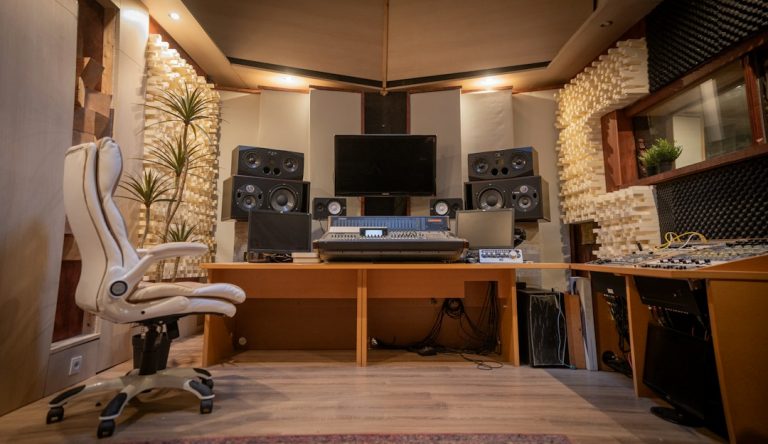
How to mix vocals without clashing with the beat comes down to choosing the right space-making method, not throwing five vocal plugins on the chain. The wrong move is usually obvious: the vocal gets louder, the track gets smaller, and the hook still feels buried.
I’m treating this as a shootout between four ways to clear room for a vocal: manual volume automation, static EQ, dynamic EQ, and sidechain ducking. Ambience gets its own round because reverb can wreck a vocal faster than a bad compressor. The goal is simple: keep the voice forward without carving the instrumental into a demo skeleton. That matters whether you are mixing your own topline, prepping a DJ-friendly vocal edit, or checking a custom track before approving the final master.
How to Mix Vocals Without Fighting the Beat: The Shootout
The cleanest vocal mixes do not come from one magic insert. They come from picking the right tool for the clash. A vocal fighting a supersaw at 2.5 kHz needs a different fix from a vocal getting swallowed by a warm pad at 300 Hz.
For this shootout, I’m scoring four options on speed, control, damage to the instrumental, and how well they survive loud club playback.
Option A: Manual volume automation
Automation wins on feel. A 1 dB push on the last word of a line often sounds more expensive than a compressor grabbing the whole phrase. In Ableton Live, Logic Pro, FL Studio, or Cubase, this is just clip gain and fader rides, no plugin shopping needed.
The drawback is time. If the singer has uneven takes, ad-libs, doubles, and chops, you can lose an hour before touching tone. Still, for lead vocals, I rate automation as the most honest fix.
Option B: Static EQ cuts
Static EQ is fast and reliable when the problem sits in one place. If the vocal sounds boxy, cut 200 to 350 Hz by 2 to 4 dB. If the beat masks consonants, pull a narrow 2 to 4 kHz dip from the synth bus instead of boosting the vocal into harshness.
Static EQ loses points when the arrangement changes. A cut that works in the verse can make the drop feel weak.
Option C: Dynamic EQ and sidechain ducking
Dynamic EQ is the grown-up middle ground. A plugin like FabFilter Pro-Q 3, TDR Nova, or iZotope Neutron can dip the instrumental only when the vocal hits. Set the detector from the vocal, target the masking band, and keep the gain reduction modest, usually 1 to 3 dB.
Sidechain ducking is more blunt. Trackspacer can be excellent on busy synth stacks, but overdo it and the instrumental starts breathing around every syllable.
- Best first move: clip gain the vocal before compression.
- Best surgical move: dynamic EQ on the music bus keyed from the vocal.
- Best emergency move: gentle sidechain ducking on dense synths.
- Worst habit: boosting 5 kHz on the vocal until the beat gives up.

Round 1: Volume Automation vs Compression
Compression is useful, but it gets blamed for a job automation should handle first. If one word is 6 dB quieter than the next, a compressor has to work too hard. That gives you pumping, spitty consonants, and a vocal that feels pinned instead of performed.
How to mix vocals with fader rides first
Before compression, level the lead vocal so each phrase hits the compressor in the same neighborhood. I like clip gain for big fixes, then fader automation for emotion. Pull breaths down 3 to 8 dB if they distract, but don’t sterilize everything.
A simple starting target: peaks around -10 to -6 dBFS on the vocal channel before the main compressor. Leave headroom. The mix bus will thank you.
Where compression beats automation
Compression wins when the vocal needs density. For dance vocals, I’ll often use two stages: a fast compressor shaving 2 to 4 dB on peaks, then a slower opto-style compressor adding body. Think control first, colour second.
If the beat is already slammed, don’t chase it with a crushed vocal. Use parallel compression instead. Blend a compressed duplicate under the clean lead until the words hold steady without sounding flattened.
Verdict: Automation takes the round
Automation gets the point because it solves the clash before tone shaping starts. Compression is the finisher, not the rescue crew. If your vocal only works after 10 dB of gain reduction, the level prep was lazy.
- Ride phrase endings up 0.5 to 1.5 dB when the beat opens up.
- Pull loud ad-libs down before the vocal bus compressor.
- Use parallel compression for density, not for fixing random word levels.
- Check automation in mono because masking gets uglier there.

Round 2: Static EQ vs Dynamic EQ
This is where most bedroom mixes either clean up or collapse. EQ can make a vocal sit perfectly, but static cuts across the whole track can also remove the exact energy that makes the chorus hit.
The question is not whether EQ works. The question is whether the clash is constant or momentary.
Static EQ: Fast, useful, easy to overdo
Use static EQ for problems that never stop. A roomy vocal may need a high-pass around 70 to 100 Hz, a small cut near 250 Hz, and a de-esser around 6 to 9 kHz. On the instrumental bus, a 1 to 2 dB dip around 2.5 kHz can clear lyrics without obvious damage.
The trap is carving every competing element. Cut the piano, cut the pad, cut the lead synth, then wonder why the beat sounds like cardboard.
Dynamic EQ: Better for moving clashes
Dynamic EQ wins when the vocal only clashes on certain words. Put the dynamic EQ on the synth bus, key it from the vocal, and target the band where the consonants disappear. Start with a wide bell at 2 to 4 kHz, 1.5 dB of reduction, medium attack, and release around 80 to 150 ms.
For low-mid masking, try 250 to 500 Hz on pads, guitars, or stacked backing vocals. Keep it gentle. If you see 6 dB of movement on every line, the arrangement is the problem.
Verdict: Dynamic EQ wins for modern vocal mixes
Static EQ is still necessary, but dynamic EQ takes the round because it protects the beat when the singer is not active. That matters in EDM, pop, melodic house, Afro house, and any track where the drop needs to stay wide and loud.
- Use static EQ for permanent rumble, boxiness, and harsh resonances.
- Use dynamic EQ when the vocal and synth only collide in certain phrases.
- Key the instrumental EQ from the lead vocal, not from the full vocal bus.
- Keep gain reduction small enough that the listener never hears the trick.
Round 3: Sidechain Ducking vs Arrangement Carving
Sidechain ducking is the fastest way to make room. Arrangement carving is the cleaner way. This round is ugly because speed and quality do not always point in the same direction.
Sidechain ducking: Brutal but effective
Sidechain ducking works well when a lead vocal sits on top of dense chords, wide synth layers, or a noisy sample loop. Put a compressor or spectral ducker on the music bus, feed it from the dry lead vocal, and duck 1 to 2 dB. Short attack, release timed to the groove.
Trackspacer is popular because it ducks the frequencies that match the vocal instead of lowering the whole signal. I like it on pads and guitars. I dislike it on the full instrumental when the producer is trying to hide a crowded arrangement.
Arrangement carving: Less flashy, more correct
Arrangement carving means muting or rewriting parts that compete with the vocal. Drop the lead pluck during the first half of the verse. Move the arp up an octave. Change a chord inversion so the vocal fundamental is not boxed in by a synth note.
This is the option ghost producers and custom production clients notice without naming it. The track simply sounds finished. No pumping. No hollow instrumental. No vocal arm-wrestling the hook.
Verdict: Arrangement carving wins, sidechain saves deadlines
Arrangement carving takes the round because it fixes the source. Sidechain ducking gets a respectable second place because sometimes the session is due tonight. My rule: if the ducking has to exceed 3 dB to hear the vocal, rewrite or mute something.
- Mute one busy midrange part under the vocal before adding another plugin.
- Move synth hooks away from the vocal’s strongest notes.
- Duck pads and guitars before ducking drums or bass.
- Use sidechain release times that follow the track tempo.
- Check the drop without the vocal to make sure the instrumental still hits.

Round 4: Reverb Sends vs Delay Throws
Ambience is where a clear vocal can turn into fog. A long plate reverb might sound huge in solo, then smear every lyric once the drums, synths, and backing vocals return.
For club-focused records, I almost always trust tempo delay before big reverb. Reverb gets docked points because it eats midrange and makes the vocal feel farther away.
Reverb sends: Use them like seasoning
Use a send, not an insert, unless you want a special effect. High-pass the reverb around 200 to 400 Hz and low-pass it around 7 to 10 kHz. If the vocal loses focus, duck the reverb return from the dry vocal with 2 to 4 dB of gain reduction.
Short plates and rooms work better than huge halls for most dance vocals. A 0.8 to 1.6 second decay often keeps the vocal wide without washing the groove.
Delay throws: Cleaner space, better movement
Delay throws give you space only where you want it. Automate a quarter-note or dotted eighth delay on the last word of a phrase, filter it, and keep the dry vocal clean during the next line.
Ping-pong delay can widen a hook without adding mud. Just cut lows below 250 Hz and tame highs above 6 kHz. If the delay masks the next lyric, automate the send down or sidechain the delay return.
Verdict: Delay throws win for clashing vocals
Delay takes this round. Reverb still has a place, but delay gives you cleaner gaps and better control. If you are learning how to mix vocals for dance tracks, get comfortable automating delay sends. It is one of the least glamorous moves and one of the most reliable.
- High-pass every vocal reverb unless the low end is part of the effect.
- Duck ambience returns from the dry lead vocal.
- Use delay throws on phrase endings instead of constant wetness.
- Filter delays so they sit behind the vocal, not beside it.
Mixing Vocals Without Clashing: YouTube and Reddit Advice Tested
Search results for mixing vocals without clashing YouTube advice and mixing vocals without clashing Reddit threads usually orbit the same three ideas: cut the beat, boost the vocal, or sidechain everything. Some of that advice works. Some of it turns mixes thin fast.
The YouTube method: Stack a full vocal chain
The common video chain is tidy: tuning, subtractive EQ, compression, de-essing, saturation, another compressor, EQ boost, reverb, delay. That chain can work, but it does not answer the core masking question. If the beat is fighting the vocal, a shinier vocal chain only makes the fight brighter.
I’d steal the gain staging and de-essing habits from those tutorials. I would not copy the entire chain before listening to the instrumental.
The Reddit method: Cut the instrumental harder
Reddit advice is often more practical but more aggressive. You’ll see people suggest cutting 2 to 5 kHz from everything except the vocal. That can clear space, yes. It can also remove the bite from drums, guitars, synth leads, and percussion.
The better version is bus-based. Group the masking elements, then use one controlled dynamic cut keyed from the vocal. Fewer cuts. Less damage.
Verdict: Take the diagnosis, reject the templates
The best online advice is the part that tells you to find the clash first. The worst part is copying plugin chains without knowing whether the problem is level, tone, arrangement, or ambience. Templates lose this shootout. Listening wins.
- Copy concepts from tutorials, not entire plugin chains.
- Treat forum frequency numbers as starting points, not rules.
- Solo is useful for cleanup, but clash decisions need the full mix.
- If five people suggest five different fixes, your arrangement may be overcrowded.
Who Should Pick What for a Clean Vocal Mix
No fence-sitting here. The best option depends on where you are in the session, but one workflow is clearly strongest for finished records: automation first, dynamic EQ second, arrangement edits whenever the plugin has to work too hard.
Bedroom producers should pick automation plus dynamic EQ
If you are producing in a bedroom setup, start with clip gain and fader rides. Then use a dynamic EQ on the main masking bus. This gives you the biggest improvement without needing an expensive room or a heroic vocal chain.
Free or affordable tools can do the job. TDR Nova handles dynamic EQ well. Stock compressors can sidechain. The expensive part is patience.
DJs making edits should pick delay throws and light ducking
If the vocal is going over an existing club instrumental, you may not have stems. In that case, use level automation, filtered delay throws, and very gentle full-track ducking. Keep it subtle. A DJ edit that pumps around every word sounds amateur on a large system.
Artists approving custom production should pick arrangement carving
If you are reviewing a custom track, ask whether the beat leaves space for the vocal before mix processing. The best production choice is often removing one midrange hook during the verse or changing a synth register. That decision beats any plugin chain after the fact.
- Pick automation when the vocal performance is uneven.
- Pick dynamic EQ when the clash moves with the vocal.
- Pick arrangement carving when several hooks fight the topline.
- Pick delay throws when reverb makes the vocal cloudy.
- Pick sidechain ducking only when speed matters or stems are limited.
| Option | Best Use | Weak Spot | Verdict |
|---|---|---|---|
| Manual volume automation | Uneven vocal phrases, emotional pushes, phrase endings | Slow on messy sessions with lots of doubles | Best first move. Highest control. |
| Static EQ | Permanent rumble, boxiness, harsh resonances | Can thin the beat when used across every track | Useful cleanup tool, not the whole answer. |
| Dynamic EQ | Moving clashes between vocal and synths, guitars, pads, backing vocals | Needs careful sidechain setup and restraint | Best modern mix fix for most vocal masking. |
| Sidechain ducking | Dense instrumentals, limited stems, deadline mixes | Audible pumping if pushed past 3 dB | Strong rescue tool, weak as a default habit. |
| Arrangement carving | Busy hooks, crowded verses, custom productions before final mix | Requires changing the production, not just mixing it | Best long-term answer. Docked only for speed. |
| Reverb sends | Short depth, room tone, subtle width | Adds mud and distance when left unfiltered | Use sparingly and duck the return. |
| Delay throws | Phrase endings, hook movement, clean width | Can trip over the next lyric if not automated | Better than big reverb for dance vocals. |
FAQ
How to mix vocals without clashing with the beat?
Start with clip gain and fader automation so the vocal level is steady. Then find the masking range, usually 200 to 500 Hz for mud or 2 to 4 kHz for lyric clarity. Use dynamic EQ on the competing instruments before boosting the vocal hard.
Why do my vocals disappear when the chorus hits?
The chorus likely has too much midrange energy from synths, guitars, pads, or backing vocals. Mute one competing part, move a hook up an octave, or key a dynamic EQ from the vocal. Raising the vocal fader alone often makes the mix smaller.
Should I EQ the vocal or the beat first?
Clean the vocal first for rumble, boxiness, and harsh resonances. After that, EQ the beat around the vocal instead of forcing the vocal through a crowded instrumental. Small cuts on the masking instruments usually sound more natural than huge vocal boosts.
Is sidechain ducking good for vocals?
Yes, but only in small amounts. Duck pads, guitars, or synth buses by 1 to 2 dB from the dry lead vocal. Avoid heavy full-mix ducking unless it is a deliberate effect, because it can make the instrumental pump around every syllable.
What frequencies clash with vocals most often?
Low-mid clashes often sit around 200 to 500 Hz, where vocals, pads, guitars, and piano can pile up. Presence clashes usually sit around 2 to 5 kHz, where consonants compete with synth leads and percussion. Sibilance issues often live around 6 to 9 kHz.
Can reverb make vocals clash more?
Absolutely. Reverb adds sustained energy behind the vocal, especially in the low mids. High-pass the reverb return, shorten the decay, and duck the reverb from the dry vocal. For dance tracks, filtered delay throws are often cleaner than constant reverb.
How to mix vocals cleanly is less about louder vocals and more about smarter space. My pick is clear: automate the lead first, use dynamic EQ on the instruments that mask it, then fix the arrangement if the processing gets heavy. Static EQ and compression still matter, but they do not deserve to carry the whole mix.
If your hook feels buried tonight, try one focused pass: ride the vocal, find the worst masking band, duck that band from the music bus by 1 to 2 dB, then replace constant reverb with filtered delay throws. Print a rough bounce, play it quietly, then play it loud. The vocal should hold its place without the beat sounding punished.
My Career makes videos from your own track and posts them for you, pitches your release to 34,000+ labels, playlists, radio stations, YouTube channels and blogs, puts it in every store and briefs you every morning. Free plan, no card, two minutes to set up.