Key takeaways
- Specific search intent beats broad vanity keywords for producers.
- Service pages should explain genres, rights, stems, revisions, and delivery formats clearly.
- YouTube, TikTok, SoundCloud, and your website should use consistent language.
- Real production details create stronger SEO content than generic motivation posts.
- Track enquiries and audio plays, not only traffic.
Seo for music producers is painful because the best track in your Ableton session can still sit invisible while weaker artists rank, get booked, and collect custom production enquiries. seo for music producers is not about stuffing your artist bio with awkward keywords or writing blog posts nobody reads. It is about making Google, YouTube, TikTok search, and real DJs understand exactly what you do.
The shift heading into 2026 is simple: search results reward specific answers, proof, and clean structure. A vague page called Music Production Services will struggle. A page that clearly says custom tech house ghost production, shows references, explains delivery formats, and loads fast has a shot. If you make tracks, sell beats, offer ghost production, or want DJs to find your sound without paying for every click, this is where the work starts.
Why does seo for music producers matter in 2026?
seo for music producers matters because search intent has become sharper. People are not only typing best music producer near me anymore. They search like producers: tech house ghost producer 128 bpm, custom Afro house track, Ableton mixing engineer for EDM, or how to make drums hit on a club PA.
That is useful. Those searches tell you what someone wants before they land on your page. Good seo for music producers catches that intent without turning your site into a keyword landfill.
Where does seo for music producers beat paid ads?
Paid ads can test an offer fast, but they stop the second you stop paying. Search pages keep working if they answer a real question and stay maintained. For a ghost producer, that means a page for custom music production services can bring better enquiries than a generic Instagram bio link.
The last 12 to 24 months also changed search behavior. DJs search on TikTok, producers search YouTube Shorts, and Google is better at connecting specific terms with useful pages. seo for music producers now has to cover your website, video titles, artist profiles, and service pages together.
- Search traffic tends to bring warmer leads than cold social DMs.
- Specific service pages beat one overloaded homepage.
- YouTube and TikTok titles now matter like mini search pages.
- Proof, credits, audio examples, and file formats help trust.
- Fast mobile pages matter because most DJs check links on phones.

What should I put on my artist or producer website first?
Start with pages that match the way people actually search. Your homepage should say who you help, what style you make, and what action someone can take next. Do not hide the useful stuff under a poetic landing page that says sound without limits and nothing else.
For seo for music producers, the first build should be boring in the best way: clear page titles, clean URLs, short descriptions, embedded audio, credits if you can share them, and service pages with one job each.
The pages that carry the most weight
A bedroom producer trying to sell services does not need a giant site. Five strong pages beat twenty thin ones. Use one page for your artist profile, one for custom production, one for mixing or mastering if you offer it, one for genre-specific work, and one contact page that does not feel like a support ticket.
- Homepage: your style, location if useful, and strongest proof.
- Custom production page: genres, timeline, revisions, delivery files.
- Ghost production page: rights, anonymity, stems, references.
- Portfolio page: short clips, not ten full tracks loading at once.
If you work in tech house, say tech house. If you work in melodic techno, say melodic techno. Search cannot rank your taste if you refuse to name it.
- Use one main topic per page.
- Write title tags like a human search result, not a slogan.
- Keep audio embeds light so the page does not crawl.
- Mention DAWs and formats where buyers care: Ableton Live, Logic Pro, stems, WAV.
- Put contact details within one click of every service page.
How do I choose keywords without sounding fake?
The right keyword is usually not the biggest keyword. Music producer has huge volume and vague intent. Custom slap house ghost production has less volume, but the person searching it knows what they want. That is where seo for music producers gets practical.
Use keyword research like crate digging. You are not looking for every record in the shop. You are looking for the ones that fit your set.
Build keyword groups like playlists
Group search terms by intent. One group can target learning, like how to mix tech house drums. Another can target hiring, like hire EDM ghost producer. A third can target buying, like ready made house tracks. Do not cram all three into one page.
For seo for music producers, I would take a smaller buying keyword over a broad vanity keyword every time. Ranking for EDM producer is nice for ego. Ranking for custom festival house production can pay rent.
- Learning intent: how to arrange a tech house drop.
- Hiring intent: hire a ghost producer for house music.
- Buying intent: buy exclusive EDM track.
- Comparison intent: ghost production vs custom production.
- Trust intent: music producer credits and delivery terms.
What changed in search for DJs and producers this year?
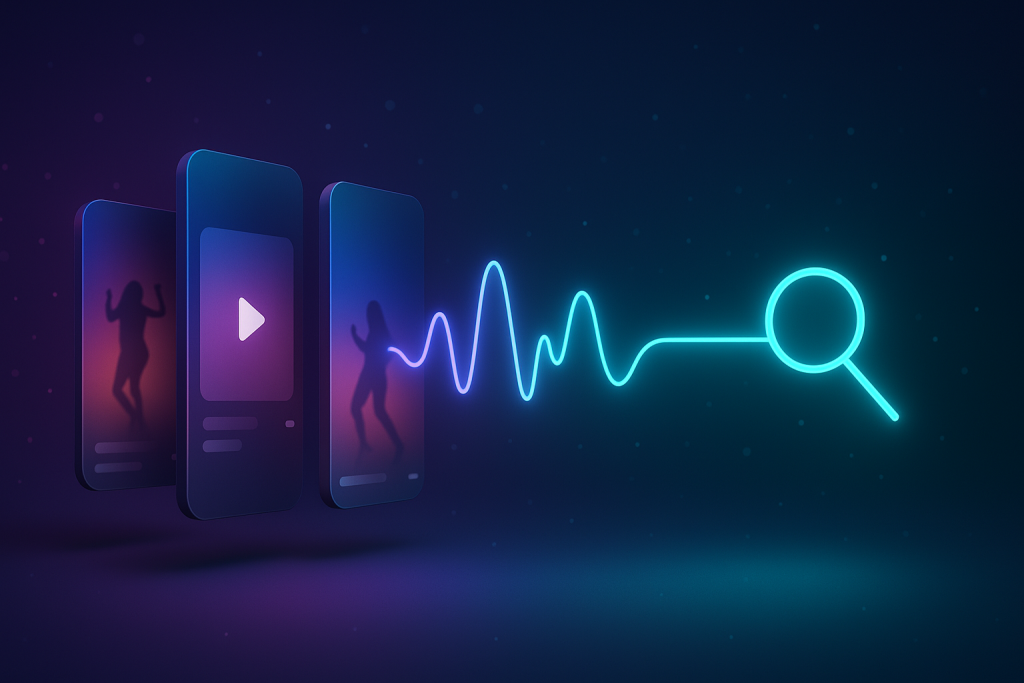
Search is less forgiving of thin pages now. Google has pushed harder against low-value content since its 2024 core updates, and social platforms are acting more like search engines. A sloppy title can bury a good video before anyone hears the drop.
That is why seo for music producers in 2026 is not only website work. Your YouTube title, SoundCloud description, TikTok caption, Spotify artist bio, and track naming all send signals. Keep them consistent.
Short-form search is not just promotion
A clip called studio day 4 is almost useless. A clip called making a 128 bpm tech house bassline in Ableton tells the platform and the viewer what it is. Same clip, better indexing.
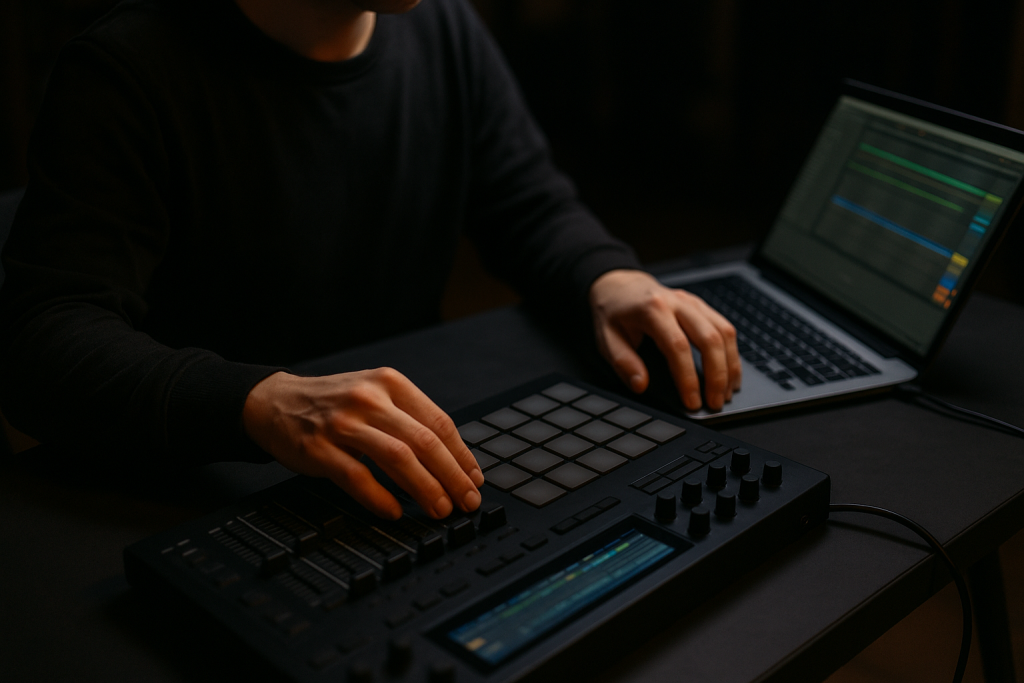
Use concrete language. Mention Ableton Push 3 if it is on screen. Mention CDJ-3000 prep if you are explaining cue points. Mention Soothe2 or FabFilter Pro-Q 4 if the post is about taming harsh vocals. This supports seo for music producers because every asset points at the same expertise.
- Rename vague video titles before posting.
- Put the genre and problem in the first line of descriptions.
- Use captions that match the actual technique on screen.
- Link back to the most relevant page, not always your homepage.
- Update old posts when your services or credits change.
How should I write service pages for ghost production?
A good service page answers buyer anxiety before the enquiry form. Artists looking for ghost production want to know what they get, who owns the master, whether stems are included, how references work, and whether the track will sound believable under their name.
This is where seo for music producers and trust copy meet. The page has to rank, but it also has to stop someone from bouncing back to Google.
Use seo for music producers without killing the vibe
Do not write like a corporate brochure. Write like a producer explaining the session. Say you can build a 124 to 128 bpm tech house record from two references. Say you deliver WAV, MP3, MIDI where relevant, full stems, and an Ableton project if that is part of the deal.
Specifics beat hype. A buyer understands sidechain ducking, parallel drum compression, vocal tuning, and mid/side EQ better than premium sound experience. For seo for music producers, those details also create long-tail relevance.
- State whether the track is exclusive or non-exclusive.
- Explain how many revisions are included.
- List delivery formats: WAV, MP3, stems, MIDI, project file.
- Name the genres you actually handle well.
- Describe reference-track matching without promising a clone.
- Clarify rights and anonymity in plain language.
Do blog posts still work for music producers?
Yes, but weak blog posts are dead weight. A 900-word post about following your passion will not bring serious DJs, artists, or labels. A post solving one painful production problem can still rank and send the right people to your music.
For seo for music producers, the best posts come from real sessions: why your low end disappears on club PAs, how to export stems cleanly in Ableton, or how to prep a track for CDJ-3000 playback.
Write from the session, not from a calendar
If you fixed a muddy bass by cutting 220 Hz on the synth bus and sidechaining 3 dB from the kick, that is a better article than five generic marketing tips. Producers can smell fake process writing.
Use screenshots if they help, but do not depend on them. Explain the move: where you placed FabFilter Pro-Q 4, why you used dynamic EQ instead of a static cut, and what changed on small speakers. That is useful content with search value.
- Answer one specific production or DJ problem per post.
- Name the genre, BPM, DAW, and plugin when useful.
- Add audio examples where possible.
- Link from the post to the related service page.
- Refresh older posts when tools or platform behavior changes.
Can seo for music producers help me sell custom tracks?
Yes, if your pages match commercial intent. Someone searching for custom music production services is not looking for a diary entry. They want confidence, style fit, delivery details, and a frictionless way to ask a question.
seo for music producers helps custom track sales when every page removes a small doubt. That includes pricing signals if you use them, turnaround range, style references, rights, and what happens after payment.
Match the page to the buyer stage
A new artist may need education. A busy DJ may need speed. A vocalist may need production around toplines. Put those needs on different sections or pages instead of forcing everyone through the same copy.
Custom production pages should feel like a clean signal chain. Input, process, output. Tell them what you need from them, what you do in the session, and what files they receive. That structure supports seo for music producers and makes the enquiry easier.
- For DJs: mention club-ready arrangement, intro and outro length, and master format.
- For singers: mention topline production, tuning, comping, and instrumental versions.
- For labels: mention stems, clean edits, extended mixes, and deadlines.
- For beginners: explain ownership and revisions without legal fog.
- For repeat clients: show how references and feedback speed up the next track.
How do I know if my music SEO is working?
Do not judge SEO by vibes. Use Search Console, analytics, and enquiry quality. If traffic rises but every message asks for free beats, the page is pulling the wrong intent. If traffic is small but two serious DJs enquire each month, keep improving that page.
seo for music producers should be measured against actions: demo plays, contact form starts, email clicks, booking requests, and custom production enquiries.
Track the boring numbers
Set a monthly check. Look at which queries bring impressions, which pages get clicks, and where people leave. If a ghost production page gets impressions for free FLP download, rewrite the title and headings toward paid custom work.
I like simple tracking. One spreadsheet, one row per page, one note on what changed. If you update the title, meta description, audio embed, and internal links all at once, write it down. Otherwise you will not know what moved the needle.
- Impressions show search visibility.
- Clicks show whether titles and descriptions work.
- Average position shows ranking movement.
- Enquiries show commercial fit.
- Audio plays show whether the right listeners landed.
- Returning visitors can show trust building over time.
| Channel | Best use | What to optimize | Producer take |
|---|---|---|---|
| Google Search | Service pages and long-form answers | Page title, H1, headings, internal links | Best for ghost production and custom production leads |
| YouTube | Tutorials, walkthroughs, reference breakdowns | Video title, description, chapters, thumbnail topic | Best proof of skill when the session is visible |
| TikTok Search | Short technique clips and genre-specific ideas | Opening caption, spoken hook, on-screen context | Good discovery layer, weak as your only home base |
| SoundCloud or Spotify | Audio proof and artist positioning | Track titles, descriptions, profile bio, links | Useful trust signal, but limited for service intent |
Further reading
- Google SEO starter — Official Google documentation for search fundamentals, crawling, indexing, and page optimization.
- Sound On Sound SEO — Long-running professional audio publication with practical SEO advice written for musicians.
Frequently asked questions
What is seo for music producers?
seo for music producers is the process of making your artist pages, service pages, videos, and music content easier to find through search. It covers keywords, page structure, titles, internal links, technical speed, and trust signals like credits, audio examples, and clear delivery details.
Do music producers need a website for SEO?
Yes. Social profiles help discovery, but a website gives you control over service pages, contact forms, analytics, and long-term search traffic. A simple site with focused pages for ghost production, custom music production, portfolio clips, and contact details is enough to start.
How long does music SEO take to work?
Expect early signs in 6 to 12 weeks if your site is crawlable and the topic is not too competitive. Stronger results often take 4 to 9 months. Service pages can move faster when the keyword is specific, like custom tech house ghost producer.
Should DJs use SEO or social media first?
Use both, but do not treat them the same. Social media is better for attention and personality. SEO is better for intent, especially when someone is actively looking for tracks, production help, lessons, or mixing services. Your best social posts can become search-focused website content later.
What keywords should a ghost producer target?
Start with service and genre combinations: ghost producer for house music, custom EDM production, tech house ghost production, melodic techno producer, or buy exclusive dance track. Then add delivery terms such as stems, Ableton project, exclusive rights, or radio edit where relevant.
Can YouTube videos help my producer website rank?
Yes, especially when the video supports the page topic. Embed a useful walkthrough on a related page, write a clear description, and link back from YouTube to the matching page. A mixing breakdown can support a mixing service page better than a random studio vlog.
Conclusion
seo for music producers is not a magic traffic button. It is a cleaner way to explain what you make, who it helps, and why someone should trust you before they message. The producers who win search in 2026 will not be the ones posting the most filler. They will be the ones with specific pages, useful session-based content, clear service terms, and proof that matches the sound they claim.
Pick one page before your next session. Rewrite the title, tighten the first paragraph, add one concrete audio example, and link it to the most relevant piece of content on your site. Then check the numbers in a month.
Seo for music producers — Quick Recap
The fastest way to lock in seo for music producers is to internalise the workflow above and repeat it on every project. Start small: pick one technique from this seo for music producers guide, apply it to your next session, and audit the result against a reference track.
- Specific search intent beats broad vanity keywords for producers.
- Service pages should explain genres, rights, stems, revisions, and delivery formats clearly.
- YouTube, TikTok, SoundCloud, and your website should use consistent language.
- Real production details create stronger SEO content than generic motivation posts.
Treat seo for music producers as a habit, not a one-off — the producers who consistently nail seo for music producers are the ones who run the same checks on every track. That’s the difference between a clean, club-ready master and a track that sounds great at home but falls apart on a real system.
My Career makes videos from your own track and posts them for you, pitches your release to 34,000+ labels, playlists, radio stations, YouTube channels and blogs, puts it in every store and briefs you every morning. Free plan, no card, two minutes to set up.