 By TGP DJ Desk · August 5, 2026
Hard styles is the umbrella for the harder side of EDM, and getting hard styles right comes down to kick design, bass placement, simple arrangement math and DJ-friendly energy control.
The tempo usually sits around 150 to 160 BPM for hardstyle music, then climbs for hardcore, uptempo and related harder styles. The sound is not just loud. A proper record has a pitched kick tail, a bass that moves with the groove, a lead that survives festival systems and a breakdown that gives dancers a reason to care.
If you produce at home, DJ weekend sets, or commission custom tracks, use this as a practical tool check. We see this constantly in our own marketplace: tracks that sell the idea fast almost always have cleaner kicks and simpler drop structure.
Hard styles meaning: The Scene In One Line
Harder styles are dance records built around aggressive kicks, fast tempos and high-impact drops.
The term covers hardstyle, rawstyle, euphoric hardstyle, hardcore, uptempo, frenchcore and a few border zones between them. Hardstyle music is the most common entry point because it balances melody with punishment. You get big supersaw leads, emotional breaks, pitched kicks and 4-bar drop phrases that DJs can read quickly.
The hard styles meaning changes a little by country and scene. In the Netherlands, the phrase often points to the full hard dance festival circuit. For a producer, the useful definition is simpler: kick first, groove second, melody third, mix translation always.
Hard styles kick checklist
A finished kick should have a click, a punch, a tonal tail and controlled distortion. If the tail has no pitch, the drop feels like noise. If the click is too bright, the track sounds cheap after two minutes.
- Click: 2 to 8 kHz, short and sharp.
- Punch: 80 to 130 Hz, no flab.
- Tail: tuned to the root note, often 45 to 65 Hz.
- Distortion: clipped in stages, not one giant smash.
- Typical hardstyle tempo: 150 to 155 BPM
- Rawstyle often pushes darker kicks and fewer pretty chords
- Hardcore commonly runs 165 to 180 BPM
- Uptempo can pass 190 BPM with shorter kick tails

Kick Tools That Survive Big Systems
Sonic Academy Kick 2 and D16 PunchBOX are the fastest ways to stop guessing at kick shape.
Kick 2 is strong when you need a clean, pitched hardstyle tail. Start with a sine body, set the pitch envelope from roughly 160 Hz down to 50 Hz, then tune the final tail to the track key. Keep the click layer short, around 3 to 6 ms, and do not let it eat the lead vocal range.
PunchBOX is better when you want layered aggression fast. Use one transient layer, one body layer and one distorted tail. Print the kick to audio once it works. Endless plugin tweaking kills decisions.
Useful kick settings
For a raw kick, try a 50 Hz tail in F, drive it into a clipper by 3 to 6 dB, then cut a small notch around 250 Hz if the boxiness builds up. For euphoric hardstyle, keep the distortion cleaner and let the lead carry more of the emotion.
On the master channel, leave the final limiter off while designing. If the kick only feels heavy with a limiter crushing 8 dB, the source is not ready.
- Bounce every strong kick candidate to audio
- Check the tail against the root note, not just the tuner display
- Use short fades to remove clicks at kick edits
- Compare at low volume before adding more distortion
Bass Tools For Reverse Bass And Raw Screeches
Vital can cover reverse bass, screeches and wide festival leads without forcing you into paid synth debt.
For reverse bass, use a saw or square source, low-pass around 250 to 400 Hz, then distort before the filter for a thicker pull. Put the note on the offbeat, shorten the release, and leave the sub in mono. Sidechain the bass to the kick with a 40 to 80 ms release so the groove breathes without pumping like a beginner EDM preset.
For screeches, route two detuned oscillators into distortion, add a band-pass filter sweep, then automate a short reverb throw at the end of every 4 or 8 bars. Print it. Chop it. Make it answer the kick.
Hardstyle music synth chain
A practical chain is Vital into a clipper, then FabFilter Pro-Q 4, then a short room reverb on a send. Cut below 90 Hz on screeches. For leads, high-pass around 120 Hz if the kick tail owns the low end. Width belongs above the bass, not inside it.
- Reverse bass: offbeat notes, mono sub, tight release
- Raw screech: band-pass movement and printed distortion
- Lead stack: detune wide, high-pass before the drop mix
- Reverb: send effects, not mud on every channel
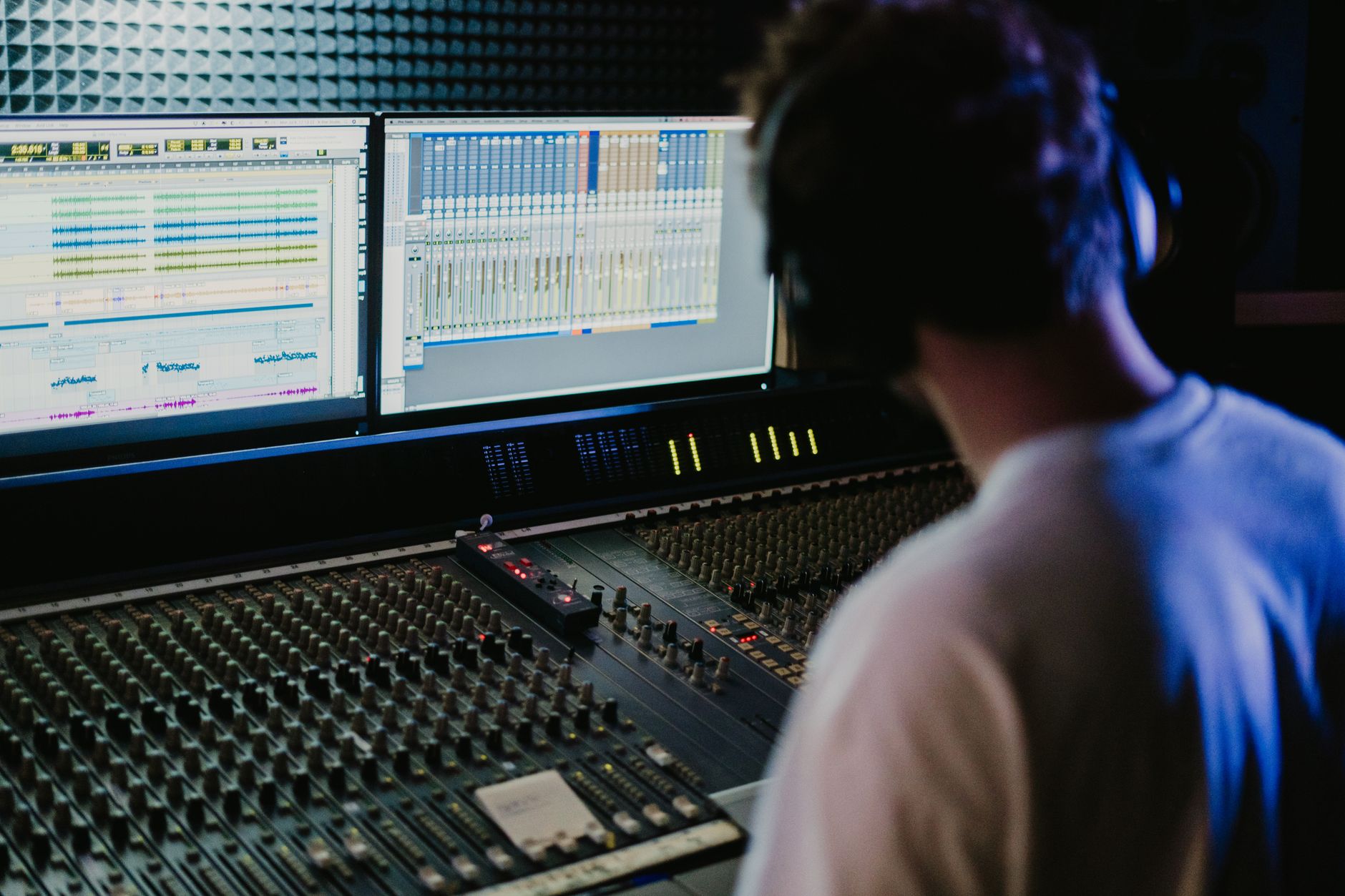
Hard Styles Songs Are Built In 4-Bar Blocks
The best hard styles songs are easy for dancers and DJs to count.
Most drops work in 4-bar calls and 8-bar answers. A 16-bar first drop, 16-bar break, 16-bar build and 32-bar main drop is not boring if the kick edits and fills hit properly. It is useful. DJs can mix it, dancers can lock into it, and the hook has space to land.
Do not overwrite every bar. One kick fill before bar 8, one fake stop before bar 16 and one new layer at bar 17 often works better than sixteen different edits. If you are studying hard styles 2022 playlists, notice how many tracks keep the phrase grid painfully obvious.
Arrangement grid that works
Start with this layout at 150 BPM: 16-bar intro, 16-bar break, 8-bar build, 16-bar drop, 8-bar mid break, 32-bar second drop, 16-bar outro. Then remove parts, not add them. A club record needs handles.
Put crash cymbals and impacts on bar 1, but keep the sub clean. Low-end effects on every transition make the first kick feel smaller.
- Use 4-bar phrases for fills and edits
- Use 8-bar phrases for energy changes
- Use 16-bar sections for DJ-friendly structure
- Save the hardest kick for the second drop
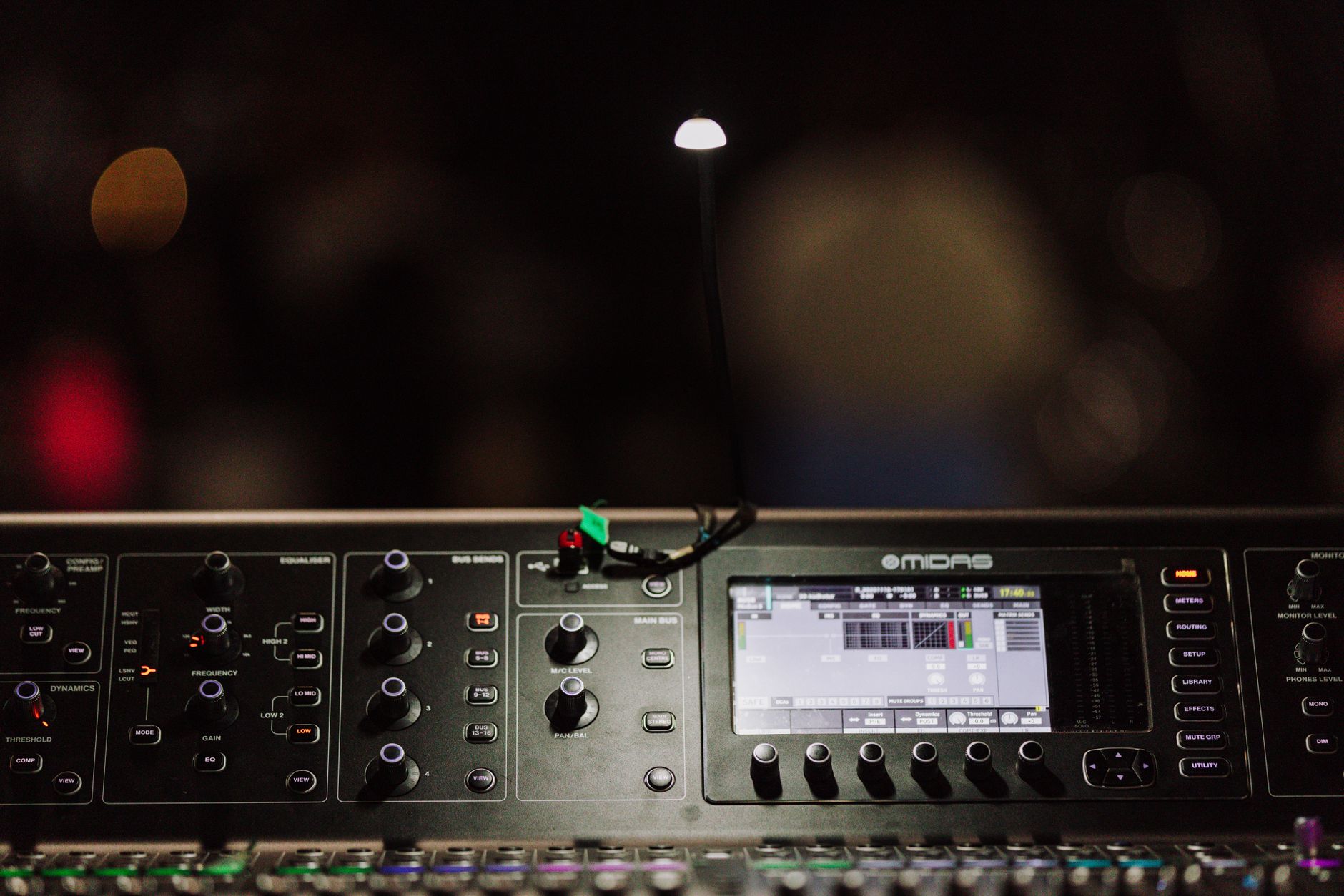
Mix Tools: Keep The Kick Huge Without Clipping
The mix should make the kick feel bigger, not turn the whole track into square-wave soup.
FabFilter Pro-Q 4 is the surgical tool here. Cut 200 to 350 Hz on leads if they fight the kick body. Use a dynamic dip around the kick tail frequency on bass layers, usually 45 to 65 Hz. Keep the kick mono below 120 Hz and check the side information with a correlation meter before you celebrate the width.
Ableton Drum Buss can help on a kick bus, but keep it modest. Drive at 5 to 15 percent, Boom tuned to the key only if the tail needs weight, and trim the output. Loud plugin chains fool everyone for ten seconds.
Gain staging numbers
Leave the pre-master peaking around -6 dB while producing. Individual synth buses can peak around -12 to -8 dB. If a clipper is part of the sound, fine, but label it and gain-match it. Blind clipping across five buses makes revisions painful.
Before export, reference at matched loudness against two hardstyle artists you actually like. Do not compare your unmastered bounce to a mastered festival rip at full volume.
- Mono low end below 120 Hz
- Cut mud around 220 to 350 Hz when needed
- Use dynamic EQ where the kick and bass collide
- Leave around -6 dB peak headroom before mastering
- Gain-match distortion and clipper choices
DJ Tools For Hard Styles Dance Sets
Rekordbox, Serato and modern CDJs make hard styles dance sets cleaner if your cues are disciplined.
Set memory cues 16 bars before every major drop, break and outro. On CDJ-3000 players, use hot cue A for the first drop, B for the break, C for the second drop and D for an emergency mix-out. Colour coding helps when the booth is dark and the previous DJ has left the monitors screaming.
Hardstyle transitions are usually about energy timing, not long silky blends. Mix drums into drums, avoid clashing pitched kick tails, and watch key changes when euphoric melodies overlap.
Set prep for hardstyle artists
Sort crates by energy, not only by BPM. A 155 BPM euphoric anthem and a 155 BPM raw kick tool can empty or explode the floor depending on placement. Mark fake drops. Mark anti-climaxes. Those are your weapons and your traps.
- Memory cue: 16 bars before the drop
- Hot cue A: first drop
- Hot cue B: main breakdown
- Hot cue C: second drop or climax
- Playlist order: melody, raw pressure, release
A Short Hard Styles List By Energy
A useful hard styles list sorts tracks by function, not by fan arguments.
Euphoric hardstyle gives you big chords, vocals and singalong hooks. Rawstyle gives you darker kicks, screeches and shorter emotional sections. Hardcore raises the tempo and reduces the space between hits. Uptempo makes the kick pattern the main hook.
For production, pick one lane before the first drop is written. Hybrid tracks can work, but a bedroom project with euphoric piano, raw screeches, hardcore tempo and pop vocals usually sounds confused. Commit early, then use one contrasting section for surprise.
Best hardstyle songs for reference
Use reference tracks for structure and tonal balance, not copying. Pick one kick reference, one lead reference and one arrangement reference. If all three are different records, your target gets clearer.
Good reference names include Headhunterz, Wildstylez, D-Block & S-te-Fan, Brennan Heart, Ran-D, Sub Zero Project, Phuture Noize and Noisecontrollers. Listen for how little low-end clutter sits between kick hits.
- Euphoric: melody-led, emotional breaks, cleaner kicks
- Rawstyle: darker tails, screeches, tougher drops
- Hardcore: faster tempo, harder transient focus
- Uptempo: extreme kick edits and shorter breathing room

Release-Ready Checks Before You Buy Or Sell
A track is not ready because the drop is loud; it is ready when the files, mix and arrangement survive boring checks.
Before sending a custom production, exporting a ghost production, or pitching a DJ tool, bounce a clean WAV, an instrumental if vocals exist, and a short preview. Check the intro and outro for clean mixing points. Label the key and BPM accurately. If the kick is pitched, make sure the stated key matches the tail, not only the breakdown chords.
Test the export in mono, in a car, on small Bluetooth speakers and at low volume. Hard records that only work loud are not finished. They are hiding problems.
Final file checklist
Export 24-bit WAV for delivery and a 320 kbps MP3 for quick review. Keep the master clean of accidental overs. A safe target for a premaster is around -6 dB peak with no limiter doing heavy work. For a mastered demo, keep true peak around -1 dB.
- Correct BPM and key in the filename or metadata
- Clean intro and outro for DJs
- No clicks on kick edits or vocal chops
- Mono-compatible low end
- Separate instrumental when vocals are used
| Tool | Best Use | Starting Setting | Watch Out For |
|---|---|---|---|
| Sonic Academy Kick 2 | Pitched hardstyle kick tails | 160 Hz down to 50 Hz pitch envelope | Overlong tails that blur fast patterns |
| D16 PunchBOX | Layered attack and distorted kick bodies | One transient, one body, one tail | Too many layers fighting the click |
| Vital | Reverse bass, screeches and wide leads | Mono sub, low-pass reverse bass around 300 Hz | Stereo low end and messy release times |
| FabFilter Pro-Q 4 | Dynamic EQ and kick-bass cleanup | Dynamic dip at 45 to 65 Hz on bass | Cutting so much that the drop loses weight |
| Cableguys ShaperBox 3 | Sidechain-style volume shaping | 40 to 80 ms release curve after each kick | Obvious pumping on melodic breakdowns |
| Ableton Drum Buss | Controlled kick bus weight | Drive 5 to 15 percent, output trimmed | Mistaking loudness for better tone |
| Rekordbox | Cue prep for hard dance DJ sets | Memory cues 16 bars before drops | Messy hot cues that slow booth decisions |
Worth a deeper read on this: Hardstyle and HARDER STYLES TOP 100.
Common questions
What are hard styles?
Hard styles are the harder branches of electronic dance music, including hardstyle, rawstyle, hardcore, uptempo and related hard dance sounds. The common traits are fast tempos, distorted or pitched kicks, dramatic build-ups and drops designed for high-energy DJ sets and festival crowds.
What are harder styles?
Harder styles is a broad scene term for aggressive dance music that sits beyond mainstream house, trance or big-room EDM in intensity. It usually includes hardstyle, hardcore, rawstyle, frenchcore and uptempo. The exact label depends on tempo, kick design, melody use and regional scene language.
Is hard style considered EDM?
Yes. Hardstyle is considered EDM because it is electronic dance music built for clubs, festivals and DJ sets. It belongs more specifically to hard dance. A typical hardstyle track uses a 150 BPM grid, synthetic leads, heavy kick design, breakdowns, build-ups and drop-focused arrangement.
What defines hard style?
Hardstyle is defined by a distorted, often pitched kick, fast 4/4 rhythm, big breakdowns, strong build-ups and high-impact drops. Euphoric hardstyle leans into melody and vocals. Rawstyle pushes darker kick tails, screeches and rougher sound design. The kick is usually the main identity of the track.
What are the top 10 hardstyle songs?
A solid starting ten: Headhunterz – Dragonborn, Showtek – FTS, Brennan Heart – Imaginary, Wildstylez – Year Of Summer, Noisecontrollers – So High, D-Block & S-te-Fan – Music Made Addict, Ran-D – Zombie, Sub Zero Project – The Project, Phuture Noize – Black Mirror Society and Coone – Times Gettin’ Hard.
How do hard styles songs differ from hardcore?
Hardstyle usually sits around 150 to 155 BPM and leaves more room for melodies, breaks and pitched kick tails. Hardcore is faster, often 165 to 180 BPM, with more relentless kick patterns and less space between impacts. Both share hard dance DNA, but the groove pressure feels different.
Final thoughts
hard styles rewards producers who make firm choices early: one kick identity, one bass lane, one clear arrangement grid and a mix that does not collapse when the limiter comes off.
Start with the kick and tail tuning before you chase leads. Build the drop in 4-bar blocks. Keep the low end mono, carve the 200 to 350 Hz mud only when you hear it, and prepare DJ cues like someone will play the track in a dark booth at 2 a.m.
For your next session, pick one reference track, build one kick in Kick 2 or PunchBOX, then write a 16-bar drop before touching the breakdown.
My Career makes videos from your own track and posts them for you, pitches your release to 34,000+ labels, playlists, radio stations, YouTube channels and blogs, puts it in every store and briefs you every morning. Free plan, no card, two minutes to set up.