
 By Alex Mercer · November 18, 2026
Key takeaways
- The REV7 is still the strongest scratch controller here because the moving platters and battle layout feel connected.
- The Rane One is the practical cheaper rival if motorised decks matter more than screens.
- The DDJ-FLX10 is the smarter 2026 choice for stems, four-channel sets and rekordbox users.
- The DDJ-REV5 gives artist-DJs a strong performance workflow without the weight or price of motors.
- Do not pay REV7 money unless platter feel is central to how you practise and perform.
The pioneer rev 7 still makes sense in 2026 if you want motorised platters, but it is no longer the lazy default for scratch-style controller DJs.
The pioneer rev 7 now has to fight harder against the Rane One, DDJ-FLX10 and DDJ-REV5. Serato Stems are better than they were two years ago, rekordbox 7 changed the software conversation, and younger DJs are asking whether spinning platters matter when track separation, four-deck control and lighter rigs exist.
My take is blunt: the REV7 is still the best controller here for turntablist feel and battle layout. It is not the best value for every open-format DJ, and it is not the smartest pick if your sets lean on stems, mashups and custom edits more than scratching.
Pioneer rev 7 vs Rane One vs DDJ-FLX10 vs REV5
This is not a fair fight if you only compare spec sheets. The REV7 and Rane One chase real platter movement. The DDJ-FLX10 chases club layout, four-channel mixing and software flexibility. The DDJ-REV5 cuts the cost and keeps the battle shape, but drops the motorised decks.
The four-controller frame
The REV7 is a 2-channel Serato controller built around 7-inch motorised platters, a battle mixer layout and onboard displays in the jogs. The Rane One is its closest rival because it also gives you spinning platters and a scratch-first surface.
The FLX10 is the grown-up club option: four channels, rekordbox and Serato support, and better stem control from the panel. The REV5 is the cheaper scratch-layout option for DJs who like the REV shape but do not need a platter motor under their fingers.
What changed in 2026
Two things changed the buying decision. First, Serato Stems moved from novelty to normal workflow for open-format DJs. Second, AlphaTheta has pushed newer rekordbox-focused hardware, so buyers now expect more direct stem and software control for the money.
That makes the pioneer rev 7 feel more specialised than it did at launch. Specialised is not bad. It just means you should only pay REV7 money if the platter feel is central to your style.
- Pick the REV7 if scratching, juggles and battle layout come first.
- Pick the Rane One if you want motorised platters for less money.
- Pick the FLX10 if stems, four channels and club handover matter.
- Pick the REV5 if you want the REV shape without the heavy price.

Deck Feel: Motor Torque Beats Big Jog Wheels
A scratch controller lives or dies under the hand. Latency, platter weight and stop response matter more than another row of pad modes.
How the pioneer rev 7 handles the touch point
The REV7 wins on physical feedback. The 7-inch motorised platters use real vinyl-style slip sheets, so baby scratches, chirps and transforms feel closer to a compact turntable than a static jog wheel. You can run 33 or 45 rpm, and that matters if your muscle memory comes from Technics-style practice.
The stop/start response also feels confident. Set your Serato audio buffer around 5 ms if your laptop can take it, or 10 ms if you are running stems and streaming analysis in the background. Below that, stability beats bragging rights.
How Rane One, FLX10 and REV5 answer
The Rane One is the only real physical threat. Its motorised platters feel strong, and some scratch DJs prefer the slightly heavier Rane character. I still give the REV7 the edge because the pad placement, mixer section and jog displays make it feel more like one integrated battle instrument.
The FLX10 and REV5 cannot fake motor torque. Their jogs are accurate, but they do not push back. For blends, loops and hot cue routines, fine. For flares and beat juggling, no contest.
- Use 33 rpm for tighter scratch control and familiar turntable timing.
- Use 45 rpm if you want quicker platter response for fast cuts.
- Keep Serato buffer at 5 to 10 ms before blaming the controller.
- Replace worn slip sheets before judging platter drag.
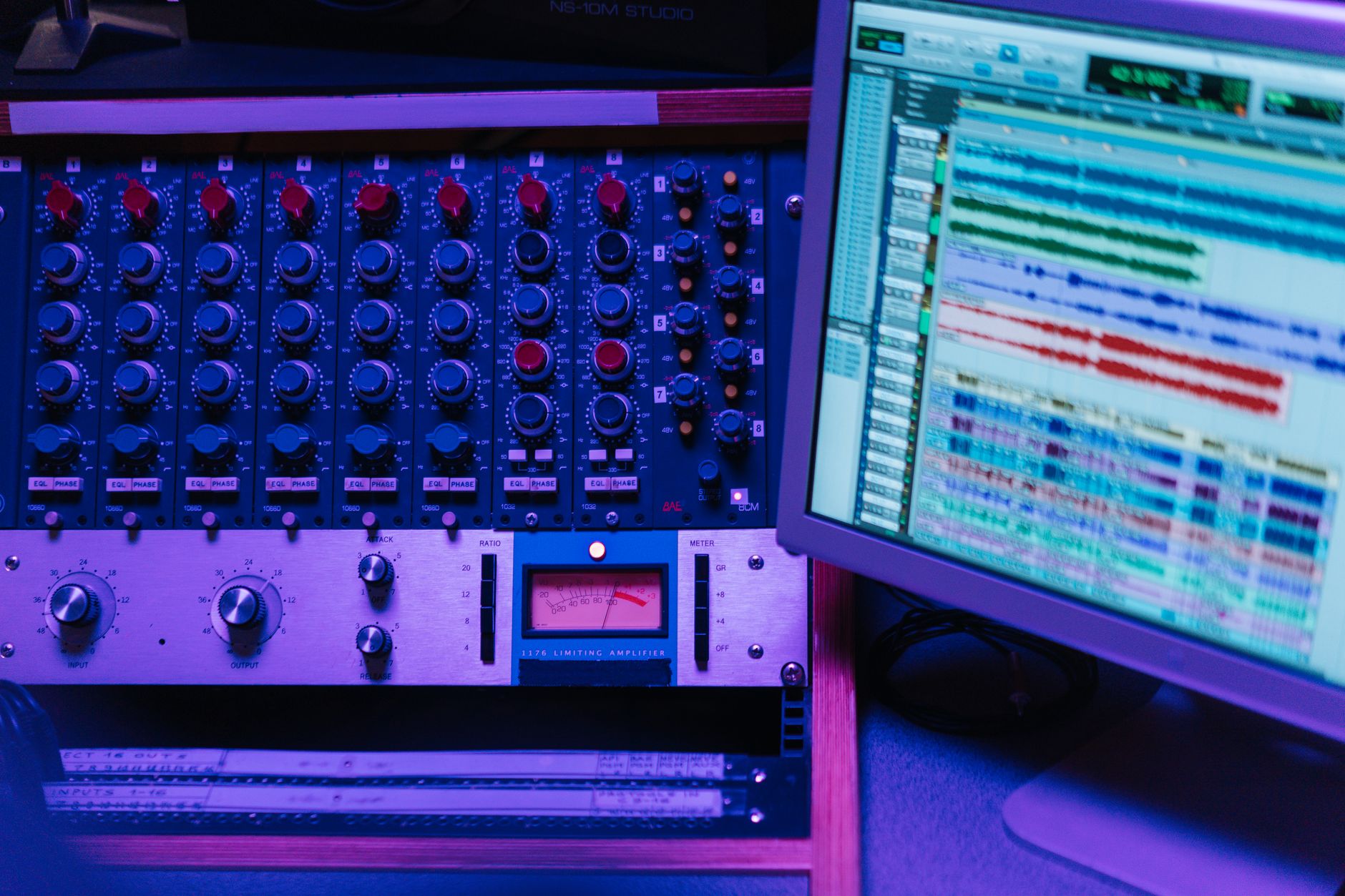
Stems and Software: Serato Comfort vs Rekordbox Reach
Stems changed this comparison. A scratch controller used to be judged mainly by the platter and crossfader. Now the software layer can decide how clean your live mashups feel.
REV7 and Rane One in Serato
The pioneer rev 7 does not have standalone stems processing. Stems run on the laptop through Serato DJ Pro, and the controller can trigger stem functions through performance pads or mapping, depending on your setup. That is fine for vocals, drums and instrumental drops, but you need a strong machine.
If you play custom edits, premixed hooks or ghost-produced versions with clean intros, prepare your crates. Analyse tracks before the set, keep your library local, and avoid loading four stem-heavy tracks while recording video on the same laptop.
FLX10 and REV5 for stem-heavy DJs
The FLX10 is stronger for stem-led sets because it was built for rekordbox Track Separation and Serato use with more direct control. If you cut vocals from house records, isolate drums for transitions and run four-deck layering, the FLX10 makes more sense than a REV7.
The REV5 also deserves credit. It is cheaper, Serato-friendly and gives performance DJs a modern pad workflow. It does not feel as serious for scratching, but for TikTok-style routines, open-format edits and quick vocal mutes, it is more current than its price suggests.
- For Serato Stems, use a modern Apple Silicon or recent i7/i9 laptop.
- Analyse key, BPM and beatgrids before the gig, not during it.
- Map stems to pads only if you can hit them without looking down.
- For four-deck stem blends, the FLX10 is the cleaner tool.

Mixer Layout, Inputs and Performance Pads
The REV7 looks expensive until you use the centre section properly. Then the price starts making sense for scratch DJs, but not for everyone.
REV7 as a battle surface
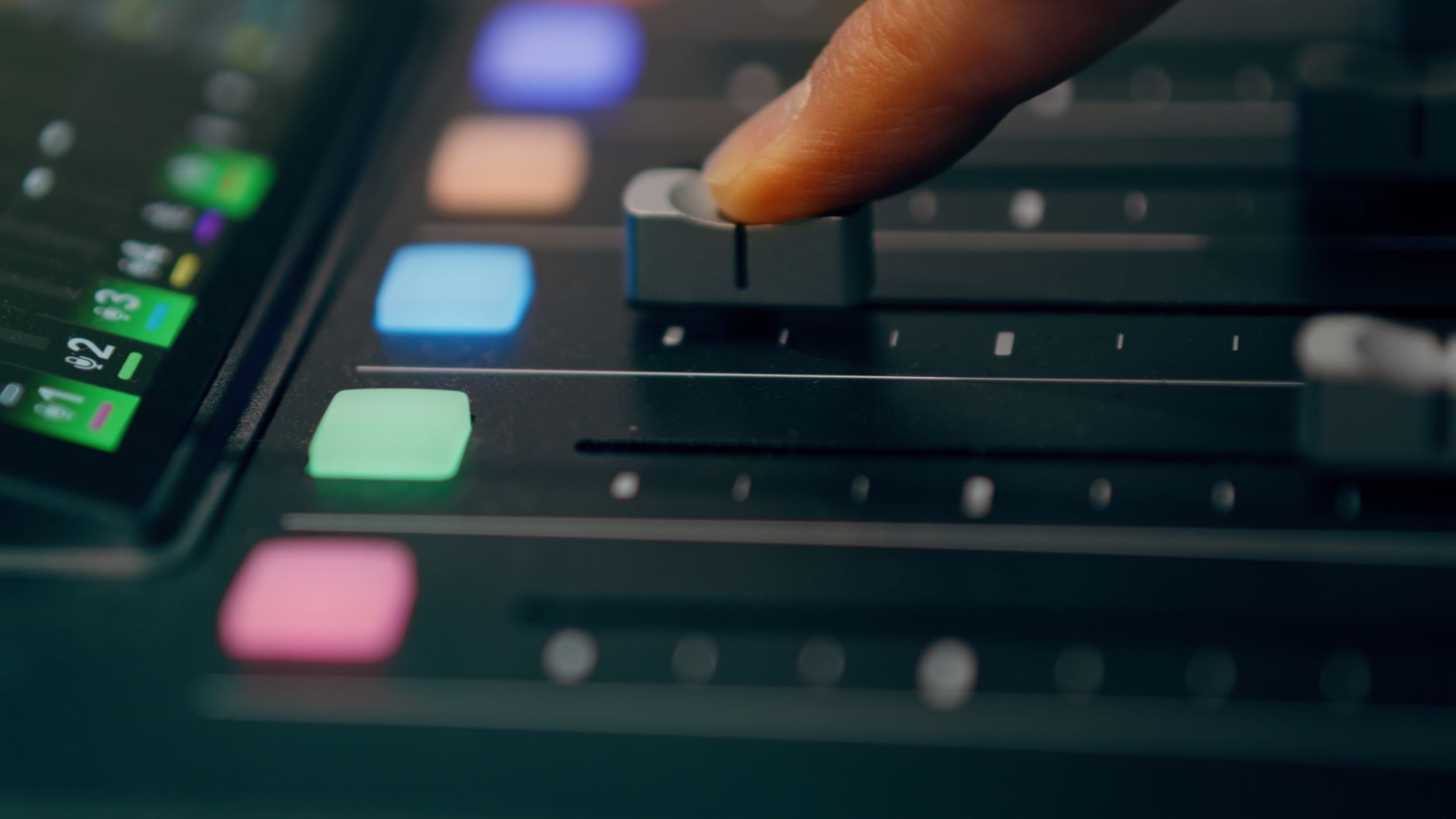
The MAGVEL FADER PRO crossfader is the point. Set the cut-in tight, keep the curve sharp, and the controller rewards clean hand technique. The pads sit above the platters, matching battle orientation, so hot cues, rolls and samples stay reachable while your hands are in scratch position.
The onboard jog displays are useful, not decoration. Waveform position, deck status and artwork reduce laptop staring. For a bedroom DJ trying to build muscle memory, that matters.
Where the rivals are better
The Rane One gives you a tough mixer feel, but its screen feedback is not as helpful. The FLX10 beats both for four-channel control, long blend sets and club-style transitions. If you mix your own productions with acapellas, instrumentals and drum tools, four channels are not a luxury.
The REV5 is the lightest-feeling option here, but it is fast. Pads, stems and performance tricks are easier to reach than on many club-layout controllers. I would not choose it for heavy scratch practice, but I would choose it over the REV7 for portable content routines.
- REV7: best battle layout and fader feel.
- Rane One: strong motorised alternative with a rugged surface.
- FLX10: best for four-channel club mixing and stem layers.
- REV5: best budget pick for performance-pad routines.
Price, Portability and the Clear Buy
Street prices move, but the pattern is stable. The REV7 usually sits near the top of this controller group, the Rane One often lands below it, the FLX10 sits in the serious mid-high bracket, and the REV5 is the obvious value option.
Who should pay for the REV7
Buy the pioneer rev 7 if you practise scratches for real, want Serato, and like the battle layout enough to build your whole workflow around it. It is also the cleanest pick if you want one controller for bedroom practice, livestream sets and small events where bringing turntables is annoying.
Do not buy it because it looks premium. Buy it because moving platters change how you play.
Who should skip it
Choose the FLX10 if your sets are built around long blends, four decks, rekordbox libraries or stem transitions. Choose the Rane One if you want motorised feel but need to keep more budget for headphones, music and a proper flight case.
Choose the REV5 if you are an artist-DJ making short routines around your own tracks, edits and custom versions. It gives you more than enough control without the weight and cost of motors.
- Best scratch pick: REV7.
- Best cheaper motorised pick: Rane One.
- Best stem and four-channel pick: DDJ-FLX10.
- Best value performance pick: DDJ-REV5.
| Controller | Best For | Main Strength | Main Weak Spot |
|---|---|---|---|
| Pioneer DJ DDJ-REV7 | Serato scratch DJs and battle-layout practice | 7-inch motorised platters, MAGVEL FADER PRO and jog displays | High price and only 2-channel controller workflow |
| Rane One | DJs wanting motorised platters for less | Strong platter feel and rugged Serato workflow | Less useful visual feedback than the REV7 |
| Pioneer DJ DDJ-FLX10 | Open-format DJs, rekordbox users and stem-heavy sets | Four channels, rekordbox and Serato support, direct stem workflow | No motorised platter feel for serious scratching |
| Pioneer DJ DDJ-REV5 | Budget performance routines and portable Serato sets | Modern pads, stems workflow and scratch-style layout | Static jogs do not replace moving platters |
| Best 2026 choice | Depends on your set style, not hype | REV7 wins for touch, FLX10 wins for stems | Buying the wrong layout slows practice fast |
Further reading
- DDJ — pioneerdj.com
Frequently asked questions
When did the pioneer rev 7 come out?
The Pioneer DJ DDJ-REV7 was announced in January 2022. It arrived as a professional 2-channel Serato DJ Pro controller with motorised 7-inch platters, a scratch-style layout and onboard jog displays aimed at DJs who wanted a turntable-style feel without a full decks-and-mixer setup.
How much is the Pioneer Rev 7?
Typical new pricing has sat around $1,999 in the US, with UK and EU prices varying by retailer, tax and stock. Used prices can be much lower, but check platter condition, fader wear, power supply, knobs and USB stability before saving a few hundred.
Will Pioneer come out with a new Rev 7?
No official REV7 replacement has been announced as of 2026. AlphaTheta, the company behind Pioneer DJ products, has released newer controllers since the REV7, but that does not confirm a REV7 successor. Buy based on what exists now, not rumours.
Does the Pioneer Rev 7 have stems?
The REV7 can control stems through Serato DJ Pro, but the stem separation is processed by your laptop, not inside the controller. It does not have the same direct stem-focused workflow as the DDJ-FLX10, so stem-heavy DJs should test the layout before buying.
Conclusion
The pioneer rev 7 is still the controller I would pick for serious Serato scratch practice in 2026. The platter response, fader feel and battle layout beat the Rane One by a small but real margin, and they beat the FLX10 and REV5 easily for turntablist work.
For stem-heavy open-format sets, I would not buy it. The FLX10 is cleaner for that job. For budget motorised decks, the Rane One is the sensible compromise. For portable content routines, the REV5 is hard to ignore.
Try a 30-minute test before you decide: scratch on the same vocal stab, run one stem transition, then record a 10-minute routine. The right controller will show itself fast.
My Career makes videos from your own track and posts them for you, pitches your release to 34,000+ labels, playlists, radio stations, YouTube channels and blogs, puts it in every store and briefs you every morning. Free plan, no card, two minutes to set up.