

 By TGP Production Desk · November 18, 2026
Bad hot cue strategies make a good set feel jumpy, because every button press becomes a guess instead of a decision. The fix is not more hot cue strategies. It is fewer, better-labeled cues that mean the same thing across every track you play.
If blue means intro on one track and vocal hook on the next, your hands will betray you at 1:30 a.m. Use cues like road signs: intro, mix-in, vocal danger, breakdown, drop, safe loop, routine hit. Rekordbox, Serato DJ Pro and Traktor Pro all handle this slightly differently, but the musical logic should stay the same. Once your system is consistent, you stop staring at waveforms and start listening again.
Why Do My Hot Cue Strategies Make Mixes Sound Messy?
Messy cueing usually comes from treating hot cues like bookmarks. A bookmark says, “something happens here.” A useful cue says, “do this here.” That difference matters when you have eight seconds to get out of a clashing vocal.
Use one cue language across your whole library. If Cue A is always the first clean downbeat, your muscle memory builds fast. If Cue A changes meaning every track, you are basically reading notes while driving.
The Hot Cue Strategies Problem Is Usually Too Many Colors
Eight cue pads do not mean you need eight cues on every song. For most club records, four strong cues beat eight vague ones. I use this base map before genre tweaks:
- A: first clean intro downbeat, usually 16 or 32 bars before the first main phrase.
- B: main drop or first full groove.
- C: vocal entry, hook, rap start or any section that must not clash.
- D: breakdown or energy dip.
- E: safe 4 or 8-bar emergency loop.
Leave empty pads empty. Silence on the controller is better than fake information.
- Cue only phrase starts, not random waveform spikes.
- Use the same pad position for the same musical job.
- Mark vocals before you mark fancy routine points.
- Keep at least one cue reserved for a clean escape.
- Delete cues you would not trust in a dark booth.
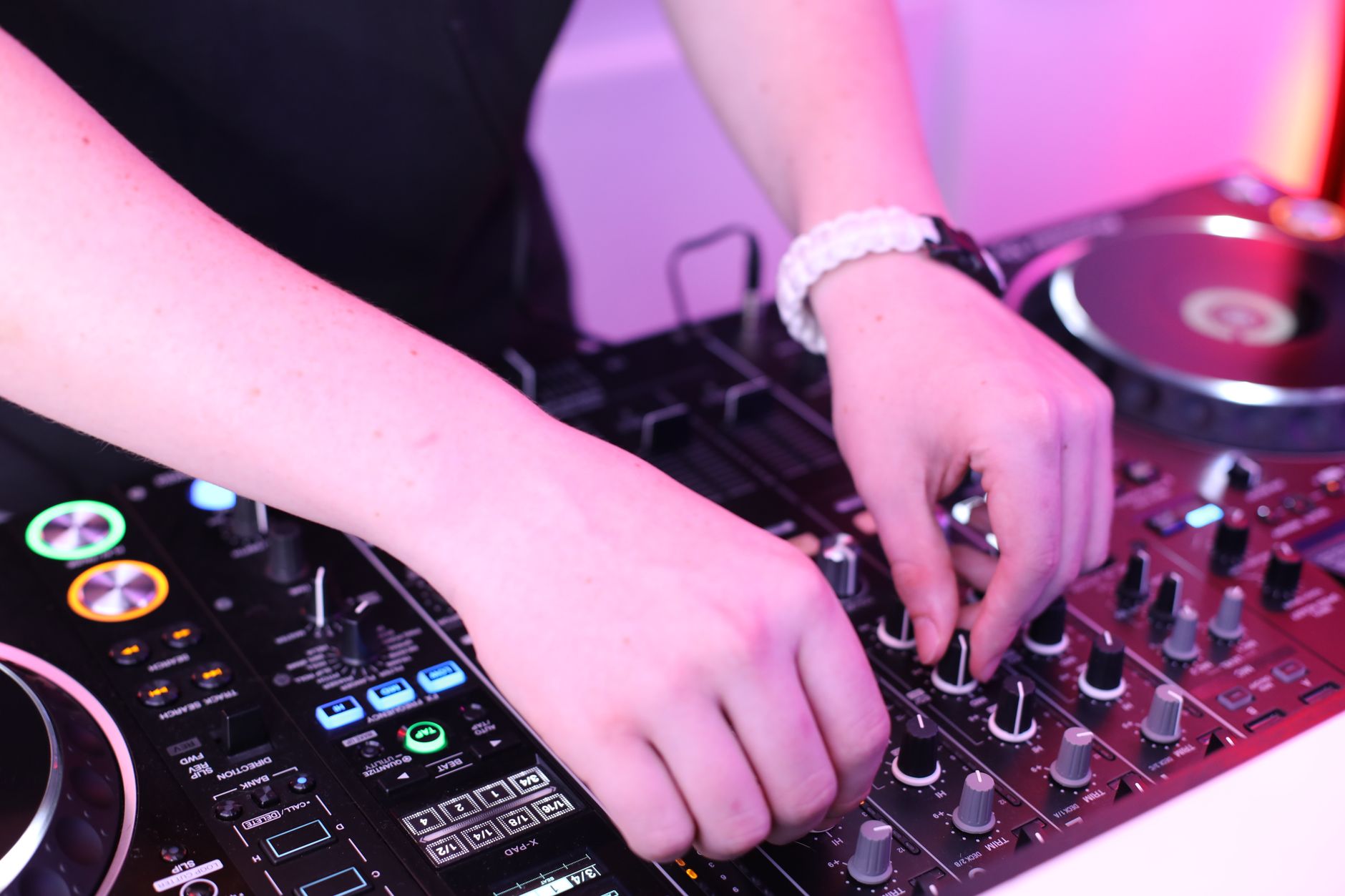
Where Should I Place Cues in House, Techno and Trance?
Four-on-the-floor music rewards phrase discipline. Most house, techno and trance records speak in 8, 16 and 32-bar blocks, so your cue points should land where the arrangement actually turns.
Do not cue the first kick if it is part of a DJ intro with no musical identity. Cue the first downbeat of the usable mix-in phrase, then mark the real energy changes.
Use Phrase Cues, Not Waveform Cues
For house and melodic techno, put Cue A 32 bars before the first drop if the intro has drums only. If the track opens with pads or vocals, put Cue A at the first beat you would confidently bring in under another record.
For trance, mark the breakdown separately. Cue D should sit at the start of the breakdown, not halfway through the build. Cue B belongs on the first full drop after the build, where kick, bass and lead hit together.
- House: A intro, B groove/drop, C vocal hook, D breakdown, E 8-bar drum loop.
- Techno: A first kick phrase, B main tool groove, C percussion change, D stripped section, E 16-beat loop.
- Trance: A DJ intro, B first drop, C vocal or lead theme, D breakdown, E outro loop.
- Count 32 bars from the drop back into the intro.
- Mark the first full bass entry, not every small build.
- Keep breakdown cues away from snare-roll clutter.
- Use an outro loop when the arrangement gets too melodic.
- On CDJ-3000 players, check your memory cues before relying on hot cues.

How Should Hip-Hop, Pop and Open-Format Tracks Be Cued?
Open-format DJing punishes lazy cue placement faster than techno does. Vocals arrive early, choruses are short, and a bad button press can put two hooks on top of each other.
Here, hot cues are less about long blends and more about clean entry points, hook jumps and fast exits. The vocal map matters more than the drum map.
Mark Vocal Danger Before Drops
For hip-hop, Cue A should often be the first usable beat before the verse, not the very start of the file. Cue B can be the hook. Cue C should be the first verse if the track has a long intro tag, skit or radio build.
For pop, mark the chorus and the post-chorus separately if they feel like different energy levels. If a track has a 2-bar pre-chorus that always tricks you, give it a cue. That is not over-prepping. That is protecting the mix.
- Hip-hop: A clean beat intro, B hook, C verse start, D instrumental break, E 4-bar drum loop.
- Pop: A first beat, B chorus, C vocal start, D breakdown or bridge, E outro phrase.
- Open-format edits: A intro edit start, B party hook, C acapella risk, D transition outro, E panic loop.
- Cue the first lyric when vocals start before the bar feels obvious.
- Use one color for every vocal warning across the library.
- Mark radio edits differently from extended edits.
- Avoid placing hot cues on crowd-noise intros.
- Keep a 4-bar loop ready for tracks with no DJ-friendly outro.
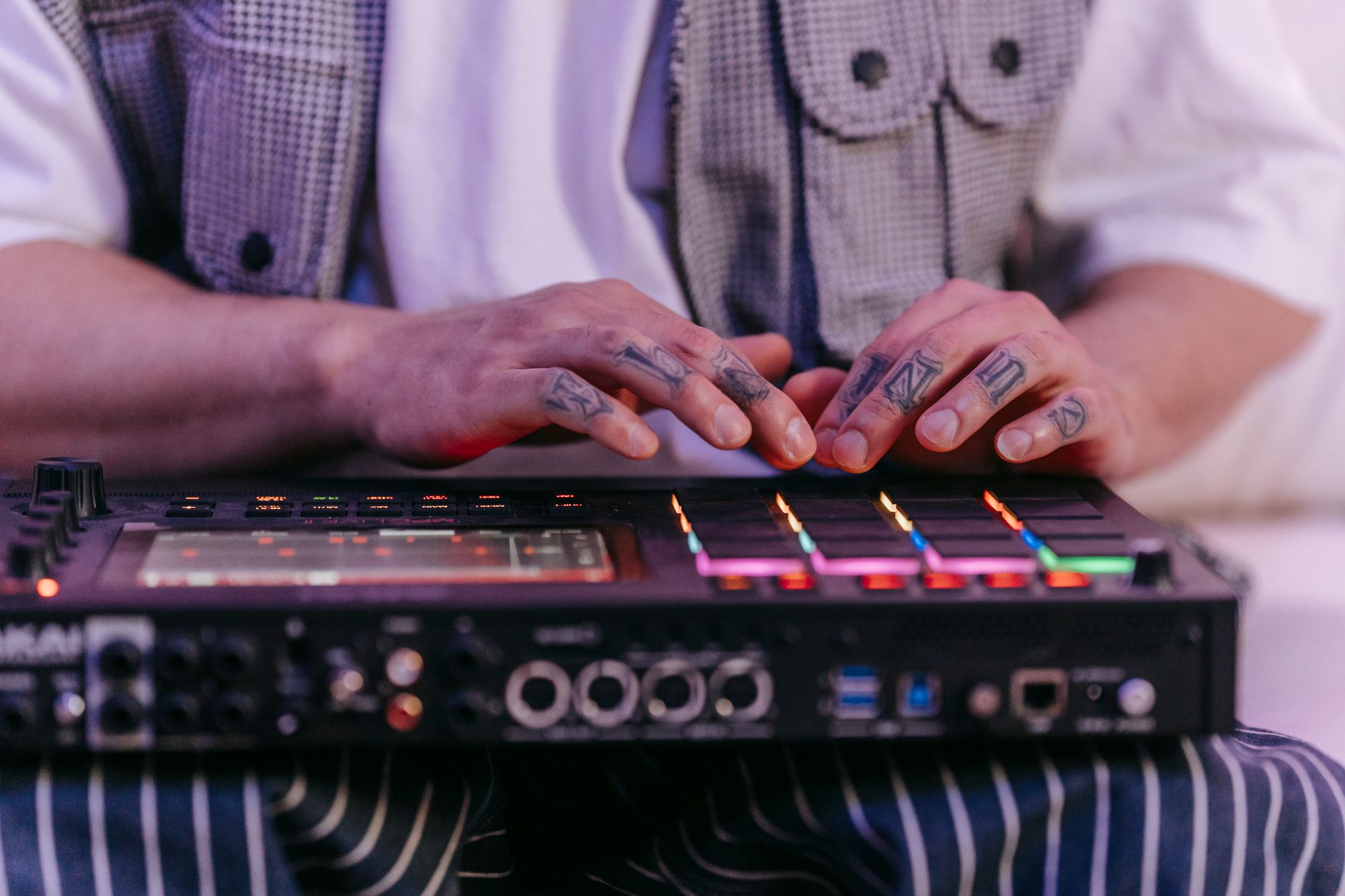
What Changes for Drum and Bass, Dubstep and Bass Music?
Bass music needs a more aggressive cue map because transitions happen around impact points. The crowd hears the drop as a hard line, not a gentle blend target.
Your cues should separate the tease, the first drop, the switch-up and the escape route. If those are not distinct, your double drops turn into traffic jams.
Build Around Impact and Switch-Ups
For drum and bass, Cue A is usually 16 or 32 bars before the drop. Cue B lands on the drop. Cue C should mark the second drop or switch if the bass pattern changes hard after 16 bars. Cue D marks a breakdown you can use for a reset.
For dubstep and trap, put Cue B on the main drop, but mark the fake drop or pre-drop vocal separately. That one shout, breath or silence can be gold in a routine, but it is dangerous if you mistake it for the real hit.
- Drum and bass: A 32-bar build, B drop, C 16-bar switch, D breakdown, E rolling loop.
- Dubstep: A intro phrase, B drop, C pre-drop vocal, D second drop, E drum-only loop.
- Trap: A chant or intro beat, B 808 drop, C vocal hook, D half-time break, E outro loop.
- Use drop cues only on true impact points.
- Mark pre-drop vocals if you use them for cuts.
- Keep switch-up cues 16 bars after the first drop when possible.
- Use loops on drums, not wide bass wobbles.
- Test double-drop cues at home with sync turned off once.

How Do Rekordbox, Serato and Traktor Change the Workflow?
The musical system stays the same, but the software habits change. Rekordbox is strongest when you prep for club USB use. Serato DJ Pro feels fast for controller routines. Traktor Pro rewards careful grid and remix-style thinking.
Do not rebuild your cue language for each platform. Translate it. A means intro everywhere. B means drop everywhere. Your hands should not care what laptop is plugged in.
Set the Grid First, Then Trust the Pads
In Rekordbox, fix the beatgrid before dropping cue points, especially on old disco edits, vinyl rips and live-drum tracks. Export to USB and test on a CDJ-3000 or similar player if you play club booths. Hot cues that feel perfect on a laptop can expose grid mistakes on hardware.
In Serato, use colored cue points for performance memory: red for danger vocals, green for drops, blue for intros. In Traktor, keep hotcues tied to grid, load and loop behavior. If your grid marker is wrong, every clever cue after it becomes suspect.
- Rekordbox: check Memory Cues and Hot Cues separately before exporting.
- Serato: keep cue colors consistent across crates.
- Traktor: verify grid markers before setting loop cues.
- All platforms: test cues in headphones, not just visually.
- Back up your library before mass-editing cue colors.
Can Hot Cues Become Performance Routines Instead of Bookmarks?
Yes, but only after the survival cues are handled. Performance cues should sit after your intro, drop, vocal and emergency loop cues, not replace them.
The best routines are simple enough to survive club volume. If a routine needs perfect finger drumming, exact beat jump timing and a quiet booth, it is not a routine yet. It is homework.
Separate Rescue Cues From Show-Off Cues
Use Cue F, G and H for performance hits: a pre-drop vocal stab, a snare fill, a clean one-shot phrase or a second drop jump. Keep Cue E as your emergency loop. That way, even when a routine goes sideways, your hand knows where the exit lives.
For emergency loops, choose boring sections. Four bars of drums beat four bars of lead synth every time. In Rekordbox and Serato, save a 4 or 8-bar loop where the kick is stable and the bass does not fight the next track. In Traktor, store it as a loop cue and check that it recalls tightly.
- Keep Cue E as the rescue loop across every genre.
- Use F to H for routines only after the main map is done.
- Build routines around 1-bar or 2-bar phrases first.
- Avoid looping vocals unless you want the crowd to notice the loop.
- Practice every routine once with the screen brightness turned down.
| Platform | Best Use | Check This First | Cue Habit |
|---|---|---|---|
| Rekordbox | Club USB prep and CDJ workflows | Beatgrid, Memory Cues and export settings | Use A to E for intro, drop, vocal, breakdown and loop |
| Serato DJ Pro | Controller routines and fast open-format sets | Cue colors, saved loops and crate consistency | Keep vocal warnings bright and performance hits on later pads |
| Traktor Pro | Grid-locked mixing and loop cue control | Grid marker and loop recall behavior | Use loop cues for safe exits and keep load markers separate |
Worth a deeper read: Creative ways to use hotcues?.
Questions producers actually ask
What are the best hot cue strategies for beginners?
Start with five cues: intro, drop, vocal start, breakdown and emergency loop. Use the same pad positions on every track. Beginners usually add too many cues too early, then freeze when the set gets busy. A smaller, consistent map builds confidence faster.
Should I set hot cues before or after beatgridding?
Set the beatgrid first. If the grid is wrong, your cues may look close but land late, especially on loops and beat jumps. This matters most in Rekordbox exports, Traktor loop cues and older tracks with live drumming or loose timing.
How many hot cues should a DJ use per track?
Most tracks need four to six hot cues. Extended club tracks may need fewer because the arrangement is obvious. Pop, hip-hop and bass music may need more because vocals, edits and drops arrive quickly. Empty pads are fine when the track does not need them.
Are hot cues better than memory cues in Rekordbox?
They do different jobs. Hot cues are for performance and fast jumps. Memory cues are better for reminders, phrase markers and CDJ navigation. For clean Rekordbox prep, use memory cues to map structure and hot cues for actions you may trigger live.
What to remember
- Use hot cues as action points, not vague bookmarks.
- Keep cue meanings consistent across Rekordbox, Serato and Traktor.
- Genre matters: house needs phrase cues, open-format needs vocal warnings, bass music needs impact cues.
- Reserve one cue for an emergency loop on every track.
- Performance routines should sit after your survival cues, never replace them.
Wrapping up
Clean DJ sets come from repeatable decisions. Your hot cue strategies should tell you where to enter, where the vocal risk starts, where the energy changes, and where you can escape if the room shifts. That is more useful than decorating every waveform with colored markers.
Take ten tracks from your next set and rebuild them with the same A to E system: intro, drop, vocal, breakdown, emergency loop. Then play those tracks without staring at the laptop. If your hands know what each pad means, the mix will feel calmer immediately. Try that before adding another crate, edit or routine.
My Career makes videos from your own track and posts them for you, pitches your release to 34,000+ labels, playlists, radio stations, YouTube channels and blogs, puts it in every store and briefs you every morning. Free plan, no card, two minutes to set up.


