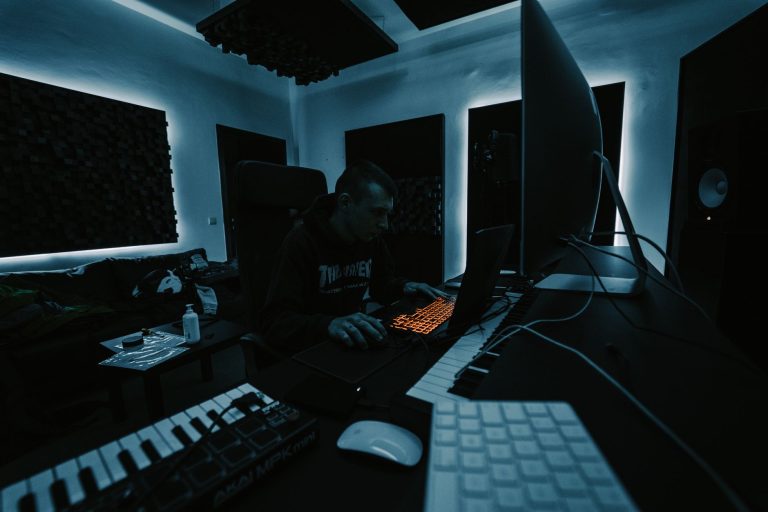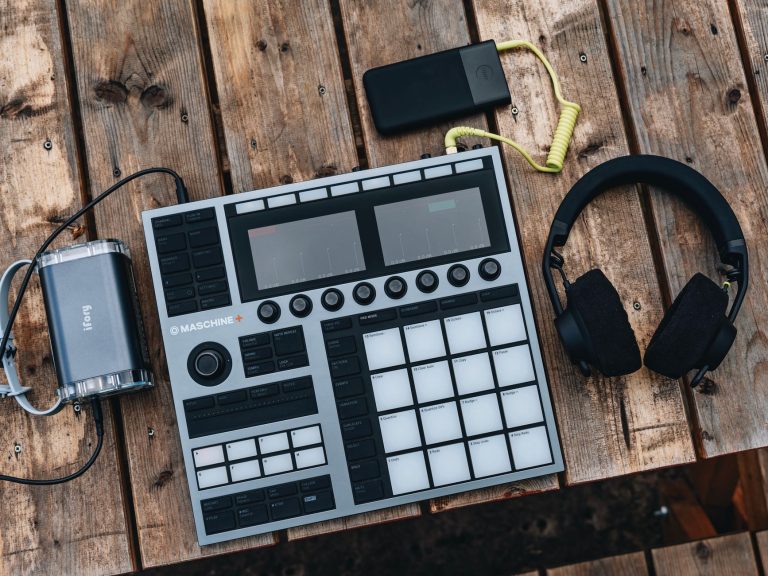
Key takeaways
- Protect sleep, recovery, and relationships before filling the calendar with music work.
- Use 90-minute sessions with one clear target instead of vague marathon studio days.
- Keep ear fatigue under control with lower monitoring levels and regular silence.
- Outsource technical bottlenecks when they block the record, not when they replace your taste.
- Separate DJ practice, production, mixing, and release admin into different work modes.
- Review the week every Sunday and adjust the routine before burnout makes the decision for you.
Music life balance gets real when your best loop happens at 1:12 a.m. and your alarm still goes off at 7.
Without music life balance, the thing you love starts acting like a second bad job. Aspiring DJs overbook practice. Bedroom producers polish kick drums for four hours and skip dinner. Artists waiting on ghost production or custom music production can lose weeks because every decision feels urgent.
The fix is not a soft productivity poster. It is a working system: time blocks, energy rules, templates, honest budgets, and knowing when to stop tweaking. Use these habits like session markers in Ableton Live or Rekordbox cue points. Jump to the part that hurts right now, fix that one leak, then get back to making records.
1. Treat music life balance Like a Booking
If your calendar only protects gigs and deadlines, your life will always lose to the track.
Real music life balance starts when sleep, meals, work shifts, gym time, and relationships sit on the calendar before studio sessions. Not after. A Friday night DJ set on a CDJ-3000 pair is obvious work. So is the recovery block after it. If you ignore that, your Sunday mix session turns into stale ears and bad EQ calls.
A music life balance rule that actually holds
Book creative time in fixed blocks. Two 90-minute sessions beat one vague six-hour grind. Put them in Google Calendar with the same seriousness as a client call.
Your music life balance improves fastest when every block has a job. One block for digging promos. One for arranging. One for mix notes. No bouncing between Serum 2 presets, Instagram, and half-written toplines.
- Block recovery after late DJ sets.
- Keep one night per week fully music-free.
- Use 90-minute studio slots with one clear target.
- Stop scheduling creative work after heavy life admin.
- Treat sleep like a paid technical requirement.
2. Build 90-Minute Sessions, Not Marathon Myths
Long sessions feel serious, but most producers do their best work before fatigue starts lying to them.
A clean 90-minute block is enough to build an eight-bar groove, prep a Rekordbox playlist, write a drop, or fix a vocal chain. It is not enough to write, mix, master, brand, upload, and rethink your whole identity. That is the point.
Use one session target
Pick a target before opening the DAW: kick and bass balance, 4-bar transition, vocal comp, or reference check. If you use Ableton Push 3, keep the computer screen closed for the first 20 minutes and sketch with your hands.
This is music life balance in practice: less time pretending to work, more time finishing one piece of the record. End the block by writing the next action in a Notes app or on paper. Make tomorrow easy.
- First 10 minutes: open project, set target, check references.
- Middle 65 minutes: make only target-related decisions.
- Last 15 minutes: bounce, label, back up, write next action.
- No plugin shopping during writing blocks.
- No mastering decisions after midnight.
3. Protect Your Ears Before Your Mix Protects You
Tired ears turn small mix problems into stupid life problems.
music life balance includes hearing health. If you monitor loud all night, your low end judgment goes soft first. Then you add 3 dB at 60 Hz, carve too much at 220 Hz, and wake up to a mix that folds on a club rig. Keep a cheap SPL meter app nearby and aim for around 75 to 80 dB for normal work.
Ear fatigue has a sound
You start boosting top end because everything feels dull. You over-compress because the track feels small. You chase width with mid/side EQ when the real issue is tired perception.
Use reference tracks at matched loudness. Drop a FabFilter Pro-Q 4 analyzer on your mix bus only as a reality check, not as a steering wheel. Take five minutes every hour. Silence is a tool.
- Keep mix work near 75 to 80 dB SPL.
- Use earplugs at clubs, even during your own set.
- Take five quiet minutes every hour.
- Reference at matched loudness, not louder.
- Avoid detailed EQ after a long night out.

4. Keep Money Pressure Out of Creative Decisions
If every loop has to pay rent, you will overthink every loop.
music life balance gets harder when money is vague. DJs buy a Pioneer DDJ-FLX10 on credit, producers grab every plugin sale, and artists spend half a release budget on artwork before the mix works. The pressure leaks straight into the session.
Separate tools from panic buys
Set a monthly music budget. Boring, yes. Useful, absolutely. Decide what goes to gear, promotion, sample packs, mastering, custom music production, or session musicians before the month starts.
A real music life balance budget stops you from buying Soothe2 because a YouTuber made harsh vocals look easy. If the problem is a bad recording, no resonance suppressor will save it. Spend where the bottleneck actually is.
- Cap plugin spending before browsing sales.
- Budget for mastering before release week.
- Track promo costs separately from gear costs.
- Rent or borrow hardware before buying it.
- Pay for help when it saves weeks, not hours.
5. Use Templates So Starting Takes Less Willpower
A good template removes the boring decisions that drain you before the song starts.
music life balance is easier when your DAW opens ready. Build templates for your actual work, not fantasy sessions. A tech house template might include kick, clap, hat, percussion, bass, two synth buses, vocal chops, returns for short plate and eighth-note delay, plus a sidechain trigger track muted from the master.
Templates are not cheating
They are session hygiene. Put FabFilter Pro-Q 4 on core buses, Utility on every group, and a gain-staging meter on the master. Leave -6 dB headroom. Color-code drums, bass, music, vocals, and FX.
Your music life balance improves because setup friction disappears. You stop spending 25 minutes routing returns and start making the record. Save separate templates for writing, mixing, DJ edits, and vocal production.
- One writing template with fast sketch tools.
- One mixing template with meters and buses.
- One DJ edit template with warp markers ready.
- One vocal template with clean comping lanes.
- One blank template for sound design days.

6. Separate Practice, Production, and Release Work
Mixing a DJ set, writing a track, and planning a release are different jobs.
music life balance breaks when you treat them as one blob called music. Beatmatching practice needs repetition. Production needs problem-solving. Release work needs admin. Switching between those modes every 12 minutes burns more energy than the work itself.
The music life balance trap is mode switching
Keep separate days or blocks. Monday can be track arrangement. Wednesday can be DJ practice on Rekordbox or Serato. Saturday morning can be release admin: metadata, distributor checks, playlist research, and email follow-ups.
For DJ practice, record 30 minutes and listen back once. No self-torture. For production, export rough bounces after every major change. For release admin, use a checklist so you do not rewrite the bio for the sixth time.
- Practice blocks build muscle memory.
- Production blocks solve musical problems.
- Mix blocks need rested ears.
- Release blocks need checklists, not inspiration.
- Admin should never be the first hour of peak creativity.

7. Outsource the Bottleneck, Not the Identity
Getting help is smart when it protects the record and your actual voice.
music life balance does not mean doing every technical job yourself. If you are an artist with a strong topline but weak drum programming, custom production can move the song faster. If you are a DJ who needs a club-ready exclusive, ghost production may be cleaner than pretending you can learn arrangement, mixing, and mastering in two weekends.
Know what to hand off
Hand off the bottleneck. Keep the taste. Send references, BPM, key, vocal direction, arrangement notes, and two tracks you dislike as much as two you love. That saves everyone time.
Healthy music life balance means protecting your best role. If your strength is A&R taste and crowd reading, do not spend three months failing at snare layering. If your strength is melody, keep writing and bring in technical help for the finish.
- Outsource mixing when the song is arranged but cloudy.
- Outsource production when the idea is strong but unfinished.
- Keep final taste decisions with the artist.
- Send reference tracks with specific notes.
- Do not outsource because you are avoiding feedback.
8. Protect Relationships From the Always-On Studio
The people around you should not have to compete with a half-finished bassline every night.
music life balance has a social cost if you hide behind hustle. Partners, friends, and family can handle ambition. They get tired of unpredictability. Saying “one more bounce” for the fifth time teaches them that the session always wins.
Make off-time visible
Tell people when you are working and when you are not. A closed-door 8 to 10 p.m. studio block is easier to respect than random headphone hours stretching across the whole evening.
Keep one device-free meal after heavy studio days. If you play late gigs, plan the next morning like recovery, not failure. You are not lazy because your nervous system needs to come down after strobes, sub pressure, and crowd noise.
- Share your studio blocks with the people affected by them.
- Do not edit tracks during meals.
- Plan recovery after late shows.
- Keep one social plan per week that music cannot cancel.
- Apologize fast when sessions spill over.

9. Review Your music life balance Every Sunday
A weekly review turns chaos into data you can actually use.
Do not wait for burnout to tell you the system is broken. Spend 20 minutes every Sunday checking what worked. Which sessions produced finished bounces? Which nights destroyed sleep? Which tasks kept moving from one week to the next?
Score the week without drama
Use a simple 1 to 5 score for sleep, money, output, health, and relationships. No essay. If sleep scores 2 for two weeks, stop booking midnight mix sessions. If output scores 1, shrink the target.
This keeps music life balance practical. You are not judging your worth. You are adjusting the workflow like you would adjust sidechain release time, one measurable tweak at a time.
- Write down finished outputs, not just hours worked.
- Track sleep after gigs and late sessions.
- Move unfinished tasks forward once, then simplify them.
- Plan one recovery block before the week starts.
- Delete one low-value music task every Sunday.
| Bottleneck | Best Move | Why It Works | Tool or Method |
|---|---|---|---|
| No time to start tracks | Use a writing template | Removes setup friction before creativity fades | Ableton Live template with buses and returns |
| DJ sets feel messy | Practice in short recorded blocks | Playback exposes weak transitions fast | Rekordbox recording, 30-minute drills |
| Mixes collapse late at night | Move mix work earlier | Fresh ears make better EQ and compression calls | 75 to 80 dB monitoring, reference tracks |
| Strong idea, weak finish | Outsource the technical bottleneck | Keeps the artist focused on taste and direction | Custom production, mixing, or mastering brief |
| Money stress kills sessions | Set a fixed monthly music budget | Stops panic spending and plugin hoarding | Spreadsheet, bank pot, release checklist |
Further reading
- Ableton Learn Live — Ableton provides official learning resources for Live users building repeatable production workflows.
- Pioneer DJ CDJ-3000 — Pioneer DJ is the manufacturer source for the CDJ-3000, a common club player referenced in DJ practice routines.
Frequently asked questions
What is music life balance for DJs and producers?
music life balance means building a sustainable routine around practice, production, gigs, money, health, and relationships. It is not about working less by default. It is about protecting the energy that lets you make better decisions in the booth and in the studio.
How many hours a week should a bedroom producer spend making music?
Most bedroom producers do better with 6 to 10 focused hours than 25 scattered ones. Three or four 90-minute blocks can cover writing, arranging, sound selection, and review. Increase hours only when sleep, work, and relationships are still stable.
How do I avoid burnout as an aspiring DJ?
Record shorter practice sets, take proper recovery after late nights, and stop measuring progress only by bookings. Ear protection matters too. If every free evening becomes DJ work, your taste and motivation will flatten before your technical skills mature.
Is it lazy to use ghost production or custom music production?
No, not when you keep creative direction and use help for the right bottleneck. Artists use engineers, session players, vocal editors, and mix specialists all the time. The weak move is outsourcing taste because you have not decided who you are.
What should I do when music clashes with my day job?
Stop planning studio work like you have tour-level freedom. Put your job, commute, sleep, and meals on the calendar first. Then use fixed music blocks with one target each. Protect the highest-energy hours for the hardest creative decisions.
Can templates make my tracks sound too similar?
Only if the musical choices are lazy. Templates should handle routing, gain staging, returns, and organization. Change the drums, groove, harmony, sound design, and arrangement. The template is scaffolding, not the song.
Conclusion
The best producers and DJs are not the ones who grind until everything else falls apart. They build repeatable systems. Calendar blocks, rested ears, honest budgets, strong templates, and clear handoffs keep the music moving without turning life into collateral damage.
music life balance is not soft. It is how you stay sharp enough to finish records, play better sets, and make decisions you still respect next month. Pick one habit from this list and test it in your next session. Do not rebuild your whole routine at once. Fix the loudest leak first.
Music life balance — Quick Recap
The fastest way to lock in music life balance is to internalise the workflow above and repeat it on every project. Start small: pick one technique from this music life balance guide, apply it to your next session, and audit the result against a reference track.
- Protect sleep, recovery, and relationships before filling the calendar with music work.
- Use 90-minute sessions with one clear target instead of vague marathon studio days.
- Keep ear fatigue under control with lower monitoring levels and regular silence.
- Outsource technical bottlenecks when they block the record, not when they replace your taste.
Treat music life balance as a habit, not a one-off — the producers who consistently nail music life balance are the ones who run the same checks on every track. That’s the difference between a clean, club-ready master and a track that sounds great at home but falls apart on a real system.
My Career makes videos from your own track and posts them for you, pitches your release to 34,000+ labels, playlists, radio stations, YouTube channels and blogs, puts it in every store and briefs you every morning. Free plan, no card, two minutes to set up.