 By TGP Production Desk · August 14, 2026
TL;DR
- The 8-track limit is manageable if you print layered parts early.
- Two return tracks are enough for a filtered reverb and tempo delay workflow.
- Live Lite is strongest when used for disciplined demos, not endless sound browsing.
- Upgrade only when a repeated workflow bottleneck slows down real sessions.
- Clean gain staging and arrangement discipline matter more than owning Suite.
Ableton live lite is enough to finish a credible demo if you stop treating the 8-track ceiling like a punishment and start treating it like arrangement discipline. The weak sessions I hear from new producers are rarely weak because Lite is missing Wavetable or Max for Live. They are weak because every idea gets its own lane, nothing gets committed, and the low end is still arguing with the kick at bar 65.
The practical question is not whether ableton live lite is the same as Suite. It is not. The question is whether you can build a DJ-friendly, vocalist-friendly, label-readable track inside its limits. Yes, if you bounce early, abuse return tracks correctly, resample groups, and keep the mix decisions boring until the arrangement proves itself. That is the workflow below.
Ableton live lite Works When You Commit Earlier
The headline limitation is simple: Live Lite gives you 8 audio and MIDI tracks. That sounds brutal until you remember how many finished club records are basically drums, bass, lead, vocal, FX, and two pieces of ear candy. The real tax is not the number eight. It is indecision.
Most tutorials solve Lite by saying “use fewer tracks.” Useless advice. The better move is to decide which tracks are performance lanes and which tracks are temporary construction lanes.
The 8-Track Layout That Survives Arrangement
Start with a fixed template instead of adding tracks until the session breaks. I use this layout for sketching dance records in ableton live lite:
- Track 1: Kick and sub-safe drum anchors.
- Track 2: Drum Rack for hats, claps, rides, fills.
- Track 3: Bass, preferably one Simpler or an external audio bounce.
- Track 4: Main chord, stab, pad, or hook.
- Track 5: Lead, vocal chop, or top-line placeholder.
- Track 6: FX, risers, impacts, noise sweeps.
- Track 7: Resample print lane.
- Track 8: Reference or rough vocal.
Track 7 is the pressure valve. When four hat layers become one usable loop, print them there, drag the bounce back into Track 2, and delete the mess. Keep the source only if it changes the song.
Why Freezing Is Not the Same as Finishing
Freeze helps CPU, but it does not reduce track count. Flattening does. Resampling does. Exporting a 4-bar percussion loop and reimporting it does. If you are scared to print, duplicate the set first and name it with a version number. Then commit.
The best Lite sessions have ugly housekeeping: “bass_print_02,” “hat_bus_audio,” “break_fx_16bar.” That is not amateur. That is how you keep writing instead of auditioning a third open hi-hat for 40 minutes.
- Keep one dedicated resampling lane until the final mix pass.
- Print layered percussion into 4-bar or 8-bar loops.
- Delete muted experiments before they become fake options.
- Commit sound-design stacks before arranging the second drop.
- Save a new version before flattening anything irreversible.
Ableton Live Lite Limitations That Actually Matter
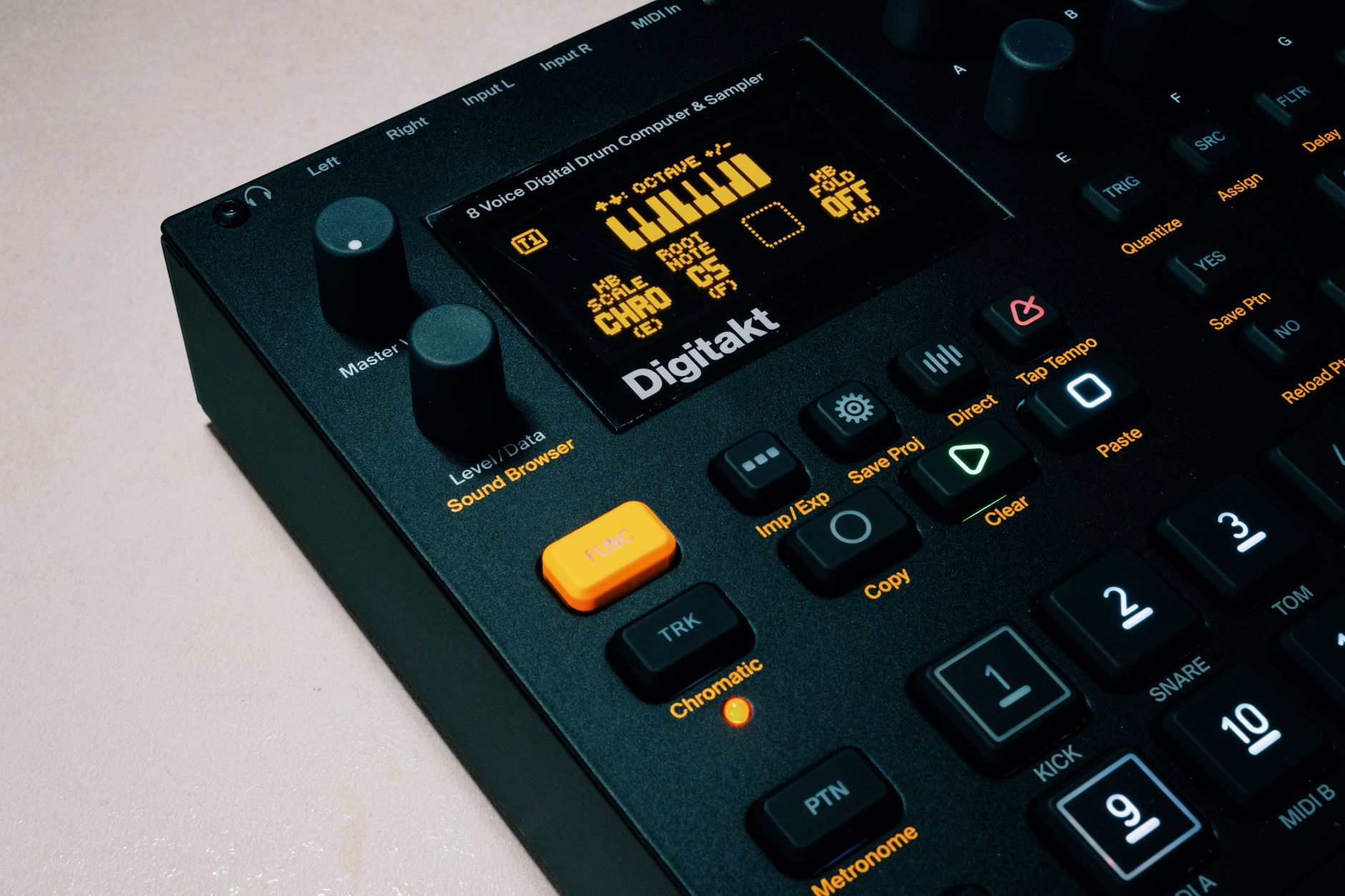
A lot of the online noise around Ableton Live Lite limitations is technically true and practically overstated. You do lose depth compared with Standard or Suite. You do not lose the ability to write, edit, arrange, automate, sidechain, and bounce a serious record idea.
The limitations that hurt are the ones that interrupt your decision speed: track count, smaller device library, limited sends and returns, and no Max for Live ecosystem. The rest is mostly shopping anxiety.
Ableton Live Lite Limitations: Track Count, Sends, Instruments
Expect 8 total audio and MIDI tracks, 8 scenes, and 2 return tracks. That means your reverb and delay decisions need to be shared, not sprinkled per track like confetti. Good. Shared space often sounds more like a record anyway.
For a dance demo, set Return A as a short room or plate-style reverb around 0.7 to 1.2 seconds. Set Return B as a tempo delay, usually 1/8 dotted or 1/4, filtered to keep it out of the vocal and kick range. Roll off return lows around 180 Hz and highs around 8 to 10 kHz unless the effect is meant to be bright.
The Missing Devices Are Less Fatal Than Bad Gain Staging
No, you do not get the full Suite instrument locker. That does not mean the track has to sound thin. Simpler, Drum Rack, Impulse, EQ Eight, Compressor, Saturator, Auto Filter, Utility, and the stock delay and reverb tools can carry more weight than people give them.
Run the session with the master peaking around -6 dB before any limiter. Keep kick peaks near -10 to -8 dBFS, sub bass a couple of dB below that, and leave the loudness race until export testing. Youlean Loudness Meter can sit on the master if you want LUFS-I and true peak feedback, but do not mix into a crushed limiter from bar one.
- The 8-track limit hurts arrangement bloat more than song quality.
- Two returns are enough if you filter them aggressively.
- Missing Suite synths matter less than weak source selection.
- No Max for Live means fewer toys, not fewer finished demos.
- A clean -6 dB master peak beats a loud rough bounce.
Ableton Live Lite Download, License, and Price Without the Myths
The Ableton Live Lite download situation causes confusion because Lite is not usually sold like a normal DAW tier. It is commonly bundled with MIDI keyboards, audio interfaces, apps, and some hardware packages. You redeem a serial in your Ableton account, then download the installer from there.
If you are hunting for an Ableton Live Lite serial number free on random forums, stop. You are risking a dead code, a cracked installer, or an account problem that wastes more time than the software is worth.
Ableton Live Lite Price Is Usually Hidden in Hardware
The Ableton Live Lite price is often effectively included with qualifying hardware. A small controller, pad unit, or interface may ship with a Lite license as part of the bundle. The exact offer changes by manufacturer and region, so check the product box, account portal, or registration page before buying used gear.
Used hardware is where people get burned. A controller might physically work, but its Live Lite serial may already be redeemed. If the seller cannot confirm the license is unused, assume you are buying the hardware only.
Ableton Live Lite 11 Download Free Versus Current Installers
Searches for Ableton Live Lite 11 download free usually come from older tutorials or older bundled serials. Your account decides what installers you can access. If your license supports a current version, use the current installer. If a project needs Live 11 compatibility for collaboration, download that version from your account rather than a mirror site.
The safe path is boring: redeem the serial, log in, download from Ableton, authorize online. Anything else is not worth trusting on a production machine.
- Redeem Lite serials only inside your Ableton account.
- Do not assume used hardware includes an unused license.
- Avoid third-party installer mirrors for older Lite versions.
- Keep the serial email or hardware registration receipt.
- Use the newest compatible installer unless a collaborator needs an older version.

The 8-Track Arrangement Method for DJs and Artists
A DJ does not need your 96-track production session. A vocalist does not need your sidechain chain named “final_final_2.” They need a form they can read, with energy changes every 8 or 16 bars and enough negative space to imagine the record finished.
This is where ableton live lite can be sharper than a larger setup. Limited tracks force you to write a usable arrangement before you decorate it.
Build in 16-Bar Blocks, Not Endless Loops
For house, techno, garage, drum and bass, and most club-facing pop, sketch the macro form first. Try 16 bars intro, 16 bars groove A, 8 bars pre-break tension, 16 bars break, 16 bars drop, 16 bars variation, 16 bars outro. That gives a DJ a mixable structure without pretending the demo is mastered.
Use scenes for the first hour, then move to Arrangement View before the loop gets stale. If the hook only works while you are muting clips by hand, it is not arranged yet.
Sidechain Without Turning the Mix Into a Pumping Meme
Put Compressor on the bass track, open sidechain, select the kick as the input, and start with a 2 to 5 ms attack, 80 to 140 ms release, ratio around 3:1, and enough threshold for 2 to 5 dB of gain reduction. For faster genres, shorten the release until the bass breathes in tempo rather than lagging behind the groove.
If the bass loses weight, do not push more compression. Shorten the kick tail, high-pass non-sub elements around 120 to 180 Hz, and check phase by nudging the bass sample a few milliseconds. Sidechain ducking fixes masking. It does not fix bad note length.
- Write the full form before polishing the second drop.
- Use 8-bar and 16-bar energy changes as arrangement anchors.
- Keep one empty bar before major transitions for FX and fills.
- Sidechain for 2 to 5 dB of movement, not constant collapse.
- Bounce a rough arrangement before adding new sounds.
Ableton Live Lite vs Full: Upgrade Only When the Bottleneck Is Real
The Ableton Live Lite vs full decision gets framed like Lite is a toy and Suite is the adult room. I do not buy that. Suite is better, obviously, but buying more devices does not make a confused 8-bar loop into a song.
Upgrade when the limitation is repeatable and specific. Not when you feel vaguely boxed in after watching someone build a 60-track rack on YouTube.
When Standard or Suite Actually Saves Time
Upgrade if you are constantly printing stems just to keep writing, need more than 2 return tracks for dense vocal production, rely on comping large vocal stacks, or want Max for Live modulation and sequencing tools as part of your core sound. Suite also makes sense if you need Ableton’s deeper instrument library, especially for sound design-heavy work.
If your problem is “my drums do not hit,” Suite will not fix it. Better sample choice, transient control, saturation, and mix balance will.
What Most Ableton Live Lite Reddit Threads Miss
A lot of Ableton Live Lite Reddit advice turns into either “Lite is enough forever” or “upgrade immediately.” The useful middle position is stricter: Lite is enough until the workaround costs more creative energy than the upgrade saves.
If bouncing tracks makes you finish, keep Lite. If bouncing tracks makes you avoid finishing because every decision feels like admin, move up. The decision is workflow economics, not identity.
- Upgrade for repeated workflow friction, not curiosity.
- Stay on Lite if bouncing makes you more decisive.
- Move up if vocal stacks, returns, or sound design exceed the track limit daily.
- Do not buy Suite to solve weak arrangement habits.
- Test your pain point across three sessions before paying.
A Mixdown Pass That Fits Lite Instead of Fighting It
The mix pass in ableton live lite should be boring, repeatable, and fast. You are not building a mastering chain for a finished release. You are proving the production translates well enough for feedback, writing, DJ testing, or a custom production brief.
That means gain staging, subtractive EQ, controlled width, and a sensible loudness check. Nothing mystical.
Use EQ Eight Like a Scalpel, Not a Paint Roller
Start with cleanup. High-pass hats, noise, and FX around 150 to 300 Hz depending on the source. Cut boxy percussion around 250 to 500 Hz only when it is actually clouding the groove. Leave the bass fundamental alone unless you know which note is dominating.
On the music bus, if you have one printed, a 1 to 2 dB cut around 220 Hz can clear mud, but only compare level-matched. Louder always lies. Utility is useful here: trim processed signals so bypass does not trick you.
Limiter Discipline for Demo Exports
If you need a louder reference bounce, use a transparent lookahead limiter such as FabFilter Pro-L 2 after the mix is balanced, not as a crutch while writing. Aim for around -10 to -8 LUFS-I for a club demo and keep true peak below -1 dBTP. For a vocalist writing pass, quieter is fine. The vocal needs headroom.
Check LUFS-S during drops and breaks if the energy feels wrong. Integrated loudness can hide a weak chorus because the intro and outro average everything together.
- High-pass non-low-end material before boosting anything.
- Use Utility to level-match EQ and saturation moves.
- Keep the master peaking near -6 dB before demo limiting.
- Target -10 to -8 LUFS-I only for loud reference bounces.
- Export quieter versions when sending to vocalists or mix engineers.
| Issue | Lite Ceiling | Best Workaround | Upgrade Trigger |
|---|---|---|---|
| Track count | 8 audio and MIDI tracks | Print layered parts to one audio lane | You spend more time bouncing than writing |
| Returns | 2 return tracks | One filtered reverb, one filtered delay | Dense vocal or cinematic FX mixes need more shared spaces |
| Instruments | Smaller stock library | Use Simpler, Drum Rack, samples, and external plugins | Your core sound depends on deeper synthesis |
| Sound design | No full Max for Live workflow | Automate stock devices and resample modulation passes | Generative tools and custom devices are central to the track |
| Demo loudness | No mastering-grade chain required | Use clean gain staging plus a measured limiter | You are preparing final release masters yourself |
Go deeper
- Live 12 Lite — help.ableton.com
- Get started with Live 12 Lite — ableton.com
FAQ
Is ableton live lite still free?
ableton live lite is usually free as part of a qualifying hardware or app bundle, not as a standalone free DAW download for everyone. If you have an unused serial from a controller, interface, or partner app, you can redeem it in an Ableton account and download the installer there.
What are the limitations of Ableton Live Lite?
The main limits are 8 audio and MIDI tracks, 8 scenes, 2 return tracks, fewer instruments and effects than Standard or Suite, and no full Max for Live ecosystem. The track limit is the one you feel first. Bouncing, resampling, and shared return effects make it workable.
Can I get Ableton Live Lite for free?
Yes, but normally through a legitimate bundled license. Many MIDI controllers, audio interfaces, and music apps include a Live Lite serial. Avoid random “free serial” posts or unofficial installers. Redeem codes only through Ableton, because cracked or reused licenses can fail when you need them most.
Is Ableton Lite enough for beginners?
Yes. It is more than enough for learning arrangement, MIDI editing, audio warping, automation, sidechain compression, and basic mixdown. Beginners often benefit from the 8-track limit because it blocks session sprawl. Upgrade when you repeatedly hit a specific workflow wall, not on day one.
What is the Ableton Live Lite price?
There is not usually a simple retail price for Lite because it is commonly bundled with hardware or partner software. The real price is often baked into a controller, interface, or app purchase. If buying used gear, confirm the Lite serial has not already been redeemed.
How do I download Ableton Live Lite safely?
Redeem your serial in an Ableton account, then download the installer from your account page. That is the safe route for current and older versions tied to your license. Avoid third-party mirrors, especially for searches like “Ableton Live Lite 11 download free.”
The bottom line
ableton live lite is not a crippled sketchpad unless you use it like one. It is a compact DAW with a hard ceiling, and that ceiling can push better production habits: commit layers, share space, arrange in blocks, control the low end, and export with headroom. The track limit will expose weak decisions faster than a bigger DAW, which is annoying but useful.
Use the 8-track template for your next session and force yourself to bounce anything that is not carrying the song. If the idea still works after those commits, you have a real demo. If it falls apart, the problem was never the software.
My Career makes videos from your own track and posts them for you, pitches your release to 34,000+ labels, playlists, radio stations, YouTube channels and blogs, puts it in every store and briefs you every morning. Free plan, no card, two minutes to set up.