Key takeaways
- Pick whether the kick or bass owns the main low-frequency space.
- Use spectrum tools for confirmation, not as a replacement for listening.
- Keep true sub content mono and add width only to filtered upper layers.
- Leave clean headroom before mastering instead of forcing loudness early.
- Test tracks like a DJ, with references and real transition checks.
- For custom production feedback, send stems and describe the low-end target clearly.
Low end mixing falls apart fastest when your kick sounds huge in the bedroom, then turns into a flappy mess on a club PA. Bad low end mixing does not usually come from one terrible plugin choice. It comes from five small decisions stacking up: the kick fundamental fights the bass, the sub is too wide, the limiter is chewing 60 Hz, and nobody checked the track outside the studio.
I care less about shiny chains and more about repeatable checks. If a track is heading to Rekordbox, a CDJ-3000, Spotify, a label inbox, or a custom production client, the bottom octave has to behave. That means clean gain staging, boring mono decisions, smart sidechain ducking, and references that tell the truth. The tools below are the ones I reach for when the low end needs to hit without swallowing the record.
What tools actually help with low end mixing?
The best low end mixing tools are not the most expensive ones. They are the ones that answer a specific question fast: where is the kick living, where is the bass living, and what happens when both play together?
My default stack is simple. FabFilter Pro-Q 4 for surgical EQ, Voxengo SPAN for spectrum checks, Cableguys Kickstart 2 or Xfer LFO Tool for clean ducking, Soothe2 when a bass patch has ugly resonances, and Ableton Utility for mono control. If I need to shape a bass part from scratch, Ableton Operator, Serum 2, or SubLab XL all get there without drama.
My low end mixing starter chain
I usually start with the kick and bass grouped into a low bus. Not because every track needs bus processing, but because it forces me to listen to the relationship instead of soloing sounds like a coward.
- Pro-Q 4: high-pass non-bass elements around 100 to 180 Hz, sometimes higher.
- SPAN: compare the 40 to 120 Hz area against two references.
- Kickstart 2: set the ducking shape by ear, not by the prettiest curve.
- Utility: keep true sub content mono below roughly 100 Hz.
For low end mixing, that chain beats a random pile of saturators every time.
- Use SPAN before reaching for another EQ.
- Keep sub information centered unless the genre clearly demands otherwise.
- Set sidechain release to the groove, not to a preset name.
- Check the kick and bass together at low volume.
- Leave at least -6 dB of master headroom before mastering.

Why does my low end disappear on club PAs?
Your low end disappears on club PAs when the sub is not actually supporting the groove. It might be too low, too wide, phase-cancelled, over-limited, or built around a note the system does not reproduce well.
This is where low end mixing gets less romantic. A club system will not politely flatter your 28 Hz sine wave. Many rooms feel stronger around 45 to 80 Hz, and a bass line with no upper harmonics can vanish once the booth is loud and the crowd is absorbing energy.
The boring club translation check
Put a spectrum analyzer after your full mix and play a trusted reference in the same key area if possible. I like checking modern tech house, Afro house, and melodic techno references separately because the low end targets are not identical.
If your track has a giant spike at 35 Hz but nothing around 70 to 120 Hz, the bass may feel big on headphones and weak on a PA. Add controlled saturation with Soundtoys Decapitator, FabFilter Saturn 2, or Ableton Roar. Keep it subtle. You want harmonics, not fuzz.
Good low end mixing is often less sub, more readable bass.
- Check mono compatibility before widening any bass layer.
- Avoid relying on 25 to 35 Hz as the main bass weight.
- Use saturation to create 80 to 200 Hz harmonics.
- Reference at matched loudness, not louder than your mix.
- Test through headphones, monitors, and a small Bluetooth speaker.
Should I EQ the kick or the bass first?
Start with whichever one owns the groove. In most four-on-the-floor records, I choose the kick first because the whole track leans on it. In bass-led garage, drum and bass, or trap-influenced work, I may build around the bass instead.
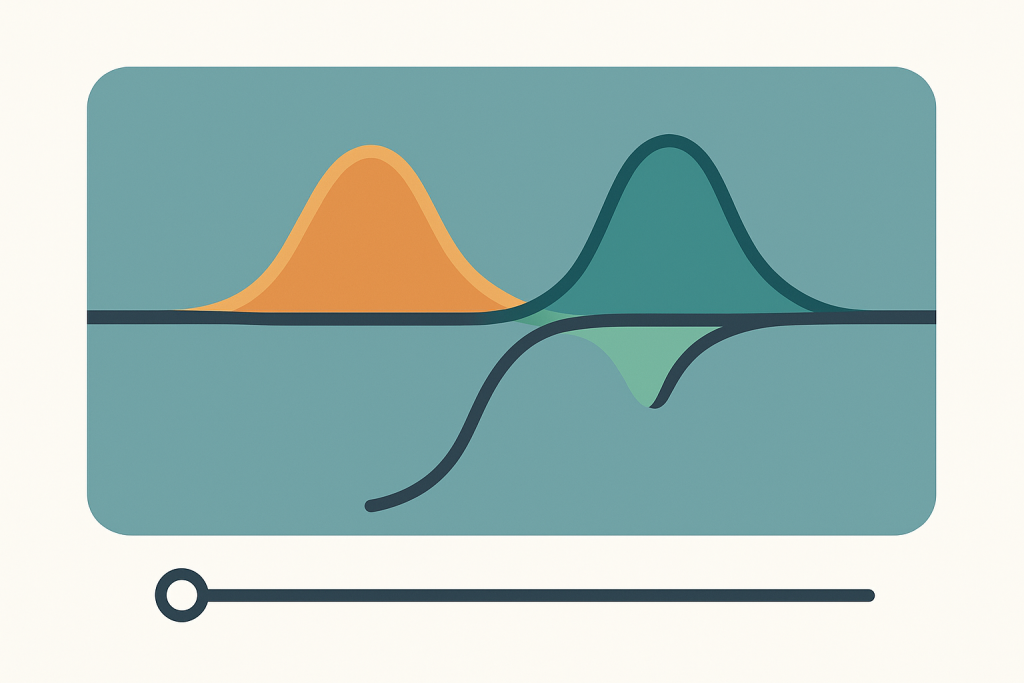
Pick a boss. Do not let both sounds claim 55 Hz with the same confidence. That is how you get a loud meter reading and a weak record.
How I split the space
Find the kick fundamental with Pro-Q 4 or your DAW analyzer. If the kick peaks at 52 Hz, I will often carve a small pocket in the bass around 50 to 60 Hz. Not a giant hole. Think 1.5 to 3 dB with a medium Q.
Then I check the bass character. If the bass needs to speak on laptops, I may push 120 to 180 Hz with saturation rather than boosting the sub. If the kick has boxy junk around 220 Hz, I cut there before blaming the bass.
That one habit fixes more low end mixing problems than buying another sample pack.
- Choose whether the kick or bass owns the fundamental range.
- Cut narrow resonances before broad tonal boosts.
- Try a 2 dB bass dip around the kick fundamental.
- Remove kick boxiness around 180 to 300 Hz when needed.
- Recheck the groove after every EQ move.
How much sub should I leave before mastering?
Leave enough sub to make the record feel finished, but do not print a master bus that is already choking. For dance music, I usually want the premaster peaking around -6 dBFS with no limiter doing fake loudness work.
Low end mixing before mastering is about stability. If the kick and bass are jumping 4 dB louder than the rest of the drop every bar, the mastering limiter will grab them first. Then your top end ducks, the vocal feels smaller, and the drop loses movement.
A low end mixing gain check before export
Turn the master limiter off. If the track collapses, the mix is not ready. I want the kick and bass to feel balanced before Ozone, Pro-L 2, or any clipping chain touches it.
- Kick channel peaking sensibly, not slamming red.
- Bass channel controlled with automation or compression where needed.
- Low bus not clipping into hidden saturation.
- Master peaking around -6 dBFS, give or take.
Parallel compression can work on a drum bus, but I rarely smash the full low bus. It usually makes the groove flatter.
- Export a premaster without a loudness limiter.
- Leave roughly -6 dBFS peak headroom.
- Avoid clipping the low bus unless it is a deliberate sound.
- Use automation before heavy compression.
- Check the loudest drop, not just the first chorus.
How do I make bass audible on phones without ruining the sub?
Phones do not play real sub, so stop asking them to. The trick is giving the ear enough harmonic information to imagine the missing fundamental while keeping the actual sub clean.
This is one of the most useful low end mixing skills for artists releasing on streaming platforms. A bass that only works on studio monitors is not finished. A bass that works on phones but wrecks the club is also not finished.
Add harmonics without making soup
Duplicate the bass or use a multiband saturator. Keep the true sub clean below 80 to 100 Hz, then distort the mid-bass layer from roughly 120 Hz upward. Saturn 2, Roar, Decapitator, and Native Instruments Guitar Rig can all do this if you filter the return properly.
Do not widen the sub layer. If you want width, widen a filtered upper layer with chorus, microshift, or mid/side EQ. On Pro-Q 4, I often cut side information below 120 Hz and leave the mid channel alone.
That keeps low end mixing solid while the bass still reads on cheap speakers.
- Keep the clean sub layer mono.
- Distort a filtered mid-bass layer, not the whole bass.
- Check phone translation at low volume.
- Cut side information below about 120 Hz.
- Automate bass harmonics in busy vocal sections.
What should I check before sending a track for ghost production or custom production?
If you are sending a demo, reference, or unfinished idea to a ghost producer, do not hide the low end problems. Send the rough bounce, the stems if available, and two references that show the low-end target clearly.
For custom production work, low end mixing feedback has to be specific. Saying “make it fatter” wastes time. Saying “the kick should feel closer to Fisher, but the rolling bass should sit more like Chris Lake around 90 Hz” gives the producer something usable.
The files that make feedback faster
I would send a full demo bounce, a no-limiter bounce, kick stem, bass stem, drum stem, and any key MIDI parts. If the bass is from Serum 2, Massive X, or SubLab XL, include the preset or freeze the track.
Label the references by purpose. One reference for kick weight. One for bass movement. One for overall loudness if needed. That keeps low end mixing decisions tied to taste, not guesswork.
Bedroom producers often think the low end is too weak when the real issue is arrangement. If the bass plays nonstop under a busy vocal, no plugin will fully save it.
- Send a bounce with the limiter off.
- Include kick and bass stems separately.
- Name two or three low-end references.
- Share MIDI for bass parts when possible.
- Describe the target in frequency and groove terms.

How do DJs test low end before playing a track live?
DJs test low end by checking the track against records they already trust, not by staring at a waveform. Rekordbox, Serato, and Engine DJ will show you structure, but they will not tell you whether the sub behaves in a booth.
Low end mixing has a DJ side too. A track can sound polished in the studio and still be annoying to mix if the intro has uncontrolled rumble, the drop is 3 dB hotter than similar records, or the kick loses punch when layered with another tune.
My CDJ and controller check
I load the track beside a released reference on a CDJ-3000 or a Pioneer DDJ-FLX10 and match perceived loudness. Then I mix the outgoing track over the intro and listen for low-end buildup.
If two clean tracks suddenly sound like a train in a tunnel, one of them has too much sub or too much low-mid energy. I also check 4-bar and 8-bar phrases because bass fills often create surprise peaks right before the drop.
This is where low end mixing becomes practical. If it does not mix cleanly, I go back to the session.
- Test against a released track in the same genre.
- Match loudness before judging bass weight.
- Check intro, breakdown, first drop, and loudest drop.
- Listen for rumble when two tracks overlap.
- Watch 4-bar fills and pre-drop bass swells.
| Tool | Best Use | Typical Move | Watch Out For |
|---|---|---|---|
| FabFilter Pro-Q 4 | Kick and bass EQ | Cut 2 dB around the competing fundamental | Over-carving until the groove feels thin |
| Voxengo SPAN | Spectrum reference checks | Compare 40 to 120 Hz against two released tracks | Judging by the graph without listening |
| Cableguys Kickstart 2 | Fast sidechain ducking | Shape a clean 1/4-note pump for house grooves | Using too much depth on short bass notes |
| Soothe2 | Resonance control | Tame harsh bass peaks around 100 to 250 Hz | Flattening the character of the sound |
| Ableton Utility | Mono and gain control | Mono the sub region and trim level before plugins | Forgetting to check phase after widening layers |
| FabFilter Saturn 2 | Bass harmonic translation | Saturate a filtered mid-bass layer | Distorting the clean sub until it loses focus |
Further reading
- Ableton Live manual — Ableton's official manual is a primary source for Utility, routing, audio effects, and gain-staging behavior in Live.
- Pioneer DJ CDJ-3000 — Pioneer DJ's official product page is authoritative for the club-standard player referenced in DJ testing workflows.
Frequently asked questions
What is low end mixing?
Low end mixing is the process of balancing kick, bass, sub frequencies, phase, and headroom so the bottom of a track feels powerful without masking the rest of the record. It usually means EQ, mono control, sidechain ducking, saturation, and reference checks across different speakers.
Should kick and bass both be mono?
The true sub content should usually be mono, especially below 80 to 120 Hz. The upper bass can have stereo width if it is filtered and phase-safe. Wide sub might feel impressive on headphones, but it often causes weak or uneven playback on club systems.
What frequency range is low end in music production?
Most producers treat low end as roughly 20 to 250 Hz. The sub range sits around 20 to 60 Hz, bass weight often sits around 60 to 120 Hz, and low-mid body lives around 120 to 250 Hz. The exact target changes by genre and key.
Why does my bass sound loud but not powerful?
Your bass may be filling the meters with uncontrolled sub while lacking useful harmonics. Try reducing the deepest sub, adding light saturation above 100 Hz, and making space around the kick fundamental. Also check phase between layered bass sounds before adding more volume.
How much headroom should I leave for mastering?
A premaster peaking around -6 dBFS is a safe working target. The exact number is less important than avoiding clipping and limiter damage. Export without a loudness limiter unless the mastering engineer or producer specifically asks for a limited reference.
Can headphones be trusted for bass mixing?
Headphones can help you hear detail, but they often exaggerate or misrepresent sub pressure. Use them with references, a spectrum analyzer, and at least one speaker check. If possible, test on monitors, earbuds, a car system, and a small consumer speaker.
Conclusion
Clean low end mixing is mostly discipline. Choose the kick or bass as the anchor, cut only what needs cutting, keep the sub centered, and stop using the master limiter as a confidence boost. Tools like Pro-Q 4, SPAN, Kickstart 2, Soothe2, Utility, and Saturn 2 make the work faster, but they will not fix a confused arrangement or a bass line fighting the kick every beat.
The practical move is simple: open one unfinished session, turn the limiter off, match a reference, and check the kick and bass from 40 to 250 Hz. Then test the bounce like a DJ would. Try this in your next session before adding another plugin.
Low end mixing — Quick Recap
The fastest way to lock in low end mixing is to internalise the workflow above and repeat it on every project. Start small: pick one technique from this low end mixing guide, apply it to your next session, and audit the result against a reference track.
- Pick whether the kick or bass owns the main low-frequency space.
- Use spectrum tools for confirmation, not as a replacement for listening.
- Keep true sub content mono and add width only to filtered upper layers.
- Leave clean headroom before mastering instead of forcing loudness early.
Treat low end mixing as a habit, not a one-off — the producers who consistently nail low end mixing are the ones who run the same checks on every track. That’s the difference between a clean, club-ready master and a track that sounds great at home but falls apart on a real system.
In a real studio session, low end mixing comes down to the order in which you make decisions: reference first, gain stage second, then the creative work. Producers who treat low end mixing as a checklist instead of a vibe end up shipping more tracks.
Most producers and DJs undervalue low end mixing because the wins are invisible until the track plays back on a real system. Bake low end mixing into your template and the next ten projects benefit automatically.
My Career makes videos from your own track and posts them for you, pitches your release to 34,000+ labels, playlists, radio stations, YouTube channels and blogs, puts it in every store and briefs you every morning. Free plan, no card, two minutes to set up.