 By Emma Carter · August 13, 2026
Lo-fi meaning gets misread in sessions all the time: it does not mean lazy, broken, or badly mixed. I had that note open after a week of beats, edits, and reference calls where three different artists asked for “lo-fi,” but each meant a different thing. One wanted dusty drums. One wanted study-beat calm. One meant TikTok bedroom nostalgia.
The practical lo-fi meaning is simple enough: low fidelity, or sound that keeps audible imperfections instead of hiding them. Tape hiss, vinyl crackle, soft transients, narrow bandwidth, pitch wobble, cheap mic color, sampler grit. The trick is control. If the kick disappears, it is not vibe. It is just a bad low end. I treat lo-fi like a production choice, not a license to stop listening.
Lo-fi meaning was not just bad sound
I wrote this definition on a sticky note beside the monitors: lo-fi means low fidelity, but in music it usually means intentional imperfection. That word intentional matters. A clipped phone recording can be lo-fi by accident. A good lo-fi beat sounds worn while still passing the car test.
In plain English, the lo fi meaning in english is “lower sound quality” or “not high fidelity.” In producer language, it means choosing texture over polish in specific places. You might dull the keys to 8 kHz, leave room noise in a vocal chop, or let a snare feel like it came from a tired cassette.
A working lo-fi meaning for producers
For tracks, I define it like this: lo-fi is a controlled reduction in clarity, bandwidth, pitch stability, and cleanliness. It should still have a readable groove, a stable center, and enough headroom to master without collapsing.
The worst version is a full mix buried under crackle. The better version is selective. Put hiss under the intro, low-pass the sample, saturate the drum bus, then keep the sub or kick relationship clean. Dirt needs contrast.
What I heard in real references
Most references people sent me had four shared traits: drums with rounded attacks, keys with filtered top end, short loops, and very little arrangement shock. The loudness often sat lower than club music, around -14 to -10 LUFS integrated for streaming-style beats, with peaks left at about -1 dBTP.
That does not make it weak. It makes it small on purpose. Close sound. Desk-lamp sound.
- Low fidelity means less clean than hi-fi, not automatically worse.
- Good lo-fi keeps the groove readable and the low end stable.
- Noise works best when it supports the loop instead of covering it.
- Most lo-fi beats lean on repetition, soft transients, and narrow bandwidth.
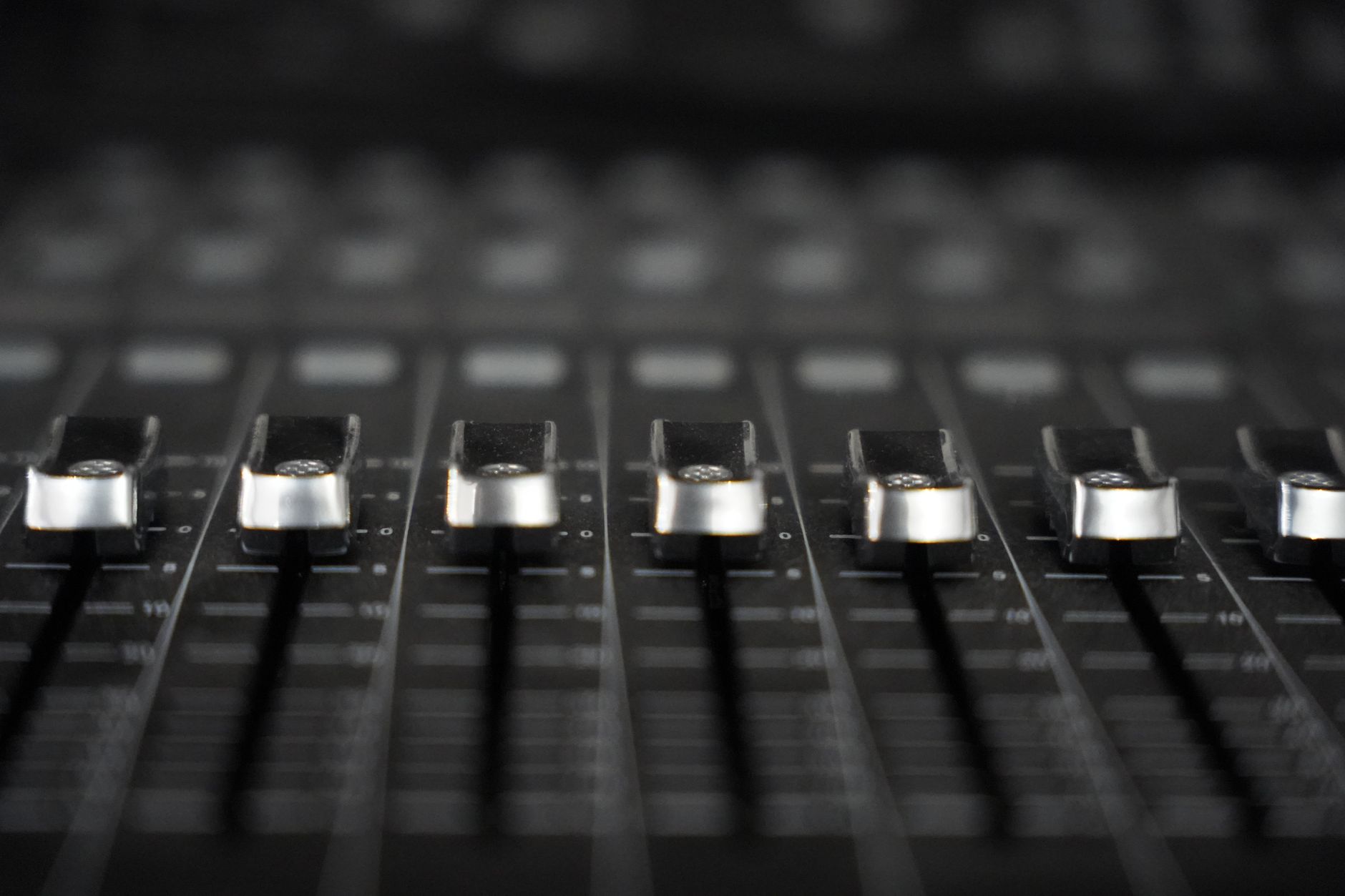
I said it out loud: Lo-fi pronunciation changes the search
Small note from a vocal booth day: half the confusion came from the spelling. People typed “lofi,” “lo fi,” and “lo-fi,” then asked if they were different genres. They are not. They are spelling variants around the same idea.
The common lo-fi pronunciation is “low-fye.” Say “low” like low volume, then “fi” like hi-fi. The hyphen just shows the shortened phrase: low fidelity.
Lo-fi, lofi, and lo fi are the same phrase
I use “lo-fi” in writing because it is the cleanest form and matches the original contraction. “Lofi” is common in playlists and social posts because platforms reward fast tags. “Lo fi” appears in searches because people hear the phrase before they see it.
For an artist brief, spelling matters less than reference tracks. If someone says “make it lofi,” I ask for two songs and one no-go. That prevents the usual mess where “lo-fi” means jazzy chords to one person and crushed hyper-digital drums to someone else.
- Pronounce it “low-fye.”
- Lo-fi is short for low fidelity.
- Lofi, lo fi, and lo-fi usually point to the same sound idea.
- References beat spelling when you are briefing a producer.

The relaxed part came from repetition, not magic
I do not buy the idea that lo-fi music is relaxing only because of crackle. Crackle helps, sure. But the bigger thing is predictability. Four-bar and eight-bar loops give the brain fewer corners to scan. No giant riser every 16 bars. No snare fill demanding attention while you are trying to work.
On one beat, I muted the vinyl layer and kept the Rhodes-style loop, soft kick, rim, and sidechain. It still felt calm. Then I kept the crackle and changed the chords every two bars. Not calm anymore. The loop did most of the work.
The arrangement stayed small
A typical calm lo-fi arrangement might run at 70 to 92 BPM, or 140 to 184 BPM if the DAW is double-time. I usually hear two-bar drum patterns and four-bar chord loops, with tiny changes every 8 or 16 bars. A shaker enters. A filtered counter-melody leaves. The room changes, not the whole building.
That is why it sits under study, coding, drawing, or late-night scrolling. It gives movement without grabbing the steering wheel.
The mix avoided sharp edges
Relaxed lo-fi usually softens transients. I might use a slow tape-style compressor on drums, 2:1 ratio, 10 to 30 ms attack, 100 ms release, aiming for 1 to 3 dB of gain reduction. If the snare still pokes, I shave 2 dB around 3.5 kHz or use Soothe2 lightly on harsh upper mids.
Low end still needs discipline. I high-pass most texture layers at 120 Hz and keep the kick or bass in charge below 80 Hz. Murk is not mood.
- Calm lo-fi often uses 70 to 92 BPM tempos.
- Four-bar loops make the track feel predictable without feeling frozen.
- Soft transient shaping matters more than random noise.
- High-pass hiss, room tone, and vinyl layers so the kick survives.
I dirtied one loop three different ways
The fastest way I found to explain lo-fi music meaning to a new producer was not a definition. I took one clean eight-bar loop and made three versions. Same chords, same drums, same tempo. Only the damage changed.
The clean loop sounded like a demo. The best lo-fi version sounded like a memory of the demo. That was the target.
Version one: Bandwidth first
I put an EQ after the main keys and rolled off below 150 Hz, then low-passed around 9.5 kHz with a gentle 12 dB per octave slope. A small dip around 250 Hz, maybe 2 dB, kept the chords from clouding the kick. That alone made the loop feel older.
For synth sources, u-he Diva and Arturia Pigments both behave well here. I like Diva for Juno-style softness and Pigments when I want a wavetable pad that I can make unstable without turning it into soup.
Version two: Pitch movement
Pitch wobble sells age faster than noise. I used a tape-style wow/flutter setting at a slow rate, under 1 Hz for the big movement, with depth low enough that the chord quality stayed intact. If the melody starts sounding seasick, back off. I want the floorboards to bend, not the whole room to tilt.
On hardware days, a Roland Juno-106 through gentle chorus can give that softened width before any plug-in dirt touches it. Print the audio. Commit. Then edit.
Version three: Drum wear
For drums, I liked a Roland TR-8S pattern sampled back into the DAW, then clipped by 1 to 2 dB before a drum bus compressor. The hat got a low-pass at 11 kHz. The snare lost a bit at 4 kHz and gained a short room under 0.6 seconds.
If the beat needs sidechain ducking, I keep it shallow. Around 1 to 2 dB of gain dip from the kick is enough for head nod. Six dB starts sounding like a house record wearing a cardigan.
- Low-pass melodic samples between 8 and 12 kHz for instant age.
- High-pass non-bass texture layers around 100 to 180 Hz.
- Use wow and flutter lightly before adding hiss.
- Clip drums by 1 to 2 dB, then compress gently.
- Leave at least -6 dB of mix headroom before mastering.

Lo-fi vs hi-fi was a mix decision, not a moral one
I used to hear producers talk about lo-fi and hi-fi like one was honest and the other was fake. That never helped a mix. Hi-fi means higher fidelity: clearer top end, wider bandwidth, cleaner recording, lower noise, more accurate playback. Lo-fi means some of that accuracy gets reduced or stylized.
Neither wins by default. A club vocal needs hi-fi presence. A sleepy piano loop may feel wrong if it is too pristine. The decision belongs to the song.
The table I wish I had earlier
When an artist says “more lo-fi,” I now translate the request into mix moves instead of adjectives. Do they want less top end? More saturation? Smaller drums? A narrower stereo image? Each answer points to a different tool.
Here is the simple version I keep coming back to during revisions.
Where I refuse to fake it
I do not bury a weak chord progression under vinyl noise and call it taste. If the loop feels boring clean, lo-fi treatment may make it cozier, but it will not give it emotional weight. The notes still matter. The pocket still matters.
I also keep monitoring honest. Sonarworks SoundID can help if your room lies in the low mids, but it will not choose the mood for you. It only stops the room from tricking you at 180 Hz.
- Hi-fi favors accuracy, extension, and clean detail.
- Lo-fi favors character, limitation, and texture.
- A track can use hi-fi low end with lo-fi keys.
- Do not use noise to hide unfinished writing.

The word had leaked into TikTok, film, and photos
After the studio notes, I checked how people used the term outside beat-making. That explained a lot. The phrase is not only a genre tag now. It is shorthand for casual, imperfect, intimate, nostalgic, or deliberately unpolished media.
That is why lo fi meaning tiktok searches do not always point to a music theory question. Sometimes someone means a blurry bedroom clip, a grainy filter, or a low-effort-looking post that still feels personal.
TikTok uses it as a mood label
On TikTok, “lo-fi” often means soft, unpolished, and emotionally close. A creator might use a lo-fi beat under a study clip, a night walk, a cooking edit, or a quiet routine video. The sound says: do not rush. Stay here for a minute.
The danger for artists is copying the surface. A dusty loop alone will not carry a short-form clip if the first two seconds have no hook. Lo-fi can be subtle, but it still needs a reason to replay.
Photography and film use the same instinct
Lo-fi meaning photography usually points to grain, blur, cheap-camera color, light leaks, or a rough snapshot feeling. Lo fi meaning film works similarly: handheld movement, muted color, imperfect exposure, tape noise, or edits that feel found rather than polished.
The shared idea is not “bad.” It is less sterile. Human marks left in the frame.
Lofi Girl meaning was simpler than the mythology
When people ask about Lofi Girl meaning, they usually mean the animated study character and the endless playlist culture around her. The girl became a symbol for focus music: headphones, desk, looped animation, steady beats. The meaning is habit. Same frame, same mood, same safe little room.
- On TikTok, lo-fi often means intimate and unpolished.
- In photography, it points to grain, blur, and imperfect color.
- In film, it can mean handheld texture, tape noise, or rough edits.
- Lofi Girl became a symbol for study beats and repeatable focus.

The line I used with DJs and artists
The most useful sentence I used all week was this: tell me what should be lo-fi and what should stay expensive. That one question saved revisions.
For DJs, lo-fi elements can work in intros, breakdowns, after-hours edits, and warm-up sets. For artists, the same texture can frame a vocal without making the whole record small. The mix can have a dusty sample and a modern vocal chain. That contrast often sounds better than making every channel crusty.
Briefing a lo-fi track without vague adjectives
If I were briefing a custom beat, I would not write “make it chill and lo-fi” and stop there. I would write: 82 BPM, four-bar minor 9th chord loop, soft kick, rim instead of snare, vinyl layer tucked at -24 dBFS, bass clean below 90 Hz, no bright open hats, vocal space left in the midrange.
That gives the producer something to build. It also gives you something to approve.
Lo-fi music examples to study with intent
Instead of copying a playlist wholesale, listen for roles. One track may teach you how quiet drums can still knock. Another may show how a two-chord loop avoids boredom through texture changes. Another may prove that silence between notes matters more than another crackle layer.
My note after doing this for an hour: the best lo-fi records are edited harder than they first appear. The mess is curated.
- Name the tempo, drum feel, and harmonic mood before asking for texture.
- Specify which parts should stay clean, especially vocal, kick, and bass.
- Use reference tracks for arrangement, not only surface noise.
- If everything is degraded, nothing feels intentionally degraded.
| Term | Main Aim | Typical Production Move | Best Use |
|---|---|---|---|
| Lo-fi | Character over accuracy | Low-pass keys at 8-12 kHz, add light saturation, keep noise low | Study beats, intimate vocals, nostalgic loops |
| Hi-fi | Clarity and full-range detail | Clean recording chain, extended top end, controlled noise floor | Club vocals, pop hooks, wide modern masters |
| Hybrid | Texture with clean impact | Dusty sample plus clean kick, bass, and vocal presence | Artist singles that need mood and playback strength |
| Accidental low quality | No clear aim | Over-clipping, masked low end, harsh hiss, random distortion | Almost never, unless the chaos is the concept |
Worth a deeper read: Lo.
Frequently asked questions
What is the lo-fi meaning in slang?
In slang, lo-fi usually means casual, imperfect, unpolished, or cozy. Someone might call a song, video, photo, or room “lo-fi” when it feels intimate instead of glossy. It does not always mean poor quality. Often it means the rough edges are part of the charm.
Why is lofi music so popular?
Lofi music is popular because it works in the background without feeling empty. The loops are predictable, the drums are soft, and the textures feel personal. It fits studying, gaming, commuting, and late-night work because it gives mood without demanding full attention every few seconds.
Why is lofi music relaxing?
Lofi music feels relaxing because it often uses steady tempos, repeated chord loops, soft transients, and limited high-frequency detail. Those choices reduce surprise and sharpness. Tape hiss or vinyl crackle can help, but the calm usually comes from arrangement discipline and gentle mix decisions.
What is lofi vs hifi?
Lofi means low fidelity, where imperfections like noise, saturation, pitch wobble, and reduced bandwidth are allowed or added. Hifi means high fidelity, where the goal is cleaner, clearer, more accurate sound. A strong modern track can use both: clean low end with worn samples on top.
How do you pronounce lo-fi?
Lo-fi is pronounced “low-fye.” It is short for low fidelity, just like hi-fi is short for high fidelity. The spellings “lofi,” “lo fi,” and “lo-fi” are usually used for the same idea, though “lo-fi” is the cleanest written form.
What does Lofi Girl mean?
Lofi Girl refers to the animated study character associated with long-running lo-fi beat streams and focus playlists. The meaning is less about one character’s story and more about the ritual: headphones, desk, calm looped animation, and steady music for studying or working.
The short version
- Lo-fi means low fidelity, but good lo-fi is controlled imperfection.
- The relaxed feeling usually comes from repetition, soft transients, and restrained arrangement.
- Noise, hiss, wobble, and saturation work best when the kick and bass stay clear.
- Lo-fi and hi-fi are mix choices, not quality rankings.
- On TikTok, film, and photography, lo-fi often means intimate, nostalgic, or deliberately unpolished.
- A useful lo-fi brief names tempo, drum feel, clean elements, and exact texture references.
Where to go from here
The practical lo-fi meaning is not “make it worse.” It is “choose the imperfections that serve the song.” After a week of notes, that distinction felt less academic and more like basic survival. Low-pass the keys if they are too shiny. Add wow if the loop feels stiff. Tuck crackle under the intro, not over the whole mix. Keep the bass honest.
If you are producing tonight, try one clean eight-bar loop and print three worn versions: one filtered, one pitch-wobbled, one drum-saturated. Do not add anything else until you can hear which kind of imperfection actually helps the record.
My Career makes videos from your own track and posts them for you, pitches your release to 34,000+ labels, playlists, radio stations, YouTube channels and blogs, puts it in every store and briefs you every morning. Free plan, no card, two minutes to set up.