Key takeaways
- Kick and bass should be balanced as one low-end system, not mixed as rivals.
- EQ cuts need a reason. Random surgery often makes house tracks smaller.
- Sidechain depth should serve groove, not just create obvious pumping.
- DJ gear exposes arrangement problems instead of hiding them.
- Loudness comes after balance, headroom, and controlled drum peaks.
- References work best when they are level-matched and used for specific decisions.
House music mixing gets ruined by one stubborn myth: if the kick and bass are loud enough, the club will do the rest. That belief makes bedroom mixes sound impressive for eight bars, then collapse on a real PA. The better argument is less glamorous. House music mixing is mostly translation, not volume. A CDJ-3000 running through a decent club mixer will not rescue a flabby 90 Hz bass note, a 5 dB vocal spike, or hats that shred at 9 kHz.
I’m pushing back on six bits of advice that keep showing up in sessions: kick first, cut everything, pump harder, trust the DJ gear, master louder, and copy references until the track loses its spine. The tools matter, but only when they answer a specific problem. FabFilter Pro-Q 4, Soothe2, Ableton Live, Ozone, and a basic gain meter can do more than another magic preset chain.
Myth: The Kick Must Be the Loudest Part of house music mixing
The kick-first rule is incomplete. Yes, house needs a stable four-on-the-floor anchor. No, that does not mean the kick should bully the entire record. A lot of amateur house music mixing starts with the kick peaking at -3 dBFS, then every other part gets squeezed around it. That leaves no room for the bass, clap, vocal, or master bus.
The working alternative is to set the kick and bass as a system. I usually start with the kick peaking around -10 to -8 dBFS in Ableton Live, then build the sub and low bass around it until the stereo bus still has about -6 dB of headroom. Boring number. Useful number.
Set the low end before house music mixing decisions get emotional
Put Voxengo SPAN, Ableton Spectrum, or FabFilter Pro-Q 4 on the mix bus and watch the 40 to 120 Hz zone. A modern house kick often has its fundamental between 45 and 60 Hz, while the bass may speak harder at 80 to 110 Hz. If both instruments shout at 55 Hz, no limiter will make that feel bigger.
Pick a lane. If the kick owns 52 Hz, let the bass carry weight at 90 Hz and trim the bass around the kick fundamental by 2 to 4 dB. If the bass is sub-led, high-pass the kick tail gently around 35 Hz and shorten the decay with Ableton Drum Buss or a sampler envelope.
Use tools that show the fight, not tools that flatter it
Headphones lie here. Small rooms lie harder. A 12 dB room mode at 70 Hz can make a weak bass sound huge at the desk and tiny everywhere else. Use a spectrum analyzer, but do not mix with your eyes locked to it. Check the low end in mono, then play the track quietly. If the groove disappears when the volume drops, your low end balance is wrong.
- Set kick peak level first, not kick loudness.
- Check kick and bass in mono below roughly 120 Hz.
- Use decay control before EQ when the kick tail masks the bass.
- Leave the master bus peaking near -6 dBFS before mastering.
- FabFilter Pro-Q 4: use it for narrow low-end conflicts, not random scooping.
- Voxengo SPAN: keep it open for honest sub and low-mid checks.
- Ableton Drum Buss: shorten kick boom before blaming the bass.
- SPL Meter app: reference your mix at repeatable monitor levels.
Myth: More EQ Cuts Always Make a Cleaner Mix
The internet loves surgical EQ screenshots. Twenty tiny notches look professional, but they often mean the producer never chose the right sound. Over-cutting is one of the fastest ways to make house music mixing feel small, especially when every drum loop and synth stab gets hollowed out before the arrangement even plays.
The alternative is subtractive EQ with a reason. Cut where a part blocks another part, not because a chart says 250 Hz is mud. A piano chord with body at 220 Hz may be exactly what carries the groove on a club system after the vocal drops out.
Stop high-passing everything at the same number
A lazy 120 Hz high-pass on every non-bass part can gut the record. Open hats might not need anything below 300 Hz, but a Rhodes stab may need 140 to 250 Hz to feel expensive. Use the filter until the part gets weaker, then back it off. That is the line.
For house music mixing, I prefer three broad moves before surgery: remove unusable sub, control harsh resonances, and make space for the lead. A 1.5 dB wide cut at 350 Hz on a bus can beat six narrow cuts on individual channels.
Dynamic EQ beats static notches when the groove changes
Soothe2 is useful on harsh vocal chops, bright percussion, and stacked synths, but it is easy to overdo. Set depth low, listen in context, then bypass it every few minutes. If the track loses bite, you have cleaned it into a demo.
FabFilter Pro-Q 4 dynamic bands are better when the problem happens only on certain notes. If a bass note jumps at 103 Hz, set a dynamic cut there with a narrow Q and 2 to 3 dB of reduction. Do not punish the whole bassline for one note.
- Cut the sound that masks another sound, not the sound that looks ugly soloed.
- Use dynamic EQ for notes that jump out only sometimes.
- Avoid identical high-pass filters across musical parts.
- Bypass EQ moves often and level-match the comparison.

Myth: Sidechain Compression Should Pump as Hard as Possible
Hard pumping became a shortcut for energy, then people started using it where groove was needed instead. Heavy sidechain ducking can work in French house, big-room builds, and obvious creative moments. It is not the default answer for house music mixing when the bass and kick already have separate frequency lanes.
The better move is timed gain movement. Compression is only one way to get it. LFO Tool, ShaperBox, Ableton Compressor, Duck, and Kickstart 2 all do the job, but they do not behave the same.
Time the duck to the kick, not the preset name
A 40 ms attack can let too much bass through before the compressor reacts. A release that returns after 180 ms may groove nicely at 124 BPM, but smear a faster tech-house bassline. At 124 BPM, one quarter note is about 484 ms. That means a full-note sidechain curve can easily swallow half the beat if you are not careful.
For house music mixing, start with 3 to 5 dB of gain reduction on bass, then listen to the kick transient. If the kick still feels hidden, shorten the bass note or use a volume shaper with a steeper first 30 ms drop.
Ghost triggers are cleaner than messy audio triggers
Do not feed your sidechain from a kick with a long rumble tail and then complain that the bass never returns. Use a short ghost trigger instead: a muted MIDI click, tight rimshot, or short sine blip routed only to the compressor sidechain. That gives the compressor a clean envelope.
In Ableton Live, create a MIDI track with a short click on every kick hit, set audio output to Sends Only, then select that track as the sidechain input. It is less romantic than hardware pumping. It works.
- Use 3 to 5 dB bass ducking before trying 8 dB.
- Shorten bass notes when EQ and sidechain still fight.
- Use a ghost trigger for consistent compressor behavior.
- Check the groove at low volume before calling it done.

Myth: DJ Gear Will Hide Arrangement Problems
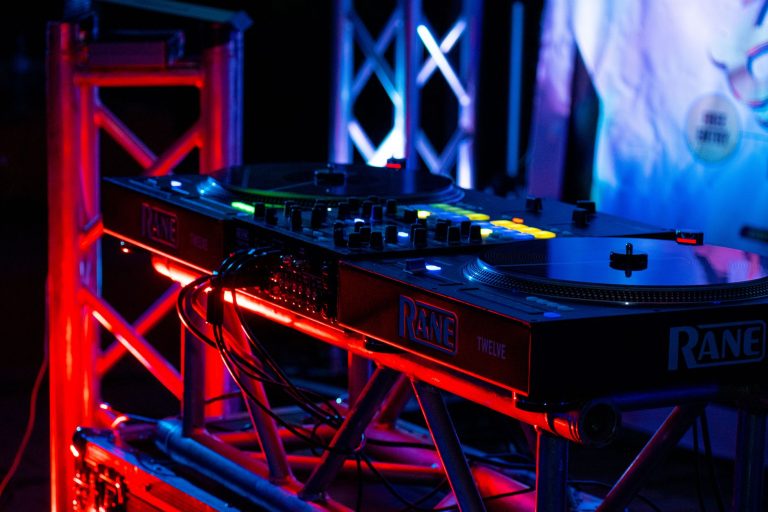
Club gear is brutally honest. The CDJ-3000 has 96 kHz/32-bit floating point audio processing, and that is great for playback quality. It will not fix a bad 16-bar intro, a bassline that vanishes in mono, or percussion that fights the vocal. The Pioneer DDJ-FLX10 will also expose lazy gain staging because the channel meters show you exactly how hard you are hitting the mixer.
The alternative is to mix like a DJ will actually handle the record. House music mixing should respect 4-bar and 8-bar phrases, leave clean cue points, and avoid surprise frequency pileups when another track is blended over it.
Arrangement is part of the mix, not a separate job
If the first 32 bars have a kick, sub bass, full vocal, crash loop, and bright synth hook, there is nowhere for a DJ to blend. The EQ knobs on a DJM mixer are not there to save your overcrowded intro. They are there for performance.
Print a DJ test version and play it against a released reference in Rekordbox or on a controller. If the incoming record needs all three EQ knobs hacked down to fit, your arrangement is the problem. In house music mixing, space is a mix decision and a DJ decision at the same time.
Test transitions before the master
Load the track beside a reference at matched loudness, not matched peak. Try a 16-bar blend, then an 8-bar emergency mix. Listen for low-mid buildup around 180 to 350 Hz and brittle hats around 7 to 10 kHz. Those zones get ugly fast when two records play together.
Do this before mastering. A limiter can make the problems louder, but it cannot make the intro more usable.
- Leave intros and outros with fewer full-range elements.
- Check blends in Rekordbox, Serato, Traktor, or your controller software.
- Keep sub information stable when filters open and close.
- Use 4-bar phrase changes so edits feel intentional.
Myth: Loud Masters Fix Weak House Mixes
A loud master can make a good mix competitive. It cannot make a weak mix strong. If your pre-master has a smeared kick, harsh clap, and bass clipping the channel, Ozone Maximizer or FabFilter Pro-L 2 will only highlight the damage. This is where a lot of house music mixing advice gets backwards: loudness is treated as proof of quality.
The better target is controlled density before the limiter. That means the drums hit, the low end is stable, and the vocal or hook has a sensible crest factor before mastering starts.
Leave headroom because limiters need something to work with
Send a pre-master peaking around -6 dBFS with no limiter on the stereo bus unless the limiter is part of the sound. Do not normalize it. Do not clip the master just to impress someone with a waveform. A clean 24-bit WAV has more than enough resolution at that level.
For house music mixing, I like a rough master on a separate chain so the production decision stays honest. Use it to check energy, then bypass it when fixing the mix. If every mix decision only works through a slammed limiter, the mix is not ready.
Clip drums carefully before limiting the whole song
Soft clipping can help drum peaks behave before they hit the master limiter. StandardCLIP, KClip, Ableton Saturator, or Newfangled Saturate can shave 1 to 2 dB from aggressive clap and kick peaks without flattening the whole record.
The line is obvious when you listen quietly. If the drums get smaller after clipping, back off. If the limiter gains 1 dB of loudness without choking the groove, the clipper earned its place.
- Keep the clean mix and rough master on separate chains.
- Do not print clipped pre-masters for final mastering unless requested.
- Use soft clipping on drum buses before abusing the stereo limiter.
- Check loudness against references, but fix balance before chasing LUFS.

Myth: Reference Tracks Kill Originality
This one sounds artistic, but it is usually fear wearing a better coat. References do not make you copy. Bad referencing makes you copy. Good referencing keeps house music mixing grounded when your room, headphones, or mood start lying.
The alternative is to reference one thing at a time. Use a track for low-end shape, another for vocal level, another for top-end brightness. Do not use one famous record as a full blueprint unless you want to erase your own taste.
Match loudness before judging tone
If the reference is 4 dB louder, you will think it has better bass, wider synths, and cleaner hats. It may just be louder. Use ADPTR MetricAB, Youlean Loudness Meter, or Ableton Utility to level-match references within about 0.5 dB before making EQ decisions.
For house music mixing, I keep three references in the session: one club record with a dependable low end, one record with the vocal sitting where I want it, and one that shows the top-end limit. That keeps decisions practical.
Reference the gaps, not only the sounds
Listen to what is missing. Great house records often feel big because they are not full all the time. The kick gets room. The vocal hook gets a pocket. The crash does not play every bar like a panic alarm.
Mute your arrangement against the reference and count how many important elements hit at the same time. If your drop has eight full-range parts and the reference has four, the mix is not the only issue. The arrangement is overfed.
- Use separate references for low end, vocal level, and brightness.
- Level-match within roughly 0.5 dB before judging tone.
- Check arrangement density, not only EQ curves.
- Keep your sound choice, but borrow the translation standards.
| Tool | Best Use | Bad Habit It Replaces | Starting Point |
|---|---|---|---|
| FabFilter Pro-Q 4 | Dynamic EQ for bass notes, vocals, and resonant synths | Static notches on every channel | 2 to 3 dB dynamic cuts on problem notes |
| Soothe2 | Taming harsh percussion, vocal chops, and stacked leads | Dulling the whole mix with broad high cuts | Low depth, bypass often, listen in context |
| Ableton Compressor with ghost trigger | Consistent kick-to-bass sidechain movement | Triggering from a messy kick tail | 3 to 5 dB gain reduction on bass |
| ADPTR MetricAB | Level-matched reference checks | Thinking louder always means better | Match within about 0.5 dB |
| Pioneer CDJ-3000 or DDJ-FLX10 test | Checking DJ-friendly intros and blends | Assuming club gear will fix arrangement clutter | Test 16-bar and 8-bar transitions |
| FabFilter Pro-L 2 or Ozone Maximizer | Rough loudness checks after the mix works | Using a limiter as a mix repair tool | Bypass while fixing balance |
Further reading
- CDJ-3000 specifications — Pioneer DJ publishes the official playback and processing specifications for the CDJ-3000.
- Ableton Live manual — Ableton provides authoritative documentation for routing, sidechain compression, metering, and export behavior in Live.
Frequently asked questions
What is the biggest mistake in house music mixing?
The biggest mistake is building everything around an oversized kick. A strong kick matters, but it must share space with the bass. Set headroom first, check mono low end, and fix frequency overlap before adding bus compression or a limiter.
How loud should my house mix be before mastering?
A safe pre-master usually peaks around -6 dBFS with no limiter on the stereo bus. The exact peak is less important than avoiding clipping and leaving the mastering engineer clean dynamics to work with. Export a 24-bit WAV and keep a separate rough master for reference.
Should I sidechain every instrument to the kick?
No. Sidechain the parts that actually mask the kick, usually bass, pads, sustained synths, and some effects. Drums, vocals, and short stabs often need less movement. Too much global ducking makes a house track breathe in a predictable, cheap way.
Can I mix house music properly on headphones?
Yes, but only if you cross-check. Use reliable headphones, a spectrum analyzer, mono checks, and level-matched references. Low-end judgment is the risky part, so test on monitors, a car system, or a club-style playback setup when possible.
Do I need expensive plugins for a professional house mix?
No. Stock EQ, compression, saturation, and metering can produce a clean record if the arrangement and sound choices are right. Paid tools like Pro-Q 4, Soothe2, and MetricAB are faster and more precise, but they cannot rescue bad balance.
How do I know if my house track is DJ-friendly?
Test it like a DJ. Load it beside a reference, match loudness, and try 16-bar and 8-bar blends. If the intro clashes immediately or the low end doubles up badly, simplify the arrangement before mastering.
Conclusion
Good house music mixing is not about obeying studio folklore. It is about removing the excuses that fail on real playback systems. The kick does not need to dominate every decision. EQ does not need to look surgical. Sidechain does not need to gasp for air. DJ gear, limiters, and references are tools, not rescue teams.
Take one unfinished session and test the contrarian version: set -6 dB headroom, balance kick and bass in mono, use one level-matched reference, then try a 16-bar DJ blend before touching the final limiter. If the record holds together there, the mix is doing the job.
House music mixing — Quick Recap
The fastest way to lock in house music mixing is to internalise the workflow above and repeat it on every project. Start small: pick one technique from this house music mixing guide, apply it to your next session, and audit the result against a reference track.
- Kick and bass should be balanced as one low-end system, not mixed as rivals.
- EQ cuts need a reason. Random surgery often makes house tracks smaller.
- Sidechain depth should serve groove, not just create obvious pumping.
- DJ gear exposes arrangement problems instead of hiding them.
Treat house music mixing as a habit, not a one-off — the producers who consistently nail house music mixing are the ones who run the same checks on every track. That’s the difference between a clean, club-ready master and a track that sounds great at home but falls apart on a real system.
In a real studio session, house music mixing comes down to the order in which you make decisions: reference first, gain stage second, then the creative work. Producers who treat house music mixing as a checklist instead of a vibe end up shipping more tracks.
Most producers and DJs undervalue house music mixing because the wins are invisible until the track plays back on a real system. Bake house music mixing into your template and the next ten projects benefit automatically.
When you struggle with house music mixing, the fix is rarely a new plugin. Loop a problem section, A/B against a reference, and isolate which element is breaking your house music mixing.
Treat house music mixing as a craft, not a chore. The producers releasing on the biggest labels lock house music mixing in early so they can spend their energy on melody and arrangement instead of fighting the mix.
Document your house music mixing process — even a short note in the project file. Future-you will rebuild the same house music mixing win in half the time.
If house music mixing sounds great in headphones but bad in the car, you have a translation problem, not a creative one. The house music mixing tweaks above are designed to survive every system.
My Career makes videos from your own track and posts them for you, pitches your release to 34,000+ labels, playlists, radio stations, YouTube channels and blogs, puts it in every store and briefs you every morning. Free plan, no card, two minutes to set up.