Key takeaways
- eq mixing techniques work best when the tool matches the problem.
- EQ Eight is the best learning and speed tool, especially in Ableton sessions.
- Pro-Q 4 wins for dynamic EQ, mid/side control, and client-friendly revisions.
- Soothe2 is excellent for harshness, but it should not replace normal EQ.
- DJM EQ is a translation check for DJs, not a final mixing solution.
- The strongest low end usually comes from dynamic pockets, not heavy static cuts.
Eq mixing techniques live or die by context: a four-band DJ EQ, Ableton EQ Eight, FabFilter Pro-Q 4, and Soothe2 do not solve the same problem. Treat them like they do and your kick gets thin, your vocal spits at 3 kHz, or your client reference suddenly sounds wider than your mix.
This is a shootout, not a polite plugin brochure. I am putting four named approaches against each other: stock surgical EQ, premium dynamic EQ, resonance suppression, and hands-on DJ EQ. The useful question is which eq mixing techniques help when the room is small, the monitors are average, and the track still has to survive a club rig. If you are producing your own releases, prepping DJ edits, or checking work from a ghost producer, these choices matter.
EQ Mixing Techniques Shootout: The Four Contenders
The four options here are not equal. EQ Eight is fast and brutally practical. FabFilter Pro-Q 4 is the precision tool. Soothe2 is the fixer for ugly resonances, not a normal EQ replacement. A DJM-style channel EQ is performance hardware, useful for transitions and rough checks, but too blunt for mix surgery.
Good eq mixing techniques start with choosing the right weapon before touching a curve. A 0.7 dB high-mid trim is not the same job as killing a ringing hi-hat at 7.8 kHz. One move belongs on Pro-Q 4. The other might belong on Soothe2. A DJ isolator should not be anywhere near your final stem print.
Eq mixing techniques on Ableton EQ Eight
EQ Eight wins when speed matters. In Ableton Live, I reach for it on individual channels when I need a high-pass at 30 Hz, a low-mid cut around 220 Hz, or a gentle shelf to calm a bright clap. It is not glamorous. That is why it works.
Docked point: the analyser is usable, but it does not encourage deep decision-making. That can be a blessing. Bedroom producers tend to over-edit when the graph looks too fancy.
FabFilter Pro-Q 4 as the Surgical Option
Pro-Q 4 is the one I trust for narrow cuts, mid/side EQ, dynamic bands, and matching a client reference without guessing. If a vocal has a nasal spike at 940 Hz only on loud notes, this is the tool.
Docked point: it can tempt you into carving 14 tiny notches because the display looks convincing. If the part sounds worse after bypass, delete the clever work.
Soothe2 as the Resonance Bouncer
Soothe2 is not your main EQ. It is a controlled bouncer at the door. Put it on harsh synth buses, brittle vocals, splashy rides, and distorted bass layers when static EQ keeps missing the problem.
It loses points on low end. I rarely trust it below 150 Hz unless the source is a specific problem, like a resonant tom or a boomy vocal proximity spike.
DJM Channel EQ as the Reality Check
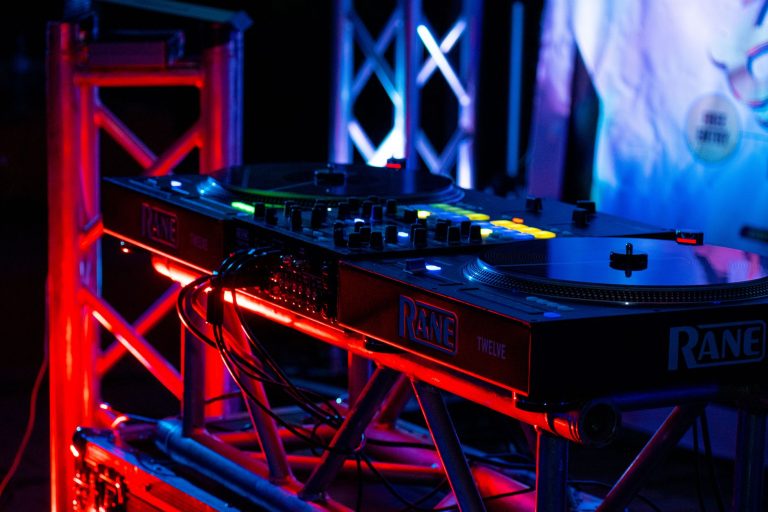
A Pioneer DJM-900NXS2 or DJM-A9 EQ is a performance tool. It tells you whether the kick, bass, and lead separate enough when you mix two records. That is valuable feedback for DJs and producers.
It is terrible for detailed mixing. A DJ EQ cut is a shovel. Use it to test transitions, not to finish a master bus.
- Use EQ Eight for fast subtractive moves and cleanup.
- Use Pro-Q 4 when exact frequency, stereo placement, or dynamic control matters.
- Use Soothe2 for moving harshness, not broad tonal balance.
- Use DJM EQ to test mixability, not to repair stems.
Low End: Tight Kick and Bass Without Guesswork
Low end exposes weak eq mixing techniques fast. Your room might lie at 70 Hz. Your headphones might hype 100 Hz. The club system will not care. Kick and bass need space by job, not by habit.
EQ Eight Handles the First Cleanup
On a kick, EQ Eight is perfect for boring maintenance. High-pass at 25 to 30 Hz with a 12 dB slope if the sample has junk below the fundamental. If the kick boxiness builds up, cut 180 to 260 Hz by 2 dB, Q around 1.2.
On bass, I often cut a small pocket where the kick fundamental sits. If the kick hits at 52 Hz, try a 1 to 2 dB dip in the bass around 50 to 55 Hz and let sidechain ducking do the heavier timing work.
Pro-Q 4 Wins the Kick-Bass Argument
Pro-Q 4 wins low-end disputes because dynamic bands react only when the conflict happens. Put a dynamic bell on the bass at the kick fundamental, sidechain it from the kick, and set range to about -2.5 dB. That keeps the bass full between kick hits.
This is one of the eq mixing techniques I would keep even if I had to strip a session down to five plugins. Static low-end cuts often make a drop smaller. Dynamic cuts keep the weight.
Soothe2 Gets Docked in the Sub Range
Soothe2 can smooth a growling bass top layer around 500 Hz to 2 kHz, but I do not like it managing subs. It can make low end feel cloudy because it reacts across time in a way that is harder to predict than a simple EQ curve.
If the bass is harsh, split it. Keep the sub clean below 120 Hz and process the mid-bass separately. That beats asking Soothe2 to police everything.
DJM EQ Shows Whether the Record Mixes
Load your bounce beside a released track on CDJ-3000s or a Pioneer DDJ-FLX10. Cut the lows on your track, blend the reference, then swap. If your bass disappears too hard or leaves mud when both lows are partly open, the arrangement is the issue.
A channel EQ test is crude, but it tells the truth about DJ use. I trust that check more than a pretty analyser screenshot.
- Leave roughly -6 dB headroom before limiting when judging low end.
- High-pass non-bass parts around 80 to 150 Hz only when they actually contain junk.
- Do not high-pass the kick just because a tutorial said so.
- Check kick and bass in 4-bar loops, then across the full drop.

Vocals, Synths, and Harshness: Dynamic Control Wins
Static EQ works until the singer leans into one word or the supersaw opens its filter. Then your neat cut at 3.2 kHz is either too much or not enough. Modern eq mixing techniques need movement.
EQ Eight Is Fine for Broad Vocal Shape
Use EQ Eight for the obvious moves: high-pass a vocal around 80 to 120 Hz, cut mud around 250 Hz, add air with a gentle shelf above 10 kHz if the recording can take it. Keep the Q wide unless you are fixing one clear ring.
For synths, I like EQ Eight before saturation. Cutting 300 Hz before a drive plugin stops the distortion from getting woolly. Simple order. Better result.
Pro-Q 4 Beats Static EQ on Harsh Notes
Pro-Q 4 is stronger when harshness appears only on certain notes. A dynamic dip at 2.7 kHz on a vocal, range around -3 dB, can save presence without making the verse dull.
On a lead synth, try a dynamic band around 4.5 kHz triggered internally. If the hook still hurts at low monitoring volume, the patch is too sharp, not just too loud.
Soothe2 Is the Harshness Specialist
Soothe2 earns its keep on brittle material. I like it on vocal buses, noisy risers, metallic percussion, and stacked synths that feel expensive alone but nasty together. Set depth low first. Around 2 to 3 is often enough.
The mistake is using it like a wet blanket. Heavy Soothe2 can remove attitude from a topline. If the vocal stops pushing through the beat, back it off.
DJM EQ Cannot Fix a Sharp Record
A DJM high EQ can hide a painful top end during a set, but that does not mean the mix is fixed. If you need to keep trimming highs every time your track comes in, the production is too bright.
That is a mix note, not a performance trick. Go back to the synth bus, hats, and vocal presence range.
- Check harshness quietly before checking it loud.
- Use dynamic EQ before reaching for a de-esser on synths.
- Try Soothe2 on buses, then compare against individual-channel fixes.
- Bypass every harshness fix at matched loudness.
Mid/Side and Stereo Moves: Width Without Wreckage
Width is where average mixes pretend to be finished. The sides get hyped, the center loses punch, and the mono check exposes the damage. Smart eq mixing techniques keep the vocal, kick, snare, and sub stable while the sides carry excitement.
EQ Eight Can Do Basic Stereo Cleanup
EQ Eight has modes that can help, but I mainly use it for practical stereo cleanup: remove low junk from wide pads, tame low mids on reverb returns, and keep delays from crowding the vocal center.
On a reverb return, high-pass around 180 Hz and low-pass around 9 to 12 kHz. That one move clears more space than another compressor.
Pro-Q 4 Owns Mid/Side EQ
Pro-Q 4 is the clear winner for mid/side EQ. Cut 250 Hz on the sides of a wide pad, not the whole pad. Add a tiny shelf above 8 kHz on the sides of a percussion bus if it needs lift. Leave the mid alone unless it asks for help.
This is where eq mixing techniques become arrangement decisions. If the chorus feels wide but the vocal gets smaller, your sides are stealing attention from the hook.
Soothe2 on Sides Can Save Bright Stacks
Soothe2 in side mode can be useful on wide synth stacks that fizz around 6 to 10 kHz. Keep it subtle. The goal is to reduce sandpaper, not turn the stereo image into fog.
I dock Soothe2 here for visibility. You must listen harder because the display does not tell the whole stereo story. A mono check after every pass is non-negotiable.
DJM EQ Rewards Clean Arrangement
When your record is arranged well, the DJM EQ feels easy. The lows can be swapped, the mids can overlap without vocals fighting, and the highs can sit open without hats spraying everywhere.
If transitions feel messy, do not blame the mixer first. Your midrange might be too crowded between 700 Hz and 2 kHz.
- Keep sub information mono below roughly 100 Hz.
- Use mid/side EQ on buses, not every random channel.
- Cut side low-mids before boosting side highs.
- Check mono after stereo EQ, not only at the end.
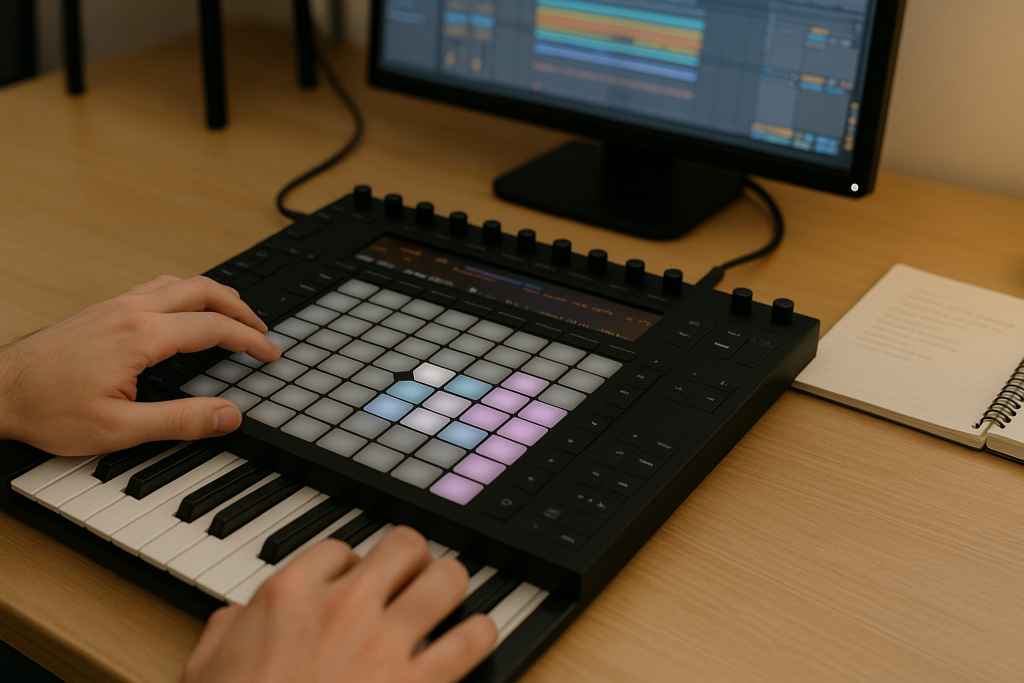
Speed Round: Bedroom Workflow vs Client Mix Workflow
A bedroom session and a paid custom music production handoff need different discipline. The bedroom producer needs fast decisions. A client mix needs recall, notes, and repeatable settings. The best eq mixing techniques are the ones you can explain later.
EQ Eight Is the Fast Draft Tool
For writing sessions, EQ Eight stays in first place. Throw it on drums, bass, vocals, and FX returns. Make broad cuts. Keep moving. If you stop writing for 25 minutes to notch a shaker, the tool is now running the session.
I like colour-coding cleanup EQs and leaving short notes: “kick pocket 55 Hz” or “vocal mud 240 Hz.” That makes later mixing less painful.
Pro-Q 4 Is the Paid Revision Tool
For client work, Pro-Q 4 is cleaner because settings are easy to read and adjust. If an artist asks why the vocal feels less boxy, you can show the 280 Hz dynamic cut and the 3 kHz control without guessing.
Among eq mixing techniques, documented dynamic EQ is the most revision-friendly. It sounds professional and survives feedback better than random broad cuts.
Soothe2 Needs Restraint in Deliverables
Soothe2 can make a rough vocal sound expensive fast, but printing too much of it into stems is risky. If the artist later wants more aggression, you may have already removed it.
Use it on buses with conservative depth and keep an unprocessed backup. That is not paranoia. That is session hygiene.
DJM EQ Is for Approval Testing
Before final approval on a club-focused track, test the bounce like a DJ. Use a DDJ-FLX10, CDJ-3000 setup, or even a controller mapped to three-band EQ. Mix into two reference records in the same style.
If your drop only works when the reference is fully killed, the low end is too selfish. Fix the arrangement and EQ before mastering.
- Writing session: stock EQ first, detailed EQ later.
- Client session: label the reason for important EQ moves.
- Stem delivery: avoid printing extreme resonance suppression unless approved.
- DJ test: blend with references, not just against silence.
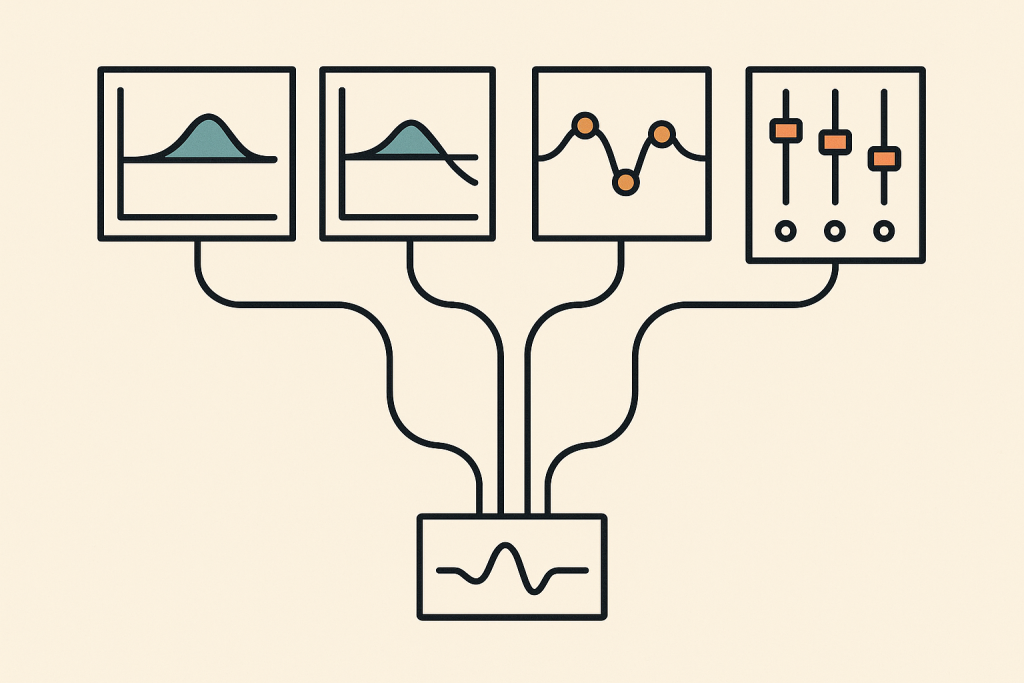
Who Should Pick What
Here is the call. If you are new, stop shopping and learn EQ Eight properly. If you are delivering records to artists, buy or rent a serious dynamic EQ like Pro-Q 4. If your recordings or synth stacks are harsh, add Soothe2. If you DJ, keep using the mixer EQ as a translation test, not a mix tool.
Best Pick for Aspiring DJs
DJs should prioritise the DJM-style EQ test and basic EQ Eight cleanup. Your main problem is not micro-surgery. It is whether your edit blends across 16 or 32 bars without the kick and bass fighting another record.
Use eq mixing techniques that protect mixability: mono sub, controlled low mids, and highs that do not punish the room.
Best Pick for Bedroom Producers
Bedroom producers should live inside EQ Eight for six months. Learn what 150 Hz, 300 Hz, 1 kHz, 3 kHz, and 8 kHz actually sound like on your monitors. That beats buying a plugin you do not understand.
Add Pro-Q 4 when you can hear the problem before seeing it. Until then, the extra display can slow you down.
Best Pick for Artists Checking Ghost Production Work
Artists reviewing a custom production should ask for clean stems, not just a loud master. Check whether the vocal has room, whether the low end holds up quietly, and whether the track blends with two references.
If a producer used Soothe2 or dynamic EQ, that is fine. What matters is whether the mix still has character when those processors are bypassed or revised.
My Final Ranking
For most producers, the ranking is simple: Pro-Q 4 first for serious mixing, EQ Eight first for speed and learning, Soothe2 third as a specialist, DJM EQ fourth as a translation check. I am not ranking by price. I am ranking by how often the tool solves the real problem.
The strongest eq mixing techniques are not the fanciest ones. They are the ones that let the track hit harder after you remove the bypass button.
- Pick EQ Eight if you need speed, discipline, and fewer distractions.
- Pick Pro-Q 4 if you mix vocals, stems, or client records seriously.
- Pick Soothe2 if harshness keeps surviving normal EQ moves.
- Pick DJM EQ if you need honest DJ translation checks.
| Option | Best Use | Where It Loses Points | Verdict |
|---|---|---|---|
| Ableton EQ Eight | Fast subtractive EQ, high-pass cleanup, broad channel shaping | Limited visual detail for complex dynamic or mid/side decisions | Best first EQ for bedroom producers |
| FabFilter Pro-Q 4 | Dynamic EQ, mid/side moves, surgical cuts, client revisions | Encourages over-editing if you mix with your eyes | Best overall choice for serious mixing |
| Soothe2 | Moving harshness on vocals, synth buses, cymbals, and distorted layers | Can flatten tone and feels risky on subs | Best specialist tool, not a main EQ |
| Pioneer DJM EQ | Testing blends, transitions, and club-friendly arrangement balance | Too blunt for final mix correction | Best translation check for DJs |
| Static subtractive workflow | Removing mud, rumble, and obvious masking before compression | Fails when the problem changes note by note | Reliable foundation, not the whole job |
| Dynamic EQ workflow | Kick-bass pockets, vocal harshness, changing synth resonances | Takes longer to set correctly | Most useful modern workflow |
Further reading
- Ableton EQ Eight manual — Official Ableton documentation for EQ Eight controls, modes, and practical operation.
- Sound On Sound EQ techniques — Long-running professional audio publication with detailed educational material on equalisation.
Frequently asked questions
What are the best eq mixing techniques for beginners?
Start with subtractive EQ, not boosts. High-pass only when needed, cut low-mid buildup around 200 to 350 Hz, and compare every move with the bypass at matched loudness. Use Ableton EQ Eight or another stock EQ first. You need trained ears before premium plugins become useful.
Is dynamic EQ better than normal EQ?
Dynamic EQ is better when the problem changes over time, like a vocal getting harsh only on loud notes or bass masking the kick only on hits. Normal EQ is better for constant problems, such as rumble or steady boxiness. I reach for static EQ first, then dynamic EQ when static cuts shrink the sound.
Should DJs learn EQ mixing or just use the mixer EQ?
DJs should learn both, but for different reasons. Mixer EQ helps with transitions in real time. Production EQ fixes the actual track before it reaches the decks. If your own edit needs heavy DJM EQ to blend every time, the mix probably needs low-mid or low-end work.
Where should I cut muddy frequencies?
Mud often sits between 180 and 350 Hz, but do not cut that range blindly. Sweep a bell, find the buildup, then reduce by 1 to 3 dB. Check kick, bass, vocals, pads, and reverb returns first. Reverb low mids are a common offender in dance mixes.
Can Soothe2 replace FabFilter Pro-Q 4?
No. Soothe2 controls resonances that move around, while Pro-Q 4 handles exact EQ decisions, dynamic bands, mid/side work, and broad tonal shaping. Soothe2 is brilliant on harsh buses, but using it as your only EQ makes mixes vague and hard to revise.
How much EQ is too much on a master bus?
If you need more than 1 or 2 dB of broad EQ on the master bus, check the mix first. A tiny shelf or low-mid trim is normal. Big master EQ moves usually mean the kick, bass, vocal, or synth bus is wrong upstream.
Conclusion
eq mixing techniques are not about owning every plugin with a pretty analyser. The winner depends on the job, and I would pick Pro-Q 4 for serious mixes, EQ Eight for writing speed and training, Soothe2 for stubborn harshness, and DJM EQ for DJ translation checks. That is the clean ranking.
The practical move is simple: open your next session, choose one problem area, and test these tools against each other at matched loudness. Start with kick and bass. Try one static cut, one dynamic pocket, and one DJ-style blend test against a reference. Keep the move that makes the track hit harder with less explanation.
Eq mixing techniques — Quick Recap
The fastest way to lock in eq mixing techniques is to internalise the workflow above and repeat it on every project. Start small: pick one technique from this eq mixing techniques guide, apply it to your next session, and audit the result against a reference track.
- eq mixing techniques work best when the tool matches the problem.
- EQ Eight is the best learning and speed tool, especially in Ableton sessions.
- Pro-Q 4 wins for dynamic EQ, mid/side control, and client-friendly revisions.
- Soothe2 is excellent for harshness, but it should not replace normal EQ.
Treat eq mixing techniques as a habit, not a one-off — the producers who consistently nail eq mixing techniques are the ones who run the same checks on every track. That’s the difference between a clean, club-ready master and a track that sounds great at home but falls apart on a real system.
In a real studio session, eq mixing techniques comes down to the order in which you make decisions: reference first, gain stage second, then the creative work. Producers who treat eq mixing techniques as a checklist instead of a vibe end up shipping more tracks.
Most producers and DJs undervalue eq mixing techniques because the wins are invisible until the track plays back on a real system. Bake eq mixing techniques into your template and the next ten projects benefit automatically.
When you struggle with eq mixing techniques, the fix is rarely a new plugin. Loop a problem section, A/B against a reference, and isolate which element is breaking your eq mixing techniques.
Treat eq mixing techniques as a craft, not a chore. The producers releasing on the biggest labels lock eq mixing techniques in early so they can spend their energy on melody and arrangement instead of fighting the mix.
Document your eq mixing techniques process — even a short note in the project file. Future-you will rebuild the same eq mixing techniques win in half the time.
If eq mixing techniques sounds great in headphones but bad in the car, you have a translation problem, not a creative one. The eq mixing techniques tweaks above are designed to survive every system.
Schedule a recurring eq mixing techniques pass on every project: same checklist, same reference tracks. Repeating eq mixing techniques drills is what separates a consistent producer from a lucky one.
My Career makes videos from your own track and posts them for you, pitches your release to 34,000+ labels, playlists, radio stations, YouTube channels and blogs, puts it in every store and briefs you every morning. Free plan, no card, two minutes to set up.