 By Emma Carter · August 6, 2026
Edm schools are useful only if they get you from blank project to finished track, not just a folder of half-built drops. The best edm schools work like a driving instructor: they sit beside you, correct the bad habits early, and make you repeat the boring moves until they happen automatically.
If you are choosing between online lessons, a local DJ school, a full degree, or a free EDM course, judge the path by output. Can you finish a 3-minute arrangement? Can you clean a kick and bass clash? Can you prepare stems (separate audio files for drums, bass, music and vocals) for mixing or ghost production? Those questions matter more than a glossy campus video.
What EDM schools Should Teach Before You Pay
Think of a course like a gym plan. Buying access to machines does not make you stronger. The program has to tell you what to lift, how often, and when your form is wrong.
For production, that means a clear route through DAW basics, drum programming, arrangement, mixing, and release prep. A DAW, or digital audio workstation, is the software where you record, arrange and mix music. Ableton Live, FL Studio and Logic Pro are common choices, but the lesson structure matters more than the badge on the screen.
A simple EDM schools checklist
Good edm schools should show their actual weekly workload. A vague promise to “make professional tracks” is not enough. Look for assignments with deadlines, feedback sessions, and finished exports.
- Week 1 to 2: drum rack, basic MIDI, 4-bar loop, gain staging.
- Week 3 to 4: bass line, chord progression, automation and transitions.
- Week 5 to 6: arrangement from intro to outro, 2:30 to 4:00 long.
- Week 7 to 8: EQ, compression, sidechain and reference checking.
Terms a beginner should hear early
EQ, or equalization, is traffic control for frequencies. If the kick drum owns 50 Hz and the bass also parks there, the low end jams up. A beginner course should teach cuts like -3 dB around 220 Hz for boxy drums, not just say “remove mud.”
Compression is a volume rider. It turns loud parts down after they cross a threshold. Sidechain ducking is a conversation: when the kick speaks, the bass steps back for 80 to 150 ms so the groove breathes.
- Ask for a syllabus before paying.
- Check whether feedback is written, video-based or live.
- Avoid courses that only teach one drop style.
- Look for at least two finished track assignments.
- Make sure mixdown basics are taught before mastering.

EDM Schools Online vs Near Me: Pick the Right Room
Choosing between online and local training is like choosing between a home gym and a boxing coach in the room. Online gives you flexibility. Local training gives you pressure, room sound, and gear you may not own.
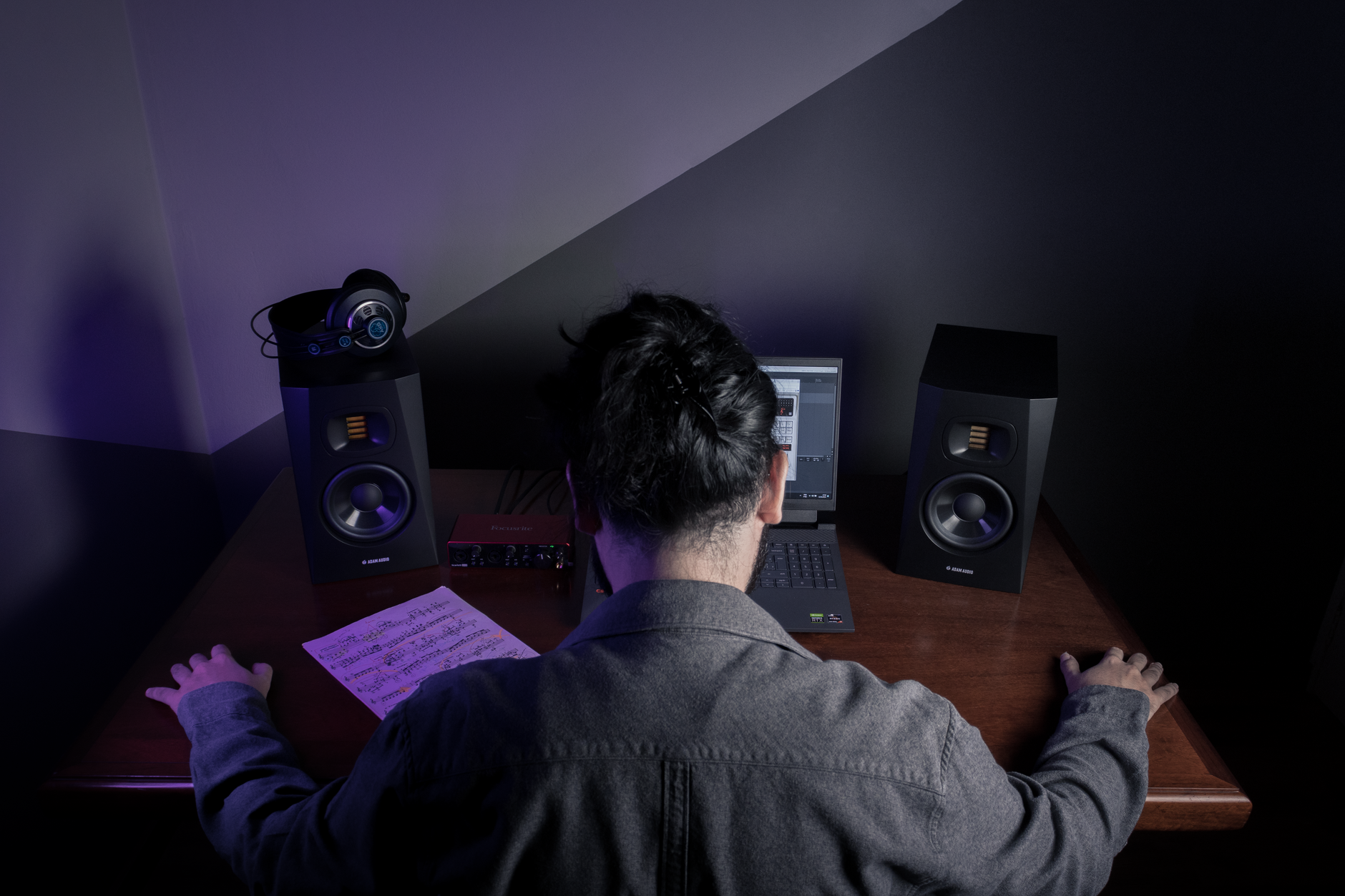
If you search for edm schools near me, do not stop at distance. Visit the room if you can. Listen to the monitors. Neumann KH 120s in a treated room tell you more than laptop speakers in a glass office. Ask whether you will touch DJ players, MIDI controllers and mixers, or only watch someone else use them.
When EDM schools online make more sense
Online courses suit adults with jobs, parents, and anyone working odd hours. They are strongest when lessons are short and practical: one 12-minute video, one task, one upload. A three-hour lecture on synthesis will not help if you cannot finish a bass patch.
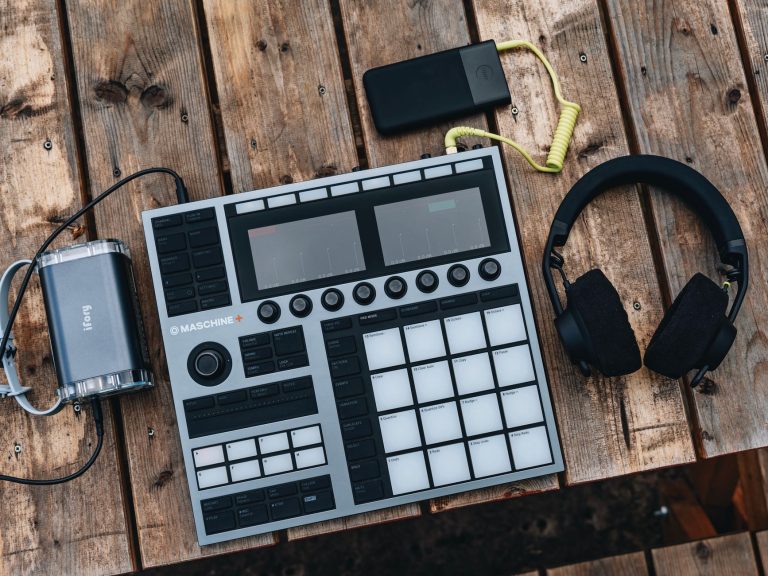
For a starter setup, a laptop, headphones, one DAW and a small controller are enough. Ableton Push 3 is excellent if the course is Ableton-based, but it is not required. A $99 MIDI keyboard can still teach chords, velocity and timing.
When local DJ training wins
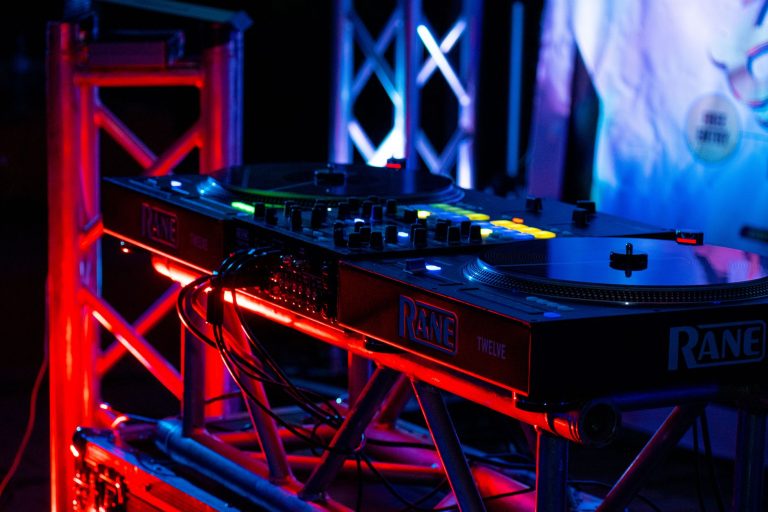
DJ lessons are physical. Beatmatching, cueing and mixer gain feel different under your hands than they look on a screen. If your goal is club work, a local school with CDJ-3000 players, a proper mixer and Rekordbox prep is worth considering.
Ask whether students practice 30-minute sets, not just isolated transitions. A real DJ class should cover phrasing, which means mixing in musical blocks, usually 4, 8, 16 or 32 bars.
- Choose online if schedule and budget are tight.
- Choose local if you need DJ booth practice.
- Ask adults-only schools about evening class times.
- Avoid any room with untreated echo and no headphones policy.
- Record one practice mix every week and review the mistakes.

What a Real EDM Production School Curriculum Looks Like
A solid EDM production school should feel like building a house. Drums are the foundation, bass is the frame, chords and hooks are the rooms, and mixdown is the wiring. Paint comes last.
The mistake beginners make is starting with mastering. Mastering is final polish on a finished stereo file. It cannot rescue a weak kick, a thin bass or an 8-bar loop stretched for three minutes.
The minimum finished-track path
A practical curriculum should push you through complete songs early. The first finish may sound rough. That is fine. Finishing teaches arrangement, energy control and decision-making faster than polishing one loop for six weeks.
- Build drums at -6 dB peak headroom on the master channel.
- Write a bass line that leaves space for the kick fundamental.
- Create an intro, breakdown, build, drop and outro.
- Use sidechain ducking on bass and pads, not every sound by default.
- Export a WAV and MP3, then check both on earbuds and car speakers.
Mixing basics that should be taught clearly
A beginner mix module should not drown you in plugin names. It should teach repeatable moves. High-pass non-bass sounds around 80 to 150 Hz. Use a spectrum analyzer only to confirm what your ears already suspect. Keep the vocal or lead hook 1 to 2 dB louder than supporting synths.
In our own catalogue work, we regularly analyze why some tracks sell better than others, and the same pattern shows up often: clean low end and obvious arrangement usually beat fancy sound design with no hook.
- One finished track beats ten polished loops.
- Arrangement should be taught before advanced mastering.
- Reference tracks should match genre and tempo.
- Feedback should mention timestamps, not vague feelings.
- Students should learn stems, premaster exports and file naming.

Free EDM Course Routes That Still Build Real Skill
Free learning is like using public workout equipment in a park. You can get strong there, but nobody is stopping you from skipping leg day. The structure has to come from you.
Free edm schools are usually not schools in the formal sense. They are playlists, community lessons, DAW tutorials and practice challenges. That can work if you build a weekly plan and stop collecting tabs.
A 30-day free plan
Use one DAW and one genre for 30 days. Do not switch from melodic techno to dubstep to house every weekend. Pick a reference track, set the project tempo within 2 BPM of it, and rebuild the arrangement with your own sounds.
- Days 1 to 7: drums, swing, velocity and 8-bar loops.
- Days 8 to 14: bass, sidechain and basic EQ.
- Days 15 to 21: breakdowns, risers, fills and automation.
- Days 22 to 30: full arrangement, mix pass and export.
How to use Reddit without copying the crowd
Searches like best EDM production course reddit can be useful for spotting red flags: outdated lessons, no feedback, dead communities, or teachers who cannot show student results. Treat Reddit like a noisy control room. Useful comments exist, but you still need your own ears.
Before buying anything, post a private checklist for yourself: price, feedback type, track count, genre fit, refund window and time required each week.
- Use free lessons to test your discipline first.
- Limit yourself to one main YouTube teacher per month.
- Finish a track before buying another sample pack.
- Keep a notes document with every mix correction.
- Pay only when feedback becomes the missing piece.

How to Judge the Best EDM Schools Without Guessing
Picking a school is like auditioning a vocalist. The name matters less than the take you hear back through the monitors. Judge the output.
The best edm schools for one producer may be wrong for another. A future DJ needs booth time. A bedroom producer needs finished arrangements. An artist looking at custom music production should learn enough vocabulary to brief producers clearly: BPM, key, reference track, stems, topline and mix notes.
Numbers that make the choice easier
Use hard limits. If a course costs more than your monthly rent, it needs live feedback and serious portfolio work. If it is under $100, expect self-study and no personal critique. Neither is bad, but confusing the two leads to disappointment.
- Free to $100: good for testing interest and learning DAW basics.
- $200 to $800: good for focused online production courses with assignments.
- $1,000 to $5,000: should include live critique, projects and community access.
- Degree-level cost: only makes sense if you want broader music, audio or career training.
Questions to ask before enrollment
Ask to hear student work from before and after the course. Ask who gives feedback and how often. Ask whether your genre is actually covered. Future bass, Afro house, drum and bass and techno do not share the same drum programming habits.
If the answer to every question is “it depends,” keep looking. A school that teaches beginners should be able to explain its method in plain language.
- Pick the course that forces finished exports.
- Make feedback non-negotiable once you pass the beginner stage.
- Do not pay degree money for tutorial-library support.
- Choose DJ schools by hands-on booth time.
- Choose production schools by student track quality.
| Path | Typical Cost | Feedback Level | Best Fit |
|---|---|---|---|
| Free EDM course route | $0 | None to community comments | Testing discipline and learning DAW basics |
| Online EDM production school | $200 to $800 | Assignments, video notes or group calls | Bedroom producers finishing first tracks |
| Local DJ school | $50 to $150 per lesson | Live correction in the room | Aspiring DJs needing CDJ and mixer practice |
| Music production degree | $10,000+ per year in many markets | Structured academic and practical feedback | Students wanting broader audio, music and career training |
Worth a deeper read: Ableton Learning Music.
Frequently asked questions
What degree is an EDM?
EDM means electronic dance music, not a degree. If you want formal study, look for degrees or certificates in music production, audio engineering, electronic music, sound design or music technology. A degree can help with broad training, but many producers learn through focused courses, mentorship and finished releases.
Why do ADHD people like EDM music?
Some people with ADHD may enjoy EDM because steady rhythm, repetition, clear builds and strong drops can feel organizing or stimulating. That does not mean EDM is a treatment or that everyone with ADHD reacts the same way. Musical preference is personal, and the brain responds differently to tempo, texture and repetition.
What school is better than Juilliard for EDM production?
Juilliard is famous for classical performance and composition, not specifically EDM production. For electronic music, a better fit may be a school or course focused on DAWs, synthesis, mixing and release-ready projects. Compare curriculum, student work, feedback access and genre coverage instead of judging by prestige alone.
Are EDM schools the same as schools to become a DJ?
Not always. Some edm schools focus on production, meaning you make tracks in a DAW. DJ schools focus on beatmatching, phrasing, library prep, club gear and performance. The best choice depends on whether you want to produce original music, play sets, or build both skills together.
The short version
- Choose a course by finished tracks, not marketing language.
- Online training works well when lessons include assignments and feedback.
- Local DJ schools are strongest when you need real booth practice.
- A serious EDM production school should teach arrangement before mastering.
- Free courses can work if you follow a 30-day structure and finish one track.
- Ask for student results, feedback details and genre coverage before paying.
Where to go from here
edm schools are worth considering when they shorten the distance between confusion and finished music. The right course should make you practice the unglamorous parts: gain staging, clean low end, 4-bar and 8-bar phrasing, arrangement, export settings and honest feedback.
Start with the cheapest path that still gives you structure. If you are brand new, run a 30-day free plan and finish one rough track. If you already make loops but never complete songs, pay for feedback. If you want to DJ, spend time on real players and mixers. Before your next session, write one target at the top of the project: finish the arrangement, fix the low end, or record a 30-minute mix.
My Career makes videos from your own track and posts them for you, pitches your release to 34,000+ labels, playlists, radio stations, YouTube channels and blogs, puts it in every store and briefs you every morning. Free plan, no card, two minutes to set up.