What is lo.fi gets confusing fast because half the internet uses it for chill study beats, while producers use it for a specific kind of damaged, intimate sound. If you searched what is lo.fi, you probably want the plain answer first: lo-fi means low fidelity, a sound where noise, distortion, wobble, reduced bandwidth and human imperfection are part of the character instead of mistakes to remove.
That does not mean bad mixing. A good lo-fi record still has controlled low-end, readable drums, intentional texture and enough headroom to survive streaming compression or a DJ set. The difference is taste. You might low-pass a Rhodes at 8 kHz, add tape wow, detune a synth by 7 cents, or leave a vinyl crackle bed at -28 dB because the track feels colder without it. The trick is knowing what to rough up, and what to keep clean.
What Is Lo.Fi, and Why Does the Dot Confuse People?
The clean spelling is usually lo-fi, short for low fidelity. The search phrase what is lo.fi comes from people treating it like a file extension or a genre tag with a dot in it. Same question, different typing habit.
Musically, lo-fi means the record keeps artifacts that older engineers were trained to avoid: hiss, hum, clipped transients, tape flutter, vinyl crackle, dull top-end, sampler aliasing and loose timing. The point is not technical failure. The point is emotional distance from clean, polished, clinical sound.
What is lo.fi in producer terms?
For a producer, lo-fi is a set of choices. You can make a hi-fi track with a lo-fi intro, a lo-fi drum bus under a clean vocal, or a whole beat that feels like it came off an old cassette.
The useful question is not whether the track is “low quality.” It is whether the degradation helps the groove. A 12 kHz low-pass on a piano might feel warm. The same filter on the full master might make the kick disappear on phone speakers.
- Lo-fi is short for low fidelity.
- The dot in lo.fi is a search habit, not the standard spelling.
- Noise and distortion are used as tone, not accidents.
- A lo-fi mix can still be balanced, loud and release-ready.
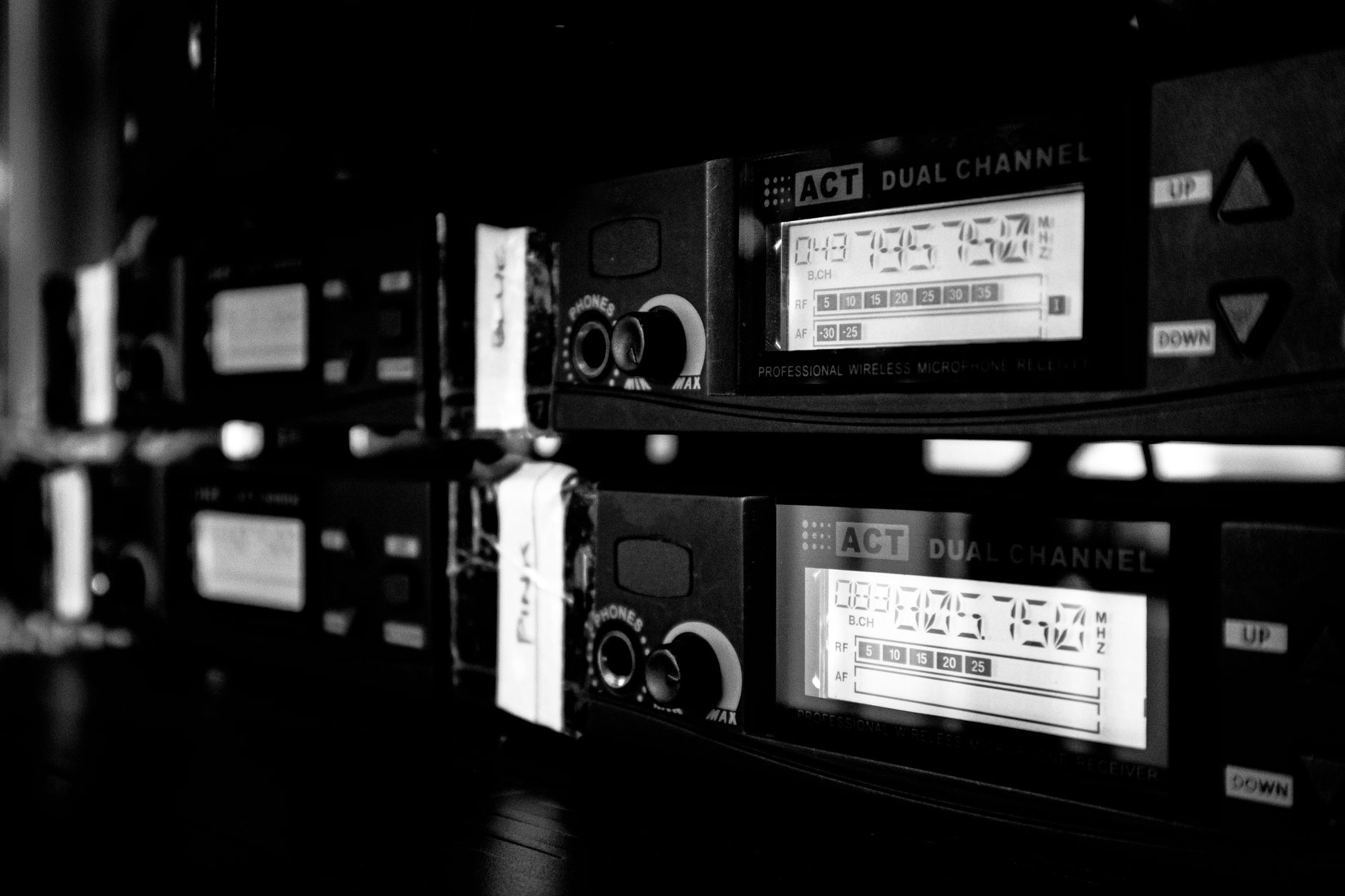
Is Lo-Fi a Genre, a Sound, or a Production Technique?
It is all three, but that answer is too loose for a session. Lo-fi as a genre usually points to lo-fi hip hop, dusty house, ambient beat tapes and indie electronic tracks built around soft drums and nostalgic texture. Lo-fi as a sound can appear inside trap, techno, pop, downtempo or drum and bass.
As a technique, it means you are lowering fidelity on purpose. That can be tiny, like adding 1 dB of saturation to a drum bus, or obvious, like resampling the whole beat through a cassette deck emulation.
Where does lo-fi usually show up?
Lo-fi hip hop leans on swung drums, jazz chords, dusty samples and soft sidechain movement. Lo-fi house often keeps the four-on-the-floor kick but roughs up the hats, chords and master bus with saturation and filtering.
We see this constantly with producers from different countries: the style changes by scene, but the emotional target stays similar. Warm, imperfect, close to the listener. That is why a Tokyo-inspired beat tape and a raw European house loop can both feel lo-fi without sharing the same drum pattern.
- Genre: lo-fi hip hop, lo-fi house, ambient beat music.
- Sound: warm, worn, noisy, filtered, unstable.
- Technique: deliberate degradation using saturation, sampling and filtering.
- Arrangement choice: short loops, soft intros, sleepy drum movement.
Lo.Fi vs Lo-Fi: Are They Actually Different?
No meaningful musical difference exists between lo.fi and lo-fi. If somebody asks what is lo.fi, they almost always mean the same thing as lo-fi music. The hyphenated spelling is the normal one in music writing, plugin names and production discussions.
The only practical difference is search behavior. Producers, playlist curators and labels will understand “lo-fi.” Search engines still catch “lo.fi” because people type it that way. Use lo-fi in track descriptions, tags and briefs unless you have a branding reason to stylize it.
Which spelling should artists use?
Use lo-fi for public-facing copy. It reads correctly, matches the historical term low fidelity, and avoids making your artist bio look like a typo. If you are naming a project or visual concept, lo.fi can work as a stylized title, but keep the genre tag clean.
For briefs to a producer, be more specific than either spelling. Say “lo-fi hip hop around 78 BPM with vinyl bed, Rhodes chords and soft sidechain,” or “lo-fi house at 122 BPM with saturated chords and loose hats.” That gets results.
- Lo-fi is the standard spelling.
- Lo.fi is usually a typed search variant.
- Low fidelity is the original phrase.
- For music briefs, describe the tempo, drums and texture.

What Should a Lo-Fi Track Actually Sound Like?
A good lo-fi track feels worn but not broken. The kick still has a center. The snare or rim still speaks. The chords feel soft around the edges. The noise sits behind the music instead of fighting the lead sound.
Most weak lo-fi mixes fail because every part is degraded equally. If the kick, bass, keys, hats, vocal chops and master all get crushed, the listener hears mush. Pick two or three targets and leave the rest fairly stable.
What are the core sound markers?
Start with bandwidth. Many lo-fi parts lose extreme top-end and deep sub. A Rhodes patch might be high-passed at 90 Hz and low-passed at 9 kHz. A drum break might get a 2 dB dip around 300 Hz to stop boxiness after saturation.
Then add motion. Tape wow around 0.15 to 0.35 percent can make chords breathe without sounding seasick. Subtle pitch drift, maybe 4 to 9 cents, works well on pads and keys. Keep the bass more stable unless the track is purely headphone music.
- Soft highs instead of sharp air.
- Warm mids around 400 Hz to 2 kHz.
- Controlled noise at low volume.
- Small pitch movement on musical parts.
- Loose drum timing without losing the downbeat.

How Do You Make Lo-Fi Drums Without Killing the Groove?
Lo-fi drums need dirt, but they still need pocket. The easiest mistake is throwing bitcrush on the whole drum group and calling it done. That usually eats the transient, smears the hats and makes the snare smaller.
Build the groove clean first. Then rough it up in layers. Keep the kick fundamental clear, often around 50 to 80 Hz for hip hop or 45 to 60 Hz for slower house. If the kick loses weight after saturation, blend the clean kick back in underneath.
What drum settings work fast?
Try this chain on a drum bus: light saturation, compressor shaving 1 to 2 dB on peaks, then an EQ low-pass around 12 kHz if the hats feel too shiny. If you use RC-20 Retro Color, keep Noise low, around 6 to 12 percent, and avoid maxing Wobble on the whole kit.
For swing, push hats late by 8 to 18 ms or use 54 to 58 percent swing on 16th notes. Leave the main kick on-grid more often than not. A lazy kick sounds cool for two bars, then the track starts dragging.
- Keep a clean kick layer if saturation removes punch.
- Move hats later by 8 to 18 ms for a human pocket.
- Use parallel distortion instead of crushing the whole drum bus.
- Low-pass harsh hats around 10 to 13 kHz.
- Check the snare around 180 to 220 Hz for body.
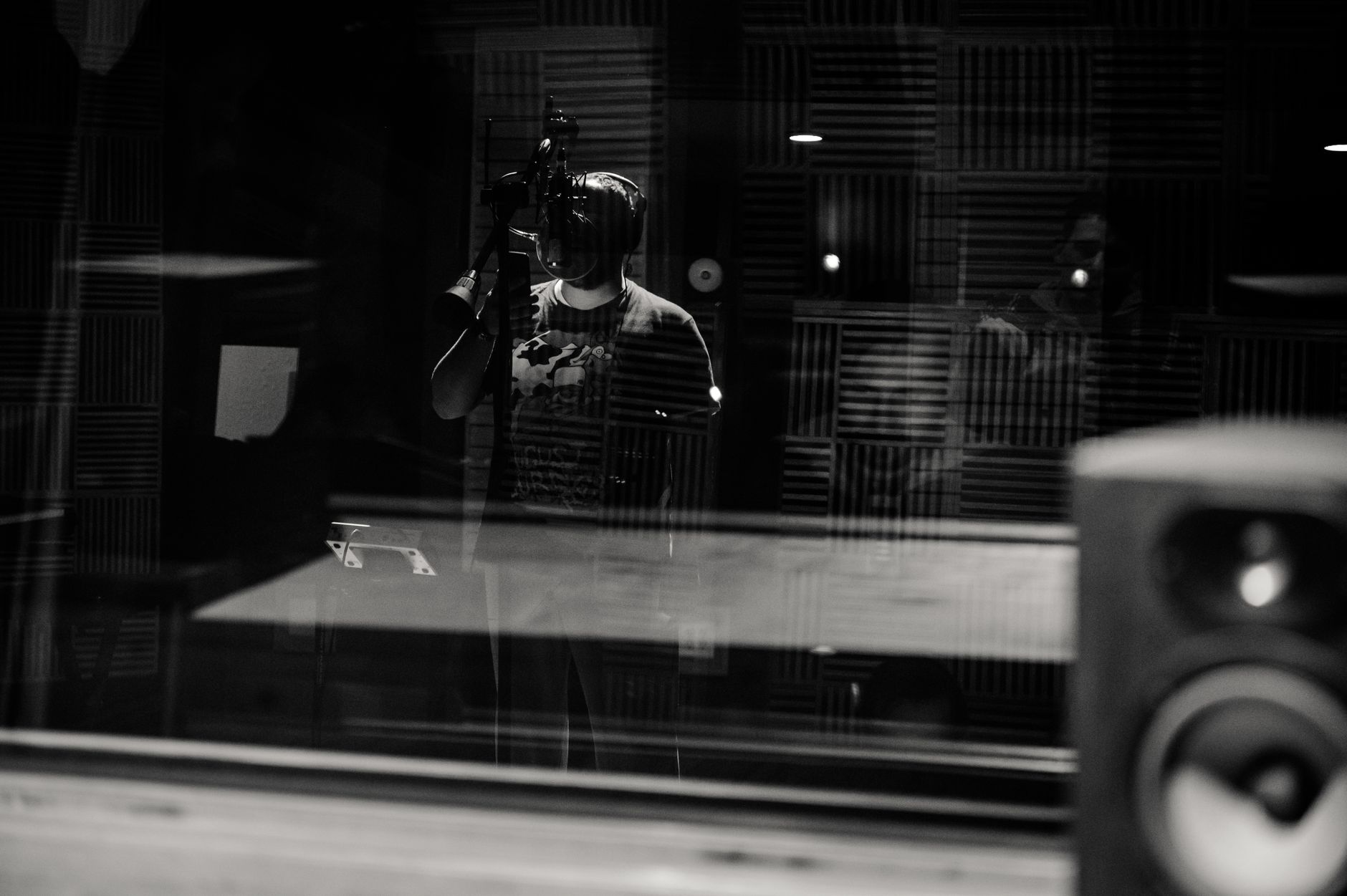
Which Chords, Samples, and Synths Fit Lo-Fi Best?
Lo-fi harmony loves color. Minor 7ths, major 7ths, 9ths, 11ths and simple borrowed chords do more than plain triads when the arrangement is sparse. You do not need jazz theory mastery, but you do need notes that can loop for a minute without feeling empty.
Samples work because they bring history with them. A chopped piano phrase, dusty guitar lick or old soul-style chord stab already has room noise, performance wobble and imperfect tuning. If you use samples, clear them properly or use royalty-free source material.
Can synths sound lo-fi without samples?
Yes. Vital can do it easily if you avoid glossy supersaw habits. Start with a sine or triangle-based patch, add a soft low-pass filter around 6 to 8 kHz, then use slow pitch modulation at tiny depth. Add chorus carefully, not as a giant stereo wash.
A hardware mono synth like a Moog Subsequent 37 can work for warm bass or simple lead lines, but do not wobble the sub too much. For lo-fi bass, a low-passed square wave with a touch of drive often beats a complex patch.
- Try minor 7, major 7 and 9 chords before adding more plugins.
- High-pass keys around 80 to 140 Hz to leave bass space.
- Detune melodic layers by 4 to 9 cents, not 40.
- Use mono bass if the track needs DJ playback.
- Chop samples on 1-bar or 2-bar phrases for a classic loop feel.
How Much Noise, Vinyl Crackle, and Tape Saturation Is Too Much?
Noise is seasoning. Too much turns into a blanket over the record. A vinyl crackle loop should usually sit around -30 to -24 dBFS under the music, lower if it has sharp clicks. If you can hear the crackle clearly during the hook on laptop speakers, it may be too loud.
Tape saturation is similar. It can round transients, thicken mids and glue loops together. Push it too far and your kick loses attack, your stereo image folds inward and the master gets cloudy around 200 to 500 Hz.
Where should degradation happen in the chain?
Put obvious degradation on individual sounds first. Keys, samples, pads and percussion can take more damage than the full mix. Save master-bus texture for subtle work, like 0.5 to 1.5 dB of saturation gain or a barely moving wow effect.
If your DAW has stock tools, use them before buying anything. Ableton Live’s Redux at low wet levels can add grit. FL Studio’s Fruity Love Philter can create dull, moving tone. The tool matters less than level-matching before and after, because louder dirt always feels better for the first ten seconds.
- Keep crackle beds roughly between -30 and -24 dBFS.
- Filter noise so it does not fight vocals or snares.
- Use saturation on keys and drums before touching the master.
- Level-match processed and unprocessed signals.
- Cut 250 to 400 Hz if saturation makes the loop boxy.
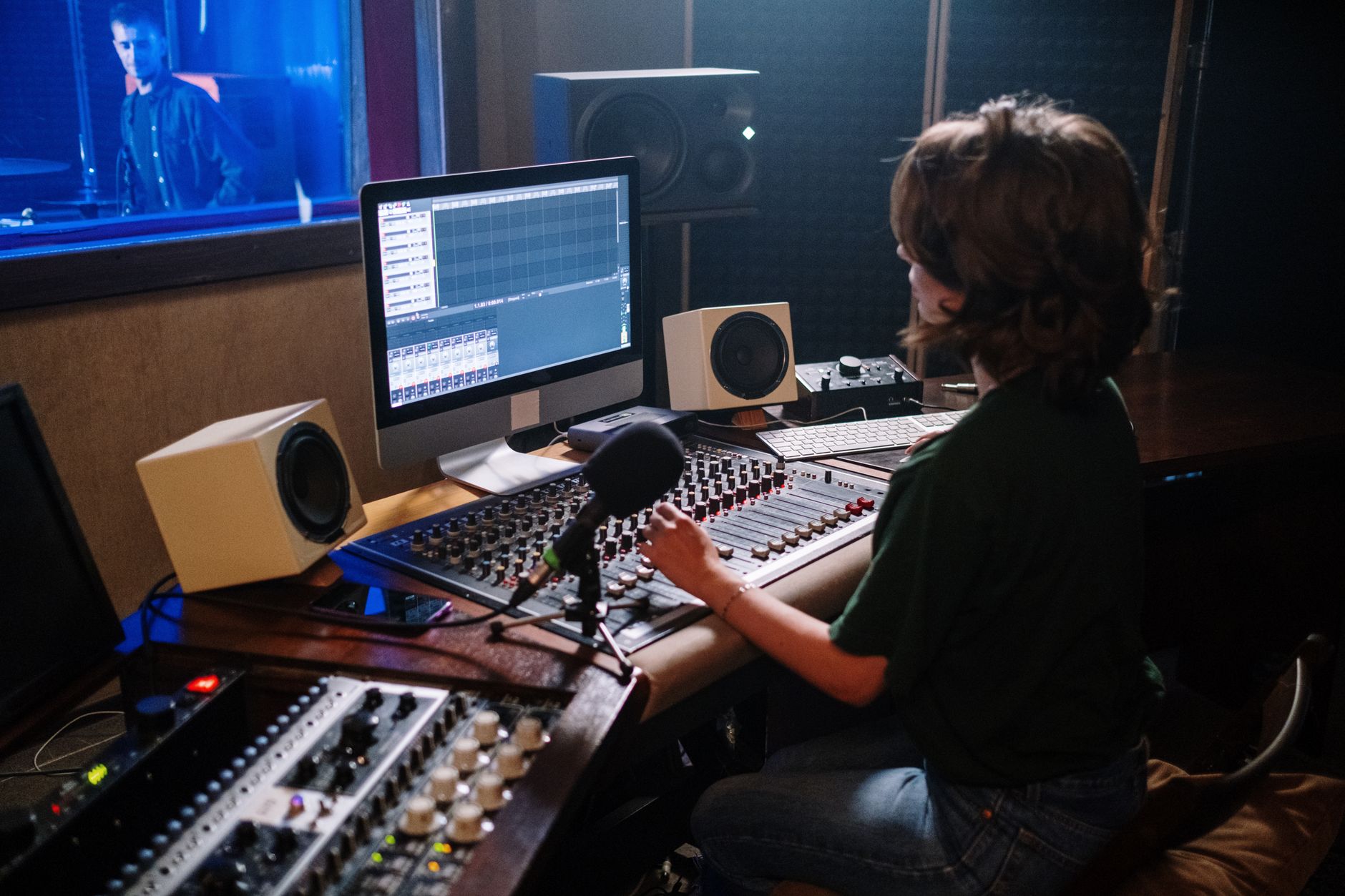
Can Lo-Fi Work in DJ Sets and Club Systems?
Yes, but not every lo-fi beat belongs on a club system. A headphone beat can have a soft kick, narrow bass and lots of texture. A DJ-friendly lo-fi house track needs stronger low-end, cleaner transients and an intro that gives the next DJ something to mix.
If you want DJs to play it, arrange like a DJ. Give them 16 or 32 bars of usable intro, keep the first kick consistent, and avoid huge vinyl crackle in the section where two tracks overlap. Texture is cool until it masks the outgoing track’s hats.
What should be checked before export?
Check the low-end on monitors and headphones. Yamaha HS8 monitors will show more low information than small desktop speakers, but your room can lie. If the room is untreated, Sonarworks SoundID can help you spot problems, though it will not fix bad arrangement choices.
Leave around -6 dB peak headroom before mastering. For a rough self-master, aim for dynamics that still breathe. Lo-fi does not need to be crushed to -6 LUFS. Many tracks feel better around -11 to -9 LUFS integrated, depending on genre and release target.
- Use 16 or 32-bar DJ-friendly intros for house tracks.
- Keep kick and bass cleaner than the texture layers.
- Check mono below 120 Hz.
- Leave about -6 dB peak headroom before mastering.
- Avoid loud crackle during mix-in and mix-out sections.
| Term | What It Means | Where To Use It | Producer Takeaway |
|---|---|---|---|
| what is lo.fi | A common search phrase for the meaning of lo-fi. | Search queries, beginner questions, casual typing. | The dot is not a separate music term. |
| Lo-Fi | Short for low fidelity, meaning intentionally imperfect sound. | Track tags, briefs, playlists, production notes. | Use controlled noise, saturation, filtering and pitch movement. |
| Low fidelity | The full technical phrase behind lo-fi. | Definitions, audio history, formal writing. | It describes reduced fidelity, not lazy production. |
| Lo-fi music | A broad style covering hip hop, house, ambient and indie forms. | Genre descriptions and artist positioning. | Name the tempo and reference style for clearer direction. |
Worth a deeper read: Lo.
Common questions
What is lo.fi in simple words?
Lo.fi usually means lo-fi, short for low fidelity. In music, it describes a warm, imperfect sound that uses noise, distortion, filtering, pitch wobble or old-sampler character on purpose. It is not simply bad audio quality. Good lo-fi is controlled and intentional.
Is lo-fi the same as lo-fi hip hop?
No. Lo-fi is a sound or approach, while lo-fi hip hop is one genre that uses it heavily. Lo-fi can also appear in house, ambient, indie electronic, pop intros, beat tapes and sample-based tracks.
Why is lo-fi music relaxing?
Lo-fi often feels relaxing because the highs are softer, the drums are less aggressive, and the imperfections feel human. Repeating loops, warm chords, vinyl noise and gentle swing create a low-pressure listening space compared with bright, polished dance records.
Can I make lo-fi music without expensive plugins?
Yes. Stock EQ, saturation, delay, chorus, bit reduction and filtering are enough. Start by writing a strong loop, then dull selected parts, add low-level noise, loosen timing slightly and control the low-end. Expensive plugins can help, but they cannot fix a weak groove.
What BPM is lo-fi usually?
Lo-fi hip hop often sits around 65 to 90 BPM. Lo-fi house is commonly faster, around 115 to 125 BPM. Ambient lo-fi can ignore strict tempo completely. The right BPM depends on whether the track is for headphones, playlists, vocals or DJ sets.
Should lo-fi tracks be mastered quietly?
They should be mastered with enough dynamics to keep the texture alive. Many lo-fi tracks feel natural around -11 to -9 LUFS integrated, though this changes by genre. Pushing too loud can flatten drums, exaggerate noise and make saturation harsh.
Final thoughts
The answer to what is lo.fi is simple on the surface: it means lo-fi, or low fidelity. The useful producer answer is sharper. Lo-fi is controlled damage. You are choosing where the track gets dusty, narrow, saturated, unstable or human, while keeping the parts that need to hit clean enough to translate.
Next time you build a loop, do not put dirt on everything. Keep the kick and bass honest, rough up the keys or drum bus, set your crackle low, and compare the processed version at the same volume as the clean one. Try that in your next session before adding another plugin.
My Career makes videos from your own track and posts them for you, pitches your release to 34,000+ labels, playlists, radio stations, YouTube channels and blogs, puts it in every store and briefs you every morning. Free plan, no card, two minutes to set up.