 By TGP DJ Desk · September 8, 2026
What is dubstepping is the wrong-but-useful question, because what is dubstepping usually means one of three things: dubstep music, dancing to dubstep, or a meme reference from Deadpool-style internet searches.
Use the producer answer first. Dubstep is bass-heavy electronic music built around half-time drums, aggressive sound design, sub pressure, tension, and a drop that usually lands around 140 BPM. The groove feels slow because the snare often hits on beat 3, even when the project tempo is moving faster. If you produce, DJ, or commission tracks, that distinction matters. A good dubstep record is not just “a noisy bass.” It is kick space, sub control, midrange movement, and arrangement pressure. Open a session. We will treat the term like a working brief, not a dictionary entry.
What is dubstepping in 2026, Really?
Say it cleanly: the music is called dubstep. “Dubstepping” is casual language people use when they mean listening to, dancing to, or making dubstep. Search engines see the phrase because normal listeners do not always know the genre label yet.
When a client asks what is dubstepping, I translate it into production decisions: tempo, drum feel, bass design, and drop energy. We see this constantly when manually reviewing tracks before publication: weak tracks chase distortion, strong tracks make the groove readable.
What is dubstepping, in plain studio language
Set your DAW to 140 BPM. Put the kick on beat 1. Put the snare or clap on beat 3. Now the track feels heavy and slow, even though the grid is moving.
The classic dubstep frame is simple:
- Tempo: usually 138 to 150 BPM, with 140 BPM as the center.
- Drum feel: half-time, snare on beat 3, strong kick placement.
- Low end: clean sub from about 35 to 90 Hz.
- Mid bass: growls, wobbles, talking basses, FM movement.
- Dubstep is the genre name, not dubstepping.
- The groove is usually half-time, even at 140 BPM.
- The sub and mid bass should be separate layers.
- The drop works because the drums leave room for the bass.
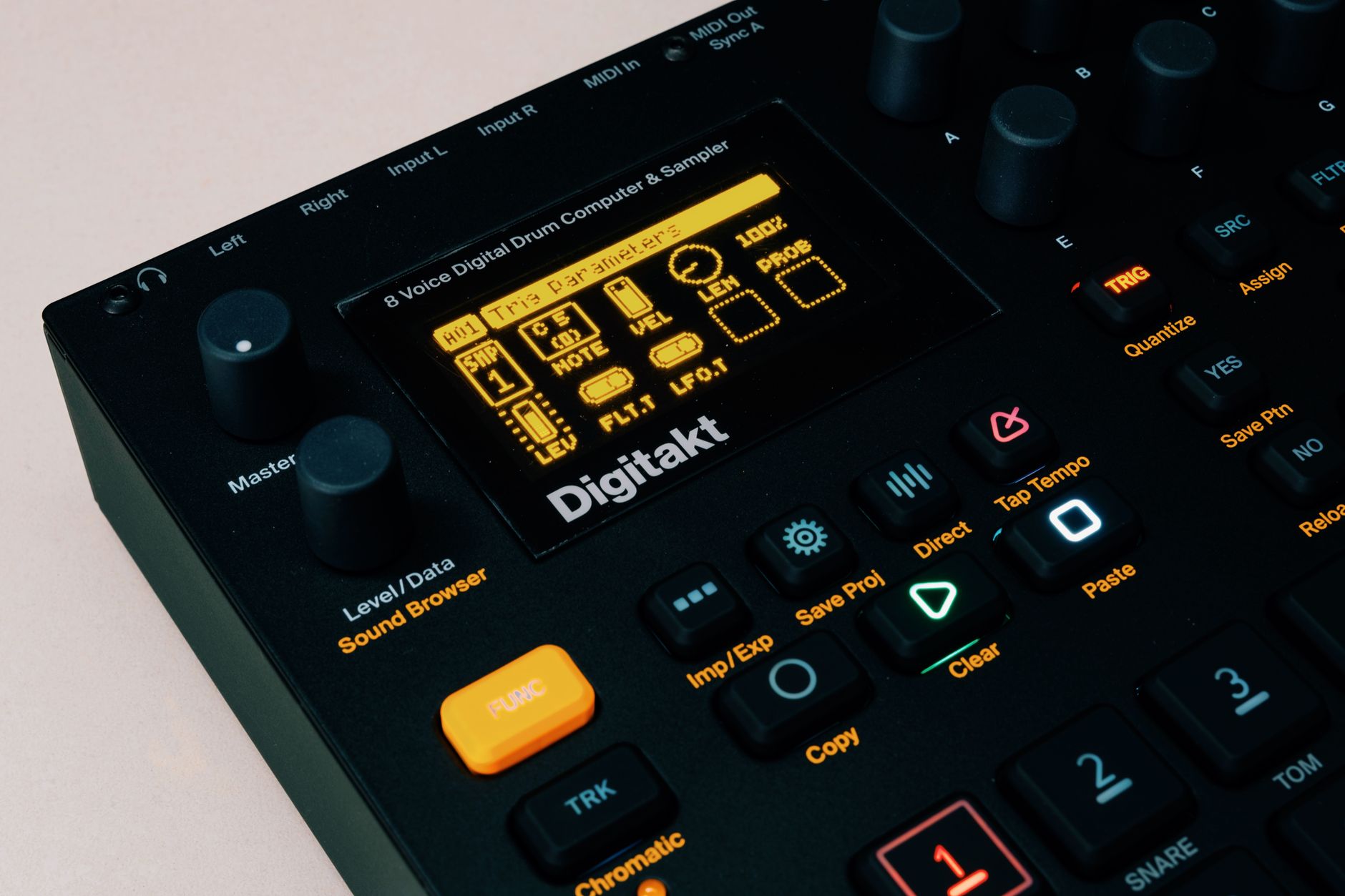
What Is Dubstepping Music Supposed to Sound Like?
Dubstep music should feel like weight plus movement. Not constant chaos. If every bar is full, nothing hits. Leave holes. Make the silence do work.
A useful dubstep example has a short intro, a tension build, a clean drop, and a bass phrase that changes every 2 or 4 bars. The listener should be able to hum the rhythm of the bass, even if the sound itself is nasty.
Build the basic 8-bar loop
Start with one 8-bar section. Do not arrange the full track yet. Put a kick on bar 1 beat 1, another kick before the snare if you want bounce, and a snare on beat 3. Add closed hats in eighth notes, then delete a few hits. Human feel beats machine-gun hats here.
Now write a bass rhythm before choosing the bass sound. Tap it on one note. If the rhythm works on a plain sine wave, it will work when you distort it.
- Intro: 8 or 16 bars for DJs.
- Build: risers, snare rolls, filtered bass hints.
- Drop: kick, snare, sub, mid bass, one main hook.
- Variation: switch bass fills every 4 bars.
- Break: reduce drums so the second drop feels earned.

Make One Wobble Bass Patch, Step by Step
Do this in Serum 2, Vital, Phase Plant, or any synth with wavetable scanning, filters, LFOs, and distortion. The brand is not the trick. The routing is.
We will make a basic talking wobble. Keep the sub separate. That is the rule. If you distort the sub with the mid bass, the low end turns into wet cardboard.
Patch the bass before you mix it
- Load a saw or vowel-style wavetable on oscillator A.
- Set the synth to mono and enable legato.
- Route oscillator A through a low-pass or band-pass filter.
- Assign LFO 1 to filter cutoff. Try 1/4, 1/8, and dotted 1/8 rates.
- Add distortion after the filter. Start at 20 percent drive, not 100.
- High-pass this mid bass at 90 Hz.
- Add a separate sine sub underneath, low-passed around 80 Hz.
Open the EQ. Cut 8 dB at 240 Hz if the bass sounds boxy. Listen. If the growl gets smaller, reduce the cut to 4 dB. Your ears get the final vote.
- Use mono for the sub layer.
- Keep stereo width above roughly 120 Hz.
- Automate LFO rate for movement, not random chaos.
- Print basses to audio when the phrase works.
- Leave at least -6 dB headroom before mastering.
Mix the Drop So the Bass and Kick Stop Fighting
The drop fails when the kick, sub, and mid bass all claim the same space. Fix that before adding more plugins. Start with gain, then EQ, then sidechain.
Use a spectrum analyzer if your room lies to you. Sonarworks SoundID can help with monitoring correction, but it will not save bad balance. On small monitors like Neumann KH 120s, check the low end with headphones too.
Use sidechain ducking with real numbers
Put a volume shaper or compressor on the sub bass. Trigger it from the kick. Duck 3 to 6 dB for 80 to 140 ms. Too short and the kick clicks through. Too long and the groove starts breathing like a broken pump.
For EQ, FabFilter Pro-Q 4 is fast because dynamic bands are easy to see. Try a dynamic cut on the bass around 55 to 70 Hz when the kick hits. Then cut the mid bass around 180 to 300 Hz if the snare loses punch.
- Kick peak target: around -8 to -6 dBFS before the limiter.
- Sub fundamental: usually 35 to 70 Hz depending on key.
- Snare body: often 180 to 240 Hz.
- Snare crack: often 2 to 5 kHz.
- Reverb: keep it off the sub and short on the snare.
Dubstep Dance, Deadpool Searches, and Videos
Some people ask because they saw dubstep dance clips: popping, tutting, animation, robot moves, and hard body isolations cut to bass hits. That is dance culture using dubstep as the soundtrack, not a separate genre rulebook.
The “what is dubstep Deadpool” search is a meme pathway. A film joke or clip can send people toward the term, but the joke does not teach the production language. Treat it as a doorway. Once the listener is curious, play them a proper reference.
Read videos like a producer
Watch dubstep videos with the sound low once. Look at where the dancer freezes. Those freezes usually mark snare hits, bass stops, or vocal chops. Now turn the volume up and count the bars.
This helps your arrangement. Put a one-beat bass mute before a major snare. Put a reverse cymbal into bar 9. Make the body want to move, even before the sound design gets fancy.
- Dancers respond to stops as much as drops.
- Robot-style movement fits tight bass edits.
- Long bass notes need visual contrast in videos.
- Short fills work well at the end of 4-bar phrases.

Dubstep Songs and Artists Worth Referencing
Reference tracks are not homework. They are calibration. Pull three songs into your DAW, turn them down to match your working level, and check arrangement lengths, snare tone, sub level, and how often the bass changes.
Use older and newer records. If all your references are from one year, your track will copy that year’s habits.
Use these dubstep music examples as targets
For roots and space, study Skream, Benga, Digital Mystikz, and Burial. For festival aggression, check Skrillex, Excision, Flux Pavilion, Zeds Dead, and Virtual Riot. Do not copy the sound. Copy the decision-making.
Ask better questions: How long is the intro? Does the sub follow every mid-bass note? How dry is the snare? How many elements hit on the first drop downbeat? That is where the lesson sits.
- Skream: space, weight, and restraint.
- Benga: groove and low-end pressure.
- Skrillex: vocal chops, edits, and aggressive midrange.
- Excision: dense drops and heavy sound design.
- Virtual Riot: clean technical bass programming.
DJing Dubstep Without Wrecking the Room
Dubstep DJing is phrasing first. Most tracks give you 8, 16, or 32-bar sections. Set memory cues at the intro, build, drop, second phrase, and outro. Do that before you worry about tricks.
On CDJ-3000s or a Denon SC6000 setup, keep the incoming tune’s low EQ down until the outgoing sub clears. Two subs at once is not heavier. It is blur.
A simple 32-bar transition that works
Start the incoming track 32 bars before the outgoing drop ends. Blend hats and atmosphere first. At 16 bars, bring in the incoming snare lightly. At 8 bars, cut some mids from the outgoing track. On the new drop, swap the bass completely.
Record the mix. If the drop feels smaller after the transition, your outgoing low end stayed in too long. Fix that before blaming the tracks.
- Cue the first clean downbeat.
- Avoid mixing two full subs.
- Use 16-bar builds for safer blends.
- Cut lows decisively at the drop swap.
- Check crowd energy before doubling aggressive drops.
| Term | What It Usually Means | Useful Setting | Common Mistake |
|---|---|---|---|
| Dubstep | Bass-heavy electronic genre with half-time drums | 140 BPM, snare on beat 3 | Filling every bar with bass noise |
| Dubstepping | Casual phrase for listening, dancing, or making dubstep | Use the proper genre tag when releasing | Treating it as a separate genre |
| Wobble bass | Filter or volume movement on a bass tone | LFO at 1/4 or 1/8 rate | Distorting the sub and mid together |
| Drop | Main impact section after the build | 8 or 16-bar phrase with bass variation | No silence before impact |
Sources worth your time
- What is Dubstep Music? History, Artists, and Subgenres — splice.com
- Dubstep — en.wikipedia.org
FAQ
What is dubstepping in music?
It is casual wording for dubstep activity, usually making, hearing, or dancing to dubstep. The actual genre is dubstep: bass-heavy electronic music with half-time drums, deep sub, aggressive mid-bass movement, and drops that often sit around 140 BPM.
Is dubstepping the same as dubstep dance?
No. Dubstep dance refers to movement styles performed to dubstep, often popping, animation, tutting, and robotic isolations. Dubstepping is not a formal dance style name. Most people use the word loosely after seeing videos or memes.
What is a good dubstep example for beginners?
Pick one roots track and one modern heavy track. Study Skream or Benga for space and groove, then compare that with Skrillex, Excision, or Virtual Riot for aggressive edits and mid-bass design. Match loudness before judging the mix.
Can I make dubstep without expensive plugins?
Yes. You need a synth with filter modulation, distortion, EQ, sidechain ducking, and clean gain staging. Free tools can make serious bass if you separate the sub from the mid bass and leave room for the kick.
what is dubstepping is really a search for the shape of dubstep: half-time drums, controlled sub, moving mid bass, and drops arranged in clear phrases. Once you know that, the mystery goes away. You are not trying to make “random robot noise.” You are building pressure, removing clutter, and letting the bass answer the drums.
Open an 8-bar loop in your next session. Set 140 BPM. Program the kick and snare first. Add a clean sine sub, then design one mid-bass patch above it. Cut the mud, sidechain the low end, and arrange one proper drop before adding extras. That single loop will teach you more than scrolling through another pile of presets.
My Career makes videos from your own track and posts them for you, pitches your release to 34,000+ labels, playlists, radio stations, YouTube channels and blogs, puts it in every store and briefs you every morning. Free plan, no card, two minutes to set up.