 By Emma Carter · August 11, 2026
The types of edm get much easier to hear when you stop memorising names and start checking tempo, drum grid, bass movement and arrangement. Say the track is at 128 BPM with a four-on-the-floor kick, open hats on the offbeat and a rolling synth stab. You are probably near house or techno. Push it to 150 BPM with a huge supersaw lead and long breakdown, and we are in trance territory.
Keep this practical. Open a reference track. Count the bars. Tap the kick pattern. Listen to the bass length. These types of edm are not museum labels, they are working decisions for DJs, producers and artists briefing a custom track. If you can name the fingerprint, you can build it, mix it, request it or avoid copying the wrong thing.
7 types of EDM You Should Recognise by Ear
Start with seven useful families, not fifty tiny sub-subgenres. You need enough detail to make decisions, not enough detail to win an argument in a comment section.
EDM genres with examples
House sits around 120 to 128 BPM. Four kicks per bar. Tight claps. Bass often plays between the kicks. Think Fisher, Chris Lake, MK and Disclosure.
Techno usually hits 128 to 140 BPM, but the attitude matters more than the number. Less vocal hook, more pressure. The kick and rumble do the talking. Charlotte de Witte and Amelie Lens are clean reference points.
Trance loves 132 to 140 BPM, long breakdowns, arps, supersaws and emotional chord movement. Use Armin van Buuren, Above & Beyond and Aly & Fila for fast orientation.
Bass music, hard dance and pop-leaning EDM
Dubstep lives around 140 BPM, often felt half-time at 70. Snare on beat 3. Heavy modulated bass. Skrillex, Excision and Zomboy make the clue obvious.
Drum and bass runs 160 to 180 BPM with breakbeat energy, fast hats and sub lines that need proper headroom. Chase & Status, Sub Focus and Noisia cover very different corners of it.
Trap and future bass lean on 70 to 90 BPM half-time bounce, pitched vocal chops, 808 slides and big sidechained chords. Flume, RL Grime and San Holo are useful references.
- House: groove first, usually 120 to 128 BPM.
- Techno: repetition, drive and kick pressure.
- Trance: long builds, arps and emotional breakdowns.
- Dubstep: half-time snare, growls and big drops.
- Drum and bass: fast breaks, sub control and 16th-note motion.
- Trap and future bass: 808s, vocal chops and wide chords.
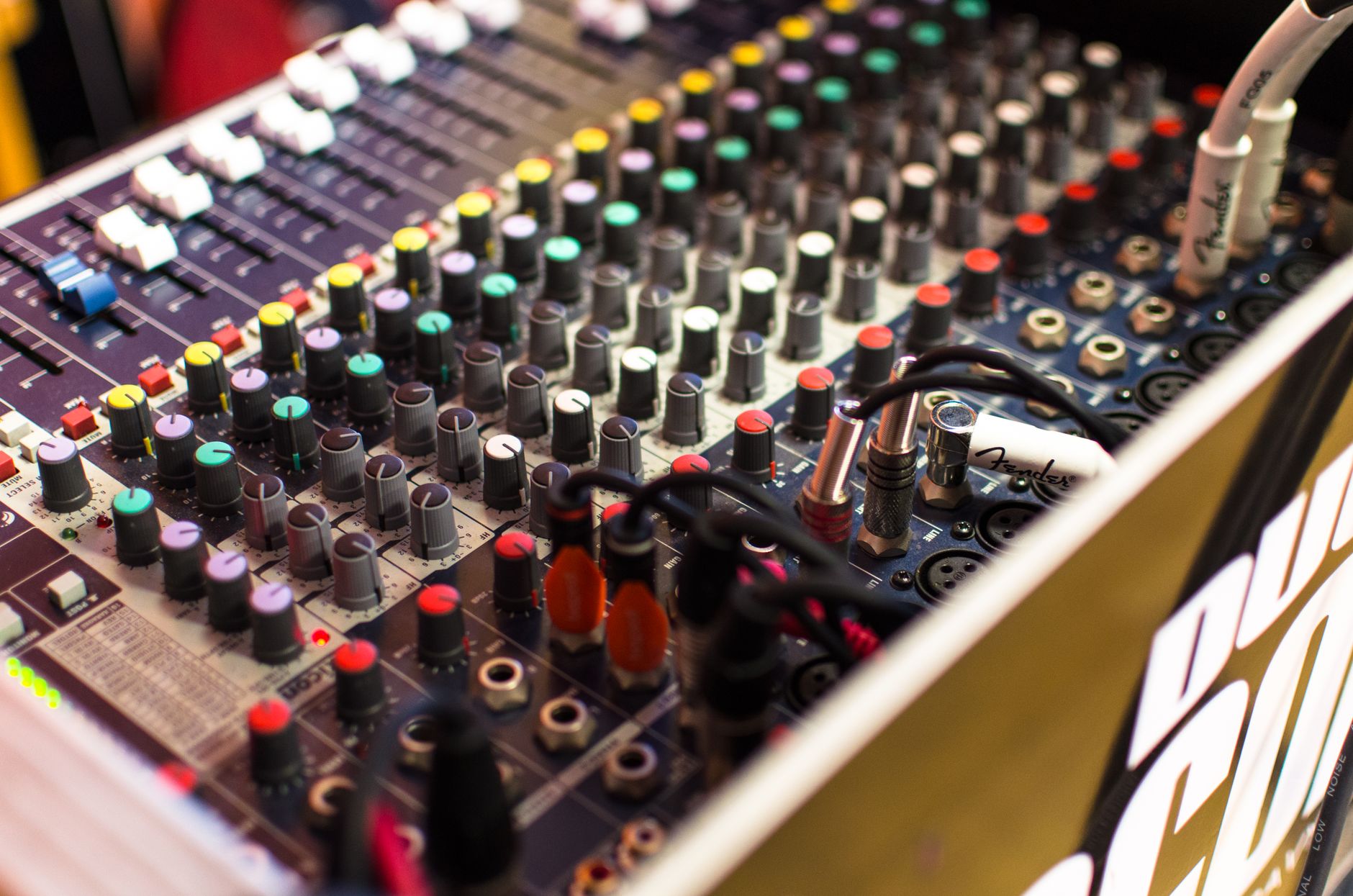
EDM Genres Chart: Tempo, Drums, Bass and Mood
Treat types of edm as a checklist. Tempo gets you close. Drum placement confirms it. Bass design tells you where the track belongs in a DJ set.
Use BPM, but do not stop there
Set a loop over 8 bars. Count the kick. If it hits every beat, you are in a four-on-the-floor lane. If the snare lands hard on beat 3 and the kick leaves big gaps, you are likely in dubstep, trap or future bass.
Now solo nothing. Do not cheat. The full mix tells you how the genre breathes. House leaves space for groove. Techno stacks pressure. Trance opens wide in the break. Drum and bass keeps the engine running almost all the time.
- Count BPM in a 16-bar section, not during a tempo-ramped intro.
- Mark the snare position before naming the genre.
- Listen for bass length: short plucks, rolling rumble or sustained sub.
- Check phrase size: most club EDM still moves in 8, 16 and 32-bar blocks.
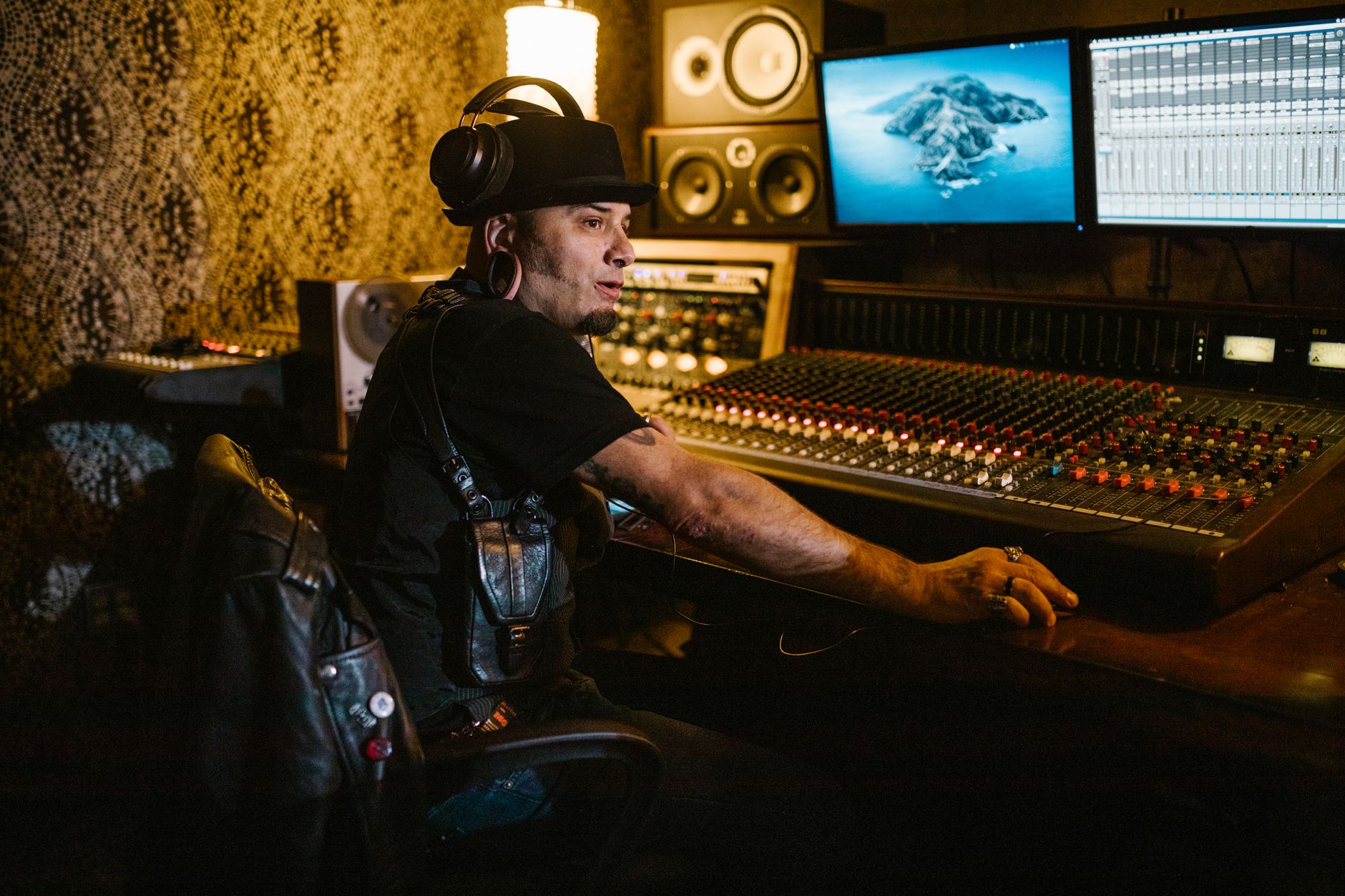
Types of EDM Artists and Their Usual Fingerprints
Artist names help only when you attach them to production choices. Do not say, make it sound like a famous DJ, and stop there. Name the drum feel, the bass texture and the arrangement length.
Types of EDM with artist examples
For a tech house brief, reference John Summit or Chris Lake and ask for a dry vocal hook, 126 BPM, short bass notes and a drop that arrives before the listener gets bored. That is specific.
For melodic techno, reference Anyma or ARTBAT and ask for a 124 BPM pulse, dark minor chords, a wide lead and a kick that stays clean under the bass. Cut 2 to 4 dB around 220 Hz if the low mids start fogging the groove.
For festival dubstep, reference Excision or early Skrillex energy and ask for a 140 BPM half-time drop, growl bass call-and-response and a snare that cracks around 200 Hz body plus 5 kHz snap.
- Reference one artist for groove, one for sound design and one for arrangement.
- Use timestamps when briefing a producer: 0:45 build, 1:15 drop, 2:00 breakdown.
- Avoid vague words like energetic unless you also name BPM, rhythm and lead type.
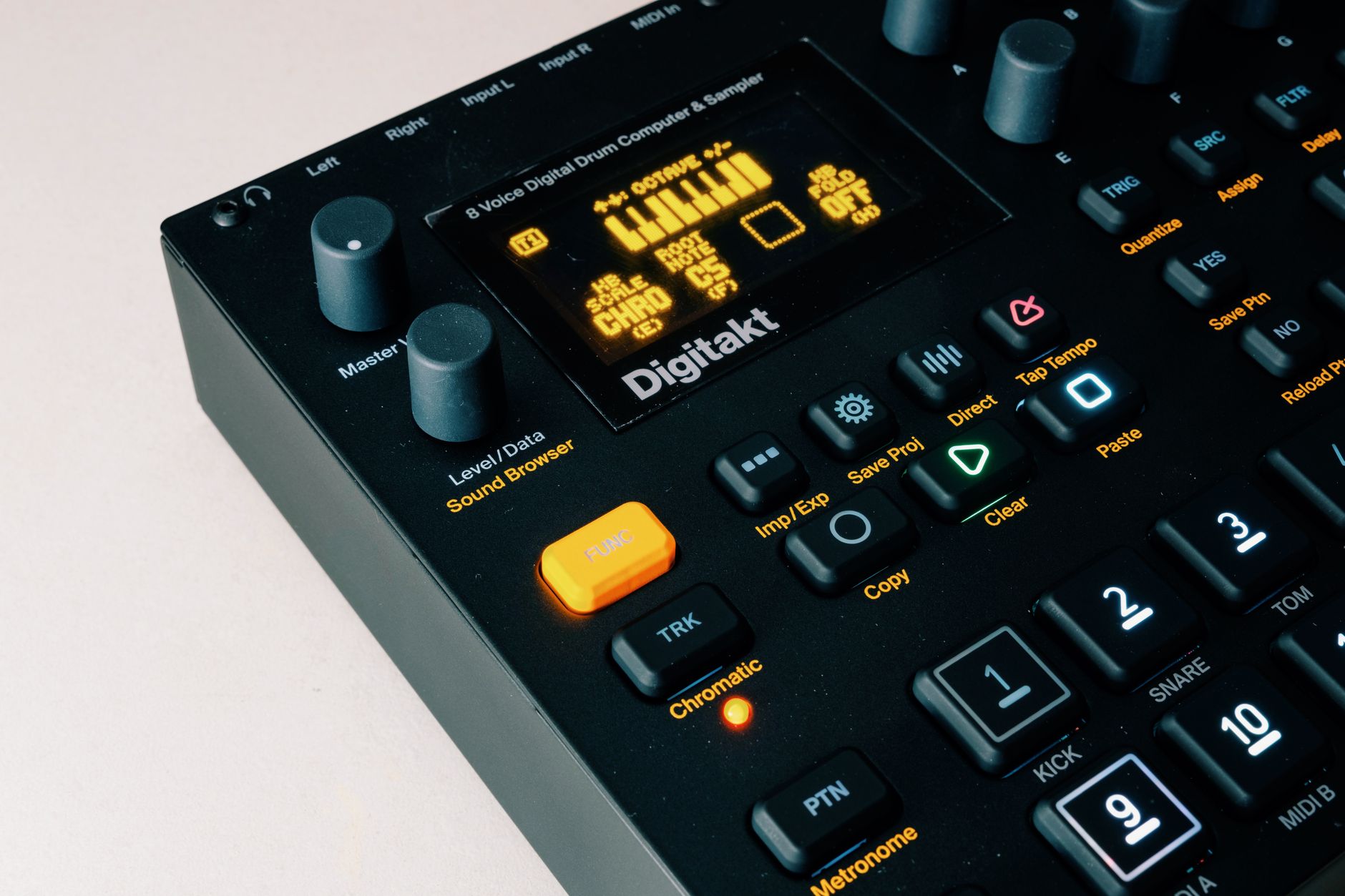
Types of EDM Machine: Gear That Shapes the Style
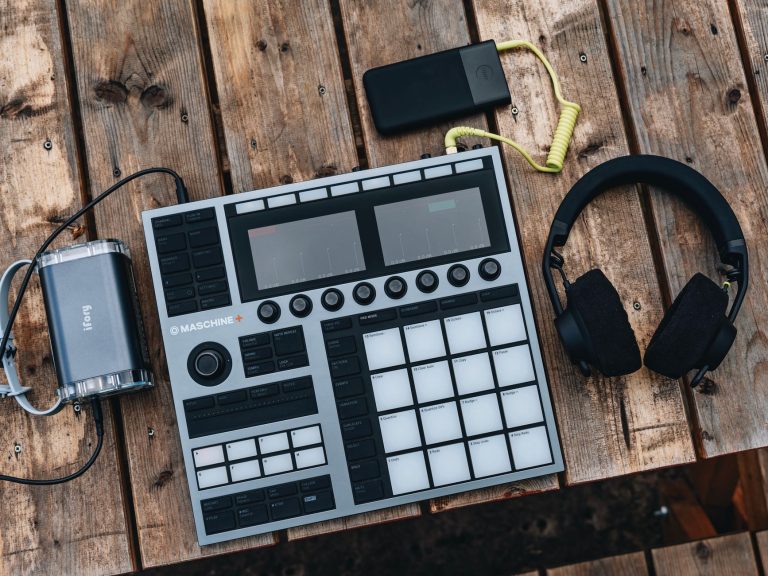
The phrase types of EDM machine usually points to the tools behind the sound: drum machines, synths, samplers, controllers and DJ players. Gear does not create a genre by itself, but it pushes you toward certain moves.
Pick the tool by job, not by hype
A Roland TR-8S makes house and techno patterns fast because the step sequencer keeps your hands on the groove. Program a kick on every beat, clap on 2 and 4, open hat on the offbeat. Done. Now vary the decay and accent every 4 bars.
A Moog Subsequent 37 is perfect for thick mono bass. Keep the sub tight. Low-pass around 120 Hz for a darker techno line, or open the filter and shorten the amp decay for a house pluck.
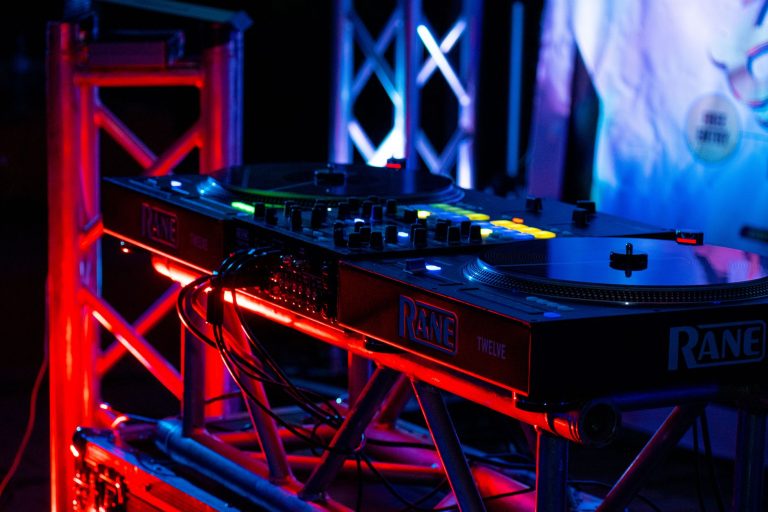
Ableton Push 3 works when you want to sketch patterns without staring at the screen. CDJ-3000 players matter for DJs because they show phrase, grid and cue behavior under club pressure.
- Drum machine: fastest route to house, techno and electro patterns.
- Mono synth: bass lines, acid lines and lead hooks.
- Sampler: vocal chops, breaks, impacts and one-shot stabs.
- DJ player: cue points, phrasing practice and set testing.
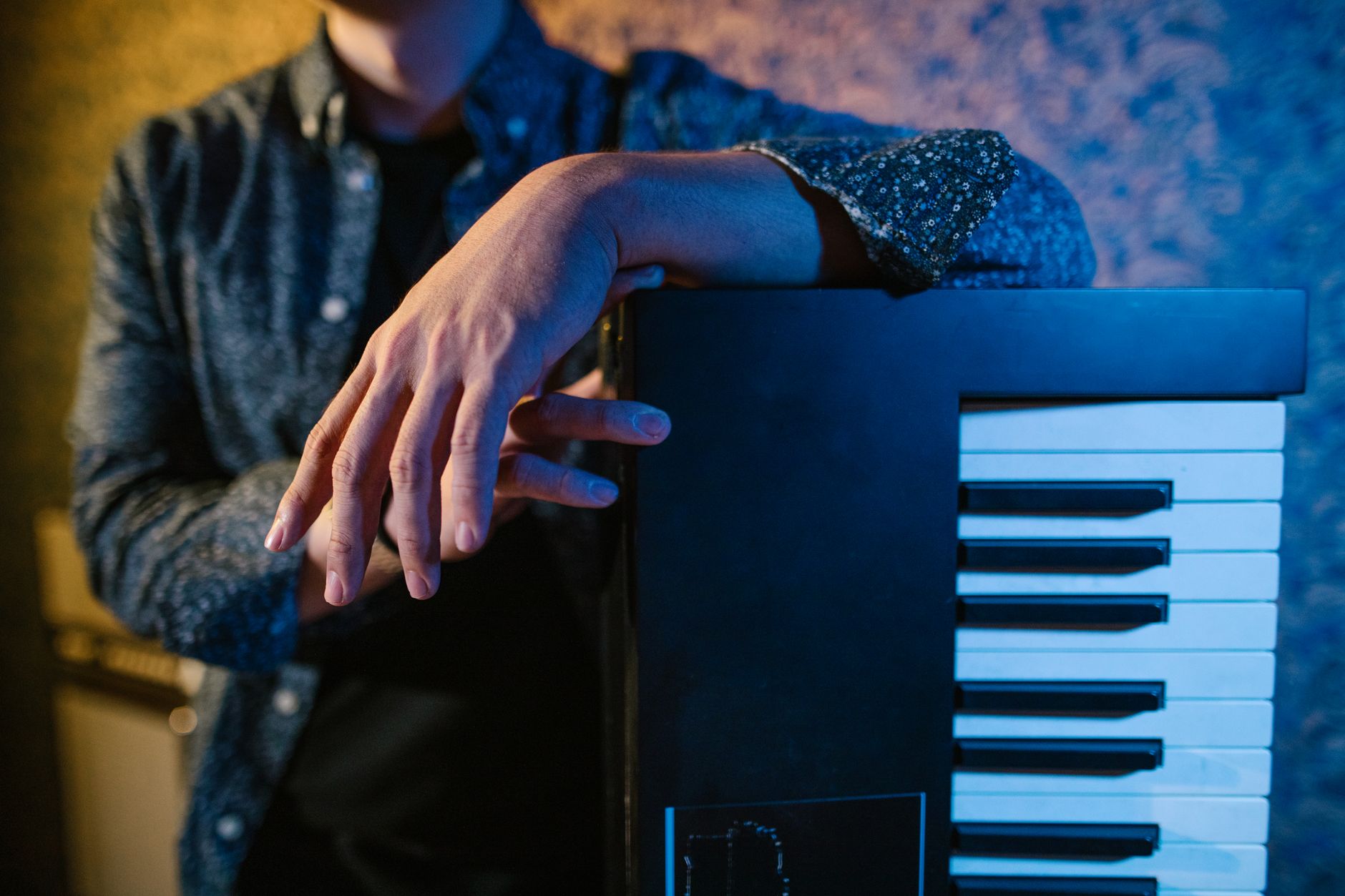
Types of EDM Melodic Tracks: Chords, Leads and Space
Melodic EDM is not just EDM with prettier chords. The arrangement usually gives the harmony more room, especially in breakdowns and pre-drop sections.
Build the emotional fingerprint
Use a 4-chord loop first. Try i, VI, III, VII in a minor key if you want a familiar trance or progressive pull. Keep the bass on root notes until the groove works. Clever inversions can wait.
Open the EQ. High-pass pads around 150 Hz. Cut 2 dB at 300 Hz if the stack feels woolly. Sidechain the pad bus to the kick with 4 to 6 dB of gain reduction. Listen. The kick comes forward, and yes, this also fixes the drop.
For future bass, widen the chord layer above 500 Hz and keep the sub mono below 120 Hz. If the chorus collapses in mono, the width is fake confidence.
- Trance: supersaws, arps, long breakdowns and 32-bar lifts.
- Progressive house: smoother drums, emotional chords and patient builds.
- Melodic techno: darker leads, tight kick and controlled low-mid space.
- Future bass: bright chord stabs, vocal chops and wide upper layers.

Walkthrough: Build One Genre Fingerprint in 12 Minutes
The fastest way to learn types of edm is to recreate the skeleton, not the whole record. We will make a tech house fingerprint because it teaches timing, groove and restraint.
Step-by-step tech house skeleton
1. Set the session to 126 BPM. Create an 8-bar loop. Put the kick on every beat. Leave about -6 dB of master headroom.
2. Add clap and hats. Clap on beats 2 and 4. Open hat on the offbeat. Add a closed hat playing 16ths, then pull velocity down on every second hit.
3. Write the bass. Use a short saw or square bass. Notes should answer the kick, not sit on top of it. Low-pass around 180 Hz. Cut 3 dB at 250 Hz if it clouds the kick.
4. Add one hook. Use a chopped vocal, stab or one-note synth riff. Repeat it for 4 bars, then change the last bar. Small change. Big payoff.
5. Arrange 32 bars. Intro 8, groove 8, mini-build 8, drop 8. Mute one element every 8 bars so the DJ can feel the phrase.
- Do not add pads until the drums and bass already move.
- Keep the first drop under eight core elements.
- Use sidechain ducking on bass and music buses, not only the bass.
- Reference at equal loudness before changing the mix.
| Genre family | Typical BPM | Production fingerprint | Artist examples |
|---|---|---|---|
| House | 120-128 | Four-on-the-floor kick, offbeat hats, bass between kicks | Disclosure, MK, Fisher |
| Techno | 128-140 | Driving kick, rumble, repetition, fewer vocal hooks | Charlotte de Witte, Amelie Lens |
| Trance | 132-140 | Supersaws, arps, long breakdowns, 32-bar builds | Armin van Buuren, Above & Beyond |
| Dubstep | 140, half-time feel | Snare on beat 3, growl bass, heavy drop contrast | Skrillex, Excision |
| Drum and bass | 160-180 | Fast breaks, sub bass, constant forward motion | Sub Focus, Chase & Status |
| Trap and future bass | 70-90 or 140-180 half-time | 808 slides, vocal chops, wide sidechained chords | RL Grime, Flume, San Holo |
Worth a deeper read: List of electronic music genres.
Common questions
Which types of EDM are most popular right now?
House and techno are the safest answers globally because they work in clubs, festivals and streaming playlists. Tech house, melodic techno and drum and bass have also been very strong in recent years. Popularity shifts by region, though. A London crowd may lean into drum and bass while a Miami club night may favor tech house.
Why do people with ADHD often like EDM?
Some people with ADHD enjoy EDM because steady rhythm, repetition and clear builds can feel regulating and stimulating at the same time. The predictable pulse gives the brain something to lock onto, while drops, fills and filter moves provide novelty. That is a listener pattern, not a medical rule for everyone with ADHD.
What subgenre of EDM is Skrillex?
Skrillex is most closely linked with dubstep, especially the aggressive American brostep sound: half-time drums, loud midrange bass growls and sharp drop edits. His catalog also touches electro house, trap, future bass and pop production, so calling him only one subgenre misses a lot of his work.
What are the two main types of EDM?
A useful split is club-focused EDM and bass-focused EDM. Club-focused styles include house, techno, trance and progressive house, usually built around steady DJ-friendly phrasing. Bass-focused styles include dubstep, trap and drum and bass, where the drop, sub movement and sound design often carry the record.
Final thoughts
Learning the types of edm is really ear training with better labels. Do not try to memorize every microgenre first. Put on a track, count the BPM, map the kick and snare, listen to the bass length, then mark the arrangement in 8 or 16-bar chunks. That gives you something useful as a DJ, producer or artist briefing a custom record.
Your next session should be simple. Pick one genre family from the chart, choose one reference track, and build only the drums, bass and hook for 32 bars. No extra pads. No endless browsing. Make the fingerprint clear before you decorate it.
My Career makes videos from your own track and posts them for you, pitches your release to 34,000+ labels, playlists, radio stations, YouTube channels and blogs, puts it in every store and briefs you every morning. Free plan, no card, two minutes to set up.