 By TGP Production Desk · August 27, 2026
If you searched for tone gym, you are probably trying to fix that annoying gap between hearing that something is wrong and knowing what to do about it. tone gym is an ear-training platform for musicians and producers, built around small listening games for pitch, EQ, rhythm, intervals, compression and stereo placement. Think of it like a gym membership for your ears: ten clean reps of identifying a 500 Hz boost today makes tomorrow’s vocal EQ less random.
This matters if you make beats, DJ, sing over downloaded instrumentals, or buy custom music and want to explain what feels off. Better ears save time. They also save money, because you stop chasing presets and start hearing problems. The real question is not whether ear training sounds clever. It is whether this tool, its price, its app experience and its tests are useful in a real production week.
Tone Gym Meaning: What It Actually Trains
Ear training is like learning colors before painting a wall. If someone says the room is too yellow, you know what to adjust. In music, the colors are pitch, frequency, loudness, space and timing. tone gym gives those colors names through short drills.
A beginner does not need golden ears. You need repeatable recognition. If a kick feels boxy, you should be able to suspect 180 to 350 Hz instead of sweeping an EQ for five minutes and hoping.
What tone gym means for producers
The basic tone gym meaning is simple: it is a structured listening workout. A workout might ask whether a sound was boosted at 125 Hz, 1 kHz or 8 kHz. Another might ask which note is higher. Another tests whether a sound is panned left, right or centered.
Those skills map directly to production. EQ (equalization, changing the balance of frequencies) becomes less like guessing. Compression (automatic volume control) becomes easier to hear because you notice attack, release and level changes instead of only seeing meters move.
The five listening muscles
Most beginners think ear training means pitch only. Pitch is part of it, but mix work asks for more. If pitch is spelling, frequency recognition is reading a room, and dynamic control is hearing someone raise or lower their voice mid-sentence.
- Pitch: hearing notes, intervals and tuning problems.
- Frequency: spotting low-end mud, harshness and air.
- Dynamics: hearing level jumps, compression and transient shape.
- Stereo: judging width, panning and center focus.
- Rhythm: feeling timing, groove and rushed notes.
- Start with frequency and pitch drills before advanced stereo work.
- Use headphones for detail checks, then repeat key drills on monitors.
- Train at moderate volume so your ears do not fatigue early.
- Write down weak areas once per week instead of chasing high scores.
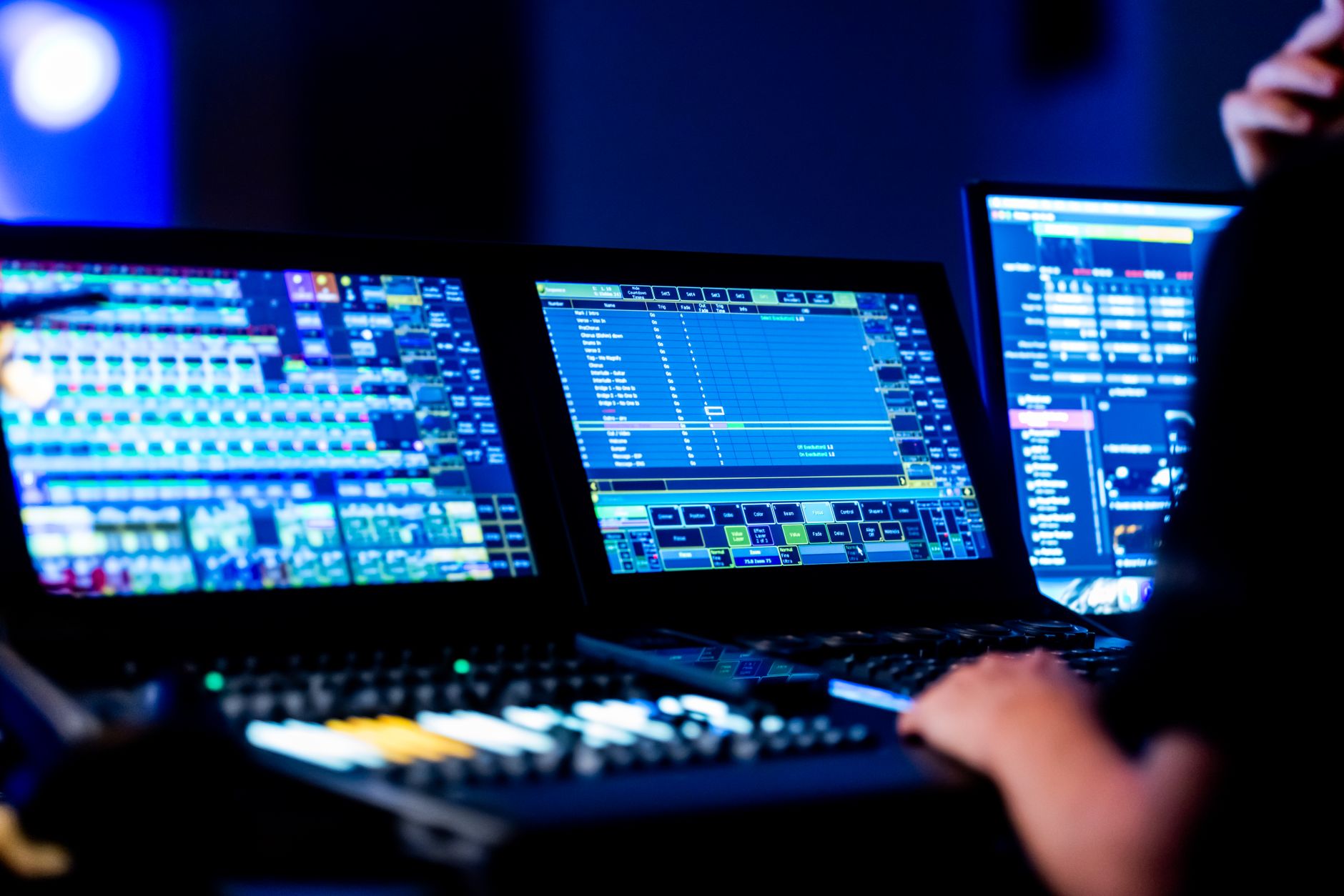
Tone Gym Test: The Drills That Help Fastest
A tone gym test works best when you treat it like an eye exam. The goal is not to impress the machine. The goal is to find the letter row where your vision starts to blur.
For music production, the most useful tests are the ones that punish vague listening. You hear two sounds, make a call, then get immediate feedback. That feedback loop is where the learning happens.
Tone gym test drills to prioritize first
Start with frequency recognition. If a drill boosts a band by 6 dB and asks you to identify it, you are building the same skill used when a synth lead hurts around 3.5 kHz or a vocal feels cloudy at 250 Hz.
After that, move to level and stereo tests. Level differences of 1 dB to 2 dB are not glamorous, but they matter. A hi-hat 2 dB too loud can make a beat feel cheap even when every sound is technically clean.
Good starting targets
Do not start by trying to identify every third-octave band perfectly. That is like walking into a gym and loading the heaviest bar on day one. Use wider ranges first, then narrow them.
- Low bass: 40 to 80 Hz, the sub weight under kicks and basses.
- Upper bass: 100 to 200 Hz, warmth and punch.
- Low mids: 200 to 500 Hz, body, mud and boxiness.
- Presence: 2 to 5 kHz, vocal edge and synth bite.
- Air: 10 to 16 kHz, brightness and shimmer.
How to read your score
A score is useful only if it changes your next session. If you keep missing 250 Hz, open a track you made and check the kick, bass, piano and vocal around that area. Try a 3 dB cut at 250 Hz with a medium Q (Q means bandwidth; higher Q affects a narrower slice).
Use FabFilter Pro-Q 4 or your stock EQ for this. The tool matters less than the repeatable action: hear the problem, make a small move, bypass the EQ, then decide.
- Repeat missed frequency bands inside a real mix within 24 hours.
- Use 3 dB boosts and cuts first; bigger moves can teach bad habits.
- Bypass your EQ often so your brain compares before and after.
- Do not train while loud drums are looping in another browser tab.
ToneGym vs SoundGym vs TrainYourEars
Choosing between ear-training tools is like choosing a practice room. One room has more machines, one has better mirrors, and one gets you straight to the exercise you need. None of them writes the song for you.
ToneGym, SoundGym and TrainYourEars EQ Edition overlap, but they feel different in use. For a beginner producer, that feeling matters. The best tool is the one you will actually open after a long day.
Where ToneGym fits
ToneGym leans into musical ear training. Pitch, intervals, chords and scales sit beside production-adjacent listening drills. That is useful if you write melodies, toplines or basslines and also want cleaner mix judgement.
If you make house, trap, pop or melodic techno, this blend helps. You can train your sense of a minor third, then use that recognition when a bass note clashes with a vocal hook.
Where SoundGym fits
SoundGym is more mix-engineering focused. Its drills cover EQ, compression, panning, gain and effects in a way that feels close to technical studio work. If your main frustration is muddy mixes, weak levels or stereo confusion, SoundGym may feel more direct.
The downside is that some beginners may find it less musical at first. If you are still learning what intervals and chords sound like, ToneGym can feel friendlier.
Where TrainYourEars fits
TrainYourEars EQ Edition is narrower, and that is the point. It teaches EQ recognition using your own music or test material. Load a reference track, the software changes the EQ, and you identify the curve.
That makes it excellent for one job: hearing frequency changes. It will not replace broader musicianship work, but for mix EQ, it is brutally useful.
- Pick ToneGym if pitch, chords and production listening all matter.
- Pick SoundGym if your main goal is mix-engineering accuracy.
- Pick TrainYourEars if EQ recognition is the weak link.
- Use one main tool for 30 days before adding another.

Tone Gym Price: What You Are Really Paying For
The tone gym price question is like paying for a regular rehearsal space instead of promising yourself you will practice somewhere random. The money buys structure, reminders, progress tracking and enough friction removed that practice happens.
Prices and plan details can change, so check the current checkout page before subscribing. The useful comparison is not only monthly cost. It is whether the plan gives you the drills you need without turning practice into admin.
Free plan vs paid plan
A free plan is enough to test the habit. Use it for a week and ask a boring but honest question: did you open it three times without being forced? If not, the paid version will not fix your schedule.
A paid plan makes sense when you already know the tool fits. The value comes from more exercises, tracking, variety and less repetition. For a producer, that is useful only if it connects back to actual sessions.
A fair monthly value test
Use a simple rule. If ear training saves you one hour of mix guessing per week, a modest subscription can pay for itself. If you only open it twice a month, even a cheap plan is wasted.
Compare the price to a plugin you barely use. A limiter such as FabFilter Pro-L 2 can protect a master from clipping, but it cannot tell you why your chorus feels harsh. Ear training attacks a different problem: your decision-making.
- Test the free tier for seven days before paying.
- Subscribe only if you can train at least three days per week.
- Cancel anything that turns practice into guilt.
- Spend more on ears before buying another EQ you do not need.

Tone Gym App and Login: Setup Without Friction
An ear-training app should feel like keeping a tuner in your guitar case. If logging in feels annoying, practice disappears. Keep the setup boring and repeatable.
The tone gym app experience is browser-based for many users, with account access through a standard login. Depending on device support at the time you sign up, you may also find mobile options or install-style shortcuts. The principle stays the same: reduce steps.
Best listening setup for beginners
Use one familiar playback chain. If you train on laptop speakers one day, cheap earbuds the next and club headphones the next, your brain keeps relearning the gear instead of the sound.
Closed-back headphones are fine to start. Studio monitors are better for stereo width if your room is not awful. Keep volume around normal conversation level, roughly 65 to 75 dB SPL (sound pressure level, a measurement of loudness), not club level.
Fix login and habit problems early
Save the login in your password manager, pin the page in your browser and put the shortcut next to your DAW. That sounds tiny. It matters. Two clicks versus six clicks is often the difference between training and skipping.
If you produce in Ableton Live, FL Studio or Logic Pro, train before opening the session. Once the kick loop starts, your brain wants to write, not identify intervals.
When headphones lie
Headphones can exaggerate stereo and hide room problems. They are still useful, especially for low-volume practice at night. Just do one weekly check on monitors if you have them.
For bass-heavy genres, do not judge sub-bass recognition only on small earbuds. Anything below 60 Hz may be more felt than heard on proper systems, and tiny drivers often fake that area with upper-bass hype.
- Use the same headphones for the first month.
- Keep the app shortcut visible near your DAW icon.
- Train before production, not after ear fatigue sets in.
- Use moderate volume to protect your hearing and improve accuracy.
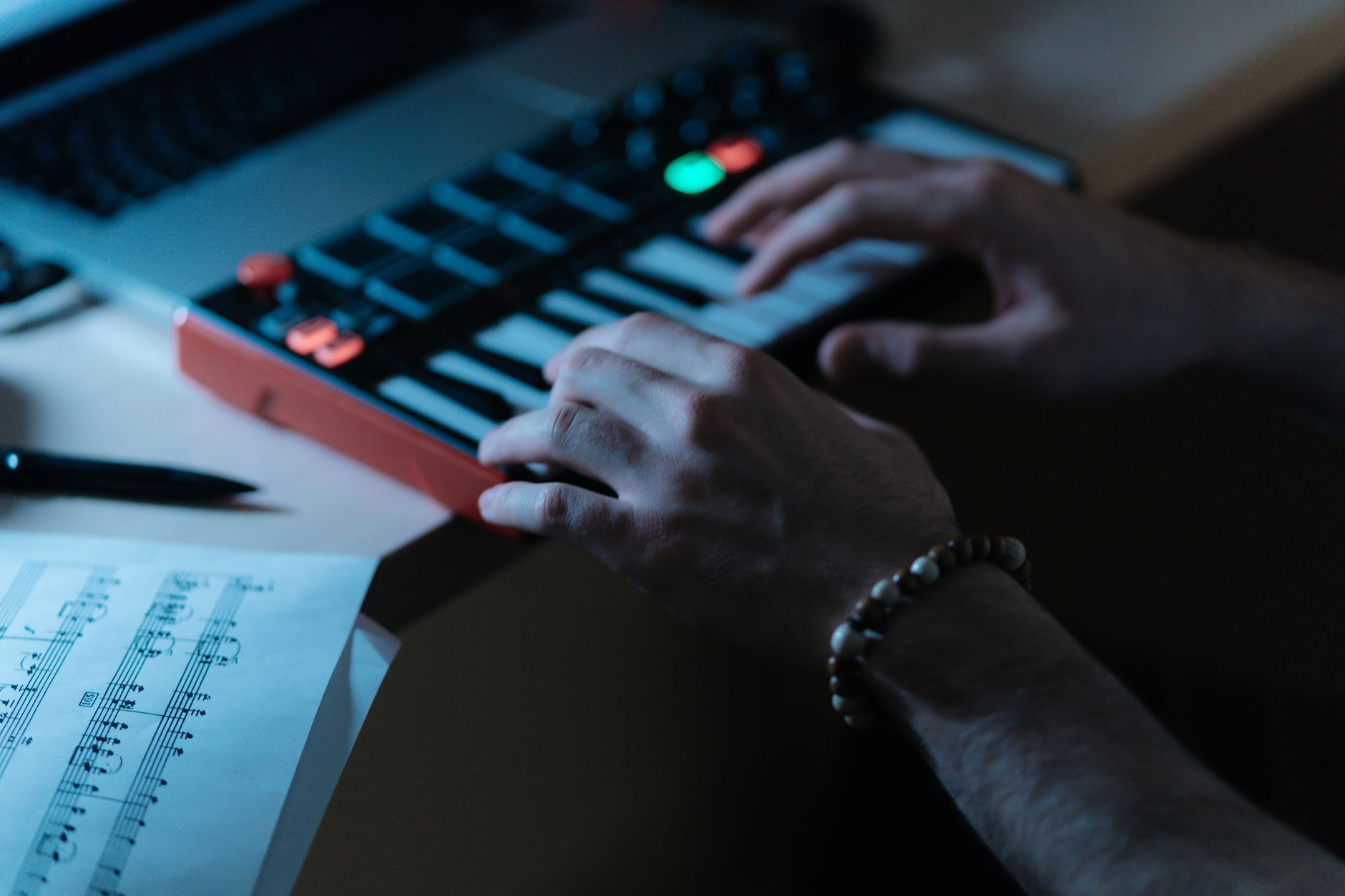
Tone Gym Range: Pitch, EQ, Rhythm and Stereo
The tone gym range is like a toolbox drawer. A hammer is not better than a screwdriver. It depends on the job. Pitch drills help writing. EQ drills help mixing. Rhythm drills help groove. Stereo drills help placement.
Beginners usually improve fastest when they connect each training type to one decision inside a track. Abstract scores are less useful than one better bass note or one cleaner vocal.
Pitch range for songwriting
Pitch drills teach the distance between notes. An interval is that distance, such as a fifth from C to G. If you can hear intervals, basslines stop feeling like random piano-roll clicks.
Try this: write a two-note bass pattern, then sing it before programming it. If you cannot sing it, slow down. Training should make the piano roll confirm your ear, not replace it.
EQ range for mixing
EQ range training is where many producers feel the fastest benefit. Learn the zones first: sub, bass, low mids, mids, presence and air. You do not need to name 1.25 kHz on day one.
In a real mix, try controlled moves. Cut 220 Hz by 2 dB on a muddy piano. Boost 8 kHz by 1.5 dB on a dull vocal. If a move only sounds better because it got louder, trim the output gain and compare fairly.
Rhythm and stereo range for DJs
For aspiring DJs, rhythm drills support beatmatching and phrase awareness. A phrase is a musical block, often 4, 8 or 16 bars in dance music. Hearing phrase tension helps you mix vocals, breakdowns and drops without clutter.
Stereo drills help too. If a track’s percussion loop leans right and your next track has a wide synth on the same side, the blend can feel lopsided before you know why.
- Connect pitch drills to bassline and melody writing.
- Connect EQ drills to one small mix move per session.
- Connect rhythm drills to 4-bar and 8-bar phrase counting.
- Connect stereo drills to panning and width decisions.
Tone Gym Reviews: What Beginners Should Ignore
Reading tone gym reviews is like reading gym reviews before you have lifted a weight. Clean machines and friendly staff help, but your results still come from showing up and doing the right reps.
Ignore reviews that treat ear training as magic. Also ignore reviews that dismiss it because it feels basic. Basic is the point. Nobody skips scales and becomes a reliable session player.
Green flags in reviews
Useful reviews talk about routine, difficulty curves and transfer to real sessions. A good sign is someone saying, “I started hearing 300 Hz buildup faster,” not only, “the interface looks nice.”
Look for mentions of consistency. Five short sessions per week will usually beat one long Saturday session, especially for pitch and frequency memory.
Red flags in reviews
Be cautious when a review promises perfect pitch quickly. Perfect pitch means naming notes without a reference. Most working producers do not need that. Relative pitch, hearing one note in relation to another, is far more practical.
Also be wary of anyone saying an app alone will fix mixes. Ear training gives you better judgement, but arrangement, sound selection, gain staging and monitoring still matter.
My honest take
For beginners who write and produce, I would choose ToneGym before buying another synth preset pack. It builds a skill that follows you across every DAW, every pair of headphones and every genre.
If your only pain is technical mixing, SoundGym or TrainYourEars may be the sharper first buy. If you want broader musicianship with production benefits, tone gym makes more sense.
- Trust reviews that explain real practice routines.
- Ignore claims that promise perfect ears in a few weeks.
- Value transfer to real sessions over score bragging.
- Choose the tool that fits your weakest daily decision.
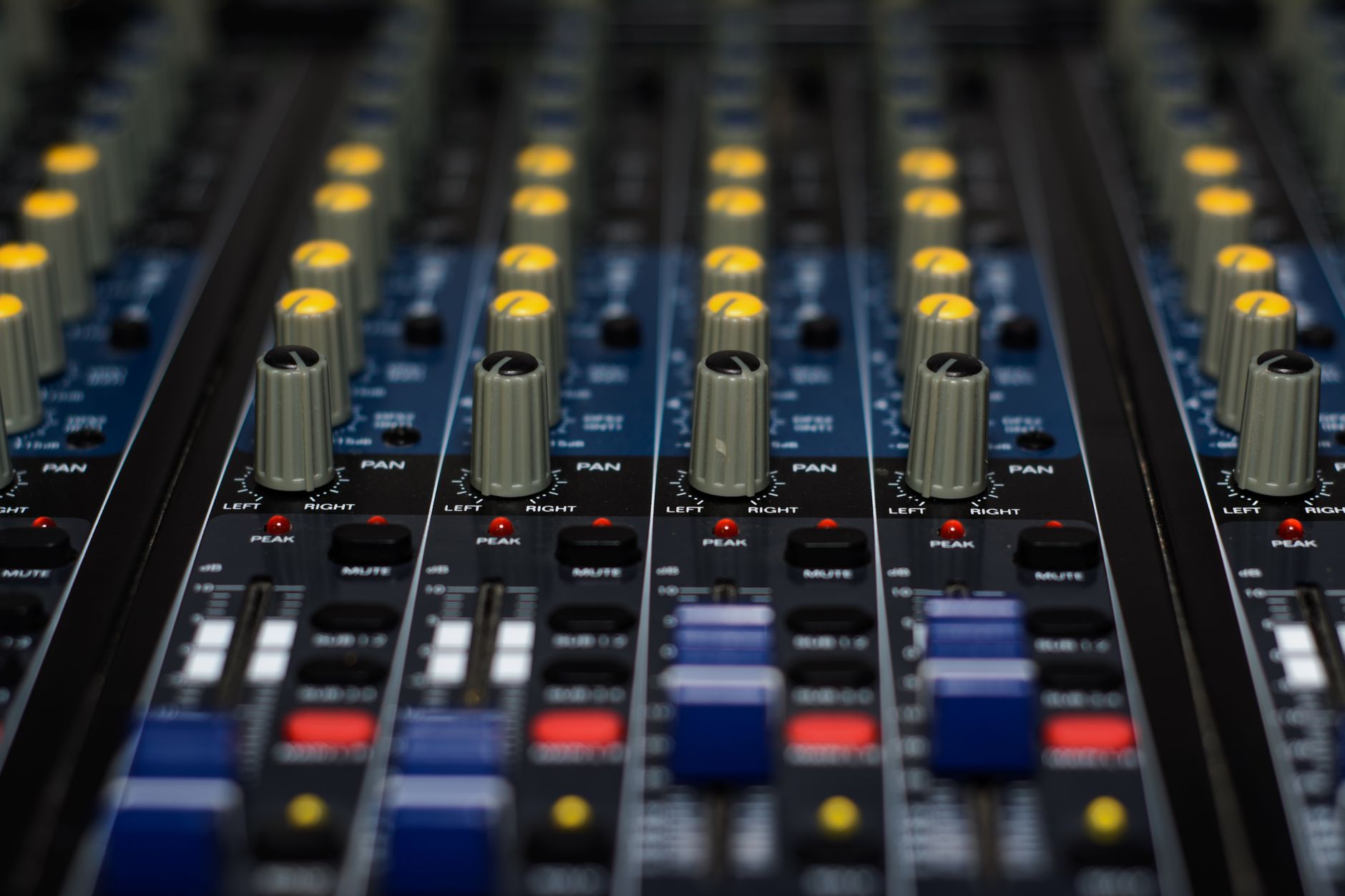
A 15-Minute Ear Training Routine for Real Sessions
A routine is like brushing your teeth. It works because it is short, repeated and not dramatic. tone gym becomes useful when it sits beside production instead of replacing production.
Use this routine for 30 days before judging results. Keep it simple enough that you can do it before work, school or a late-night writing session.
Minute-by-minute plan
Minutes 0 to 2: set volume and remove distractions. No scrolling. No beat playing in the background.
Minutes 2 to 7: do pitch or interval drills. Keep scores, but do not chase perfection.
Minutes 7 to 12: do EQ recognition. Focus on one weak range, such as 200 to 500 Hz.
Minutes 12 to 15: open yesterday’s project and make one listening-based change. One cut, one level move or one pan decision is enough.
Transfer the drill into a mix
After a 500 Hz drill, find one sound in your DAW that lives near 500 Hz. A snare body, piano chord or vocal lower midrange might sit there. Boost 500 Hz by 3 dB, listen, then cut it by 3 dB, listen again, then reset.
This teaches context. A frequency is not automatically bad. 500 Hz can be warmth on one sound and cardboard on another.
When to stop
Stop when your answers turn random. Ear fatigue is real. If high frequencies start feeling dull or every choice feels uncertain, take a break. More reps are not better when your hearing is tired.
Protecting your ears is not soft. For producers and DJs, hearing is the job. Keep practice moderate and give your brain time to store the patterns.
- Train for 15 minutes, not 90.
- Use one weak area as the theme for each week.
- Apply one drill result inside a real DAW session.
- Stop before fatigue turns practice into guessing.
| Tool | Best For | Where It Wins | Watch Out For |
|---|---|---|---|
| ToneGym | Pitch, intervals, chords and broad listening practice | Strong fit for producers who write melodies and mix their own tracks | Some mix-specific drills may feel less direct than engineering-first tools |
| SoundGym | EQ, compression, panning, gain and mix judgement | Very practical for technical mixing decisions and studio-style listening | Can feel less focused on songwriting and musical pitch skills |
| TrainYourEars EQ Edition | Frequency recognition with your own music | Excellent for learning EQ zones and curve shapes | Narrower scope; not a full musicianship trainer |
| DAW plus stock EQ | Applying drills inside real productions | Free, immediate and tied to your actual tracks | No structured scoring or guided progression |
Frequently asked questions
What is tone gym used for?
Tone gym is used for ear training. It helps musicians and producers recognize pitch, intervals, chords, frequency changes, rhythm and stereo placement. For production, the biggest benefit is faster decision-making: you start hearing whether a vocal is harsh, a bass note clashes, or a mix feels unbalanced.
Is ToneGym good for beginners?
Yes, especially if you want musical training and production benefits in one place. Beginners should start with simple pitch and EQ drills rather than trying every exercise at once. The value comes from short repeat sessions, not from getting high scores on day one.
What is the difference between ToneGym and SoundGym?
ToneGym leans more toward musical ear training, including intervals, chords and pitch recognition. SoundGym leans more toward mix-engineering skills such as EQ, compression, gain and stereo judgement. Songwriters may prefer ToneGym first, while mix-focused beginners may prefer SoundGym.
How much does ToneGym cost?
ToneGym usually offers free access with paid plans for fuller features, but pricing can change. Check the current pricing page before subscribing. A sensible test is to use the free version for a week, then pay only if you can train at least three times per week.
Can ear training really improve my mixes?
Yes, but not instantly. Ear training improves recognition, so you can identify problems faster and make smaller, cleaner moves. It will not fix weak arrangement or poor sound choice by itself, but it can reduce random EQ sweeping, over-compression and level guessing.
Should DJs use ear-training apps too?
DJs can benefit from rhythm, phrase, pitch and stereo drills. Better pitch awareness helps with harmonic mixing, while rhythm training supports tighter blends. Stereo awareness also helps when layering two busy tracks, because you can hear when the combined image starts leaning or crowding the center.
The short version
- ToneGym is best understood as structured ear practice for pitch, frequency, rhythm and stereo decisions.
- Frequency drills transfer directly to EQ moves such as cutting 220 Hz mud or taming 4 kHz harshness.
- SoundGym is stronger for technical mix drills, while TrainYourEars is excellent for focused EQ recognition.
- Use the free tier first, then pay only if you can train several days per week.
- A 15-minute routine before opening your DAW is more useful than one long weekly session.
Where to go from here
tone gym is not a shortcut around learning production. It is a way to make the learning less foggy. When you can hear pitch distance, EQ zones, level changes and stereo placement, your DAW choices get calmer. You stop boosting highs because a preset says “air” and start asking whether the vocal actually needs 10 kHz. You stop carving bass blindly and start checking whether 120 Hz or 250 Hz is the real problem.
The best move is small: run the 15-minute routine for 30 days, then compare how long your next mix decisions take. Keep one weak area in focus each week, apply it inside a real session, and let the scores support the music rather than become the music.
My Career makes videos from your own track and posts them for you, pitches your release to 34,000+ labels, playlists, radio stations, YouTube channels and blogs, puts it in every store and briefs you every morning. Free plan, no card, two minutes to set up.