 By TGP Production Desk · October 14, 2026
Key takeaways
- Techno vocabulary changes depending on whether you are DJing, producing or writing an artist brief.
- DJs should learn phrase, energy, intro, outro, break, drop, tool and peak-time language first.
- Producers need sound and mix words: rumble, stab, acid, swing, sidechain, mono, headroom and LUFS.
- Artists commissioning tracks should use concrete references, timestamps, BPM, deliverables and rights language.
- Detroit is the source of techno, while Germany shaped a huge part of its later club vocabulary.
Techno terms get messy fast because DJs, producers and artists use the same words for different jobs. Ask for a darker tool track in a DJ booth and you mean something playable at 2 a.m.; ask for a darker tool in a production brief and you might be requesting fewer melodic hooks, more rumble, and an eight-bar intro that blends cleanly.
So this is a shootout, not a padded glossary. We are comparing three vocabularies: the DJ booth, the producer session, and the artist or ghost-production brief. Each one gets judged by usefulness. If a word helps you pick records, build a loop, write a brief, or explain a reference track, it stays. If it sounds clever but does not change a kick, bassline, arrangement or handover, it loses points.
Techno terms Shootout: Booth, Studio and Artist Brief
The first mistake is treating techno vocabulary like one fixed dictionary. It is closer to three dialects. A DJ hears a term and thinks about phrasing, energy, key and whether the next track will sit over the current kick. A producer hears the same term and thinks about MIDI length, envelopes, saturation, swing and mix headroom. An artist commissioning custom music hears it as a direction: mood, reference, deadline, rights, stems and delivery format.
I give the win to the producer-session vocabulary for accuracy. It forces decisions. Still, the booth vocabulary is faster under pressure, and the artist-brief vocabulary is the one that stops revisions from getting stupid.
How the booth uses techno terms
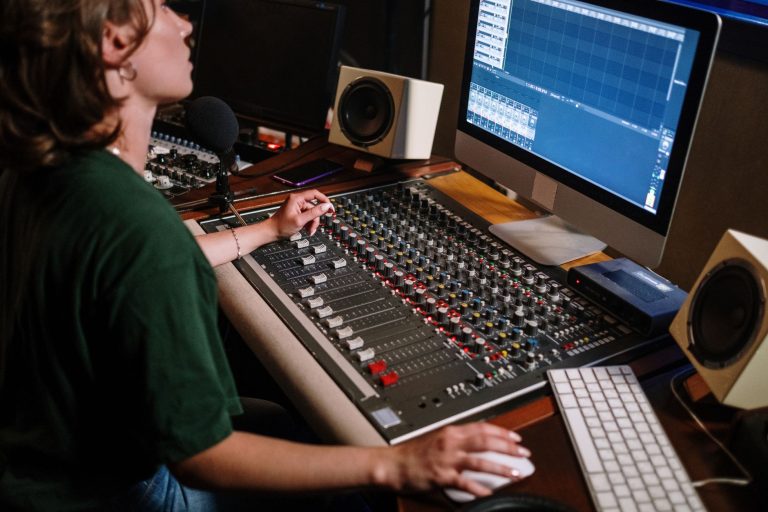
In a booth, techno terms are shorthand for survival. A DJ working in rekordbox, Traktor Pro or on CDJ-style players cares about phrase, intro, outro, break, drop, peak time and tool. Those words describe what can be mixed, not how it was made.
If a track has a 64-beat intro, a DJ can layer it over the outgoing tune without clashing vocals or lead hooks. If it has a messy break at bar 33, the DJ needs to know before the room notices.
How the studio uses the same words
In Ableton Live, Logic Pro or FL Studio, the same language becomes mechanical. A phrase is not a vibe; it is usually 8, 16 or 32 bars. Swing is not just loose feel; it might be 54 percent groove on closed hats while the kick stays dead straight.
Studio language wins when you need repeatable results. Saying add rumble is vague. Saying send the kick to a reverb bus, low-pass around 140 Hz, sidechain it 6 dB to the dry kick gets you much closer.
How an artist brief should use them
A strong brief translates taste into instructions. Instead of saying make it more Berlin, say 128 BPM, rolling rumble, no big vocal hook, 32-bar DJ intro, one main stab, reference energy near Ben Klock but with cleaner low end. That is useful.
The brief vocabulary loses points when it borrows scene words without detail. Hypnotic, dark and driving are fine starters. They need tempo, references, arrangement length and mix notes behind them.
- Booth language is fastest for mixing decisions.
- Studio language is best for changing the actual sound.
- Brief language matters most when another producer is making the track.
- The best techno words list connects all three contexts.
Beat and Timing Words: Groove, Swing, Phrase and Loop
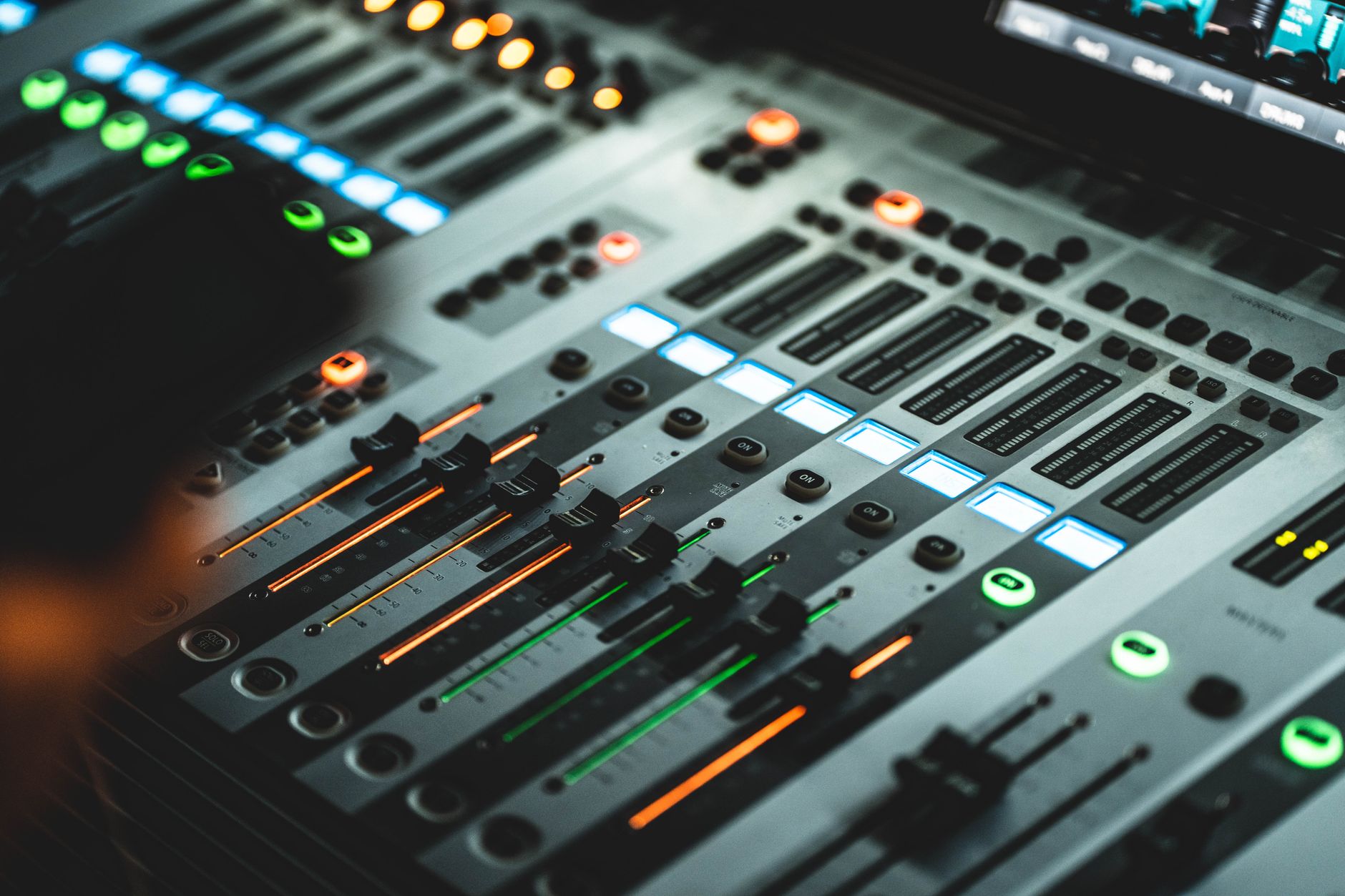
Timing terms cause more confusion than almost any other part of techno. The music can sound rigid to outsiders, but the best records are full of tiny timing choices: late hats, shuffled percussion, 16-bar tension cycles and bass notes that duck just enough to let the kick own the room.
DJ booth verdict: Phrase beats theory
A DJ should care less about the textbook definition of phrase and more about where the room feels a change. Most techno is built in 4-bar chunks, with bigger moves every 16 or 32 bars. Count it: 1, 2, 3, 4 for each bar, then watch where hats, rides or stabs enter.
A clean phrase mix means your incoming track starts its main section when the outgoing track clears space. Miss by 8 bars and the mix can still work. Miss by 2 beats and it often sounds drunk.
Producer verdict: Swing must be selective
Producers over-swing techno when they treat the whole drum rack like a funk loop. Bad call. Keep the kick and rumble locked. Move hats, shakers and some percussion instead. In Ableton Live, try a 16th-note groove at 52 to 56 percent timing, then lower global groove amount to 30 to 45 percent.
If the groove disappears when you mute the open hat, the groove was decoration. If it still rolls with kick, bass and closed hat, it is part of the engine.
Brief verdict: Describe the grid
When sending a custom production brief, timing words need numbers. Rolling groove means less than 130 BPM, straight kick, shuffled 16th hats, 16-bar drum variations, no trap-style snare delay. That gives the producer a grid to build against.
This is where popular techno terms need discipline. A brief full of mood words can sound stylish and still be useless.
- Phrase: a musical block, often 8, 16 or 32 bars.
- Loop: a repeating section, useful for drums, bass or DJ-friendly tools.
- Swing: off-grid timing, usually applied to hats and percussion.
- Groove: the combined feel of timing, velocity, accents and repetition.
- Quantize: snapping notes to the grid, useful until it kills movement.
Sound Design Words: Rumble, Stab, Acid, Drone and Chord
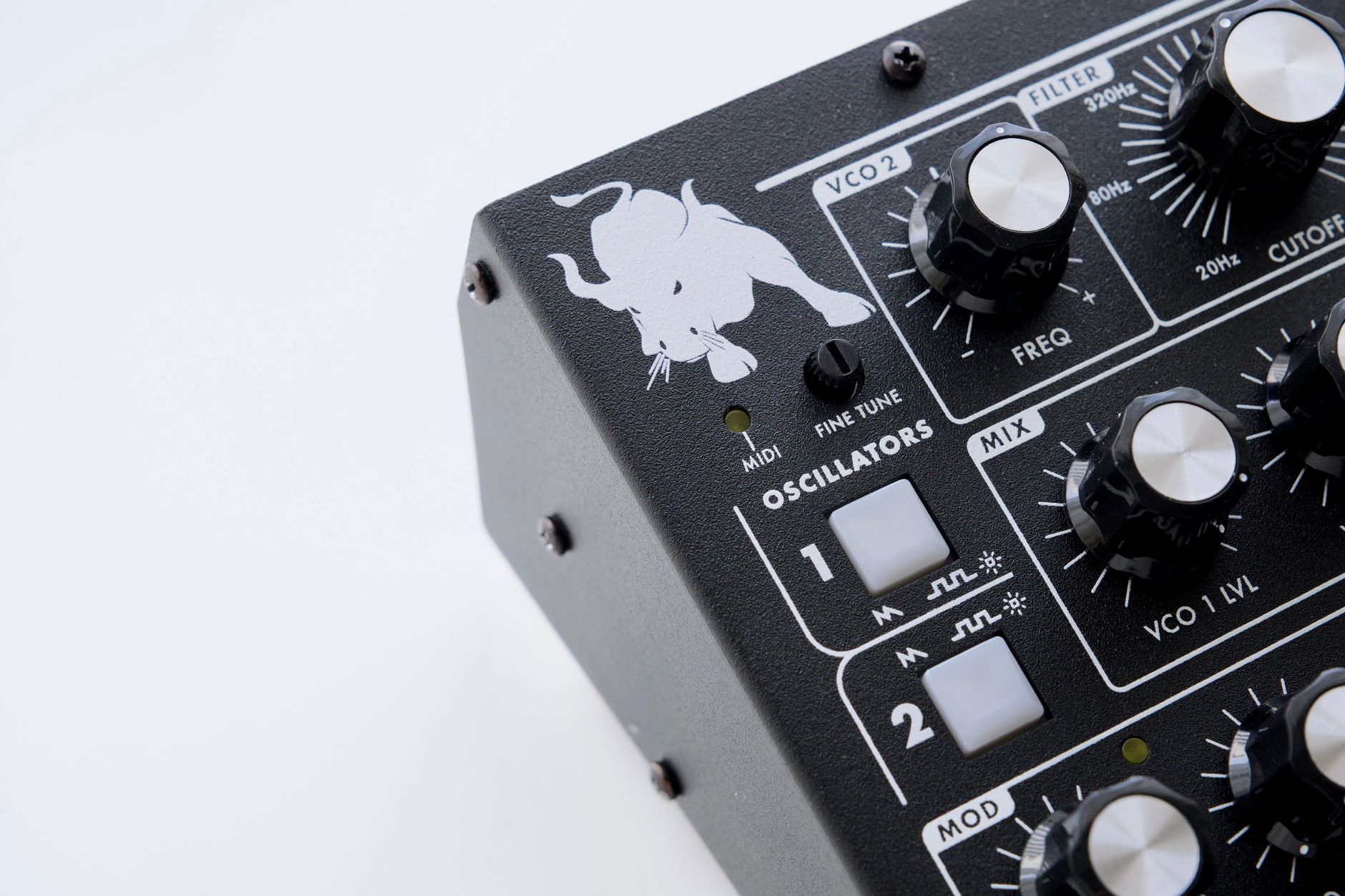
Sound-design words separate real techno people from people throwing adjectives at a track. These terms tell you what is making the record move: low-frequency pressure, short synth hits, resonant acid lines, long drones or minor chords with a tight decay.
DJ booth verdict: Identify the dominant element
A DJ does not need to know how the rumble was made, but they do need to know whether it will fight the next record. Two rumble-heavy tracks layered together can turn a decent system into soup around 80 to 160 Hz. On an Allen & Heath Xone:96, cutting low EQ on the incoming track until the new kick is ready keeps the blend under control.
Stabs and acid lines are easier to mix if they leave space. Dense chord stabs can clash in key. Atonal drones are usually safer.
Producer verdict: Rumble is a system, not one plugin
A useful rumble chain starts with the kick, not a random sub sample. Send the kick to a short reverb, low-pass the return around 120 to 180 Hz, high-pass around 35 Hz, then compress or gate it so it breathes with the dry kick. Sidechain ducking of 4 to 8 dB is a sensible range.
For stabs, a Roland Juno-106 style patch or Arturia Pigments wavetable chord can work, but the envelope matters more than the synth name. Try fast attack, 180 to 400 ms decay, low sustain, and filter cutoff moving slightly every 4 bars.
Brief verdict: Name the role, not just the sound
Acid usually points to a squelchy, resonant, sequenced bassline associated with the TB-303 lineage. Drone means a sustained tone or texture that creates pressure without much melody. Stab means a short chord or hit used rhythmically.
In a brief, write the job of the sound: one acid line as the main hook, drone only in the break, or chord stab every 2 bars, no big trance lead. That beats a vague techno synonyms pile every time.
- Rumble: low-end tail generated from or layered under the kick.
- Stab: short synth chord or hit used as a rhythmic hook.
- Acid: resonant sequenced line with squelch and movement.
- Drone: sustained tonal or noisy texture.
- Chord: stacked notes, often minor, suspended or modal in techno.
Arrangement Words: Intro, Break, Drop, Peak Time and Tool
Arrangement words are where DJs and producers argue without realizing they are both right. A DJ wants sections that mix cleanly. A producer wants tension, release and enough change to keep a six-minute track alive. An artist wants the finished record to fit the slot: opener, warm-up, peak-time weapon or stripped tool.
DJ booth verdict: Tools are underrated
A tool is not a weak track. It is a track designed to do a job in a set: bridge energy, hold a groove, reset the room, or layer under something more obvious. A 6-minute tool with a clean 32-bar intro and 32-bar outro may be more useful than a dramatic arrangement that hijacks the mix.
Peak-time tracks are different. They need obvious lift: bigger rides, stronger hook, more upper-mid presence, or a break that tells the room something is about to land.
Producer verdict: Drops should be earned
Techno drops are usually about pressure returning, not fireworks. If the kick disappears for 16 bars, bring it back with one clear change: open ride, new stab pattern, extra rumble layer or widened noise texture. Do not add five changes at once unless you want the groove to lose its spine.
A practical arrangement: 32-bar intro, 32-bar groove build, 16-bar break, 64-bar main section, 16-bar tension dip, 64-bar second main section, 32-bar outro. That gives DJs handles and gives listeners movement.
Brief verdict: Use energy labels carefully
Peak time, afterhours, warehouse and hypnotic are useful only when backed by examples. If you mention techno artists, be precise. Juan Atkins points to a different lane than Robert Hood. Jeff Mills energy is not the same brief as dubby Basic Channel pressure.
The artist-brief option wins here when it includes a rough timeline: break at 2:15, main return around 2:45, outro from 5:20. Timings stop everyone guessing.
- Intro: DJ-friendly opening section, often drums first.
- Break: reduced section where kick or bass may drop out.
- Drop: return of the groove after tension.
- Peak time: high-energy slot or track built for the busiest room moment.
- Tool: functional track designed for mixing, layering or energy control.
Mix Translation Words: Headroom, Mono, LUFS and Low End
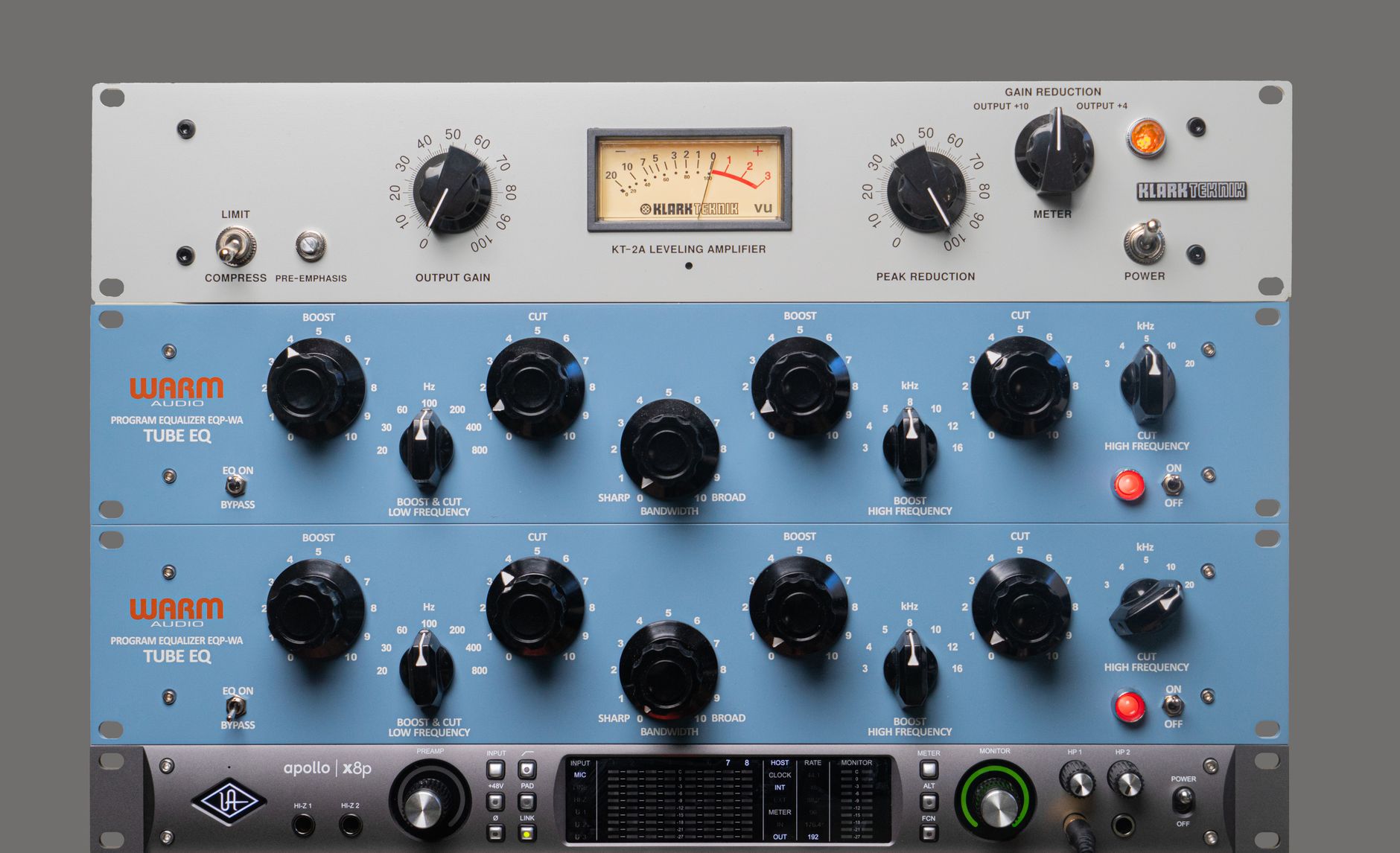
Some techno terms sound boring until the track hits a proper system. Then they decide whether your record punches or folds. Low end, mono, phase, headroom and loudness are not mastering trivia. They are club-translation language.
DJ booth verdict: Mono low end still matters
In a booth, wide low end is trouble. Club systems are often summed, processed, crossed over and pushed hard. If your sub information is smeared wide, the kick can lose weight. DJs feel that instantly, even if they never say phase correlation.
When auditioning tracks, listen for a kick that stays solid when the booth is loud. If the bass vanishes off-center, that record may sound bigger in headphones than it does in the room.
Producer verdict: Leave room before mastering
For a pre-master, leave around -6 dB peak headroom and avoid clipping your master bus unless clipping is a deliberate part of the sound. Keep sub content mostly mono below 100 to 120 Hz. Use a spectrum analyzer and a loudness meter, not guesses.
Youlean Loudness Meter is useful for checking integrated LUFS and true peak. For underground techno, do not chase streaming loudness while writing. Get the groove, transient shape and low-end balance right first. Loud can come later.
Brief verdict: Ask for deliverables, not magic
If you are commissioning a track, ask for mixed WAV, mastered WAV, instrumental if vocals exist, and stems grouped by drums, bass, synths, effects and vocals. Those words prevent delivery headaches.
This is where common EDM terms overlap with techno. Stem, master, premaster, reference, BPM and key are not genre-specific, but they matter every time money or release deadlines are involved.
- Headroom: safety space below clipping, often around -6 dB peak for premaster delivery.
- Mono: center information, crucial for sub and kick reliability.
- LUFS: loudness measurement used in mastering and release checks.
- Phase: timing relationship between waveforms, especially dangerous in layered kicks.
- Stem: exported audio group used for mixing, remixing or live edits.
Techno Meaning, Origins and Synonyms: Detroit Beats Germany
The origin question matters because it changes how you hear the vocabulary. Techno came from Detroit. Germany, especially Berlin, amplified, mutated and institutionalized a huge part of the club language around it. But the source is Detroit, and pretending otherwise flattens the culture.
Detroit vocabulary: Machine soul and futurism
Early Detroit techno language sits around machines, futurism, funk, electro, industry and Black electronic music history. Juan Atkins, Derrick May, Kevin Saunderson, Underground Resistance, Jeff Mills and Robert Hood are not just names for trivia. They explain why terms like minimal, machine funk, tracky and futuristic still mean something.
Detroit wins the origin argument. No contest.
German club vocabulary: Pressure, length and system culture
German and Berlin techno language often leans toward room function: long sets, reduced arrangements, hardgroove, industrial pressure, dub space and marathon pacing. The terms are useful, but they describe a later ecosystem more than the birth of the genre.
If someone asks whether techno is from Detroit or Germany, the clean answer is: Detroit created the foundation; Germany became one of the most influential places for its club evolution.
Slang and techno synonyms that actually help
Useful slang includes banger, weapon, roller, tool, heater, stomper and chugger. I would dock banger because people use it for everything. Roller and tool are more precise.
For techno synonyms, be careful. Electronic dance music is a parent category, not a synonym. Hard techno, dub techno, minimal techno, acid techno and Detroit techno are substyles, not interchangeable labels.
- Techno meaning: repetitive, machine-driven electronic dance music rooted in Detroit.
- Detroit techno: origin lane with funk, electro and futurist DNA.
- Dub techno: spacious, delayed, chord-heavy style.
- Hard techno: faster, heavier, more aggressive club style.
- Minimal techno: reduced elements, repetition and small changes.

Who Should Use Which Techno Words List?
Here is the clean pick. DJs should learn phrase and energy words first. Producers should learn timing, sound-design and mix-translation words first. Artists ordering custom music should learn brief and delivery words first. Trying to learn everything in one lump slows you down.
Pick the DJ booth list if you play sets
Learn these first: phrase, intro, outro, break, drop, peak time, warm-up, tool, roller, key, BPM and energy. If you can describe where a record sits in a set, you can mix better and buy better music.
Verdict: best for DJs, weakest for explaining production changes.
Pick the producer list if you make tracks
Learn these first: kick, rumble, stab, drone, acid, swing, quantize, sidechain, saturation, mono, headroom, LUFS and stem. These words change the session. They help you move from it sounds wrong to the rumble is masking the kick around 120 Hz.
Verdict: best overall. It gives you the most control.
Pick the brief list if you work with another producer
Learn these first: reference track, BPM, key, arrangement, energy, revision, premaster, master, stems, exclusive rights and delivery format. If your brief is clear, the production process gets less random.
Verdict: essential for artists using ghost production or custom music production, but not enough on its own if you also DJ or produce.
- DJs: prioritize phrase, energy and mixability.
- Producers: prioritize sound design, timing and translation.
- Artists: prioritize references, arrangement and deliverables.
- Best all-round list: producer terms first, then booth terms.
- Worst approach: memorizing slang without knowing when to use it.
| Term | DJ Booth Meaning | Producer Session Meaning | Artist Brief Meaning |
|---|---|---|---|
| Phrase | Where 8, 16 or 32-bar mix points line up. | A structured block in the arrangement grid. | How long sections should run before changes. |
| Rumble | Low-end pressure that may clash with another track. | Kick-derived reverb or sub layer shaped with EQ and sidechain. | Request for rolling low-end weight under the kick. |
| Tool | Functional track for blending, layering or holding energy. | Stripped arrangement with fewer hooks and clean sections. | Commission request for a DJ-friendly, less melodic track. |
| Break | Moment to mix, reset or create tension on the floor. | Reduced section where kick, bass or drums drop out. | Timestamped arrangement note, such as break at 2:15. |
| Peak time | Record for the busiest, highest-energy slot. | Bigger drums, brighter rides, stronger hook or denser automation. | Direction for intensity, not a substitute for references. |
| Mono low end | Reliable kick and bass on a club system. | Sub information centered below roughly 100 to 120 Hz. | Mix requirement for club translation. |
| Stem | Useful for edits or hybrid DJ/live sets. | Exported audio group such as drums, bass or synths. | Delivery item needed for remixes, edits or future mix tweaks. |
| Acid | Recognizable squelchy line that can dominate a mix. | Resonant sequenced synth part with filter movement. | Style reference for the main hook or bassline. |
Further reading
- Techno — en.wikipedia.org
- Techno music/no words — open.spotify.com
Frequently asked questions
What techno terms should beginners learn first?
Start with phrase, BPM, intro, outro, break, drop, kick, rumble, stab, swing, sidechain, headroom and stem. Those techno terms cover the practical jobs: mixing records, building grooves, explaining sounds and delivering files. Slang can wait until the basics are useful.
What are techno phrases?
Techno phrases are repeated musical blocks, usually 8, 16 or 32 bars long. DJs use them to line up transitions. Producers use them to organize arrangement changes, such as adding hats after 16 bars or bringing the kick back after a break.
What are some words related to techno?
Useful words related to techno include kick, rumble, stab, acid, drone, loop, phrase, swing, tool, roller, peak time, break, drop, mono, LUFS, headroom and stems. Subgenre words include Detroit techno, dub techno, minimal techno, hard techno and acid techno.
What are some common terms used in EDM?
Common EDM terms include BPM, key, drop, build, break, loop, sidechain, riser, stem, master, premaster, reference track and arrangement. Techno shares many of these, but usually uses them with more focus on repetition, groove, low-end pressure and DJ-friendly structure.
What is a slang term for techno?
Common slang around techno includes banger, weapon, roller, tool, heater and stomper. The most useful are roller and tool because they describe function. Roller means a track that keeps moving smoothly. Tool means a functional record built for mixing or layering.
Is techno from Detroit or Germany?
Techno is from Detroit. Germany, especially Berlin, became hugely important to the genre’s club culture, labels and long-form sound, but Detroit is the origin point. Juan Atkins, Derrick May, Kevin Saunderson, Underground Resistance, Jeff Mills and Robert Hood are central reference names.
Conclusion
The best way to learn techno terms is not to memorize a giant glossary. Sort the words by job. Booth words help you mix. Studio words help you build and fix the record. Brief words help another producer understand what you actually want. If I had to pick one list, I would start with the producer vocabulary because it gives the sharpest control over sound, arrangement and delivery.
For your next session, choose one track you like and label it three ways: DJ phrases, production elements, and brief notes. Count the bars, name the main sound, write the delivery requirements, then use that map when you mix, produce or request your next custom track.
My Career makes videos from your own track and posts them for you, pitches your release to 34,000+ labels, playlists, radio stations, YouTube channels and blogs, puts it in every store and briefs you every morning. Free plan, no card, two minutes to set up.