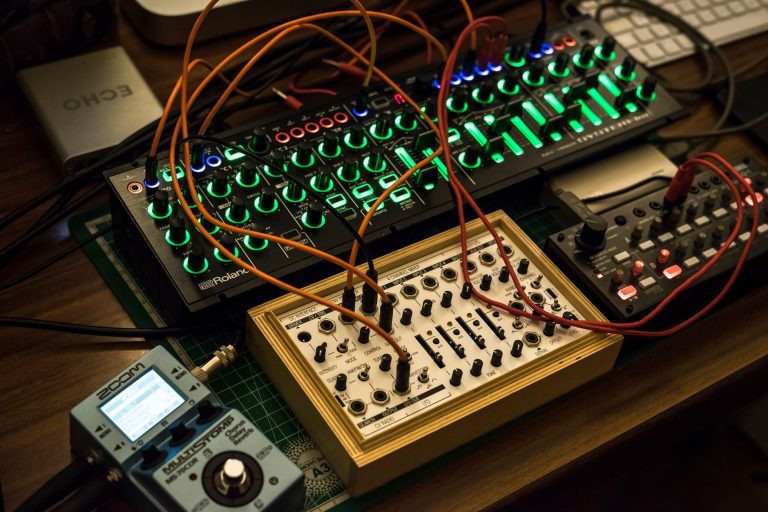
 By TGP DJ Desk · October 16, 2026
Synth fm had been sitting in three half-finished tracks on my drive last week, and synth fm only started behaving when I treated ratios like arrangement choices, not menu trivia. The search phrase is ugly. The sound is not.
I kept this notebook while bouncing between Arturia DX7 V, Native Instruments FM8, Ableton Operator, Elektron Digitone II, and a quick iPad check with KQ Dixie. Same job each time: get bass, bells, and sharp little lead hooks that survive a loud mix without turning into metallic sand. I am not trying to worship the Yamaha DX7. I am trying to write parts that a vocalist, rapper, or DJ-friendly drop can stand on without ten layers of rescue EQ.
Synth fm Felt Cleaner When I Stopped Starting With Presets
The first useful note I wrote was boring: stop loading giant electric-piano presets when the track needs one clean moving tone. Presets hide the thing that matters, the relationship between the carrier and the modulator.
On the patches that worked, I kept the operator count small. Two operators for bass. Three for bell stabs. Four only when the part had enough empty space around it.
The synth fm Move I Kept Writing Down
Carrier at ratio 1.00. Modulator at 2.00. Modulation index low enough that the note still has a centre. In DX7 V, that meant output level around 62 for the carrier and 48 to 58 for the modulator on a bass patch. In Operator, I started with modulator level around -18 dB and pushed until the upper harmonics spoke.
- 1:1 gave me solid bass without fizz.
- 1:2 made cleaner hollow plucks.
- 2:3 turned into bells fast, useful but easy to overcook.
- 3:5 worked for short ear-candy hits, not long chords.
When people say synth fm sounds harsh, I usually hear too much modulation depth and not enough envelope control.
- Use two operators before reaching for six.
- Tune ratios before EQ decisions.
- Keep modulation depth lower than your first instinct.
- Shorten the modulator decay before cutting top end.

DX7 V Gave Me Bells, FM8 Gave Me Teeth
I still like DX7 V when I need that glassy attack that says early digital without apologising for it. FM8 feels nastier to me. Not worse. Just more willing to bite through a dense drum bus.
For synth fm software, I would rather use a plugin with clear envelopes than one with a prettier skin. FM punishes vague editing. One envelope segment a little too long and the patch goes from expensive to toy keyboard.
FM Synth VST Notes From the Folder
DX7 V won for bright chord stabs when I set velocity to open the modulator output by about 15 percent. FM8 won for short techno leads with a 7 ms amp attack, 210 ms decay, no sustain, and a tiny pitch envelope dipping down 12 cents after the transient.
Ableton Operator was the fastest sketch pad. I have not tested the same rack in Logic 11 yet, but in Live 12 it behaved cleanly at 48 kHz with oversampling on the saturator after it.
A Small Software Bias I Have
I do not reach for a huge six-operator patch if the hook is only answering a vocal phrase. I print the simple version, then duplicate audio and process the copy. A 20 percent wet parallel distortion send with a high-pass at 450 Hz kept the body clean while letting the top edge cut.
- DX7 V: clean bells, stabs, electric keys.
- FM8: aggressive leads and metallic percussion.
- Operator: fast sketches and easy automation.
- KQ Dixie: useful FM synthesizer app when away from the studio.
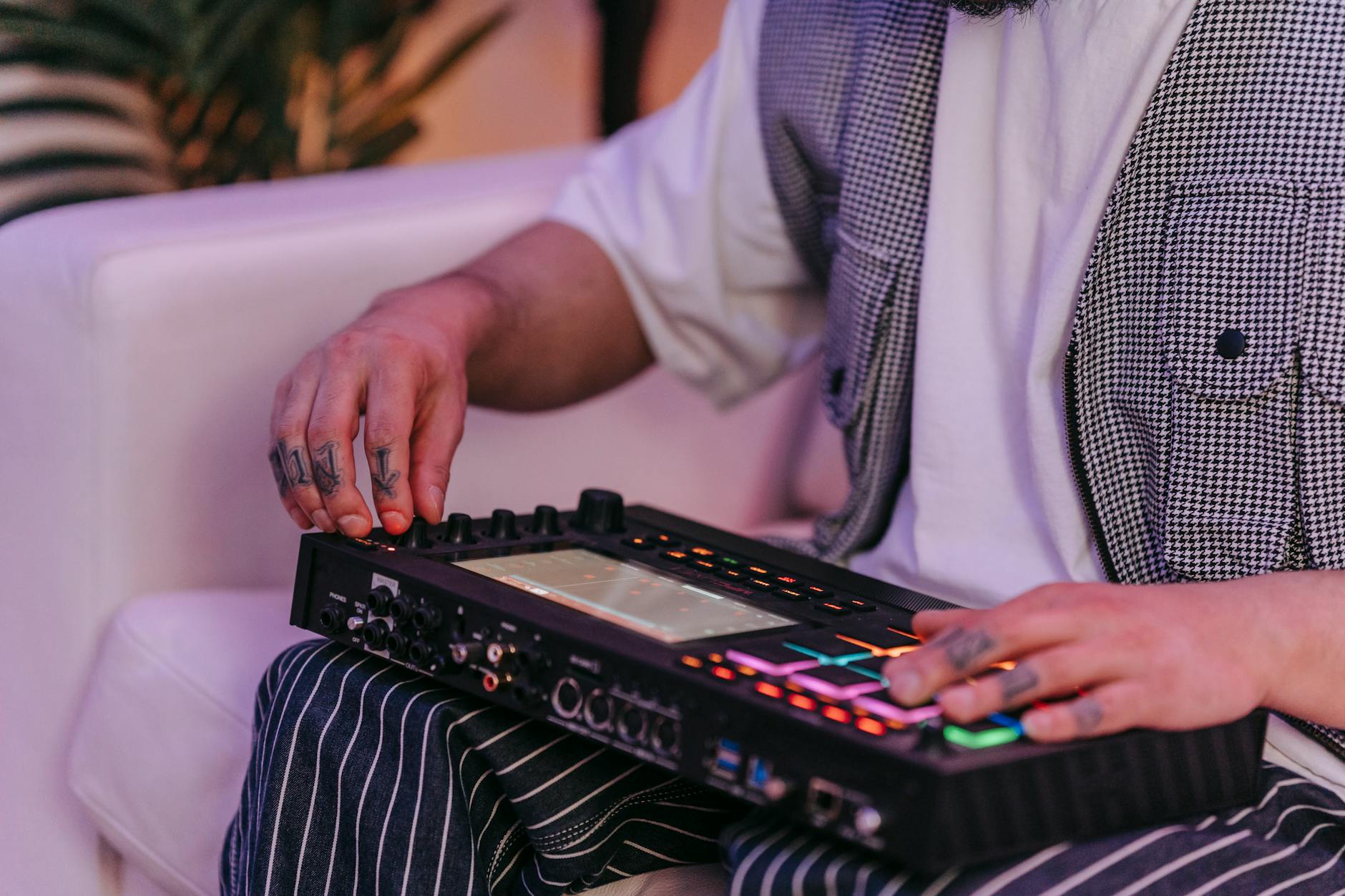
Digitone Reminded Me Why FM Synth Hardware Still Matters
The Digitone II did not make better sounds by magic. It made me commit. Four bars, parameter locks, print it, move on. That matters when the laptop keeps offering one more menu.
FM synth hardware is still useful because the interface limits the damage. I got better percussion from nudging ratios live than from drawing automation lanes for 40 minutes.
Analog FM Synth Was Not the Answer Here
When someone asks about an analog FM synth, I assume they mean audio-rate modulation between oscillators. That can be brilliant for unstable drones and rude modular bass. For tight club lines, I prefer digital FM. Ratios stay locked. Phase behaviour is repeatable. The low end does not wander every time the room temperature changes.
On Digitone II, I liked a 1:1 bass with filter cutoff around 85 Hz for the body, a second track an octave up with shorter decay, then sidechain ducking 3 to 5 dB from the kick. Simple. It translated.
- Hardware made me finish patches faster.
- Parameter locks turned static tones into phrases.
- Digital ratios stayed tighter for bass.
- Analog audio-rate FM felt better for chaos than hooks.

Three FM Synthesis Examples That Survived the Mix
These were the patches I kept after muting everything and checking the groove against drums. If the part needed solo-button sympathy, I deleted it.
The numbers are starting points, not religion. Still, they saved me from making shiny messes.
Bass, Bell, and Lead Settings
Subby FM bass: ratio 1:1, modulator envelope decay 90 to 140 ms, sustain at zero, low-pass around 160 Hz, mono below 120 Hz. I left -6 dB headroom before the bass bus and used sidechain ducking with 25 ms attack, 120 ms release.
Bell stab: carrier 1.00, modulators at 2.00 and 3.00, decay around 650 ms, no reverb printed. I sent it to a plate later, high-passed the reverb at 700 Hz, and cut 2.5 dB around 3.8 kHz when the vocal arrived.
Acid-ish lead without acid gear: ratio 2:3, fast amp envelope, modulator level automated up 10 to 18 percent over two bars. A notch at 2.2 kHz stopped it stabbing the snare.
- Bass worked best with short modulator decay.
- Bells needed reverb after printing, not inside the patch.
- Leads came alive with modulation-depth automation.
- Mid/side EQ helped only after the patch was arranged.

My synth fm Tutorial Notes for the First Patch
If I had to give one synth fm tutorial to someone opening FM for the first time, I would keep it painfully small. One carrier. One modulator. No effects for five minutes.
The goal is to hear what modulation does before a chorus, reverb, and limiter lie to you.
Print This Before You Tweak Forever
Set both operators to sine waves. Keep the carrier at 1.00. Put the modulator at 2.00. Start the modulator level at silence, then raise it until the tone gets brighter. Now shorten only the modulator envelope. That is the classic FM snap.
- Write a 4-bar phrase before adding more operators.
- Automate modulation depth, not just filter cutoff.
- Check the part at low volume against kick and vocal.
- Print audio once the rhythm feels right.
I usually bounce two versions: one clean and one with saturation. The clean one often wins later.
- Begin with sine waves.
- Change ratio before changing waveform.
- Use envelopes for brightness movement.
- Bounce clean and dirty versions.
- Decide in the track, not in solo.
| Tool | Type | Best use | Starting move |
|---|---|---|---|
| Arturia DX7 V | FM synth VST | Bells, stabs, digital keys | Carrier 1.00, modulator 2.00, velocity to mod depth |
| Native Instruments FM8 | FM synth VST | Metallic leads and percussion | Fast amp decay, slight pitch dip, mild saturation |
| Ableton Operator | Built-in synth | Fast sketches and bass layers | Two operators, modulator around -18 dB |
| Elektron Digitone II | FM synth hardware | Locked grooves and parameter locks | 1:1 bass plus octave layer and sidechain ducking |
| KQ Dixie | FM synthesizer app | iPad patch checking | Simple DX-style two-operator ideas |
Worth a deeper read on this: Flow Motion and Frequency modulation synthesis.
Frequently asked questions
What does synth fm do on a synth?
FM uses one oscillator to modulate another, creating extra harmonics from simple waveforms. In practice, it can make basses brighter, bells sharper, and leads more metallic without stacking samples. The useful controls are ratio, modulation depth, and envelope shape.
What is the best FM synth?
If I had to pick one for most producers, I would choose Arturia DX7 V for classic FM tone with a clearer interface than old hardware. For faster Ableton work, Operator is hard to beat. For hardware sequencing, Digitone II gets ideas finished quickly.
What is a famous FM synthesizer?
The Yamaha DX7 is the famous one. It shaped a huge amount of 1980s pop, R&B, house, and film music, especially with electric piano, bass, and bell patches. Many current FM plugins still borrow from its six-operator layout and preset culture.
Is FM synthesis still used?
Yes. FM is all over modern electronic music because it cuts through mixes without needing huge sample stacks. Producers still use it for sub bass, metallic percussion, plucks, bells, and hybrid leads. The method is old, but the sound still lands on club systems.
The short version
- FM gets easier when you start with one carrier and one modulator.
- Ratios shape the musical character before EQ or effects do anything useful.
- DX7 V suits clean bells, while FM8 and Digitone II feel better for sharper parts.
- Short modulator envelopes are the secret behind tight FM bass and plucks.
- Print clean and processed versions so the mix can decide later.
Where to go from here
synth fm stopped feeling like a museum technique once I quit chasing giant presets and started writing small, controlled parts. The best patches from these sessions were not the most complex ones. They were the ones with a clear ratio, a short envelope, and a reason to sit in the arrangement.
If you open an FM synth tonight, build one bass with a 1:1 ratio, one bell with 1:2 movement, and one lead with automated modulation depth over two bars. Keep the effects off until the phrase works. Then print it and judge it against the drums.
My Career makes videos from your own track and posts them for you, pitches your release to 34,000+ labels, playlists, radio stations, YouTube channels and blogs, puts it in every store and briefs you every morning. Free plan, no card, two minutes to set up.