 By Emma Carter · October 13, 2026
Synth bass is usually where a bedroom mix starts lying to you: huge on headphones, soft on phone speakers, and messy under a kick. A good synth bass part is not just a fat preset. It is a job: sub weight, groove, midrange translation, or a nasty hook that makes the drop identifiable after eight bars.
My session starts with one decision before I touch a filter: what should the bass make the track do? If the kick already owns 50 Hz, the bass may need to sit at 80 to 120 Hz with harmonics above it. If the drop feels empty, I may split the sound into a clean sine sub and a separate mid layer. That sounds boring until the first club check proves it works.
What synth bass sound am I actually trying to build?
I do not start with the biggest patch in the preset folder. That is how you end up writing around a sound instead of making the sound serve the record. First I decide whether the part is a sub foundation, a rhythmic bassline, or the hook itself.
For house, techno, trance, and bass music, that choice changes everything: octave, envelope length, distortion amount, and how much space the kick gets. One patch cannot do all of that cleanly.
How I pick the synth bass role before touching a knob
If the synth bass is the foundation, I keep it simple: sine, triangle, or filtered saw, usually in the 40 to 110 Hz range. If it is the hook, I give it upper harmonics around 700 Hz to 2 kHz so it reads on laptop speakers.
Listen to synth bass songs you actually play in DJ sets. The bass is often less wide and less distorted than it feels. The kick and bass are taking turns, not wrestling.
- Sub role: mono, short decay, little movement, clean tuning.
- Groove role: pluck envelope, 1/8 or 1/16 note pattern, controlled filter motion.
- Hook role: mid layer, saturation, call-and-response with the vocal or lead.
- Write the bass in the same key as the track, then test the octave immediately.
- Keep the lowest sustained note above 35 Hz unless the genre really needs sub pressure.
- Leave the kick’s fundamental alone if the kick is already carrying the drop.
- Check the bassline against the vocal rhythm before adding movement.
Which synth should I use for bass if I only know the basics?
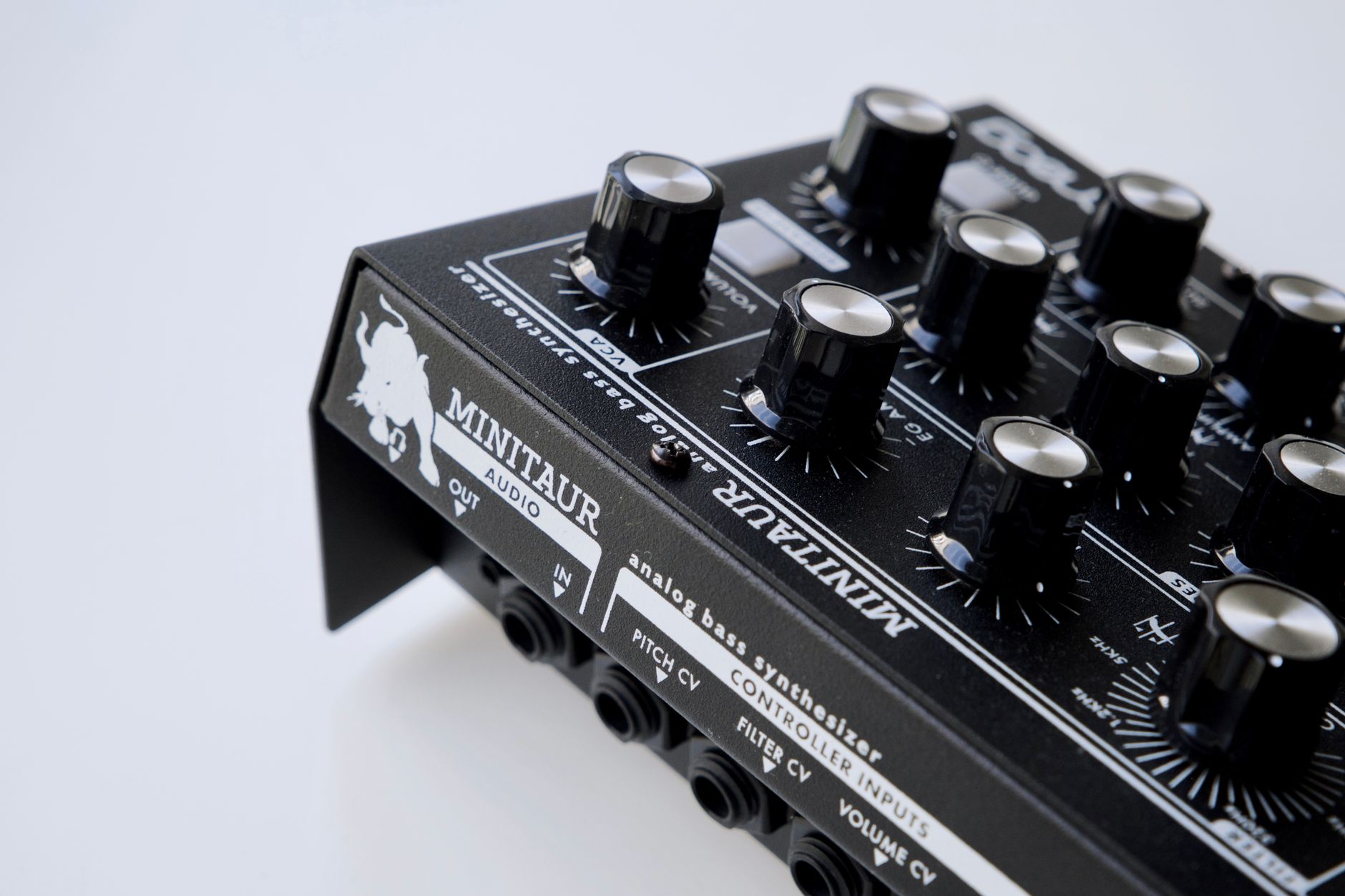
Use the synth you can edit without guessing. A simple subtractive instrument beats a complex patch machine when the low end needs to be tight. Ableton Wavetable, Xfer Serum, u-he Diva, and Kilohearts Phase Plant can all do the job. So can a Roland Juno-106 style patch if you want rounded, classic weight.
The wrong move is buying another plugin because a preset sounds massive soloed. Bass has to survive the kick, drums, vocal, limiter, and MP3 preview. That is the test.
Best synth bass choices for a first serious patch
For synth bass for beginners, I would pick a synth with one clean oscillator, one filter, amp envelope, filter envelope, and a visible modulation system. That is enough. You need repeatable control, not twelve animated wavetable lanes.
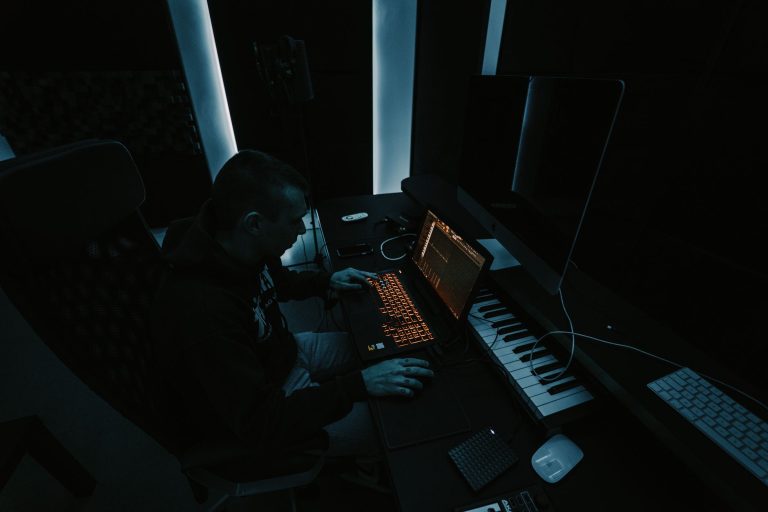
A synth bass keyboard can help if you play lines instead of drawing them. Even cheap MIDI keys reveal whether the groove breathes. A mouse-drawn bassline often lands too stiff until you nudge note lengths and velocities.
- Serum works well when you need precise wavetable harmonics and clean sub routing.
- Ableton Wavetable is fast for stock-plugin patches and visible modulation.
- u-he Diva is strong for rounded analogue-style bass with filter character.
- Phase Plant is best when you want separate sub, mid, and noise layers in one patch.
- A sampled bass can work, but tune and phase-check it before building the drop.

How do I program the patch without making low-end mud?
Start boring. One oscillator, one filter, one envelope. If the patch cannot groove before chorus, unison, reverb, and distortion, it will not get better after them. It will just get harder to mix.
My default patch is a saw or square an octave down, low-pass filter around 120 to 250 Hz, amp decay around 180 to 350 ms, sustain at zero for plucks, and release below 80 ms. For a sustained line, I bring sustain up but keep release short.
A synth bass sound recipe that works before mixing
Set oscillator one to saw, oscillator two to sine one octave lower, then pull the sine down until it supports rather than dominates. Keep phase retrigger on if the first transient needs to be consistent. Turn it off if the line feels too robotic.
Use filter envelope amount instead of drawing wild automation first. Try attack 0 to 5 ms, decay 200 ms, sustain 0 to 20%, release 60 ms. A 24 dB low-pass gives a tighter club bass. A 12 dB slope keeps more mid bite.
- High-pass any separate mid layer around 120 Hz.
- Low-pass the sub layer around 90 to 120 Hz.
- Keep reverb off the sub. Put space only on the mid layer.
- Tune distortion by ear, then back it off 10%.
- Cut mud around 180 to 300 Hz if the bass masks the low mids of the mix.
- Add a small boost around 700 Hz to 1.2 kHz when the bass disappears on phones.
- Use mono below 120 Hz and avoid stereo widening on the sub layer.
- Keep peak headroom around -6 dB before mastering or heavy bus limiting.

Why does the bass vanish when the kick comes in?
Usually the kick and bass are hitting the same frequency at the same moment. Turning the bass up only makes the master limiter clamp harder. The fix is timing, tuning, and sidechain shape, not volume.
I solo the kick and bass, then watch a spectrum analyser while listening quietly. If the kick peaks at 52 Hz and the bass root note sits there too, I either move the bass octave, change the kick, or shorten one of them.
Sidechain settings I try before touching the master bus
For four-on-the-floor, start with 3 to 6 dB of gain reduction, fast attack below 5 ms, and release around 90 to 160 ms. The release should recover before the next bass note speaks. If it pumps late, shorten it. If the groove loses energy, reduce the amount.
Volume-shaper plugins are cleaner than compressors when you want exact timing. Draw the duck so the kick transient has the first 40 to 80 ms, then let the bass return with the groove. For broken rhythms, trigger ducking from a ghost kick MIDI pattern instead of the audible kick.
- Flip kick polarity and keep whichever version gives more low-end punch.
- Nudge the bass MIDI 5 to 15 ms later if the attack crowds the kick.
- Shorten long bass notes before adding more sidechain.
- Use dynamic EQ around the kick fundamental when static EQ thins the part.
- Check the drop in mono before deciding the bass is too quiet.

How do I make it sound finished on small speakers and club PAs?
A club system cares about clean energy. A phone speaker cares about harmonics. Your job is to feed both without turning the low end into fuzz. That means separating sub weight from audible character.
We see this constantly with tracks that struggle to get accepted or sell well: the idea is strong, but the low end only works in the producer’s room. Translation is part of the arrangement, not a polish step at the end.
How I turn a bass patch into a usable synth bass sample
When the patch is right, I print an eight or sixteen-bar audio pass. Then I check the waveform. If every note has a different transient size, I fix velocity, envelope timing, or oscillator phase before mixing. Audio makes the problem obvious.
For grit, I prefer parallel saturation on the mid layer. Duplicate the bass, high-pass the copy at 120 Hz, distort it, then low-pass it around 4 to 7 kHz. Blend until the line is audible at low volume. If harsh resonances jump out, a narrow dynamic cut or Soothe2 can tame them without flattening the whole tone.
- Reference at low volume on monitors and headphones, then check a phone speaker.
- Use Yamaha HS8-sized monitor playback carefully, because untreated rooms exaggerate lows.
- Leave 1 to 2 dB less bass than feels exciting if the master bus is already moving hard.
- Print a clean MIDI version and an audio version before committing the arrangement.
- Test the drop after export, not only inside the DAW session.
| Source | Best Use | Main Risk | Starting Move |
|---|---|---|---|
| Ableton Wavetable or Serum | Precise modern EDM bass and visible modulation | Too much movement in the sub | One oscillator, mono sub, filter envelope first |
| u-he Diva or Roland Juno-106 style patch | Warm house, disco, melodic techno bass | Soft attack under a punchy kick | Shorten amp decay and add mild saturation |
| Phase Plant layered patch | Separate sub, mid growl, and click control | Overbuilding before the groove works | Mute layers until each one has a clear job |
| Synth bass sample | Fast writing, classic stabs, resampled hooks | Bad tuning or phase against the kick | Tune, mono-check, then trim the start point |
Worth a deeper read on this: Ableton Learn Synths and Sound On Sound Synth Secrets.
Questions producers actually ask
What is a synth bass?
A synth bass is a bass part made with a synthesizer instead of a recorded bass guitar. It can be a clean sine sub, a plucky house bass, a distorted mid-bass, or a layered sound that combines all three. The key is controlled low-frequency energy.
What is the best synth for bass?
The best synth for bass is the one you can edit quickly and keep mono, clean, and in tune. Serum, Ableton Wavetable, Diva, and Phase Plant are all strong choices. For beginners, a simple subtractive synth with clear envelopes and filter controls is better than a huge preset browser.
How do I get a synth bass sound?
Start with a saw, square, triangle, or sine oscillator pitched low. Add a low-pass filter, short amp envelope, and slight saturation. Keep the sub mono, sidechain it around the kick, and add a high-passed mid layer if you need the bass to read on small speakers.
What does a synth bass sound like?
It can sound smooth, rubbery, punchy, gritty, or aggressive depending on the oscillator, filter, and envelope. A clean sub feels more than it speaks. A mid-heavy bass has buzz or bite, which makes it audible on phones, laptops, and festival systems.
What to remember
- Decide the bass role before opening a preset folder.
- Keep sub energy mono and separate it from distorted midrange.
- Use sidechain timing and note length before turning the bass up.
- A simple patch with good envelopes beats a huge preset that fights the kick.
- Print audio and check translation on small speakers before calling the mix done.
Wrapping up
Synth bass works when the patch, part, and mix all agree on one job. Keep the sub clean, give the midrange enough harmonic detail to translate, and make the kick relationship deliberate instead of accidental. Most weak low end is not weak because it lacks bass. It is weak because the energy is late, wide, out of phase, or masking the wrong thing.
Open a 16-bar drop in your next session and rebuild the bass with this order: role, oscillator, envelope, kick space, mid harmonics, export check. Do that before reaching for another preset pack.
My Career makes videos from your own track and posts them for you, pitches your release to 34,000+ labels, playlists, radio stations, YouTube channels and blogs, puts it in every store and briefs you every morning. Free plan, no card, two minutes to set up.