 By Emma Carter · September 5, 2026
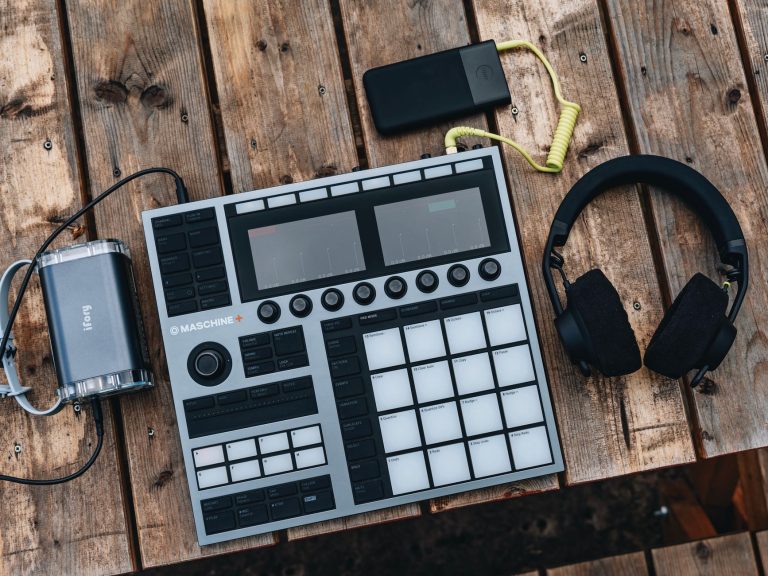
Sp-404 mk2 advice gets lazy fast: people call it either a magic lo-fi box or an overpriced toy, and both takes miss what the machine actually does well. The sp-404 mk2 is not a DAW replacement, not a beginner shortcut, and not a dusty-beat vending machine. It is a fast performance sampler with proper resampling, 16GB of internal storage, USB-C audio and MIDI, skip-back sampling, bus effects, DJ mode and a pad workflow that rewards commitment.
The smarter question is not, “Can it make a full track?” Of course it can. The better question is where it should sit beside Ableton Live, Koala Sampler, SD card prep, sample packs, stems and a finished arrangement. That is where most buyers get it wrong. Treat it like a portable idea lab and performance processor, and it earns its space. Treat it like a laptop with pads, and it will annoy you by Friday.
Myth: The sp-404 mk2 Is Just a Beatmaking Toy
The common belief is that the Roland SP-404 MK2 is mainly for chopping jazz loops on a couch. That is only one use case. The box is better judged as a capture, resample and performance system. It has 16 pads across 10 banks per project, so a single project can hold 160 pad assignments. That is enough for drums, one-shots, vocal cuts, transition FX and multiple song sections if you build with intent.
What the sp-404 mk2 Actually Does Better Than a Laptop
A laptop is better for arrangement, detailed editing and mix decisions. The sp-404 mk2 wins when you need to commit audio quickly. Sample a synth riff, resample it through Vinyl Simulator and Cassette Simulator, then print that texture before you overthink it.
Skip Back Sampling is the feature people underrate. It grabs audio you were just playing, even before you hit record. That matters when a messy pad performance has the feel that a quantised MIDI clip does not.
Where It Still Loses
Do not pretend the tiny screen is made for full mix editing. If your kick needs a narrow cut at 220 Hz and the vocal needs automation on every last word, move to a DAW. The hardware is for decisions, not surgery.
- Use it for chopping, resampling and performance FX.
- Use Ableton Live for arrangement, automation and mix balance.
- Use exported stems when you want the sampler to behave on stage.
- Best role: portable sampler, resampling box and performance processor.
- Weak role: complete mix workstation for detailed EQ and automation.
- Strong workflow: make loops on the unit, arrange and finish in a DAW.
- Practical limit: small-screen editing gets old on dense vocal tracks.
Myth: SP-404 MK2 Price Tells You Whether It Is Worth It
The usual shopping mistake is judging the unit only against the SP-404 MK2 price. New units often sit around the $499 street-price range in the US, while used listings on eBay tend to move around $375 to $450 depending on condition, firmware, box contents and pad wear. Amazon pricing can swing more because third-party sellers sometimes inflate stock during shortages.
Price matters, but workflow fit matters more. A cheap sampler you never use is still expensive. A full-price unit that replaces three half-baked plugins, a sketch recorder and a live FX chain can pay for itself in actual finished music.
The Buying Check That Beats a Spec Sheet
Ask one blunt question before buying: will you sample into it at least twice a week? If not, buy Koala Sampler first. Koala is cheap, fast and honest. If you keep making ideas there and hate touching the phone screen, the hardware starts to make sense.
If you already bounce loops from Ableton Live, FL Studio or Logic Pro and want a box for resampling them with hands-on effects, the Roland SP-404 MK2 is a strong pick. If you want piano-roll composition, it is the wrong centrepiece.
Used Units, SD Cards and Skins
When checking SP-404 MK2 eBay listings, look for photos of the pads, USB-C port and screen. Ask whether the encoder skips values. A cosmetic SP-404 MK2 skin is not a problem, but it can hide scratches, sticker residue or heavy gig use.
- Budget for a reliable SD card, 32GB is plenty for transfers.
- Check that the seller includes the power supply if you need it.
- Ask which firmware version is installed.
- Do not pay extra for sample packs you did not request.
- New price often lands near $499 in the US market.
- Used pricing commonly sits lower, but condition matters more than a $30 saving.
- A good SD card is more useful than decorative extras.
- Buy used only if the pads, encoder and USB-C port check out.

Myth: The SP-404 MK2 Software Is Optional Fluff
The common belief is that hardware should stay hardware. Fine in theory. In practice, the SP-404 MK2 software saves hours when you are moving samples, naming banks and cleaning projects before a session. Dragging files onto an SD card works, but it is not the fastest way to build a reliable live or writing set.
Use the App for Boring Work, Not Creativity
The official SP-404MKII App is useful because it handles project and sample management on a bigger screen. That does not make it inspiring. It makes it efficient. Rename drums, place one-shots in banks, back up projects and keep stage sets tidy before the pressure is on.
For file prep, export WAV files at sensible levels. Peaks around -6 dBFS keep headroom for bus effects and external gain staging. If every sample is slammed at 0 dBFS, the sampler’s effects will fold sooner than you expect.
The SD Card Routine That Prevents Chaos
Keep one transfer card and one backup folder on your computer. Do not treat the card like a dumping ground. Create folders by set, tempo or project name, then delete rejected bounces. This sounds dull until you are searching for the right kick 20 minutes before recording vocals.
- Use short filenames you can recognise fast.
- Export loops in 4-bar or 8-bar lengths when possible.
- Keep drums, music loops and vocal chops in separate folders.
- Back up finished projects before firmware updates.
- Use the software for project management, not musical decisions.
- Leave around -6 dBFS peak headroom on exported samples.
- Keep one clean SD transfer card instead of five mystery cards.
- Back up before updates, live sets and client revision work.
Myth: The SP-404 mk2 Manual Is Only for Beginners
Skipping the SP-404 mk2 manual is how people miss half the reason the unit is useful. The shortcuts are not decorative. They change the speed of the box. Pattern sequencing, mute groups, envelope settings, chromatic mode, DJ mode and bus routing all behave better once you stop guessing.
Read the Shortcuts Before You Judge the Workflow
The machine can feel clumsy if you use it like a phone app. It becomes faster once you learn pad copy, sample exchange, resampling paths and mark editing. Do one evening with the manual open and the unit in front of you. Do not read it like a novel. Test each function immediately.
Start with sample edit, import, resampling and effects routing. Those four areas affect every session. DJ mode and deeper pattern work can wait until you have muscle memory.
A 30-Minute Manual Session That Pays Off
Set a timer and run this drill. Import eight drums, chop one loop, resample a 4-bar pattern, assign effects to a bus, then export the result. If you cannot do that without hunting through menus, you do not know the sampler yet.
- Minutes 0-8: import and assign drums.
- Minutes 8-15: chop one loop and set start points.
- Minutes 15-23: resample a 4-bar idea with effects.
- Minutes 23-30: export and back up the project.
- Manual reading should be hands-on, not passive.
- Sample edit, resampling and bus effects come first.
- Shortcut fluency matters more than memorising every menu.
- A 30-minute drill exposes weak spots fast.

Myth: Built-In Effects Make Every Sample Sound Finished
The SP effects are a major reason people buy the unit, but the myth is that the effects automatically create record-ready texture. They do not. Vinyl Simulator, Lo-Fi, Isolator, Scatter, Resonator and DJFX Looper can all wreck a beat if you print them too hot or stack them without a plan.
The better method is boring and reliable: gain-stage first, resample second, compare third. When we manually review tracks before publication in our own catalogue, the problem is rarely that a beat lacks texture. It is usually that texture has eaten the transients, the vocal pocket or the low-end shape.
Print Effects Like You Mean It
Set your dry sample below clipping, apply one effect with a clear purpose, then resample. Do not keep five effects live because it feels safer. Printed audio forces a decision and frees the unit for the next move.
For drums, try isolating the damage. Send hats or percussion through Vinyl Simulator while leaving the kick clean. A kick with heavy wow, flutter and noise may sound cool alone, then vanish against a bassline.
A Simple Resampling Chain
Use a chain that you can repeat. Start with a clean 4-bar drum loop. Add Vinyl Simulator lightly. Resample. Add Compressor only if the groove needs density. Resample again. Move to Ableton Live and check the waveform against a reference track at matched loudness.
- Keep the dry kick available on another pad.
- Print one effect pass at a time.
- Leave headroom before the final DAW mix.
- Use sidechain ducking later if the bass fights the kick.
- Effects are strongest when printed with intent.
- Keep kicks cleaner than hats, percussion and transitions.
- Resample in stages so mistakes are easy to spot.
- Check texture in context, not solo.

Myth: Ableton Live and Koala Make the Hardware Redundant
Software can replace some tasks, but not the whole feel. Ableton Live is stronger for arrangement, warp editing, automation, freezing tracks and final mix prep. Koala Sampler is faster for cheap mobile sketching. The hardware sits between them: tactile enough for performance, structured enough for repeatable projects, limited enough to stop endless mouse edits.
When Ableton Should Lead
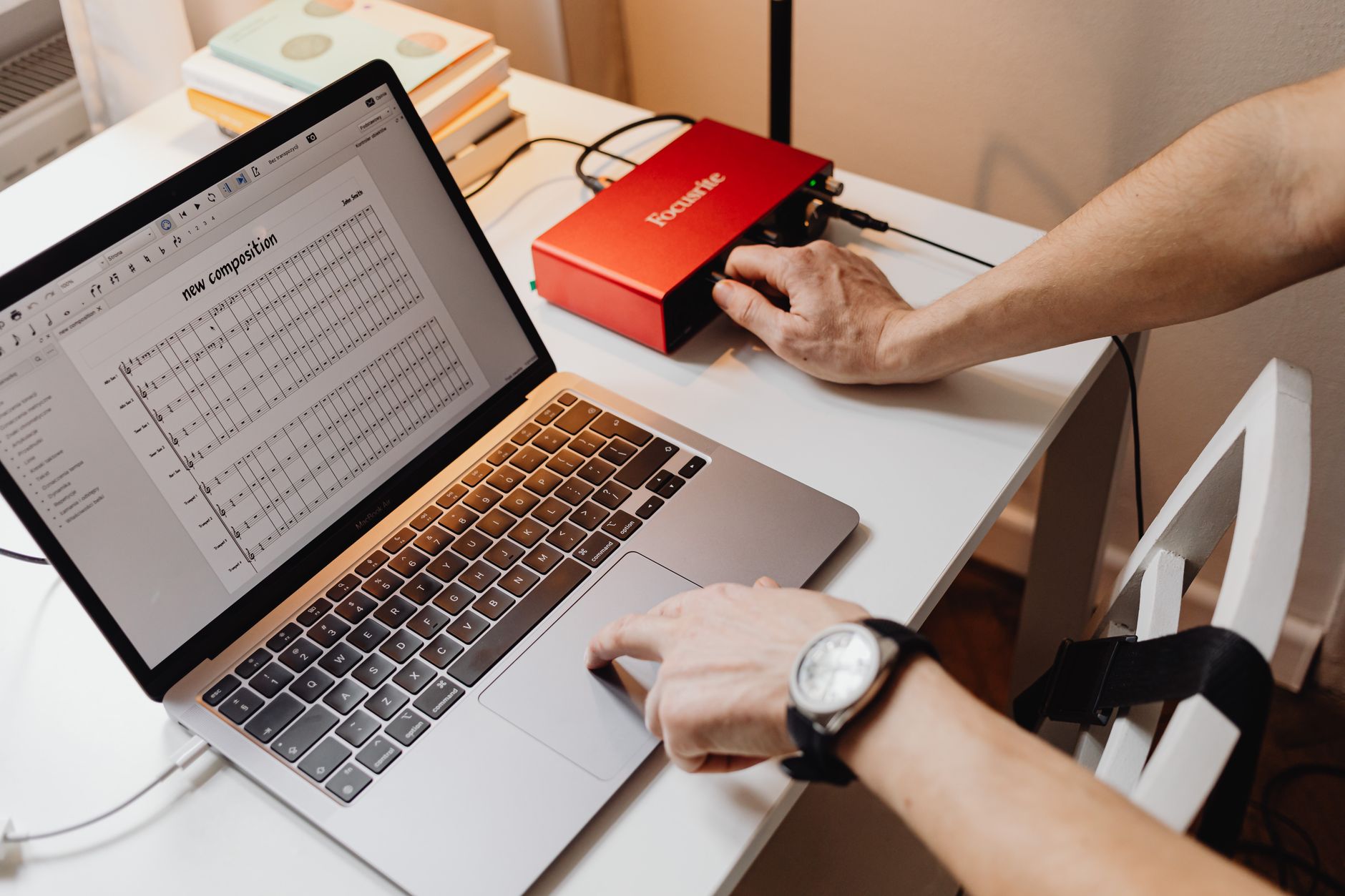
Let Ableton Live lead when the song needs structure. Build the intro, 16-bar drop, breakdown and second drop in the DAW. Export stems such as drums, bass, music and vocals, then load those stems into the sampler for live rearrangement or resampling.
This is also the right path for artists using ghost production or custom music production services. The sampler can add identity and performance variation, but the final arrangement still needs translation on club systems and streaming masters.
When Koala Should Lead
Koala is the better first sampler for people who are not sure they sample enough. It teaches chopping, resampling and limitation without the hardware cost. If you outgrow touch-screen control, the sp-404 mk2 becomes a clearer buy, not an impulse purchase.
- Use Koala for phone sketches and low-risk practice.
- Use Ableton Live for structure and detailed edits.
- Use the Roland box for tactile resampling and live FX.
- Use all three only if each has a job.
- Ableton Live is the arrangement boss.
- Koala is the cheapest way to test your sampling habits.
- The hardware earns its place through touch, speed and performance control.
- A hybrid workflow beats forcing one tool to do every job.
Myth: Updating the Firmware Is a Risky Nerd Task
Some producers avoid firmware updates because they fear bricking gear. That fear is understandable, but outdated firmware is usually the bigger drag. Roland has added meaningful functions to the SP line through updates, and keeping the unit current helps when you are trading projects, using newer software tools or following current tutorial workflows.
How to Update Without Drama
Before touching firmware, back up projects. Use a stable power supply, not a half-charged USB power bank. Download the official update from Roland’s support page, read the included instructions, copy the required files to the SD card exactly as stated, then run the update on the unit.
Do not interrupt the process. Do not rename update files. Do not update five minutes before a live set. Schedule it like maintenance, then test old projects after the restart.
What to Check After Updating
Open a familiar project and test pad playback, effects routing, import, export and USB audio. If you use the sampler for live sets, run your full first song, not just a pad tap. You want to catch routing surprises before speakers are on and people are waiting.
- Back up projects first.
- Use official Roland files only.
- Keep power stable during the update.
- Test your real workflow after restart.
- Firmware updates are maintenance, not a vibe decision.
- Backups come before every update.
- Official files and stable power prevent most problems.
- Test a real project after the update, not only an empty pad bank.
| Tool | Best Job | Concrete Setting or Habit | Weak Spot |
|---|---|---|---|
| Roland SP-404 MK2 | Hands-on sampling, resampling and performance effects | Keep source samples peaking around -6 dBFS before heavy effects | Detailed arrangement and mix automation |
| SP-404MKII App | Project backup, sample placement and file organisation | Name banks by role: drums, music, vocals, transitions | Not an inspiring writing environment |
| Ableton Live | Arrangement, warp editing, automation and final mix prep | Export 4-bar or 8-bar stems for sampler performance sets | Less tactile for committed resampling moves |
| Koala Sampler | Cheap mobile sketching and testing sampling habits | Use it for two weeks before buying hardware if unsure | Touch-screen control lacks stage confidence |
| 32GB SD Card | Transfers, backups and update files | Keep one clean card for transfers and firmware tasks | Easy to turn into a messy sample dump |
Worth a deeper read on this: Roland – SP-404MKII and Roland SP.
Questions producers actually ask
Is the sp-404 mk2 worth it?
Yes, if you actually sample, resample and perform ideas by hand. It is less worth it if you mainly draw MIDI notes and finish everything inside a DAW. The value is in speed, commitment, tactile effects and portability, not in replacing Ableton Live or Logic Pro.
What is a SP 404 MK2?
The Roland SP-404 MK2 is a portable hardware sampler and effects unit. It records, imports, chops and plays samples from pads, then lets you resample audio through built-in effects. Producers use it for beatmaking, live performance, transitions, vocal chops, texture and sketching ideas away from a full studio setup.
How do I update my SP 404 MK2?
Back up your projects first. Download the official system update from Roland’s support page, follow the included instructions, copy the update files to a prepared SD card and run the update from the unit. Keep power stable, do not rename files and never interrupt the process halfway through.
How much does a SP 404 cost?
New Roland SP-404 MK2 units commonly sell around the $499 street-price range in the US, though retail pricing changes by region and stock. Used prices are usually lower, often around $375 to $450 depending on condition, included accessories, firmware version and whether the pads, screen and USB-C port are clean.
Do I need SP-404 MK2 software?
You can use the sampler without the software, but the official app makes project management less painful. It is useful for backing up, moving samples, organising banks and preparing sets on a larger screen. Creativity still happens on the pads; the software is mostly for housekeeping.
Should I buy an SP-404 MK2 on Amazon or eBay?
Amazon is usually safer for returns when buying new, but watch for inflated third-party prices. eBay can be good for used units if the seller shows clear photos and answers questions about pad condition, encoder behaviour, firmware and included power supply. Do not buy the cheapest listing blindly.
What to remember
- The SP-404 MK2 is strongest as a sampler, resampling box and performance processor.
- Price alone is a bad buying filter; workflow fit matters more.
- Ableton Live, Koala Sampler and the SP-404MKII App each solve different problems.
- Built-in effects sound better when printed in controlled stages with headroom.
- Reading the manual for shortcuts changes the whole feel of the machine.
- Back up projects before firmware updates, live sets and major revisions.
Wrapping up
The sp-404 mk2 is not magic and it is not obsolete because software exists. It is a focused box for sampling, resampling, committing texture and performing audio without staring at a DAW grid. The bad reviews usually come from people asking it to be a full arrangement system. The hype usually comes from people pretending limitations are automatically musical.
The working path sits between those extremes. Prep clean files, leave headroom, learn the manual shortcuts, use the official software for organisation and finish serious arrangements in a DAW when the track asks for it. Try this in your next session: build one 8-bar idea in the sampler, print two effect passes, then arrange it properly before adding anything else.
My Career makes videos from your own track and posts them for you, pitches your release to 34,000+ labels, playlists, radio stations, YouTube channels and blogs, puts it in every store and briefs you every morning. Free plan, no card, two minutes to set up.