 By TGP Production Desk · September 23, 2026
TL;DR
- The MD 421-II is best treated as a weight and punch microphone, not a universal vocal solution.
- Use the bass roll-off switch before trying to fix every low-mid problem with EQ.
- For vocals, start 10 to 15 cm back, high-pass around 65 Hz, and cut mud between 180 Hz and 320 Hz.
- Against an SM57, the MD 421-II gives more body while the SM57 gives cheaper upper-mid bite.
- Used listings need careful checks for output level, crackle, clip condition, and return options.
Sennheiser md421 2 is the search people type when they mean Sennheiser’s MD 421-II, the big grey dynamic mic that refuses to leave serious rooms. If sennheiser md421 2 is on your shortlist, treat it less like a magic vocal mic and more like a pressure tool: it handles loud sources, keeps low mids solid, and lets you place sound inside a dense electronic track without making everything shiny.
Set it up wrong and it sounds boxy. Set it up right and it gives you weight fast. We will work like we are standing at the desk together: position the mic, record a pass, open the EQ, cut the junk, and check whether this thing earns its price in a bedroom studio, DJ vocal tag chain, or custom production session.
Sennheiser md421 2 in 2026: What Actually Changed
The mic did not suddenly become different. The workflow around it did. Over the last couple of years, producers have got better at fixing close-mic problems with dynamic EQ, clip gain, smarter noise cleanup, and more honest monitoring. That matters because the MD 421-II gives you a lot of information around 150 Hz to 500 Hz. Useful. Also dangerous.
Do not buy it because a forum told you it is a classic. Buy it because you have a source that needs controlled punch: toms, guitar cabinets, brass, percussion, spoken vocals, aggressive sung vocals, or a loud synth amp. Put it on the right job and it feels obvious.
Why the sennheiser md421 2 Search Still Points to the MD 421-II
The official model name is MD 421-II. People shorten it to MD421, MD 421, or md421 2 because the roman numeral gets messy in search bars. Same family, different wording.
The current production mic is not the same as every vintage white or black MD 421 you see on old studio photos. The new one is easier to replace, easier to warranty, and usually less risky than a tired vintage unit with a weak capsule or cracked clip mount.
The 2026 Producer Angle
Most home producers are not tracking a full rock kit through a giant console. You might be cutting one vocal, one amp, a snare sample layer, or a shouted hook for a techno drop. Fine. The MD 421-II still works there.
The shift is speed. Record 30 seconds. Check it against your beat on Yamaha HS8 monitors or good headphones. Then make one deliberate cut, not ten nervous ones.
- Use it when the source is loud, mid-forward, or physically punchy.
- Avoid eating the grille unless you want heavy proximity effect.
- Record at 24-bit with peaks around -12 dBFS, not slammed near zero.
- Check phase if you pair it with a second mic.
- Budget for a solid stand because the body is heavier than an SM57.
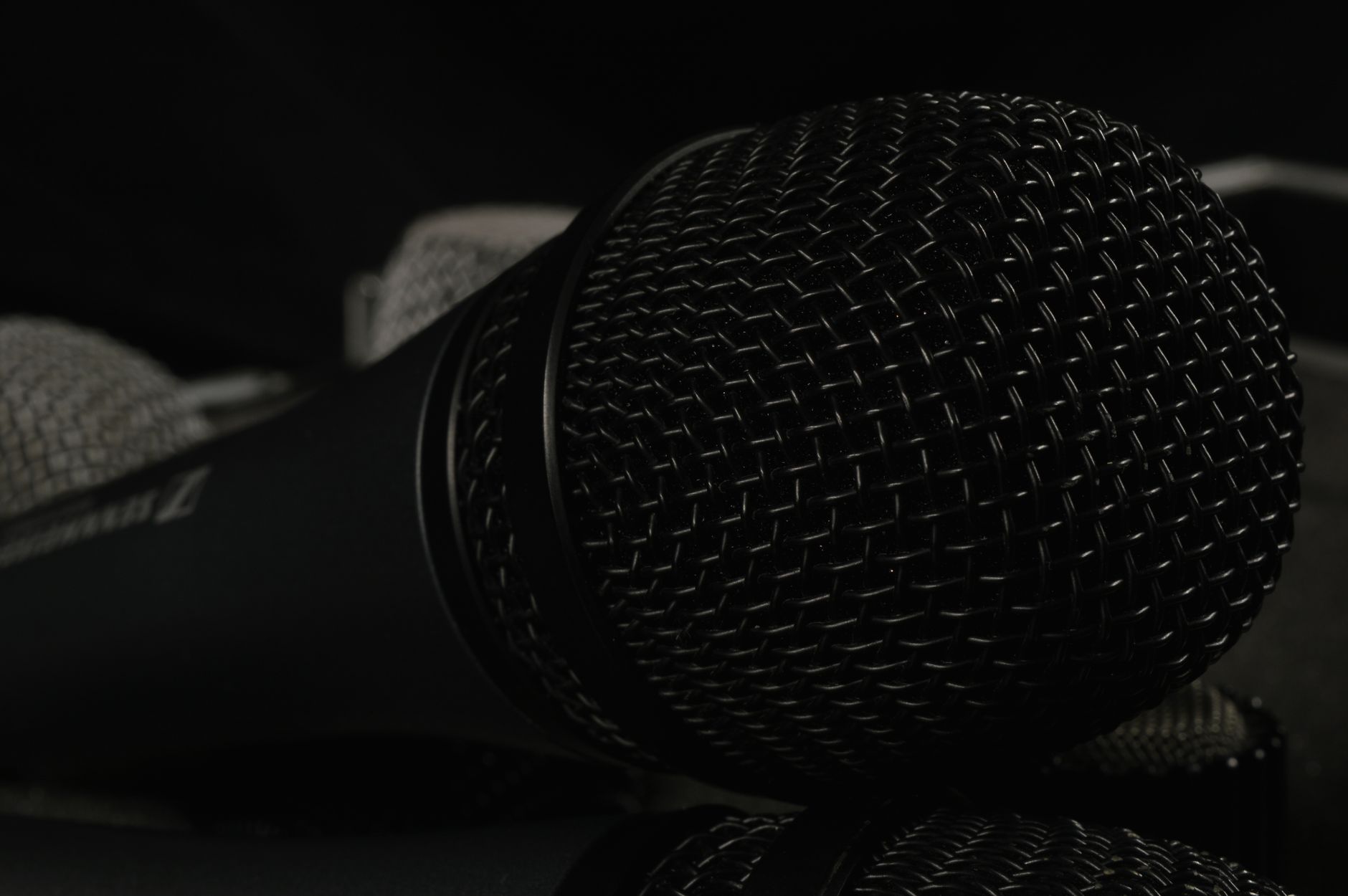
Sennheiser md421 2 Specs That Matter in a Session
Specs are only useful if they change what you do at the stand. The Sennheiser md421 2 specs people look up most are simple: dynamic moving-coil design, cardioid pickup, five-position bass roll-off, high SPL handling, and a published 30 Hz to 17 kHz frequency range.
Read that again with producer ears. Cardioid means front-focused but not isolation-proof. Dynamic means it can take level without flinching. The bass switch means you can remove proximity buildup before the signal hits the preamp.
Sennheiser MD421 Polar Pattern, in Plain Studio Terms
The Sennheiser MD421 polar pattern is cardioid. Aim the front at the source. Aim the rear toward the thing you want quieter. If your laptop fan, untreated wall, or hi-hat bleed is behind the mic, you are already helping the recording before touching a plugin.
Do a simple test. Put headphones on. Move the mic 10 cm left, then right. Listen to the room tone, not the instrument. The position with less boxy room is usually the correct position.
Reading the Frequency Response Without Worshipping It
The Sennheiser MD 421-II frequency response chart shows extended lows, controlled presence, and less brittle top than many condensers. That does not mean it is dark. It means the top end is not hyped in the same way a cheap large-diaphragm condenser can be.
For EDM vocals and DJ drops, expect weight first and air second. If you need glossy 12 kHz breath, add it later with EQ or blend another mic. Do not force the MD 421-II to pretend it is a bright condenser.
The Five-Position Bass Switch
The bass switch runs from full low end to stronger roll-off. Start with the middle position for vocals, full low end for floor tom, and stronger roll-off for guitar cab. Then listen. The switch is not a tone trophy. It is a problem solver.
If your vocal gets cloudy when the beat drops, move the switch one step leaner before reaching for a plugin. Hardware decisions beat rescue EQ.
- Published frequency range: 30 Hz to 17 kHz.
- Pickup pattern: cardioid.
- Type: dynamic moving-coil microphone.
- Connector: XLR-3.
- Useful habit: set gain after the performer gets loud, not during a polite warm-up.

Where the MD 421-II Earns Its Keep
Ask what the MD421 is commonly used for and the old answer is toms, guitar amps, brass, drums, and broadcast-style voices. That answer still holds. The better question is where it beats the mic you already own.
Use it when you need density without condenser fizz. That makes it handy for producers who build tracks around programmed drums but still want one live element to feel expensive.
Vocals and DJ Tags
Yes, the MD 421-II can work on vocals. Keep the singer 10 to 15 cm back with a pop filter. Angle the mic 15 degrees off-axis if S sounds spit at you. Record two takes: one intimate, one projected. The projected take usually sits better over house, techno, trap, and DnB because it has more chest and less lip noise.
For DJ drops, set the bass switch one or two clicks away from full low end. Then high-pass around 70 Hz in the DAW. Leave the 120 Hz to 180 Hz zone alone until the voice is inside the beat.
Toms, Percussion, and Sample Layers
On toms, place the capsule 5 to 8 cm above the head, pointed halfway between the centre and rim. Record a hit. If it goes cardboard, move toward the centre. If it gets papery, move toward the rim.
For sample layers, record single hits at three distances: 5 cm, 20 cm, and 60 cm. Chop them. The close hit gives punch. The 60 cm hit gives air and room, even in a small room if the room does not sound terrible.
Guitar Cabinets and Re-Amped Synths
Put the mic 2 to 5 cm from the grille, halfway between the dust cap and cone edge. Too bright? Move out. Too dull? Move in. Too fizzy? Angle it 20 to 30 degrees.
This also works for re-amped synth bass. Send a mono synth line through a small amp, record it with the MD 421-II, then blend it under the clean DI. Low-pass the mic layer around 4 kHz if the amp noise gets ugly.
- Best first sources: toms, guitar cabinets, brass, shouted vocals, percussion.
- Risky first sources: whisper vocals, airy pop toplines, distant room ambience.
- For home studios, close placement usually beats distant placement.
- For dense electronic mixes, cut low-mid buildup before adding top end.
Walkthrough: Record a Thick Vocal Without Mud
Stand up. Put the track on loop. We are going to cut a usable vocal with the MD 421-II and keep it out of the 200 Hz swamp. This is not a theory pass. Do the moves in order.
The target is a vocal that survives under a loud kick, sub bass, and bright synths without turning nasal or woolly.
Set the Mic Before You Touch the Preamp
Place the mic 12 cm from the mouth. Add a pop filter 5 cm in front of the grille. Set the bass switch to the middle position. Rotate the mic 10 to 15 degrees off-axis so plosives do not hit the capsule straight on.
Tell the artist to perform the loudest line. Set preamp gain so peaks land around -12 dBFS. If they hit -6 dBFS once or twice, fine. If they live at -3 dBFS, turn down. Digital headroom is free. Use it.
Open the EQ. Cut First.
Open FabFilter Pro-Q 4, Pro-Q 3, Kirchhoff-EQ, or your DAW stock EQ. High-pass at 65 Hz with a 12 dB per octave slope. Sweep a bell between 180 Hz and 320 Hz. Find the note that makes the vocal sound like it is trapped in a shoebox.
Cut 3 dB first. Listen. If the beat still clouds up when the vocal enters, cut 5 to 6 dB with a medium Q. Do not carve 12 dB because your eyes like a tidy curve.
Compress and De-Ess Like a Producer, Not a Repair Tech
Use an 1176-style compressor at 4:1, attack around 3, release around 6 if your plugin uses the classic scale. Aim for 3 to 5 dB of gain reduction on loud words. Then de-ess around 5.5 kHz to 7.5 kHz only when S sounds jump out.
If the vocal loses front edge, add a small shelf at 8 kHz, 1 to 2 dB. Stop there. The MD 421-II is giving you body. Let it be that.
- Place the mic 12 cm from the mouth with a pop filter.
- Set the bass switch to the middle position.
- Record peaks around -12 dBFS.
- High-pass at 65 Hz.
- Cut 180 Hz to 320 Hz by 3 to 6 dB if the beat gets cloudy.
- Compress 3 to 5 dB, then de-ess only where needed.
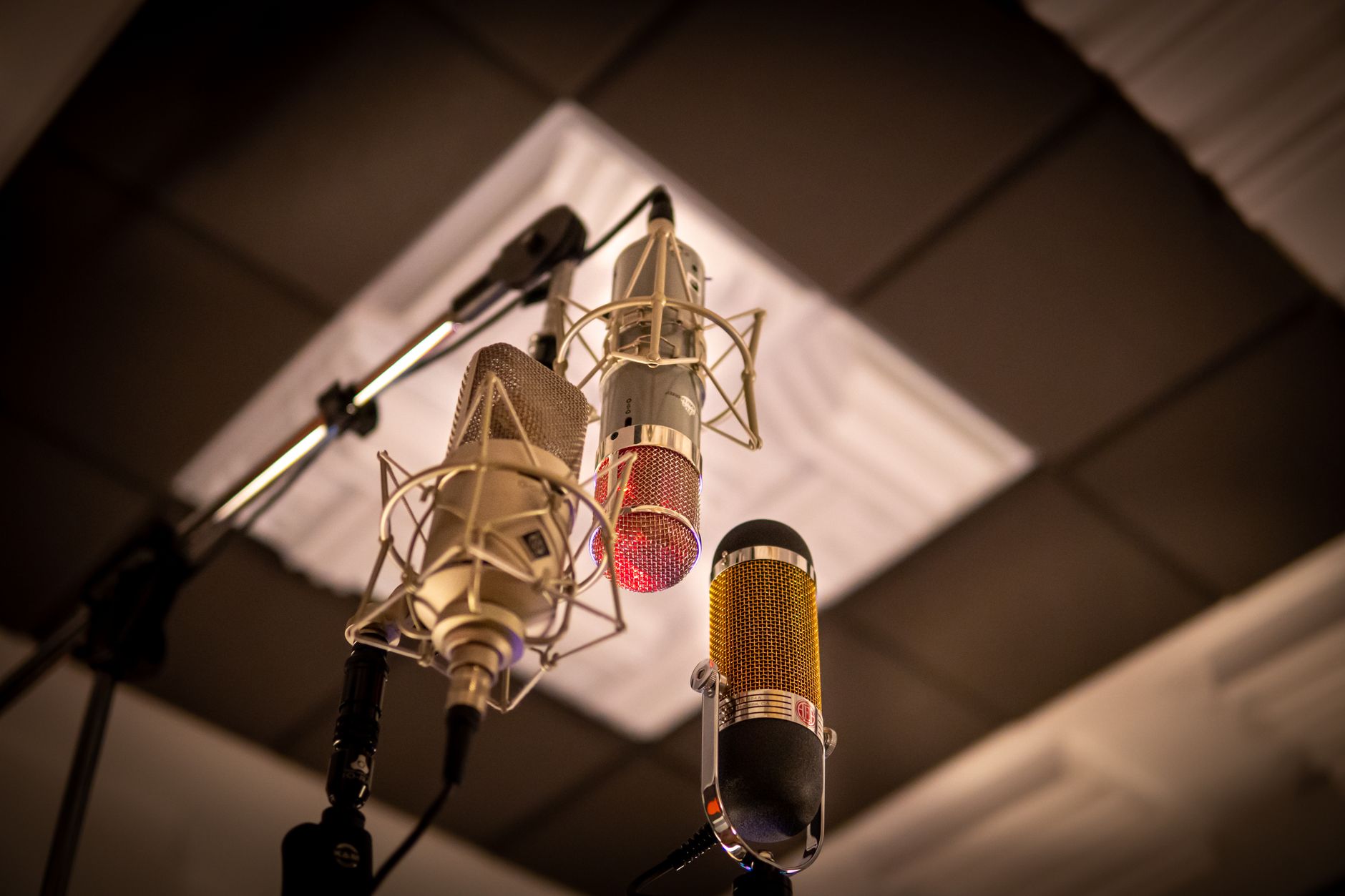
Sennheiser MD 421 vs 421 II, and the SM57 Question
The Sennheiser MD 421 vs 421 II argument gets loud because vintage gear attracts strong opinions. Some older MD 421 units have a different feel, especially in the upper mids and low-end weight. Some are also damaged, inconsistent, or overpriced.
If you need a working mic for sessions, not a display piece, the MD 421-II is the sensible pick. If you are collecting tones and can test three vintage units in person, that is a different job.
How It Compares to an SM57
The Shure SM57 is cheaper, smaller, tougher to mount in cramped places, and excellent on snare and guitar. The MD 421-II sounds larger in the low mids and smoother through the upper presence zone. That size is the reason people love it. It is also the reason it can crowd a mix.
On a guitar cab, put an SM57 near the dust cap for bite and the MD 421-II closer to the cone edge for girth. Flip polarity on one channel and choose the setting with the stronger low mids. If the low end disappears, polarity is wrong or the capsules are too far apart.
The Clip Problem Is Real
The MD 421-II mounting clip has annoyed engineers for years. Do not pretend otherwise. Lock it firmly before the singer enters the room. If the mic drops mid-take, the vibe is gone and the grille may lose the fight.
For amp sessions, tape the XLR cable to the stand as strain relief. It looks boring. It saves microphones.
- Pick the SM57 for cheap bite and fast placement.
- Pick the MD 421-II for thicker low mids and smoother aggression.
- Use both on guitar only if you can check phase properly.
- Do not buy vintage unless you can test noise, output level, and clip condition.

Price, Release Date, and Buying Used Without Regret
Sennheiser md421 2 price searches usually lead to a wide spread because new, used, open-box, and vintage units get mixed together. New MD 421-II street pricing often sits in the mid-priced professional dynamic mic bracket, not budget territory. Used prices can look tempting until you factor in clips, wear, shipping, and return risk.
On the Sennheiser md421 2 release date question, be careful with wording. The MD 421 family is old, but the MD 421-II is the modern production version that followed the classic earlier models. Most buyers should care less about a calendar date and more about which version is in the box.
Sennheiser md421 2 for Sale Checks
When you see a Sennheiser md421 2 for sale listing, ask for three things: a spoken voice test, a photo of the XLR pins, and a clear shot of the clip mount. If the seller cannot provide those, walk away.
Listen for crackle on plosives, low output compared with another dynamic mic, and rattles when the body moves. A bargain that needs repair is not a bargain for a bedroom producer trying to finish records.
New vs Used Decision
Buy new if this is your main vocal or instrument mic and you cannot afford downtime. Buy used only with a return window. The MD 421-II is physically solid, but used microphones live strange lives: smoke, damp storage, bad stands, and heavy touring cases.
If the used price is only 15 percent below new, skip it. Warranty and return rights are worth more than that.
- Check that the bass switch moves cleanly through all positions.
- Ask for a raw voice recording with no EQ or compression.
- Inspect the grille for dents and the body for cracks.
- Confirm the original clip is included or price a replacement.
- Avoid listings with only one dark photo and no return option.
What Sennheiser md421 2 Reddit Threads Get Right
Sennheiser md421 2 Reddit discussions are useful when people post source, room, placement, and audio examples. They are less useful when someone declares one mic perfect for everything. No mic does that.
Take the repeated comments seriously: great on toms, strong on guitar cabs, usable on many voices, sometimes too thick up close, annoying clip. That is a fair summary. Now test it in your room.
Run This 10-Minute Reality Check
Record the same source three ways: 5 cm, 15 cm, and 30 cm from the mic. Keep gain matched. Drop each take into the beat. Do not solo for more than five seconds. Solo lies.
Mark the take that needs the fewest moves to work. That placement is your starting preset. Save a photo on your phone with distance, angle, bass switch position, and preamp gain. Boring documentation becomes speed later.
Judge It Against the Track, Not the Internet
A vocal that sounds huge alone may fight the kick, bass, and low synths. A guitar cab that sounds a little narrow solo may sit perfectly once the drums hit. The MD 421-II often wins by sounding finished in context, not by sounding impressive in isolation.
Use reference level too. Monitor around 75 to 80 dB SPL if your room allows it, then check quietly. If the vocal disappears at low volume, add presence near 3 kHz before adding air.
- Trust posts with audio clips more than brand arguments.
- Ignore claims that one vintage version beats every modern unit.
- Test distance before changing plugins.
- Keep the take that works inside the beat, not the loudest solo take.
| Mic | Best Use | Tone | Main Trade-Off |
|---|---|---|---|
| Sennheiser MD 421-II | Toms, guitar cabs, brass, strong vocals | Thick low mids, controlled presence | Large body and fussy clip |
| Shure SM57 | Snare, guitar bite, budget utility | Forward upper mids, leaner lows | Can sound scratchy on some vocals |
| Sennheiser e906 | Fast guitar cab placement | Focused midrange, tight low end | Less full than the MD 421-II |
| Electro-Voice RE20 | Broadcast vocals, bass amps, voiceover | Smooth, balanced, reduced proximity effect | Bigger, pricier, needs more gain |
Go deeper
- Sennheiser MD 421 — en.wikipedia.org
FAQ
What is the sennheiser md421 2 commonly used for?
The MD 421-II is commonly used for toms, guitar cabinets, brass, percussion, broadcast-style speech, and loud vocals. Producers like it when a source needs weight without brittle condenser top end. It is especially useful when you want a close, solid recording that can sit inside a dense mix.
What microphone did Stevie Nicks use?
Stevie Nicks has often been associated with the Sennheiser MD 441 in studio discussions, not the MD 421-II as the main famous reference. Do not buy a microphone only because of a singer credit. Match the mic to your voice, room, and production style first.
How does the MD 421 compare to the SM57?
The MD 421-II usually sounds fuller in the low mids and smoother in the upper presence range. The SM57 is cheaper, smaller, and more aggressive around the upper mids. For guitar, the SM57 gives bite while the MD 421-II gives body. On vocals, the better choice depends on the singer.
Is the Sennheiser MD 421 good for vocals?
Yes, it can be very good for vocals, especially strong voices, spoken lines, rap ad-libs, and DJ tags. Keep the singer 10 to 15 cm back, use a pop filter, and manage the 180 Hz to 320 Hz area. It is less ideal if you need airy, whispery pop detail straight from the mic.
What is the Sennheiser MD421 polar pattern?
The MD 421-II uses a cardioid polar pattern. It mainly captures sound from the front and rejects more sound from the rear. In a home studio, point the back of the mic toward computer noise or reflective surfaces when possible. Placement still matters more than the pattern name.
Is there a clear Sennheiser MD 421 vs 421 II winner?
Not for most working producers. Vintage MD 421 units can sound excellent, but condition varies a lot. The MD 421-II is easier to buy new, return, replace, and match across sessions. If you cannot test vintage units in person, the modern version is the safer studio tool.
The bottom line
sennheiser md421 2 searches lead to a mic that still makes sense in 2026, as long as you use it for the right job. It is not the cheapest dynamic. It is not the brightest vocal mic. It is a sturdy, mid-forward studio tool that can make toms, amps, percussion, brass, and certain vocals feel finished faster.
Try the vocal walkthrough in your next session. Record three distances, keep the gain sensible, cut the cloudy low mids, and judge the take inside the beat. If the recording needs fewer fixes than your usual mic, you have your answer.
My Career makes videos from your own track and posts them for you, pitches your release to 34,000+ labels, playlists, radio stations, YouTube channels and blogs, puts it in every store and briefs you every morning. Free plan, no card, two minutes to set up.