Hardest techno is not just speed; hardest techno is controlled violence, a kick that owns the first 120 ms, a rumble that moves air without swallowing the vocal stab, and a DJ set that does not peak too early.
If you produce, you need tools that survive clipping, saturation and club limiters. If you DJ, you need tracks that mix cleanly at 150 to 160 BPM without turning every transition into a brick wall. The useful question is not which track is loudest on YouTube. It is: which tools, settings and references get you that physical, hostile sound while still leaving enough shape for a crowd to follow? Start with the kick, then the rumble, then the arrangement. Everything else is decoration.
Hardest techno Tools I Reach for First
Build the track around the kick tool first, not the synth riff. For hardest techno, the kick decides the tempo, bass space, groove and mix ceiling before you even touch a lead.
My first choices are Sonic Academy Kick 2 for surgical pitch and tail control, Ableton Drum Buss for fast weight, Soundtoys Decapitator for midrange hair, FabFilter Pro-Q 3 for tight cleanup, and Cableguys ShaperBox 3 for sidechain curves that do not pump randomly. Elektron Digitakt II also earns its place when you want brutal one-shots, resampled fills and 4-bar switch-ups without staring at a DAW grid.
The hardest techno signal chain
Start simple: Kick 2 into soft clipping, then EQ, then controlled saturation. Tune the kick fundamental around 49 to 55 Hz for F to G territory, or 58 to 62 Hz if the track sits higher and faster. Do not let the sub tail run forever. A 180 to 260 ms decay is usually enough at 155 BPM.
Set your kick peak around -8 dB before mix processing. Leave the master with at least -6 dB headroom until the last print. Hard tracks fail fast when every channel is already pinned red.
- Kick 2: clean pitch envelope and repeatable 909-style bodies
- Ableton Drum Buss: drive at 10 to 25 percent, boom tuned to the root
- Decapitator: punish mids, then back the mix knob down
- Pro-Q 3: cut box at 180 to 260 Hz if the rumble clouds the kick
- ShaperBox 3: draw a fast duck for the first 80 to 140 ms
Top 10 Hardest Techno Songs to Reference
Use reference tracks for decisions, not for imitation. The best hard techno songs give you measurable targets: BPM, kick length, rumble density, breakdown length and how often the track gives the ear a reset.
Do not pick ten random bangers and hope the mix gets harder by osmosis. Load them into your DAW, level-match them to your rough mix, and mark the first drop, main drop, break and final 32 bars. Most hardest techno records feel extreme because the arrangement removes comfort at the right moments, not because every sound is distorted all the time.
A practical top 10 hardest techno study list
Use this as a starting crate, then replace anything that does not fit your lane. Study 999999999 for acid pressure, Nico Moreno for kick aggression, Sara Landry for vocal tension, Klangkuenstler for industrial momentum, DYEN for rave stabs, I Hate Models for drama, Alignment for drive, Shlømo for texture, Charlie Sparks for percussive impact, and Oguz for modern festival pressure.
Drop each reference into a session and write down one technical reason it works. If the only note is hard, you have not listened closely enough.
- Check BPM first, usually 148 to 160 for current hard techno
- Measure how long the kick tail lasts before the next transient
- Note whether the rumble is tonal, noisy or both
- Count how many bars pass before a new fill appears
- Listen for mono low end below 120 Hz

Kick and Rumble Chain: Distort Before You EQ
Distortion creates the attitude, EQ makes it usable. If you EQ a clean rumble first, then distort it heavily, you usually bring the mud straight back.
A reliable chain is kick send into reverb, distortion, low-pass filtering, EQ cuts, then sidechain ducking. Use a short room or plate decay around 0.6 to 1.2 seconds. Print it to audio if the part feels right. Audio clips make it easier to chop dead space, reverse tails and mute the rumble before fills.
Rumble settings that stay hard
Send the kick to Valhalla Room, Ableton Hybrid Reverb or your stock reverb. High-cut before the distortion around 2 to 4 kHz if the fizz gets ugly. After Decapitator, Trash or Ableton Saturator, low-cut at 28 to 35 Hz and carve 180 to 280 Hz by 2 to 5 dB if the kick body loses definition.
Use sidechain ducking from the dry kick. Start with 4:1 compression, 1 to 5 ms attack, 80 to 140 ms release, then fine-tune by ear. The duck should clear the punch without making the groove breathe like EDM sidechain.
- Keep the dry kick and rumble on separate channels
- Filter sub-trash below 30 Hz before the master limiter
- Clip the kick bus lightly before the full drum bus
- Check the groove in mono every 8 bars
- Mute rumble tails before big fills for extra impact
Synth Tools for Screams, Stabs and Sirens
The lead sound should cut through damage, not compete with the kick. Harsh synths work when their midrange is focused and their low end is disciplined.
Vital is a strong choice for modern hard techno because wavetable position, FM amount and distortion can all be automated without buying extra instruments. For hardware flavor, a Roland Juno-106 style stab still works, but high-pass it aggressively. The nostalgia is useful only if it leaves the drum system alone.
Patch moves that sound bigger than they are
For a siren in Vital, start with a saw wavetable, add a second oscillator one octave up, apply FM from oscillator two at 10 to 25 percent, then run a band-pass filter around 800 Hz to 2.5 kHz. Automate cutoff in 4-bar ramps. Add distortion after the filter, not before, if you want a cleaner scream.
For rave stabs, keep chords short: 1/8 or 1/16 notes with 20 to 60 ms attack and a hard release. High-pass at 180 to 300 Hz. If the stab still masks the kick click, notch 2.5 to 4 kHz by a couple of dB.
- Vital: wavetable screams, FM sirens and dirty risers
- Roland Juno-106: short stabs, noisy chords and classic rave colour
- Ableton Push 3: fast automation recording without mouse drift
- Auto Filter or Pro-Q 3: moving band-pass lines and precise notches
- Valhalla Delay: dotted 1/8 echoes filtered above the low mids
Mixdown Targets That Survive Big Systems
Hard does not mean permanently clipped. The hardest techno mixes usually have brutal front-end transients and cleaner low-mid management than people expect.
Set rough targets before mastering. Kick peak around -8 to -6 dB, rumble 3 to 6 dB lower than the kick, lead sounds below the kick transient, and master headroom around -6 dB. On the drum bus, clip 1 to 3 dB with a clean clipper before compression. If the clipper is shaving 6 dB every beat, the mix is not hard. It is flat.
Numbers worth checking
Use SPAN, Insight or your DAW analyzer to watch the low end, but do not mix with your eyes locked to the screen. Below 120 Hz should feel centered. The 180 to 350 Hz area is where hard techno gets fat or useless. If the track feels smaller after mastering, this band is often the culprit.
Aim for a premaster that already feels convincing at -10 to -8 LUFS short-term in the drop without master limiting. The final master can go louder, but the groove has to survive before the limiter arrives.
- Low-cut non-bass channels at 120 to 250 Hz when needed
- Keep sub below 120 Hz mostly mono
- Clip drums before limiting the full mix
- Check at quiet volume for kick definition
- Reference after level-matching, not louder-is-better guessing
Hard Techno Set List Prep for DJs
A hard techno set list needs pressure control, not 90 minutes of redline tracks. The hardest record in your folder feels weaker if you play it too early.
Build crates by function: openers, pressure builders, vocal weapons, acid tools, industrial peaks and reset tracks. In Traktor Pro 4, Rekordbox or Serato, color-code by energy rather than genre. A 154 BPM industrial track and a 154 BPM acid roller can sit in totally different moments, even if the store tags match.
Hard techno songs to mix cleanly
For hard techno songs to mix, favor tracks with 16 or 32-bar drum-only sections, clear phrase changes and kick tails that do not smear the next track. Loop the outgoing track for 8 bars if the incoming kick needs space. Kill lows on one channel early, not at the last second.
Do not stack two huge rumbles for long. It sounds exciting in headphones and terrible on a big rig. Swap low end decisively, then use mids and highs for the blend.
- Tag tracks by energy from 1 to 5
- Mark first clean mix-in and last clean mix-out cue points
- Keep three reset tracks for every hour of peak material
- Avoid double-rumble blends longer than 8 bars
- Test key clashes on pitched acid lines before the gig
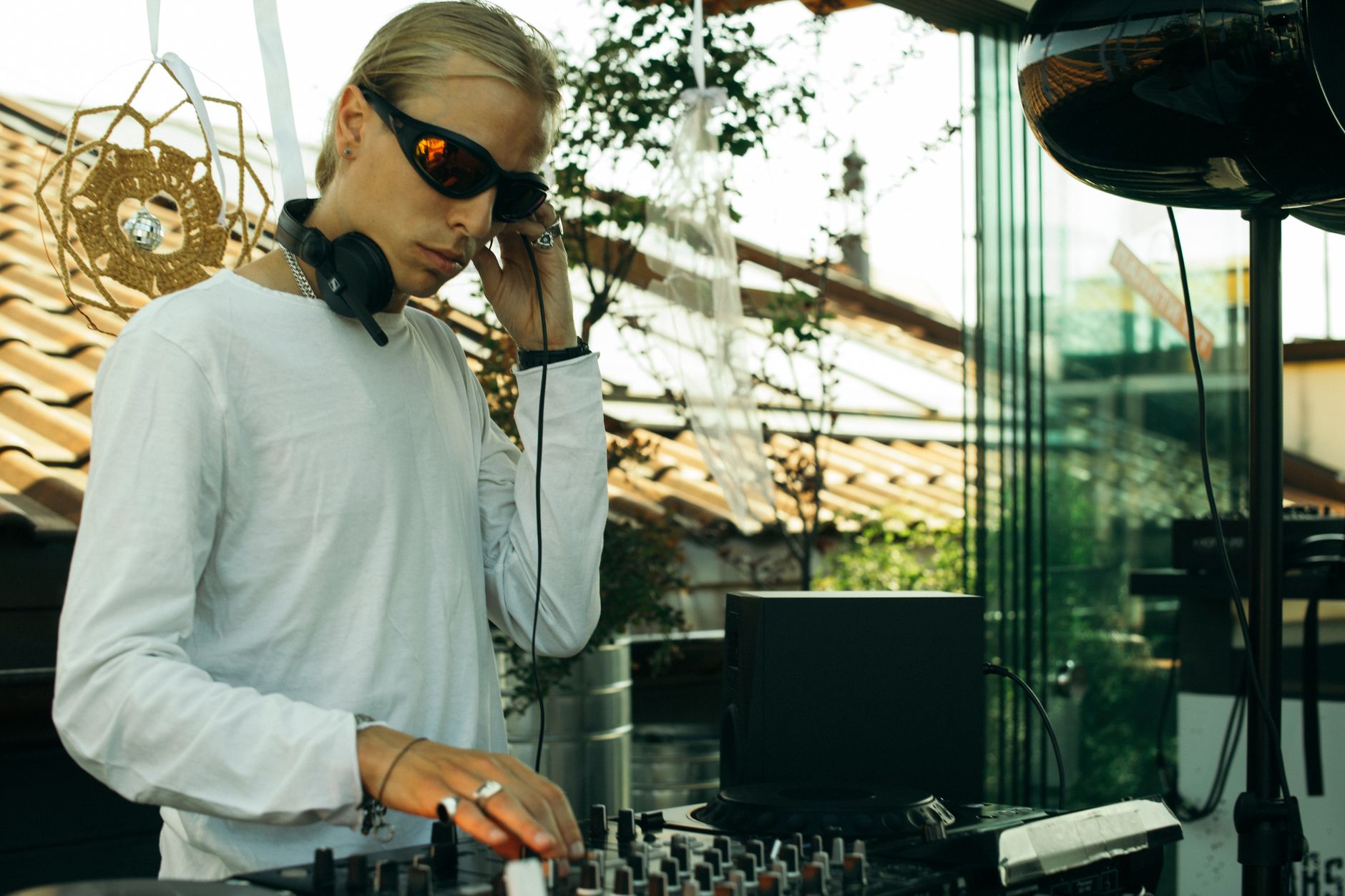
Hard Techno YouTube, Remixes and 2026 Taste
YouTube is useful for taste-checking, but it is a bad loudness reference. Hard Techno YouTube uploads are compressed, normalized and often ripped through chains you cannot see.
Use YouTube for crowd signals: which drops get replayed, which vocal edits spread, which kick styles appear across DJ recordings. Do not use it to judge your low end. For production references, buy lossless files when possible. For best techno remixes of popular songs, separate DJ tools from release plans. A bootleg that works in a set can still be blocked, claimed or pulled when uploaded publicly.
Hard techno 2026 direction
Hard techno 2026 is leaning faster, cleaner and more vocal-aware. The sloppy wall-of-distortion phase is tiring out. Stronger records now hit hard because the kick is short, the rumble is shaped, and the hook arrives before the listener gets numb.
If you are commissioning custom music, ask for instrumental, extended mix, clean intro, DJ intro, and stems. A finished 3-minute streaming edit is not enough if the goal is to play the track in a hard set.
- Use YouTube for arrangement and crowd reaction, not sub decisions
- Buy WAV or AIFF references for mix work
- Treat uncleared popular-song remixes as risky for public release
- Ask for extended mixes if the track is meant for DJ use
- Keep vocal hooks short so the kick remains dominant
| Job | Tool | Starting Setting | Why It Works |
|---|---|---|---|
| Kick design | Sonic Academy Kick 2 | 49 to 55 Hz fundamental, 180 to 260 ms decay | Fast, repeatable kick tuning without fighting samples |
| Rumble shaping | Valhalla Room into Decapitator | 0.6 to 1.2 s decay, drive backed off with mix knob | Turns kick energy into controlled low-end movement |
| Sidechain control | Cableguys ShaperBox 3 | 80 to 140 ms duck curve from kick transient | Cleaner than random pumping compression on fast tracks |
| Lead aggression | Vital | Band-pass 800 Hz to 2.5 kHz, FM 10 to 25 percent | Cuts through drums without flooding the sub range |
| DJ prep | Traktor Pro 4 | Energy tags, hot cues, 8-bar emergency loops | Keeps high-BPM transitions controlled under pressure |
Worth a deeper read: Ultra Hard Techno Songs.
Questions producers actually ask
What is the hardest techno song?
There is no single official hardest techno song, but strong contenders usually sit around 150 to 160 BPM with short kicks, distorted rumble and aggressive arrangement. Tracks by 999999999, Nico Moreno, Sara Landry, Klangkuenstler and DYEN are useful reference points. The hardest one depends on whether you value speed, distortion, kick pressure or crowd impact.
Is 99999999 hard techno?
Most people asking this mean 999999999, the Italian duo. They are strongly linked to acid techno, hard techno and warehouse rave sounds. Their tracks often use fast tempos, acid lines, heavy kick pressure and raw arrangement choices, so yes, they fit naturally in hard techno sets, even when a track leans more acid than industrial.
Who is the most famous hard techno DJ?
For mainstream visibility, Charlotte de Witte is one of the biggest names connected to hard, driving techno, though not every set is pure hard techno. For current hard techno specifically, Sara Landry is probably the clearest answer. I Hate Models, Nico Moreno, Klangkuenstler and 999999999 also carry major weight with harder crowds.
Who is the queen of hard techno?
Sara Landry is the name most closely tied to that title right now. Her sets, releases and vocal-heavy hard techno style have pushed the sound to a wider audience. Some fans may argue for Charlotte de Witte because of her global profile, but Landry is the sharper answer for the current hard techno lane.
What BPM is hardest techno usually played at?
Modern hard techno usually sits between 148 and 160 BPM, with plenty of festival and warehouse sets pushing 155 BPM or higher. BPM alone does not make a track hard. A 150 BPM track with a tight kick, clipped drums and tense arrangement can feel tougher than a messy 165 BPM track.
What tools do I need to make hardest techno at home?
You need a DAW, a controllable kick source, distortion, EQ, sidechain tools and solid references. Kick 2, Ableton Drum Buss, Decapitator, Pro-Q 3, Vital and ShaperBox 3 cover most jobs. Stock plugins can also work if you understand tuning, clipping, rumble filtering and low-end mono control.
What to remember
- Hardest techno starts with a short, tuned kick and controlled rumble.
- Distort rumble before final EQ so mud does not return later.
- Use reference tracks to measure arrangement, kick tail and low-end shape.
- DJs should tag hard techno by energy and function, not just BPM.
- YouTube is useful for taste and crowd response, not accurate low-end referencing.
- A hard mix still needs headroom, mono discipline and clean low mids.
Wrapping up
hardest techno works when the violence is organised. Pick a kick tool you can control, tune the low end before you decorate the track, and keep the rumble moving without letting it eat the transient. For DJ sets, build pressure in stages. A folder full of peak-time tracks is not a set, it is fatigue waiting to happen.
Use the tool chain here as a starting point, then test it against proper references at matched volume. Print one 32-bar drop, one DJ intro and one breakdown today. If those three sections hit without extra excuses, the full track has a real spine.
My Career makes videos from your own track and posts them for you, pitches your release to 34,000+ labels, playlists, radio stations, YouTube channels and blogs, puts it in every store and briefs you every morning. Free plan, no card, two minutes to set up.