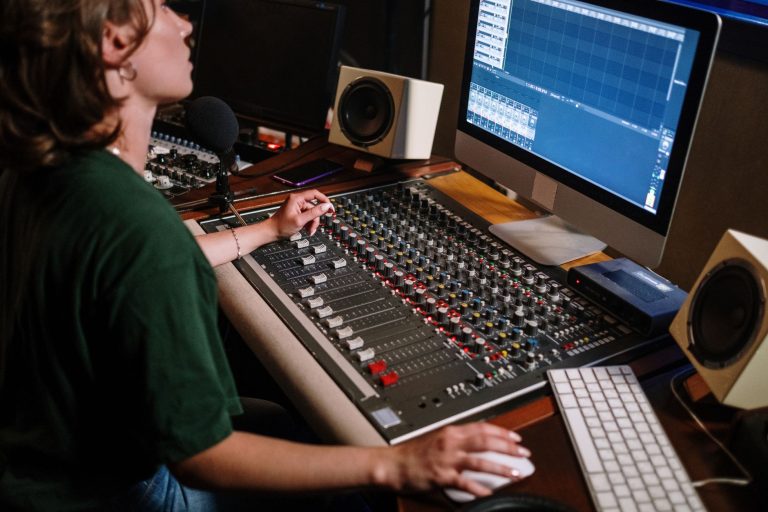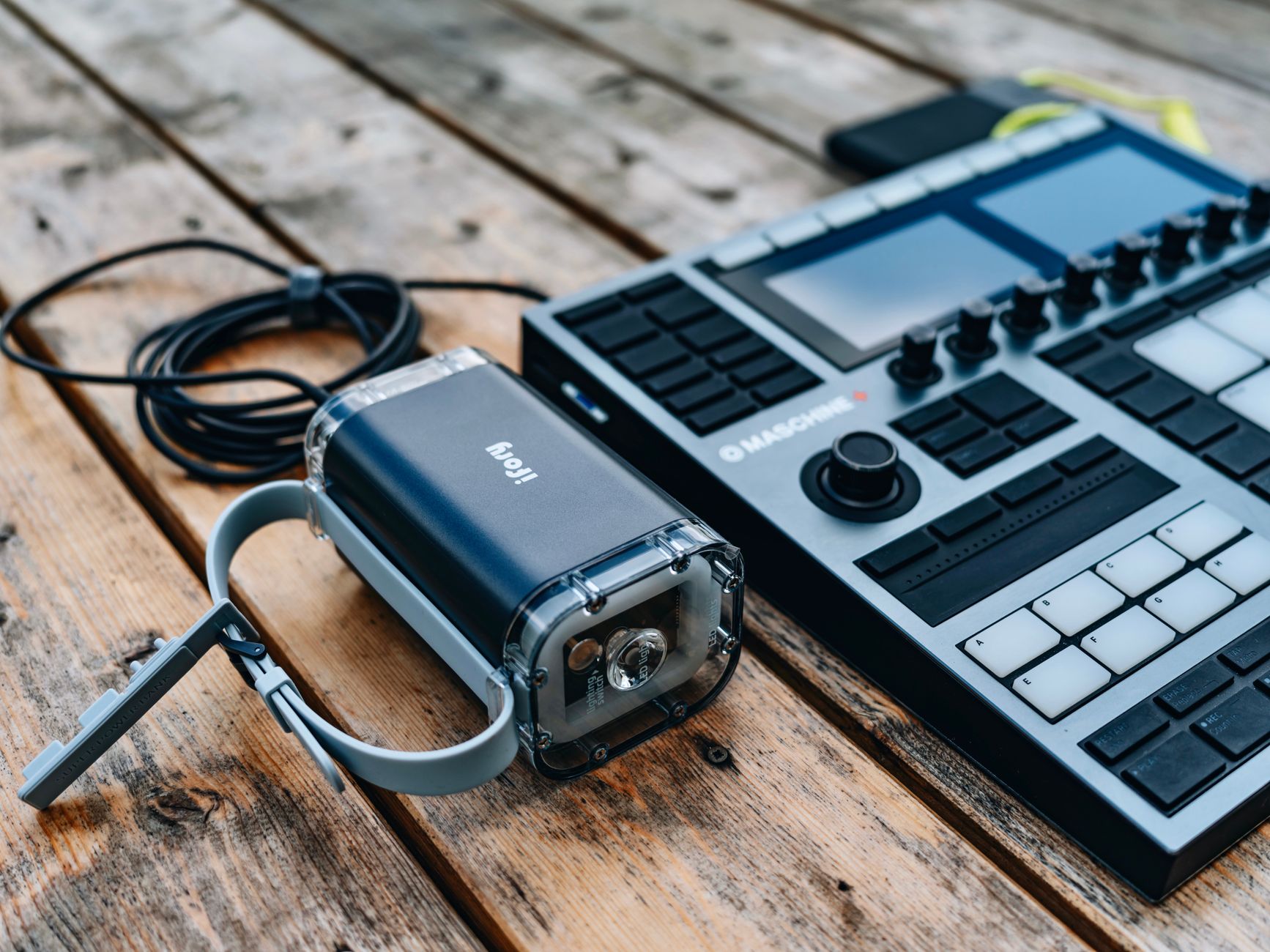
Fl studio vs logic pro is not a cute Mac-versus-PC argument; it decides how fast you can turn a loop into a finished record. The real fl studio vs logic pro split is workflow: FL Studio rewards pattern-based beat building and fast MIDI sketches, while Logic Pro is stronger when the session turns into vocals, arrangement, comping and mix prep.
I am docking points where they hurt. FL Studio still feels faster for drum programming and trap-style ideas. Logic still feels more complete for singer-producer work, live instruments and clean session handoff. We see this constantly with independent artists and professional producers: the best DAW is rarely the one with the loudest fanbase. It is the one that removes the fewest ideas before the track is done.
FL Studio vs logic pro: The Verdict Before the Details
If you make beats first and record vocals later, FL Studio has the edge. If you write songs, track vocals, arrange properly and mix inside one project, Logic Pro wins. That is the short version.
The longer version is not about sound quality. A kick exported from FL Studio does not magically hit harder than the same kick exported from Logic. The difference is friction: how many clicks it takes to build an eight-bar idea, fix a vocal take, automate a filter, print stems and deliver a clean session.
FL Studio vs logic pro for first paid releases
For paid release work, Logic Pro is the safer main DAW if your tracks include recorded vocals, guitars, keys or live bass. Comping, take folders, Flex Pitch and arrangement markers keep the session tidy when revisions start piling up.
FL Studio is better when the record begins with drums, 808s, chopped samples and synth hooks. The Channel Rack, Piano Roll and pattern clips are brutally fast once your muscle memory is there. You can build a full chorus before a Logic user has named the first software instrument track.
Where each DAW loses points
FL Studio loses points for audio recording flow. It can record vocals, but it still feels like the feature was bolted onto a beat machine. Playlist routing, Edison, audio clips and mixer inserts can get messy for a new user.
Logic Pro loses points for speed when you are sketching loop-heavy electronic ideas. The Step Sequencer helped, and Live Loops exists, but the default mindset is still linear. That is great for finishing. It is less exciting when you are banging out ten hook ideas in a night.
- Pick FL Studio if drums, MIDI and loops are the centre of your process.
- Pick Logic Pro if vocals, arrangement and mix handoff matter most.
- Do not choose based on exported sound quality. Choose based on friction.
- FL Studio feels like an instrument. Logic Pro feels like a studio.
- For most singer-producers on Mac, Logic is the better long-term bet.

Price and Platform: FL Studio Price vs Logic Pro Price
The fl studio vs logic pro price argument looks simple until you include platform cost. Logic Pro is cheaper as software if you already own a Mac. FL Studio is cheaper over time if you value lifetime free updates and want to stay on Windows.
This is where a lot of forum advice gets lazy. A 199-dollar app is not cheaper if it requires a used MacBook you were not planning to buy. A 499-dollar FL Studio edition is not necessary if Producer Edition already covers your work.
How FL Studio handles pricing
FL Studio comes in editions. Fruity Edition is limited for serious audio work, so I would skip it for release-focused production. Producer Edition is the sensible floor because it gives you audio recording and enough core tools to finish tracks. Signature Bundle adds useful extras such as NewTone and Gross Beat. All Plugins Edition is for producers who genuinely want the full Image-Line instrument and effect pile.
The big win is lifetime free updates. If you bought FL Studio years ago, you are not paying again for the next numbered version. That matters for bedroom producers who need predictable costs.
How Logic Pro handles pricing
Logic Pro is a one-time Mac App Store purchase, usually priced at 199.99 dollars in the US. It includes a serious stock library, Alchemy, Drum Machine Designer, Sampler, Quick Sampler, Step Sequencer, Flex Pitch, Flex Time and a deep effects folder.
The catch is obvious: Mac only. If you already own a decent Apple laptop or desktop, Logic is a steal. If you are on Windows and happy there, the platform switch is too expensive just to follow a Reddit comment.
- Best budget FL Studio edition for serious work: Producer Edition.
- Best value Logic setup: an existing Mac plus Logic Pro.
- Worst buy for release work: FL Studio Fruity Edition if you need vocals.
- Hidden cost for Logic: the Mac itself.
- Hidden cost for FL Studio: wanting paid third-party instruments too soon.

Beatmaking Workflow: Pattern Rack Against Linear Timeline
Beatmaking is where FL Studio throws the first hard punch. The Channel Rack is still one of the fastest places to program drums, layer one-shots and flip a basic pattern into a full groove. For hip hop, trap, drill, phonk, Afro house drums and EDM drops, it feels immediate.
Logic Pro is not slow, but it asks you to think more like an arranger. Tracks live in the main timeline. MIDI regions carry the idea. That is a better mental model once the song has sections, but it is less playful at the first-loop stage.
How FL Studio handles drums and MIDI
FL Studio’s Piano Roll is still the best stock MIDI editor of the two. Ghost notes, slide notes, stamp tools, per-note control and fast velocity work make 808s and hi-hats feel natural. A 1/16 hat pattern with triplet rolls, velocity dips and pan movement takes seconds.
The Channel Rack also keeps sound selection close to programming. Swap a clap, nudge a snare, pitch an 808, clone a pattern, then drop it into the Playlist. That loop-first thinking is why so many beatmakers stick with it even after buying other DAWs.
How Logic Pro handles loops and arrangement
Logic Pro’s Step Sequencer is good, especially for drum machines and synth patterns. Drum Machine Designer gives you pad-style drum kits with proper mixer routing, and the Piano Roll is clean enough for serious MIDI editing.
Where Logic catches up is arrangement. Turning a loop into intro, verse, hook, bridge and outro feels clearer. Arrangement markers, track stacks and global tracks make it easier to see the record as a song instead of a pile of patterns.
- FL Studio wins for hi-hat rolls, 808 slides and fast pattern cloning.
- Logic Pro wins when the beat becomes a full vocal arrangement.
- FL Studio’s Piano Roll is faster for detailed MIDI edits.
- Logic’s Arrangement Track keeps song structure cleaner.
- For loop-first producers, FL feels more inspiring on day one.
Recording, Editing and Comping Vocals
This is the section that separates beat software from production software. If your artist sends three lead vocal takes, six doubles, ad-libs, harmonies and a messy punch-in folder, Logic Pro handles the job with less drama.
FL Studio can track vocals. Plenty of people do it every day. The issue is not whether it works. The issue is whether the workflow stays clean after revisions, comping, tuning, de-essing, delay throws and stem exports.
How Logic Pro handles vocal sessions
Logic Pro’s take folders are the obvious win. Record multiple passes over the same section, swipe the best phrases, flatten the comp and keep moving. Flex Pitch is not a full replacement for a dedicated pitch tool, but it is good enough for tightening notes before more detailed tuning.
Track alternatives are useful too. You can keep a clean lead comp, a tuned version and a more processed version without duplicating chaos across the session. For pop, R&B, rap vocals and singer-songwriter work, this matters.
How FL Studio handles vocals
FL Studio records into audio clips and can use Edison for capture and editing. NewTone helps with pitch correction if your edition includes it. The Mixer can absolutely run a proper chain: noise gate, Fruity Parametric EQ 2, compressor, de-esser, saturation, sends for reverb and delay.
The problem is organisation. New producers often end up with takes scattered across the Playlist, poorly named audio clips and mixer routing that makes no sense two weeks later. If you use FL for vocals, build a template before the session starts.
- Logic Pro wins vocal comping without a fight.
- FL Studio can record vocals, but template discipline is mandatory.
- Logic’s take folders beat FL’s clip handling for fast revisions.
- FL’s Mixer is capable once routing is organised.
- For custom song production with singers, Logic is the cleaner desk.

Stock Instruments, Effects and Mixing Tools
The stock-tool fight is closer than most fans admit. FL Studio gives you sharp creative toys. Logic Pro gives you a fuller studio toolkit. If you are trying to finish records without buying ten plugins, Logic has the stronger box.
That does not mean FL sounds cheap. Harmor, Sytrus, FLEX, Maximus, Gross Beat, Fruity Limiter and Fruity Parametric EQ 2 can produce real releases. The issue is consistency across the whole production chain.
How FL Studio handles sound design and effects
FL Studio is fun because its tools invite abuse. Gross Beat can chop time, gate patterns and make half-speed hooks in minutes. Patcher lets you build custom chains without leaving the DAW. Harmor and Sytrus are deep if you are willing to learn them properly.
For mixing, Fruity Parametric EQ 2 is fast and visual. Maximus can control low-end, glue buses and push masters, although beginners can wreck a track with it by chasing loudness too early. Keep -6 dB of headroom before any serious mastering chain.
How Logic Pro handles instruments and mix work
Logic Pro wins the stock bundle. Alchemy covers pads, basses, plucks, granular textures and sample-based patches. Sampler and Quick Sampler are practical, not decorative. Drum Machine Designer gives modern kit building without forcing you into a separate plugin.
The mixing tools are grown-up. Channel EQ, Compressor, Multipressor, ChromaVerb, Space Designer, Phat FX and Tape Delay can finish commercial demos without third-party help. For sidechain ducking, Logic’s Compressor is clearer to set up than FL’s Fruity Limiter for most beginners.
- Logic Pro has the stronger all-round stock library.
- FL Studio has more playful creative effects.
- Gross Beat is still a serious weapon for trap and electronic edits.
- Alchemy beats FLEX for deep sound design range.
- Both DAWs can mix a release if the producer understands gain staging.

Logic Pro vs FL Studio for Beginners and Reddit Reality
Search results for fl studio vs logic pro reddit threads are useful for one thing: spotting what people regret after six months. The loudest comments usually come from users defending the DAW they already know. Ignore the tribal stuff. Look for complaints about finishing tracks.
For beginners, the question is not which DAW has more features. The question is which one teaches you the fewest bad habits while keeping you excited enough to open the laptop again tomorrow.
Why beginners often click with FL Studio first
FL Studio gives instant feedback. Add a kick, add a hat, paint a pattern, hear a beat. That loop can become addictive in a useful way. If you are coming from DJing, that pattern mindset also feels close to building with phrases and drops.
The danger is loop jail. A beginner can make 200 eight-bar ideas and finish none of them. To fight that, force arrangement early: copy your loop across 64 bars, mute parts every eight bars, and create at least three section changes before adding another plugin.
Why beginners often grow faster in Logic Pro
Logic Pro pushes beginners toward complete songs. Tracks, regions, arrangement markers and take folders encourage better session hygiene. You learn signal flow earlier because audio tracks, aux sends and buses are laid out in a more traditional studio way.
The risk is feeling slower at the start. A new Logic user may spend more time naming tracks and less time catching a vibe. My take: if you sing, rap, play keys or record guitars, that slower start pays back quickly.
- FL Studio is easier to enjoy in the first week.
- Logic Pro teaches cleaner session structure earlier.
- Reddit threads overrate personal loyalty and underrate finishing speed.
- Beginners making beats only should start with FL Studio.
- Beginners recording vocals should start with Logic Pro if they own a Mac.

Who Should Pick What: Ableton, Pro Tools, Hip Hop and Final Calls
The fl studio vs logic pro decision gets clearer when you add the common third options. Ableton Live beats both for clip-based performance and electronic live sets. Pro Tools still owns a lot of professional recording and post-production rooms. That does not mean either is the right first DAW for a bedroom producer.
If the actual search in your head is FL Studio vs Logic Pro vs Ableton, choose based on your main output, not your favourite producer’s screenshot.
FL Studio vs Ableton and FL Studio vs Pro Tools
FL Studio vs Ableton is a closer fight for electronic producers than FL Studio against Logic. Ableton Live is stronger for warping audio, clip launching and performance-based arrangement. FL Studio is faster for classic step programming and Piano Roll detail. For DJs moving into production, Ableton’s Session View may feel familiar if you think in loops and scenes.
FL Studio vs Pro Tools is less of a fight for most beatmakers. Pro Tools is excellent for tracking bands, editing dialogue and working in commercial studios. I would not pick it as a first beatmaking DAW.
FL Studio or logic pro x for hip hop
For hip hop, I pick FL Studio if the producer is mainly making beats for artists. The 808 workflow, MIDI speed and pattern handling are too good to ignore. For an artist producing their own songs with vocals, I pick Logic Pro. Vocal comping and arrangement cleanup matter more once the mic is on.
The hard call: if you are on Mac and you do everything yourself, buy Logic Pro first. If you are on Windows and making beats to send out, buy FL Studio Producer Edition first. Do not overthink it.
- Beatmakers on Windows: choose FL Studio Producer Edition.
- Singer-producers on Mac: choose Logic Pro.
- Electronic performers: test Ableton Live before buying either.
- Studio engineers and post editors: Pro Tools makes more sense.
- Hip hop producers selling beats: FL Studio is the sharper tool.
- Artists finishing full songs alone: Logic Pro is the stronger home base.
| Category | FL Studio | Logic Pro | Winner |
|---|---|---|---|
| Beatmaking speed | Channel Rack, Piano Roll and pattern clips make drums and 808s very fast. | Step Sequencer is solid, but the workflow feels more arranged than spontaneous. | FL Studio |
| Vocal recording | Capable with audio clips, Edison and NewTone, but organisation needs discipline. | Take folders, comping, Flex Pitch and track alternatives are cleaner. | Logic Pro |
| Price value | Producer Edition is the sensible buy, with lifetime free updates. | Low one-time price if you already own a Mac. | Tie, depending on platform |
| Stock instruments | FLEX, Sytrus, Harmor and stock effects are creative and flexible. | Alchemy, Sampler, Drum Machine Designer and the library feel more complete. | Logic Pro |
| Mixing workflow | Powerful Mixer, Patcher and Maximus, but routing can confuse beginners. | Traditional channel strips, buses and stock processors feel cleaner. | Logic Pro |
| Hip hop beats | Excellent for 808 slides, hat rolls, pattern variation and fast hooks. | Strong once vocals and full song structure enter the session. | FL Studio for beats, Logic for songs |
| Beginner feel | More fun immediately, higher risk of unfinished loops. | Slower start, better habits for full productions. | Depends on goal |
Worth a deeper read on this: FL Studio editions and Logic Pro specs.
Questions producers actually ask
FL Studio vs logic pro: Which DAW should beginners choose?
Beginners making beats should choose FL Studio because the Channel Rack and Piano Roll give faster results. Beginners recording vocals, guitars or full songs should choose Logic Pro if they have a Mac. Logic teaches cleaner routing, comping and arrangement habits earlier, while FL is better for fast loop creation.
Why is Logic Pro better?
Logic Pro is better for vocal recording, comping, arrangement, stock instruments and traditional mixing workflow. Take folders, Flex Pitch, Alchemy, Sampler and its bus structure make it feel like a complete studio. It is not better for every producer, but for singer-producers on Mac, it is the stronger all-in-one DAW.
Do pro producers use FL Studio?
Yes, professional producers use FL Studio, especially in hip hop, trap, EDM and beat-driven pop. Its Piano Roll, pattern workflow and fast drum programming are not beginner toys. The weak spot is not professional credibility. The weak spot is keeping large recording sessions organised when vocals and live audio pile up.
Is FL Studio better than Logic?
FL Studio is better than Logic for fast beatmaking, detailed MIDI editing, 808 programming and loop-based production. Logic is better for vocals, arrangement, stock instruments and mix organisation. If you sell beats, FL is usually the better pick. If you finish complete songs with recorded audio, Logic wins.
Do professional artists use Logic Pro?
Yes, professional artists use Logic Pro for writing, recording, production and mixing. It is especially common with artists who record vocals or instruments at home because the workflow is clean and the stock tools are strong. A professional result still depends on arrangement, performance, gain staging and mix decisions, not the DAW name.
Is FL Studio or Logic Pro better for hip hop?
FL Studio is better for hip hop beatmakers who focus on drums, samples, 808s and quick hook ideas. Logic Pro is better for hip hop artists who record their own vocals and need clean comping, editing and arrangement. For sending beats out, pick FL. For finishing full records alone, pick Logic.
What to remember
- FL Studio wins for beatmaking speed, MIDI editing and hip hop drum programming.
- Logic Pro wins for vocals, comping, stock instruments and session organisation.
- The FL Studio price story is strongest if you value lifetime free updates.
- Logic Pro is the better value only if you already own a capable Mac.
- Ableton deserves a look for electronic performance, while Pro Tools suits studio engineering.
- Choose the DAW that helps you finish tracks, not the one with the loudest fanbase.
Wrapping up
The fl studio vs logic pro choice comes down to your bottleneck. If your bottleneck is getting beats started, FL Studio is the sharper tool. If your bottleneck is turning ideas into recorded, arranged, mixed songs, Logic Pro is the better room to work in.
My final call is simple: Windows beatmakers should buy FL Studio Producer Edition. Mac-based artists who record vocals should buy Logic Pro. DJs moving into electronic performance should test Ableton Live before committing. Do not spend another month comparing screenshots. Open a blank session, build 64 bars, record one rough vocal or lead line, then notice which DAW made you want to finish the track.
My Career makes videos from your own track and posts them for you, pitches your release to 34,000+ labels, playlists, radio stations, YouTube channels and blogs, puts it in every store and briefs you every morning. Free plan, no card, two minutes to set up.