Key takeaways
- A festival track needs a simple core idea before heavy sound design.
- Kick and bass decisions decide whether the drop survives a big PA.
- Build-ups should create contrast, not eat the drop’s frequency space.
- DJ-friendly arrangement is part of the production, not an afterthought.
- Rough masters help with energy checks, but crushed limiters hide bad mix choices.
- Clear references and delivery terms matter when hiring custom production help.
Edm festival tracks can sound huge in your headphones and still fold on a festival rig, which is why edm festival tracks need arrangement discipline, low-end control, and a drop that leaves room for the DJ. Most weak festival demos are not weak because the producer lacks Serum presets. They are weak because the kick fights the bass, the break says too much, the drop has no negative space, and the master gets crushed before the mix has any punch.
Big-stage production is less mystical than people make it. You need a simple hook, a kick that survives mono, a bass pattern that moves air, and a build that tells the crowd exactly when to jump. Great edm festival tracks are built like DJ tools with emotional skin on top. Pretty chords matter, but the PA cares about phase, headroom, transient shape, and whether the groove still works after two vodka Red Bulls and a 60-foot LED wall.
How do I produce edm festival tracks that do not collapse live?
Start with the venue, not the laptop. A festival system turns tiny mix problems into public problems. A kick tail that feels warm at home becomes a low-mid blur. A wide bass patch that sounds impressive in headphones disappears near the delay towers.
For edm festival tracks, the safest first move is a brutally simple core: kick, bass, lead hook, clap or snare, one main vocal or stab, and one noise layer. If that skeleton does not work, no stack of OTT, Endless Smile, or three extra Nexus layers will save it.
What should edm festival tracks have before sound design?
Write the crowd moment before chasing the sound. Can you hum the drop rhythm with the speakers off? Can a DJ mix into it from a CDJ-3000 without guessing where the downbeat lands? If not, the idea is not ready for polish.
Treat edm festival tracks like 4-bar machines. The crowd hears 4, 8, 16, and 32-bar chunks. Put your fills, impacts, and turnarounds on those borders. Bedroom producers often decorate bar 7 because they are bored. DJs usually need bar 8 to make sense.
What tempo and key should I start with?
Do not overthink it. Big room and mainstage progressive usually sit around 126 to 130 BPM. Harder festival records can push higher, but 128 BPM still gives you DJ compatibility. For keys, F minor, G minor, and A minor are reliable because the bass notes sit in useful speaker territory.
- Start with a 16-bar drop loop before writing a long breakdown.
- Keep the first demo at around -6 dB peak headroom.
- Check the kick and bass in mono before adding wide layers.
- Use 4-bar and 8-bar phrase markers from the first session.
- Reference one released festival record, not ten at once.

Why does my drop feel smaller after the build-up?
The build is probably too loud, too wide, or too full. Producers love stacking risers, snare rolls, pitch automation, white noise, downlifters, crowd FX, and vocal chops until the drop has nowhere left to go. The crowd should feel tension before the drop, not hear the entire frequency spectrum at once.
The low end of edm festival tracks needs contrast. If your build has a huge sub rumble, a massive tom roll, and a full bass riser, the first kick of the drop will feel polite. Cut more than you add.
How much should I strip before the drop?
Try muting the kick for the last 1 or 2 bars, high-passing the build bass around 180 Hz, and pulling the master automation down by 0.5 to 1 dB right before the drop. That tiny dip can make the first transient feel aggressive without smashing the limiter harder.
A lot of edm festival tracks die because the pre-drop fill is louder than the actual groove. Keep the fill short. One vocal shout, one pitch bend, one silence. Done.
What should hit on beat one?
Beat one needs a clear hierarchy. Kick first. Bass second. Lead third. Impacts and crashes are seasoning. If the crash transient masks the kick, move the crash a few milliseconds late or sidechain it harder. On a big PA, the kick is the handshake.
- High-pass risers before the drop so the kick owns the sub.
- Use one clean pre-drop vocal instead of five chopped phrases.
- Automate build width narrower, then open the drop lead wider.
- Leave a half-beat or full-beat gap before the first kick.
- Avoid huge crashes that mask the first downbeat.
How should I build the kick and bass for a festival PA?
Kick and bass are the whole contract. If they are wrong, nobody cares how expensive the lead sounds. For edm festival tracks, I want the kick fundamental and the bass fundamental to stop wrestling before I even touch the master chain.
Pick one kick. Not five. A clean 909-style punch can work, but many festival records use a modern kick with a tight click around 3 to 5 kHz, controlled body around 80 to 120 Hz, and a tail that does not smear into the bass note.
Where should the kick sit?
Load FabFilter Pro-Q 4 or your DAW EQ and find the kick fundamental. If it peaks around 55 Hz, do not write a bassline that parks on the same frequency all day. If the kick body is around 90 Hz, carve the bass there by 2 to 4 dB during the kick using dynamic EQ or sidechain ducking.
For edm festival tracks, mono sub is not optional. Keep everything below 120 Hz centered. Width belongs in the mid-bass harmonics, lead stacks, claps, and FX, not in the part that has to move the room.
Should I use sidechain or volume shaping?
Use volume shaping for predictable festival drops. Kickstart 2, ShaperBox, LFO Tool, or Ableton Live’s Shaper device can give you a repeatable duck that stays musical. Classic compressor sidechain is great when the groove needs human movement, but for mainstage precision, draw the curve.
- Keep sub bass mono below 120 Hz.
- Cut muddy bass buildup around 180 to 250 Hz if the groove feels boxed in.
- Use a spectrum analyser, but trust the kick transient first.
- Sidechain bass, crash tails, reverb returns, and wide synth beds.
- Leave at least -6 dB headroom before rough mastering.

What makes a festival lead sound expensive instead of harsh?
The lead has to be simple enough for a crowd to remember and controlled enough not to rip heads off at 105 dB SPL. The trap is stacking ten saw patches, widening everything, and then wondering why the hook feels like a dentist drill.
For edm festival tracks, lead width should come from arrangement and layering, not just a stereo widener at 200 percent. A strong mono center layer gives the hook identity. Wide layers provide size. Reverb and delay create depth only if the dry sound already works.
How many lead layers are enough?
Three layers is usually plenty: one mono or narrow body layer, one wide supersaw layer, and one top layer for bite. Serum, Spire, Diva, and Sylenth1 can all do the job. The expensive part is the balance, not the synth name.
When making edm festival tracks, I cut lead mud around 220 to 350 Hz, control bite around 2.5 to 4 kHz, and low-pass some wide layers around 12 to 14 kHz so the cymbals still have a lane. Soothe2 can help, but do not let it flatten the hook.
How do I keep the lead wide but mono-safe?
Check the lead with a utility plugin in mono. If the hook vanishes, your width is built on phase tricks. Keep one dry center layer alive. Use mid/side EQ to thin the side signal below 250 Hz, then let the width live higher up.
- Use one center lead layer that survives mono playback.
- Pan support layers gently instead of widening every channel.
- Duck reverb with the lead so the hook stays forward.
- Cut harsh resonances before adding saturation.
- Automate delay throws only at phrase endings.

How do I arrange the track so DJs actually want to play it?
A festival arrangement is not just a song. It is a tool a DJ can trust at high pressure. The intro needs clean drums or a clear cue point. The first drop needs to arrive without a maze of random edits. The outro has to give the next track somewhere to land.
Many edm festival tracks fail because the producer writes for the SoundCloud waveform instead of the DJ booth. Pretty surprises are fine. Confusing phrase lengths are not.
What is a reliable festival structure?
A practical structure is 16-bar intro, 16 or 32-bar break, 16-bar build, 32-bar drop, shorter second break, second build, second drop, and 16-bar outro. You can bend that, but learn why it works first.
When custom music production clients ask for edm festival tracks that fit big DJ sets, I usually protect the intro and outro from over-arrangement. Give DJs drums, groove, and clear harmonic information. Do not make them fight a huge vocal in the first 8 bars.
Where should the main hook appear?
Tease it early. A filtered version in the break, a short pre-drop motif, then the full hook in the drop. If the first time anyone hears your main idea is at the drop, you are asking the crowd to learn and react at the same second.
- Use 16-bar intros and outros unless the style demands otherwise.
- Place major fills at 8-bar or 16-bar borders.
- Keep DJ cue points obvious with clean kicks or claps.
- Repeat the hook enough for memory, not boredom.
- Make the second drop change rhythm, bass, or lead color.

How loud should my rough master be while I am producing?
Do not produce into a destroyed limiter. It lies. A loud rough master can be useful for vibe checks, but if the limiter is taking 6 dB off every drop, you are mixing against a wall.
For edm festival tracks, I like two monitoring modes: clean mix bus and hype check. Clean mix bus means light glue, maybe 1 to 2 dB compression, no panic limiting. Hype check means a temporary limiter so you can compare energy against references without making final mix decisions there.
What should be on the mix bus?
Keep it boring. A gentle SSL-style bus compressor, a tiny EQ tilt if needed, and a limiter you can bypass. If you use Ableton Live, put Utility before the limiter so you can level-match your checks. Louder almost always sounds better for five minutes.
When producing edm festival tracks, aim for around -6 dB peak headroom before the final master. If your premaster clips red but you say the limiter catches it, you are not hearing the real balance.
What LUFS should I target?
For a club or festival-focused master, integrated loudness often lands hotter than streaming-normalized music, but the number is not the trophy. A punchy -7 LUFS master beats a smeared -5 LUFS master every weekend. Check short-term loudness at the drop and listen for kick damage.
- Bypass the limiter every 20 minutes while mixing.
- Level-match references within 0.5 dB before judging tone.
- Watch gain reduction on the kick and snare transients.
- Print a clean premaster before any loud version.
- Do not fix arrangement problems with mastering volume.
Which tools actually help instead of slowing the session down?
Tools matter, but tool switching kills records. Pick a short list and learn it hard. Ableton Live, FL Studio, Logic Pro, and Bitwig can all make festival records. The producer finishing the idea matters more than the DAW badge.
For edm festival tracks, I want fast drums, fast sidechain, fast audio editing, and fast automation. If a plugin makes you audition 900 presets for a riser, it is probably stealing the session.
What gear is worth caring about?
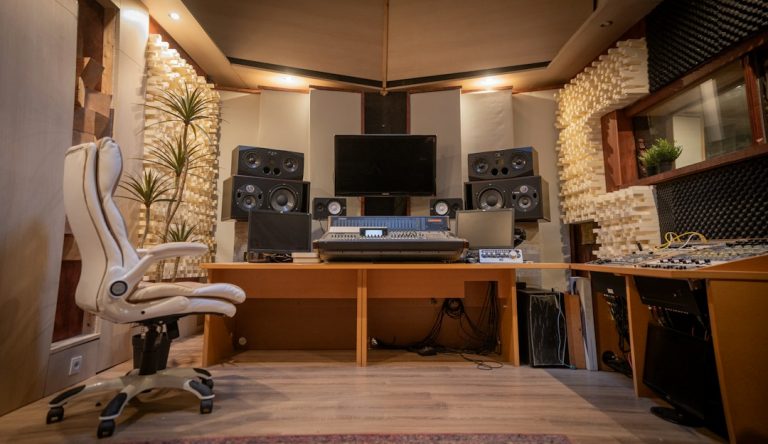
A Pioneer DDJ-FLX10 or a pair of CDJ-3000s will teach you whether your arrangement feels playable. Ableton Push 3 is great for sketching drum and chord ideas without staring at the screen. Good monitors matter too, but a treated room with Yamaha HS8s beats fancy speakers in a glass cube.
If you are building edm festival tracks for DJs, test the bounce like a DJ. Load it into Rekordbox. Set cue points. Mix it after a released track. If the intro feels awkward there, fix the arrangement, not the artwork.
What plugin chain should I keep ready?
Use a template with your favorite clipper, EQ, sidechain tool, spectrum analyzer, and reference plugin already routed. My practical chain list would include FabFilter Pro-Q 4, Pro-L 2, ShaperBox or LFO Tool, Soothe2 for harsh leads, and a clean saturator such as Saturn 2 or Decapitator.
- Use one main synth for leads and one backup for contrast.
- Save sidechain curves as presets for kick, bass, pads, and FX.
- Keep a reference track channel muted but level-matched.
- Route reverb returns so they can be ducked quickly.
- Test arrangements in Rekordbox or on controller decks.
When should I hire a ghost producer or custom producer?
Hire help when the gap is specific. If you cannot finish drops, need a label-ready mix, or want a custom track around your DJ identity, a skilled producer can save months. If you have no taste direction yet, hiring someone will not magically create one.
Artists looking for edm festival tracks from a ghost producer should bring references, set goals, and be honest about where the track will live. A mainstage demo for Tomorrowland-style sets needs different choices than a hard-hitting club weapon for 1 a.m. support slots.
What should I prepare before commissioning a track?
Send three references max. One for arrangement, one for sound palette, one for energy. More than that turns the brief into mush. Include your preferred BPM, key range, vocal needs, target labels if any, and whether you need stems, instrumental, radio edit, or extended mix.
For edm festival tracks, ask for the extended mix early. A beautiful 2:45 streaming edit can still be useless for a DJ set if there is no clean intro or outro.
What is a red flag in custom production?
If the producer will not discuss references, stems, revision limits, or rights, pause. Clear files matter. You should know whether you receive WAV masters, premaster, MIDI, stems, and project files. A serious production process is boring on paper and exciting in the speakers.
- Bring a tight reference brief, not a playlist of 40 tracks.
- Ask for an extended DJ mix if you plan to perform it.
- Clarify rights, stems, revisions, and delivery format upfront.
- Request a premaster if another engineer will master the record.
- Judge the producer by finished records, not plugin screenshots.
| Choice | Best Use | Starting Point | Watch Out For |
|---|---|---|---|
| Volume-shaped sidechain | Tight kick and bass movement | 1/4-note curve with fast release | Over-ducking pads until the drop pumps badly |
| Dynamic EQ | Kick and bass frequency clashes | 2 to 4 dB duck around the kick body | Cutting so much that the bass loses weight |
| Mid/side EQ | Wide leads and FX control | Mono below 120 Hz, trim sides below 250 Hz | Making the center feel empty |
| Parallel compression | Drums that need density | Blend crushed drum bus under clean transients | Flattening the kick attack |
| DJ arrangement test | Checking playability | Load the WAV into Rekordbox and mix 16 bars | Ignoring awkward intros because the drop is strong |
Further reading
- Ableton Live manual — Official documentation for Ableton Live devices, routing, automation, and production workflow.
- Pioneer DJ CDJ-3000 — Official product reference for a standard festival and club media player used by professional DJs.
Frequently asked questions
How long should edm festival tracks be?
Most extended mixes land around 4:30 to 6:00, depending on style. Streaming edits can be shorter, but DJs still need clean intros, clear phrase changes, and enough outro to mix out. Build the extended version first, then cut the edit from it.
What BPM is best for festival EDM?
For big room, progressive, and mainstage EDM, 126 to 130 BPM is still a safe range. Harder styles can move higher. If you want maximum DJ compatibility, start at 128 BPM and make the groove interesting through rhythm, not tempo tricks.
Why does my festival drop sound weak?
The usual causes are crowded low-end, too much build-up energy, weak transient design, or a lead that masks the kick. Mute half the FX, mono-check the bass, shorten the kick tail, and compare the first drop bar against a released reference at matched volume.
Should I master my own festival track?
You can rough master while producing, but final mastering needs fresh ears if the track is serious. Print a clean premaster with headroom, no clipping, and no limiter damage. If the mix is balanced, mastering should add impact, not rescue broken kick and bass decisions.
Do I need expensive plugins to make big festival EDM?
No. Stock EQ, compression, saturation, and sidechain tools can get you far. Paid tools like FabFilter Pro-Q 4, Soothe2, Serum, and ShaperBox speed up decisions, but they do not replace arrangement, reference checks, and clean gain staging.
What files should a ghost producer deliver?
At minimum, ask for a final WAV master, premaster WAV, extended mix, radio edit if needed, and stems. For deeper control, request MIDI and project files too. Make sure rights, revisions, and delivery formats are agreed before production starts.
Conclusion
Strong edm festival tracks are built from practical decisions repeated well: clean phrase structure, mono-safe sub, controlled lead width, useful build tension, and enough headroom to let the master breathe. The flashy parts only work after the boring parts are handled.
Next session, do this before adding another preset: make a 16-bar drop with only kick, bass, clap, and lead. Check it in mono. Pull the build down before the drop. Load the bounce into Rekordbox or your controller software and mix it like you are opening for someone bigger than you. If it still feels solid there, you have something worth finishing.
Edm festival tracks — Quick Recap
The fastest way to lock in edm festival tracks is to internalise the workflow above and repeat it on every project. Start small: pick one technique from this edm festival tracks guide, apply it to your next session, and audit the result against a reference track.
- A festival track needs a simple core idea before heavy sound design.
- Kick and bass decisions decide whether the drop survives a big PA.
- Build-ups should create contrast, not eat the drop’s frequency space.
- DJ-friendly arrangement is part of the production, not an afterthought.
Treat edm festival tracks as a habit, not a one-off — the producers who consistently nail edm festival tracks are the ones who run the same checks on every track. That’s the difference between a clean, club-ready master and a track that sounds great at home but falls apart on a real system.
In a real studio session, edm festival tracks comes down to the order in which you make decisions: reference first, gain stage second, then the creative work. Producers who treat edm festival tracks as a checklist instead of a vibe end up shipping more tracks.
Most producers and DJs undervalue edm festival tracks because the wins are invisible until the track plays back on a real system. Bake edm festival tracks into your template and the next ten projects benefit automatically.
When you struggle with edm festival tracks, the fix is rarely a new plugin. Loop a problem section, A/B against a reference, and isolate which element is breaking your edm festival tracks.
Treat edm festival tracks as a craft, not a chore. The producers releasing on the biggest labels lock edm festival tracks in early so they can spend their energy on melody and arrangement instead of fighting the mix.
Document your edm festival tracks process — even a short note in the project file. Future-you will rebuild the same edm festival tracks win in half the time.
My Career makes videos from your own track and posts them for you, pitches your release to 34,000+ labels, playlists, radio stations, YouTube channels and blogs, puts it in every store and briefs you every morning. Free plan, no card, two minutes to set up.