Key takeaways
- Start with the break, because weak drums make the whole track feel smaller.
- Keep the sub simple, mono and separate from the rude mid-bass layer.
- Use 4-bar, 16-bar and 32-bar phrase clues so DJs can actually mix the tune.
- Reference quietly and loudly, with the reference level matched to your own track.
- A strong custom production brief separates drum, bass and arrangement references.
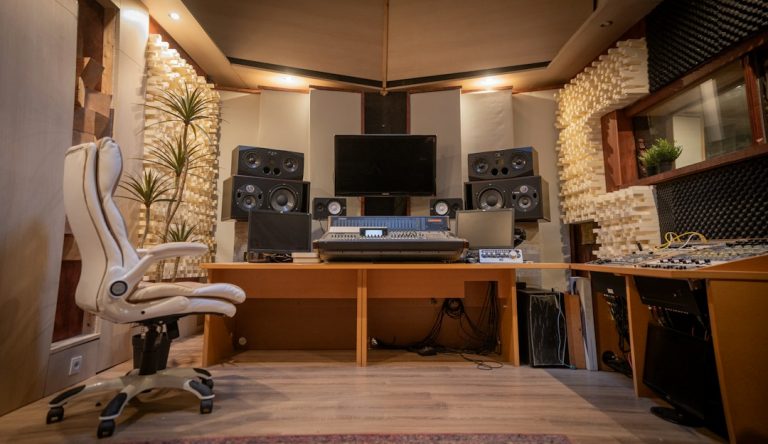
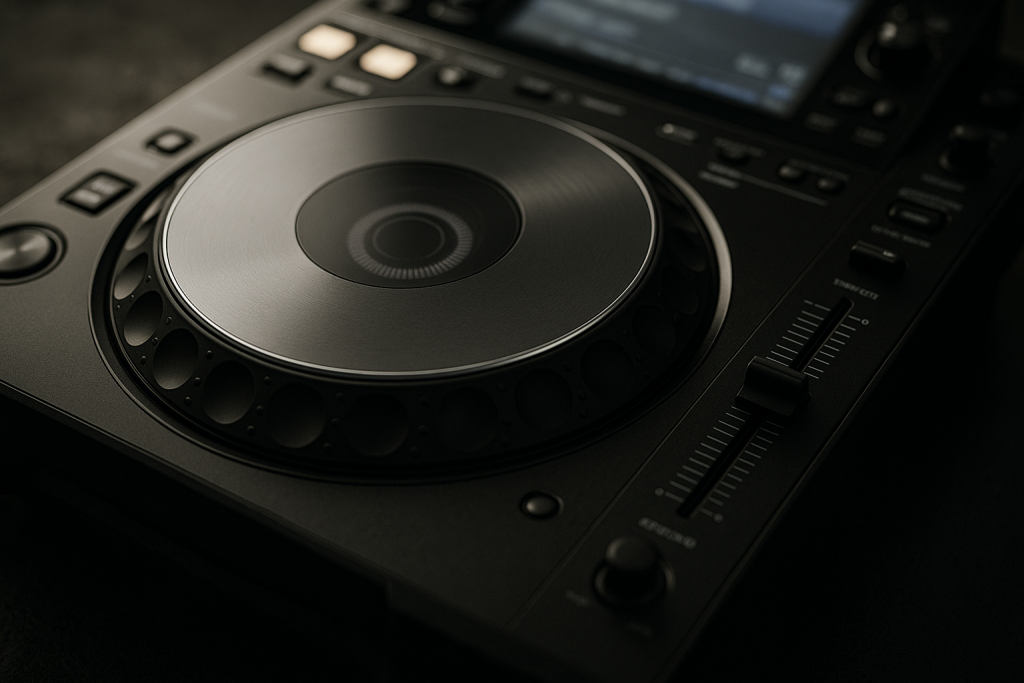
Drum and bass production taught me humility at 174 BPM in a tiny upstairs room above a pub, when a tune I thought was finished folded on the first drop. The room had two CDJ-3000s, a tired DJM-900NXS2, and a sub that made every bad low-end decision public. My break sounded exciting in headphones. On the rig, the kick vanished, the reese swallowed the snare, and the intro left the DJ before me with nowhere clean to mix out.
I fixed the tune the next afternoon with Ableton Live, a Push 3, FabFilter Pro-Q 4, and less ego. That is still how I hear drum and bass production now: not as a huge secret system, but as ninety minutes of brutal choices. Make the break talk. Keep the sub boring. Let the bass misbehave above it. Leave the DJ a doorway.
The Night the Groove Nearly Fell Apart
The first mistake was not technical. I had written the tune like a producer showing off to himself, not like a DJ who needed to survive a transition at 1:12 in the morning. The drums had seven clever layers, but the pocket was mush. The bass patch had movement, but no job. The intro had atmosphere, but no usable phrase marker.
Good drum and bass production starts before the flashy part. It starts with a loop that keeps its shoulders up after you mute the synths, pads, vocals and risers. If the break does not make me nod with only kick, snare, hat and ghost notes, I do not trust the track.
Why drum and bass production breaks first under pressure
On small monitors, clutter can feel like excitement. On a club system, clutter turns into a grey block. The night above that pub, my snare had three layers fighting around 190 Hz, 900 Hz and 4.5 kHz. The reese had a wide chorus that smeared straight across the same bite area. Nobody in the room knew the numbers. They just felt the drop sag.
My repair was simple. I muted everything except drums and bass, trimmed the drum bus by 3 dB, then cut a pocket at 220 Hz on the bass with Pro-Q 4. No romance. The track breathed.
The 90-minute clock helps
I like a time limit because drum and bass production can become a cave. You can spend four hours choosing a snare, then have no arrangement. I set a 90-minute pass and force decisions while the idea still has blood in it.
The rule is not about rushing the final master. It is about getting a version that could be played quietly in the car, checked on HD25s, and judged honestly before the session turns into decoration.
- First 20 minutes: drums only, no synth browsing.
- Next 20 minutes: sub and mid-bass relationship.
- Next 25 minutes: intro, drop, breakdown and second drop blocks.
- Last 25 minutes: rough mix, reference check and export.
- Leave at least -6 dB headroom on the master.
Build the Break Before You Touch the Bass
I learned this the slow way. The bass is seductive, especially if Serum, Phase Plant or Vital is already open with a nasty wavetable patch. But drum and bass production lives or dies on the break. The bass can be simple if the drums swing. The reverse rarely works.
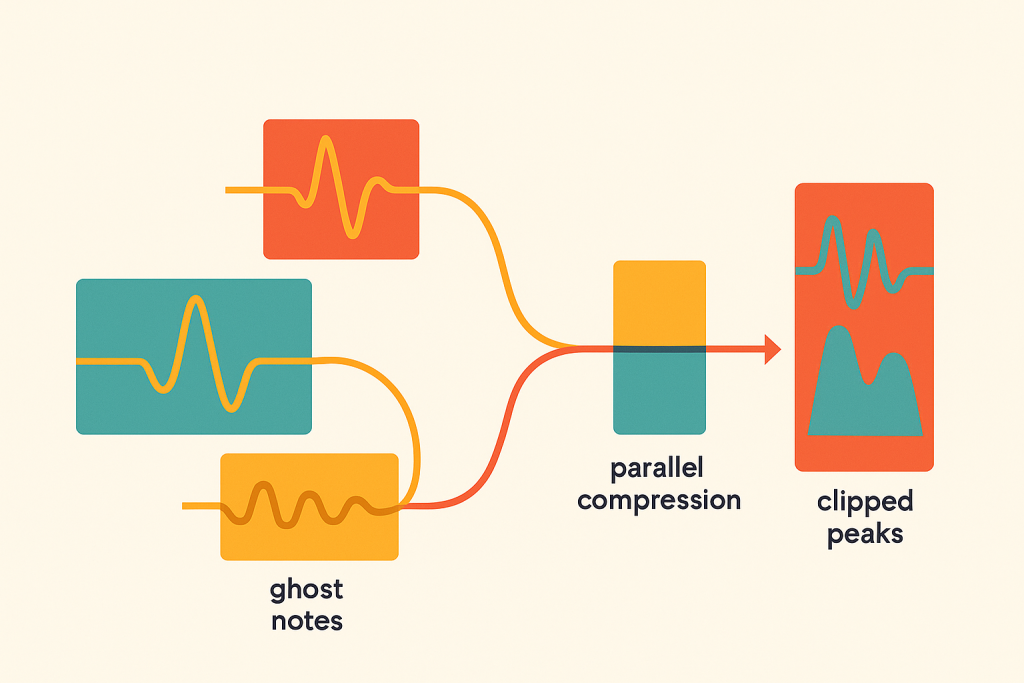
My usual starting point is an Amen, Think or clean two-step skeleton, chopped into a Drum Rack. I do not quantise everything. I pull the main snare tight, then let a few ghost notes lean late by 8 to 15 ms. That tiny mess is the human part.
Chop for motion, not museum value
A classic break is not sacred audio. It is raw material. I slice the transient hits, pitch a few hats down, and shorten the tails until the groove has air between hits. If the loop sounds impressive but eats the whole spectrum, it is not helping.
For punch, I send the break to a parallel compression bus with Ableton Glue Compressor, ratio 4:1, attack around 10 ms, release on Auto, then blend it in until the ghosts wake up. After that, a soft clipper catches 1 to 2 dB on the drum bus. Small moves. Big attitude.
Snare placement beats snare shopping
A snare that lands wrong will never sound expensive. I keep the main snare short, usually under 180 ms, and tune it against the track root or fifth if it has a clear tone. Then I carve a little space around 500 Hz if it boxes up.
For drum and bass production, I would rather have one mean snare than five polite ones. If I need width, I widen only the top layer above 5 kHz and leave the body mono. Club systems still reward that choice.
- High-pass most break layers around 80 to 120 Hz.
- Keep the main kick and snare transients clean.
- Use ghost notes for roll, not volume.
- Clip drums before you limit the whole mix.
- Check the break at low volume before adding bass.
Make the Sub Boring, Then Make the Bass Rude
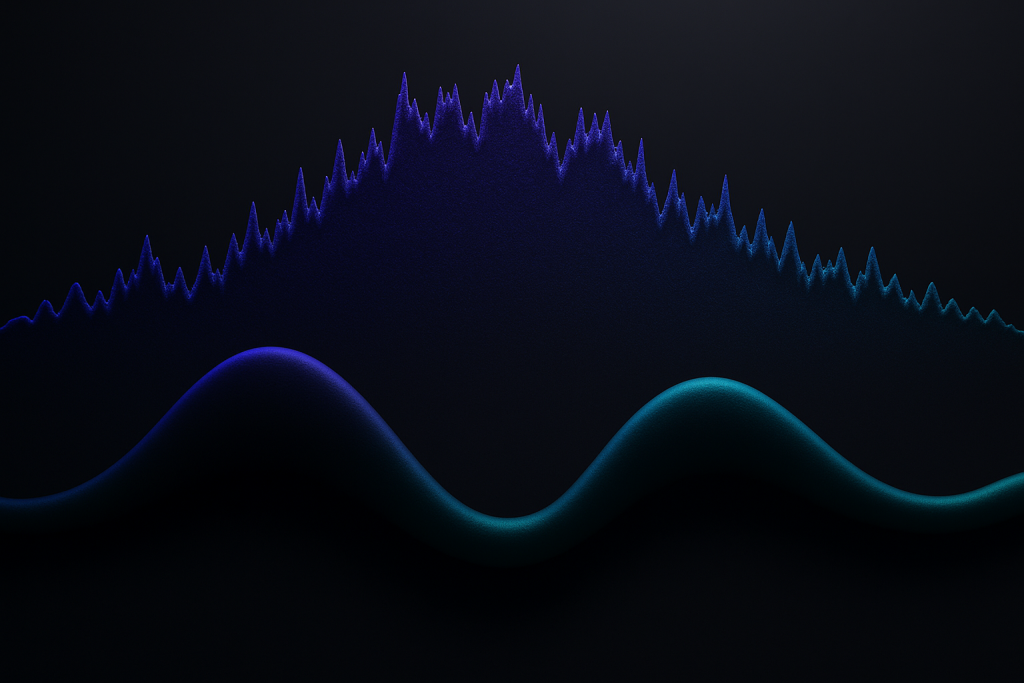
The best compliment I can give a sub is boring. It should sit like a floor. The mid-bass can growl, talk and spit above it, but the sub itself should not be a circus. That split saved more drum and bass production sessions for me than any fancy preset pack.
I usually build the sub from a sine or triangle wave, mono, low-passed around 90 to 110 Hz. Then I write the mid-bass as a separate layer, often a reese with movement above 120 Hz. The two parts get different treatment because they have different jobs.
Drum and bass production low end that translates
Translation means the tune still makes sense when the system changes. On HD25s, you hear the mid-bass growl. On a proper rig, you feel the sub. On a phone, you hear enough upper harmonics to understand the bassline. That takes discipline, not magic.
I saturate the sub lightly with Decapitator or Ableton Saturator, then filter out the fizz if it appears. The mid-bass gets the uglier treatment: chorus, phaser, notch movement, resampling, and sometimes Soothe2 to catch painful 1.8 to 3 kHz spikes.
Sidechain ducking without the pumping cartoon
I sidechain the sub from the kick, but I do not want a trance pump. Start with 2 to 4 dB of gain reduction, fast attack, release around 80 to 130 ms. If the bassline is busy, I draw volume automation instead. It is uglier to edit, but it locks harder.
Mid/side EQ matters here. Below 120 Hz, I keep bass mono. Above that, the reese can spread, but I check the mono button often. Drum and bass production punishes lazy width faster than most genres.
- Sub layer: mono, simple, steady.
- Mid-bass layer: movement above the sub range.
- Kick pocket: cut or duck rather than hope.
- Mono check: every ten minutes during bass work.
- Harmonics: enough to read on small speakers.
Arrange Like a DJ Who Has to Mix It Later
After the pub-room failure, I started dragging rough exports into Rekordbox before calling a track arranged. That sounds obvious now. Back then, I was arranging for the screen. The waveform looked dramatic, but the tune was awkward to mix.
Strong drum and bass production respects phrases. A DJ wants 16-bar and 32-bar landmarks, not random effects every time the producer got nervous. Leave space before the drop. Give the intro a rhythmic identity. If the outro is just wreckage, nobody thanks you at 2 AM.
Four-bar clues keep dancers with you
I like small clues every 4 bars: a reverse cymbal, a filtered snare fill, a bass answer, or a tiny vocal chop. The trick is to signal movement without writing a trailer score over the groove. If every fill screams, the drop stops feeling large.
For a first playable arrangement, I often use 32 bars of intro, 16 bars of tension, 32 bars of drop, 16 bars of breakdown, then a second drop with one new idea. It is not law. It is a scaffold that keeps me honest.
The second drop needs a reason
A second drop that only repeats the first one louder feels lazy. I prefer one clear change: switch the break pattern, answer the bassline, halve the rhythm for 8 bars, or bring in a vocal stab that was teased earlier.
This is where drum and bass production meets DJ brain. If the second drop is too crowded, the DJ may mix out before your best moment. I would rather land one sharp twist than stack ten new layers.
- Mark 4-bar, 8-bar, 16-bar and 32-bar changes.
- Export a rough and test it in Rekordbox or rekordbox mobile.
- Keep at least one clean mix-in section.
- Do not fill every breakdown gap with noise.
- Give the second drop one strong new reason to exist.

Mix Fast, but Do Not Mix Blind
I do not mix drum and bass with twenty plugins on every channel. That way lies heat, latency and confusion. My rescue session after the failed gig used fewer tools than the original project: Pro-Q 4, Pro-C 2, Soothe2, a clipper, one room reverb and one delay.
Fast drum and bass production does not mean careless production. It means I know what I am listening for. Is the kick visible against the sub? Does the snare survive the reese? Is the hat layer exciting or just sandpaper? Are the drops louder because they are better arranged, not because the limiter is begging?
Reference quietly, then loud
I keep two references in the session, level-matched. One is usually a clean modern roller, the other something rougher with break character. I do not copy their mix. I borrow perspective.
At low volume, the snare and bass movement should still read. Loud, the top end should not peel your head open. If a reference feels smaller but more comfortable, my mix is probably too bright around 6 to 10 kHz or too dense around 250 Hz.
The rough master should not hide the truth
For a writing bounce, I use a gentle clipper into a limiter, aiming for attitude rather than final loudness. If the mix collapses without 5 dB of limiting, the arrangement is lying to me.
In drum and bass production, loudness is easy to fake for fifteen seconds. Translation across a whole tune is harder. I leave the final master until the drums, bass and arrangement work with the limiter barely touching.
- Cut mud before boosting excitement.
- Check the mix in mono after every width move.
- Reference at matched loudness, not matched ego.
- Keep reverbs short unless the breakdown earns size.
- Print a rough master and a clean pre-master.

When a Custom Track Needs a Stronger Brief
Some artists come to drum and bass production because they want a personal record, not another folder of loops. That is where the brief matters. A good brief is not a mood board with ten unrelated tracks. It is a direction the producer can actually turn into audio.
When I work from a brief, I want the artist to name the subgenre, the DJ context and the emotional temperature. Liquid roller for sunrise? Dark neuro intro tool? Jump-up weapon with a silly vocal hook? Those are different jobs. Pretending they are the same wastes everyone’s first draft.
References should describe roles
A reference track should answer a specific question. Use one for drum character, one for bass tone, and one for arrangement pace. If all three references fight, the production brief fights too.
For drum and bass production as a service, I ask for practical details: target BPM, preferred key, vocal use, DJ intro length, drop energy, and whether the buyer needs stems, multitracks or a stereo master. Boring paperwork saves creative hours.
Rights and revisions shape the session
Exclusive rights change how I write. If a track is meant to carry an artist name, the hooks need to feel owned, not interchangeable. That might mean custom vocal chops, original bass resampling, or a drum palette built from found percussion instead of the same old break folder.
Revisions also need edges. I like one pass for structure, one for sound choices, and one for mix polish. Endless tiny changes can sand the teeth off a track.
- Name the subgenre before naming plugins.
- Separate drum, bass and arrangement references.
- Decide whether vocals are needed at the brief stage.
- Confirm stems, multitracks and usage rights early.
- Keep revision rounds focused on clear decisions.
| Decision | I Usually Pick | Why It Works | Watch Out For |
|---|---|---|---|
| Break source | Chopped Amen or Think break plus one clean kick | Keeps movement while the kick anchors the club low end | Too many layered snares around 200 Hz |
| Sub design | Mono sine or triangle under 110 Hz | Translates on club rigs and leaves room for the reese | Stereo widening below 120 Hz |
| Bass movement | Separate mid-bass with resampling and notch automation | Adds character without disturbing the fundamental | Overdoing chorus until mono playback disappears |
| Arrangement check | Rough export tested against CDJ-style phrasing | Shows whether the intro and outro work for DJs | Random fills that break 16-bar flow |
| Rough master | Clipper before limiter, light gain reduction | Lets the bounce feel finished without hiding mix problems | Chasing loudness before the drop balance works |
Further reading
- Ableton Live manual — Ableton's official documentation is an authoritative source for Live workflow, routing, devices and production features.
- Pioneer DJ CDJ-3000 — Pioneer DJ's official product page is the primary source for CDJ-3000 features used in professional DJ booths.
Frequently asked questions
What is drum and bass production for beginners?
drum and bass production for beginners means building fast breakbeat-driven tracks, usually around 160 to 180 BPM, with clear drums, heavy sub and energetic bass movement. Start with one strong break, one mono sub, one mid-bass layer and a simple DJ-friendly arrangement before worrying about advanced resampling.
What BPM should I use for drum and bass?
Most modern drum and bass sits around 172 to 176 BPM. Liquid and rollers often feel comfortable at 174 BPM, while older jungle can sit lower. Pick the tempo that makes the break groove naturally instead of forcing every transient onto the grid.
Do I need Ableton Live to make DnB?
No. Ableton Live is popular because chopping breaks, resampling bass and automation are fast, but FL Studio, Logic Pro and Bitwig can all do serious work. The DAW matters less than clean routing, strong sound choices and finishing arrangements instead of collecting half-loops.
How do I make my DnB bass sound wider?
Keep the sub mono, then widen only the mid-bass layer above roughly 120 Hz. Try chorus, unison, short delays or mid/side EQ on the reese layer. Check mono often. If the bass vanishes in mono, the width is decoration, not strength.
Why do my drum and bass drums sound weak?
Weak drums usually come from crowded layers, soft transients or bad balance against the bass. Start by muting extra layers, tightening kick and snare timing, clipping the drum bus lightly, and carving space in the bass around the snare body and kick fundamental.
Should I use samples or synths for DnB?
Use both. Samples are fast for breaks, percussion and texture. Synths are better for controlled sub and custom bass movement. The best sessions usually mix sampled grit with synthesized control, then resample key sounds so the track feels less like a preset demo.
Conclusion
The session above the pub embarrassed me, but it also gave me a system I still trust. drum and bass production gets cleaner when the decisions arrive in the right order: break first, sub second, bass character third, arrangement before polish, and mix checks before pride takes over. Ninety minutes is enough to build a playable version if the loop is honest and the low end is not lying.
Do not wait for the perfect sample pack or the perfect room. Open a blank session, set the tempo to 174 BPM, build one break that moves, and give the DJ a clean way in and out. Try this in your next session, then listen away from the studio before changing anything.
Drum and bass production — Quick Recap
The fastest way to lock in drum and bass production is to internalise the workflow above and repeat it on every project. Start small: pick one technique from this drum and bass production guide, apply it to your next session, and audit the result against a reference track.
- Start with the break, because weak drums make the whole track feel smaller.
- Keep the sub simple, mono and separate from the rude mid-bass layer.
- Use 4-bar, 16-bar and 32-bar phrase clues so DJs can actually mix the tune.
- Reference quietly and loudly, with the reference level matched to your own track.
Treat drum and bass production as a habit, not a one-off — the producers who consistently nail drum and bass production are the ones who run the same checks on every track. That’s the difference between a clean, club-ready master and a track that sounds great at home but falls apart on a real system.
In a real studio session, drum and bass production comes down to the order in which you make decisions: reference first, gain stage second, then the creative work. Producers who treat drum and bass production as a checklist instead of a vibe end up shipping more tracks.
Most producers and DJs undervalue drum and bass production because the wins are invisible until the track plays back on a real system. Bake drum and bass production into your template and the next ten projects benefit automatically.
When you struggle with drum and bass production, the fix is rarely a new plugin. Loop a problem section, A/B against a reference, and isolate which element is breaking your drum and bass production.
Treat drum and bass production as a craft, not a chore. The producers releasing on the biggest labels lock drum and bass production in early so they can spend their energy on melody and arrangement instead of fighting the mix.
Document your drum and bass production process — even a short note in the project file. Future-you will rebuild the same drum and bass production win in half the time.
My Career makes videos from your own track and posts them for you, pitches your release to 34,000+ labels, playlists, radio stations, YouTube channels and blogs, puts it in every store and briefs you every morning. Free plan, no card, two minutes to set up.