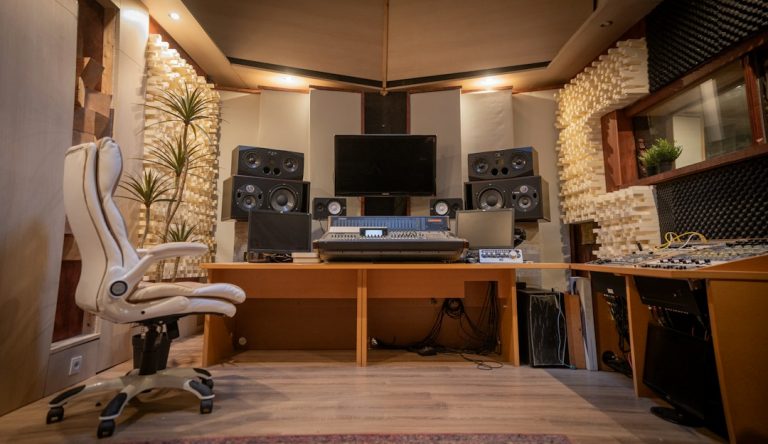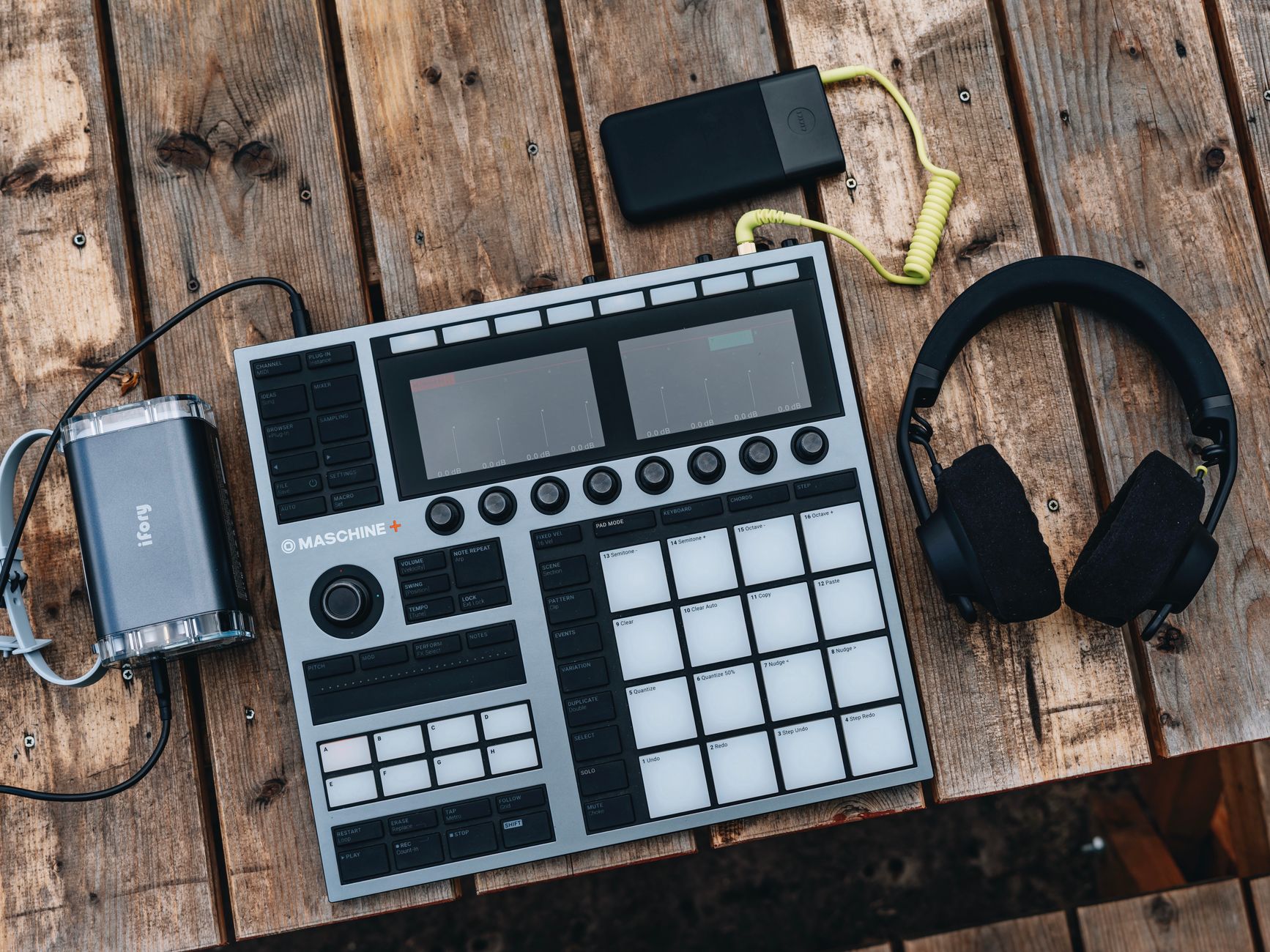
The dnb drum and bass session that taught me the most about dnb drum and bass happened at 1:18 a.m. in a rehearsal room above a closed curry house, with a borrowed Pioneer DDJ-FLX10, Ableton Live, and one bass patch that kept folding the kick in half. The artist wanted a dark roller for a Friday support slot. The drums sounded huge on my monitors, then weak through the room’s tired PA. I had 42 minutes before the last train.
I stopped chasing louder and started chasing readable. Kick at 174 BPM. Snare landing like a door latch. Sub trimmed until the speakers stopped coughing. That rough save became my personal test for drum and bass music: can a DJ mix it, can a small system survive it, and does the drop still feel physical without turning into grey noise?
Dnb drum and bass Without the Slop: Tempo, Swing, Space
I used to think faster meant harder. Bad habit. Most of the records that actually work in a club sit between 170 and 176 BPM, and they win because the pockets are clean. On that late rehearsal-room session, 174 BPM felt right only after I stopped stacking percussion every eighth-note.
The trick was leaving enough air for the snare tail and bass movement. Drum and bass feels fast, but the groove is usually built from deliberate gaps. If every lane fires all the time, the track sounds like a printer falling down stairs.
The dnb drum and bass Grid I Trust at 174 BPM
My starting grid is simple: kick on beat 1, another kick around the “and” after 2 or just before 3, snare on 2 and 4. Then I move small pieces. A ghost snare 20 to 35 velocity ticks below the main snare can do more than another loud fill.
I keep swing modest. In Ableton, 16th swing around 54 to 57 percent works for a modern roller. More than that can feel drunk unless the break is intentionally loose.
Where the Space Actually Lives
The space is not silence for its own sake. It is room for the kick transient, the snare crack, and the sub’s first cycle. I will often mute the top loop for two bars and ask whether the groove still moves. If it dies, the core pattern is weak.
- Keep the kick short, usually under 120 ms for tight rollers.
- High-pass busy breaks around 120 to 180 Hz.
- Leave one empty 16th before major snare fills.
- Use 4-bar phrase checks before adding more percussion.
- Start at 174 BPM before testing 172 or 176.
- Write the kick and snare first, then earn every hat.
- Use ghost notes for motion, not volume.
- Mute percussion loops often to test the real groove.
The Breakbeat That Survived the Taxi Test
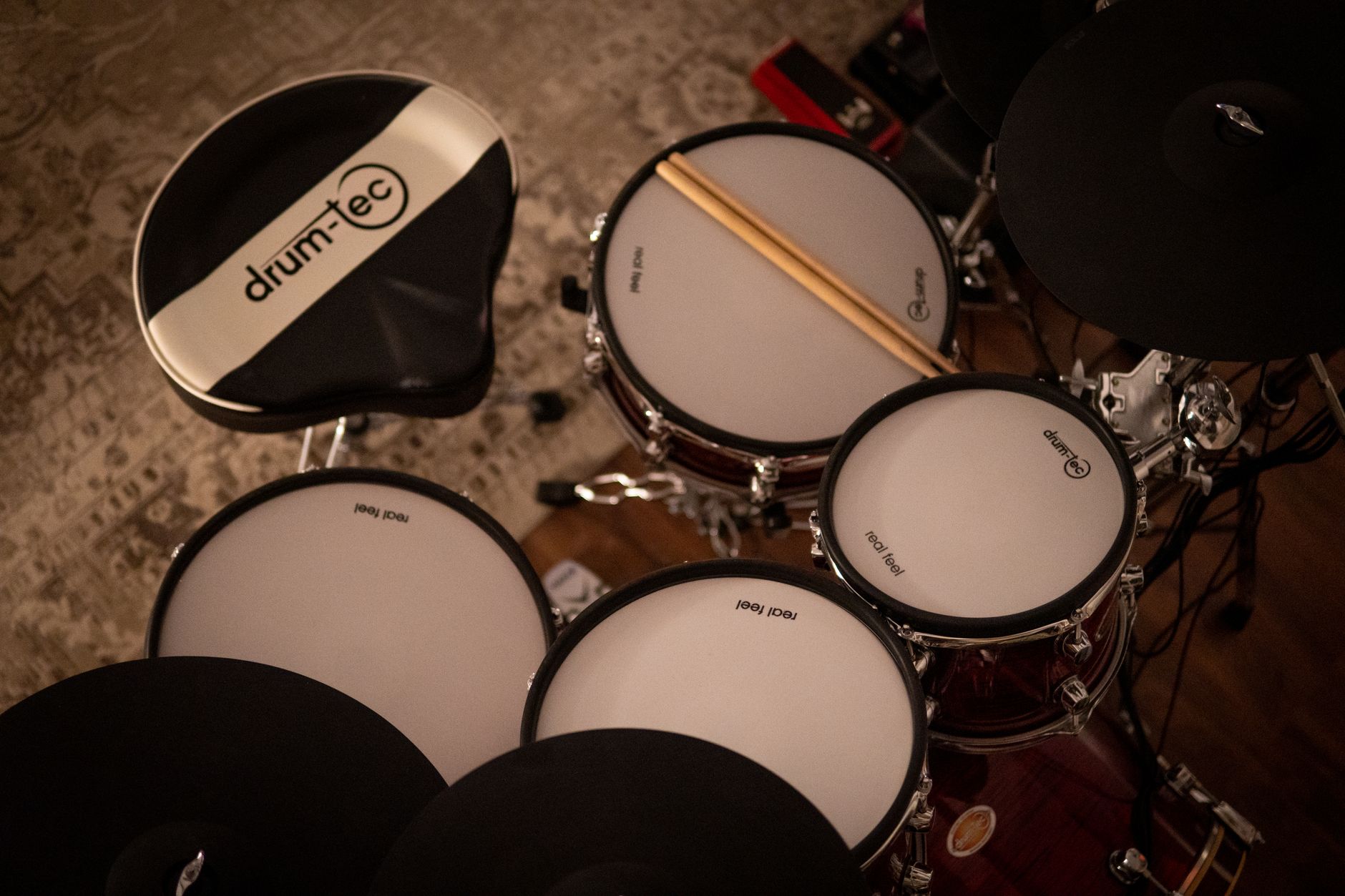
After that rehearsal, I bounced the track and checked it in a taxi on the way home. The driver had a cracked door speaker and the bass disappeared, but the snare still told the story. That is when I knew the breakbeat was doing its job.
Great DnB drums are not only about sample choice. The Amen break, Think break, Apache fragments, and modern one-shots all need editing. If the transient order is messy, the mix engineer cannot rescue the tune with a limiter.
Layer the Snare Like a Cynic
I take a hard line here: two snare layers are usually enough. One body layer around 180 to 240 Hz, one crack layer around 2.5 to 5 kHz. If a third layer enters, it must solve a specific problem, such as room tone or stereo width.
FabFilter Pro-Q 4 is my usual scalpel. I cut boxiness around 450 to 700 Hz, then use dynamic EQ if the snare barks only on fills. Soothe2 can help on harsh rides, but I set it lightly. Heavy resonance removal makes breaks feel laminated.
Parallel Compression Without Pancaking the Break
On a parallel drum bus, I like Ableton Glue Compressor at 10 ms attack, 0.1 to 0.3 s release, ratio 4:1, shaving 6 to 10 dB. Then I blend it under the clean drums until the ghost notes come forward without the kick turning square.
- Clip individual drum hits before the bus, not after everything collapses.
- Keep the clean drum bus peaking around -6 dBFS.
- Low-cut the parallel bus at 80 Hz if the kick gets woolly.
- Pick one break for character and one-shot drums for control.
- Tune the snare body to the track instead of piling on layers.
- Check drums quietly before checking them loud.
- Bounce a phone or car test before calling the break finished.
Bass That Moves Without Eating the Kick
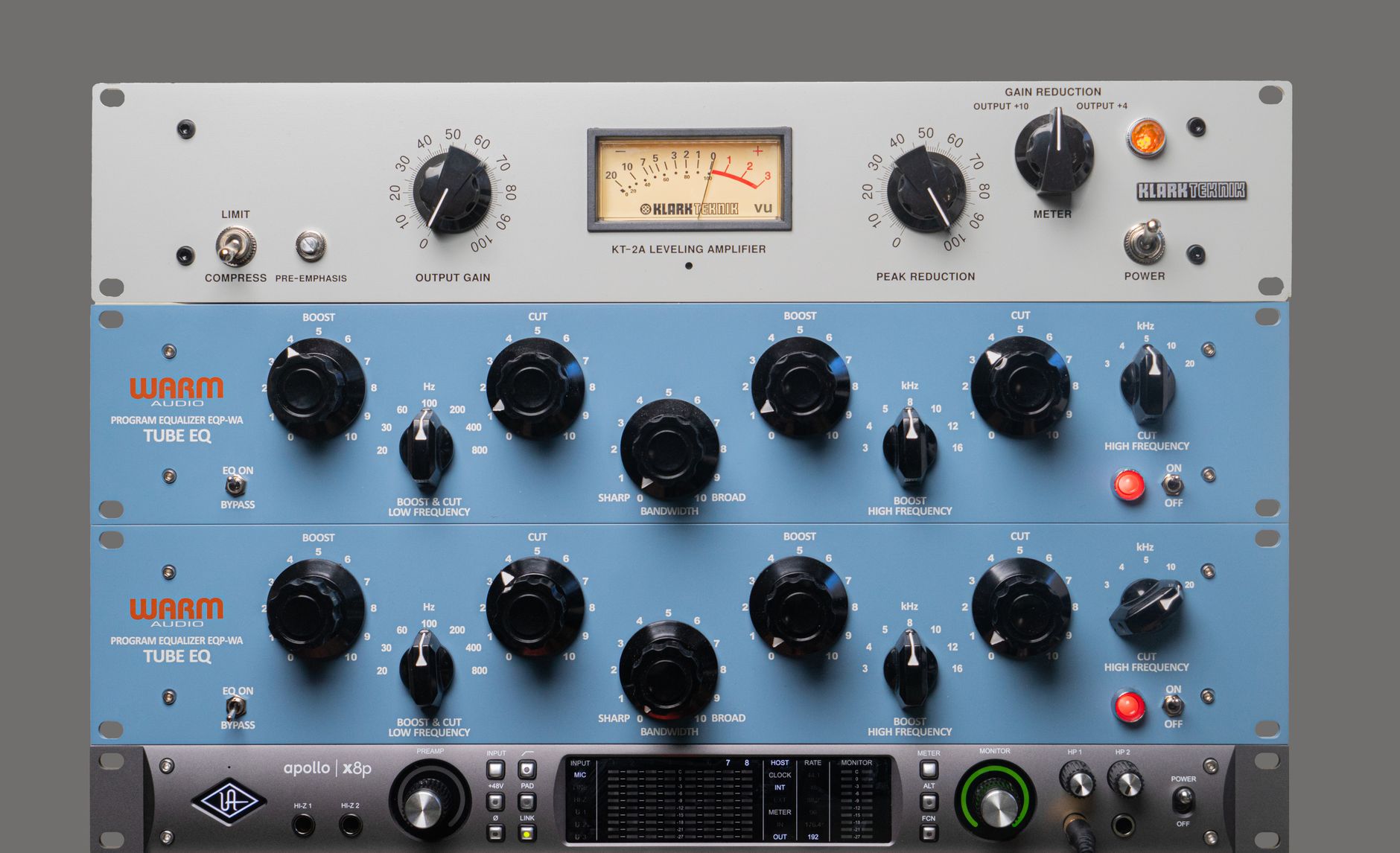
The bass patch that nearly killed the session was a Reese made in Serum, two saws, seven voices, mild detune, and too much pride. It sounded expensive soloed. With drums, it swallowed the kick and made the drop feel smaller.
For dnb drum and bass, I split bass into jobs. Sub gives weight. Mid-bass gives speech. Noise or distortion gives edge. When one sound tries to do every job, it usually drags mud into the arrangement.
Sub First, Then Personality
I start with a sine or triangle sub, mostly mono below 100 Hz. If the key is too low, I move the bass line instead of forcing the system to reproduce notes it hates. F, F#, G, and A often translate better than low D on small club rigs.
Mid/side EQ matters. I keep the sides high-passed around 120 Hz and sometimes higher, depending on the bass patch. The wide growl can live above the sub. The weight stays centered.
Sidechain Ducking That Does Not Announce Itself
I duck the bass from the kick by 2 to 4 dB, usually with a fast attack and release around 70 to 120 ms. LFO Tool, ShaperBox, or Ableton Compressor can all do it. The tool is less important than the envelope.
If the duck sounds like a house pump, it is too long. In drum and bass, the kick needs a doorway, not a dramatic bow.
- Keep the sub mono below 100 Hz.
- Carve the kick fundamental before boosting the bass.
- Separate sub, mid-bass, and top grit into controllable layers.
- Use 2 to 4 dB of ducking before reaching for heavier processing.

Dnb drum and bass songs That Teach Arrangement
I keep a small folder of references that I actually know, not a giant drum and bass music playlist I never open. Five tracks beat fifty. When a client asks for a roller, a liquid tune, or a darker neuro edge, I want references that show phrasing, not just sound design.
Good dnb drum and bass songs teach restraint. The intro gives DJs something useful. The first drop does not spend every idea. The second drop changes one or two details, not the whole identity of the record.
Drum and Bass Examples Worth Studying
For a clean roller feel, study Calibre’s sense of space. For melodic pressure, listen to High Contrast. For technical aggression, Noisia still set a brutal standard. For vocal-led drum and bass songs popular outside specialist rooms, Chase & Status and Rudimental show how hooks can sit over fast drums without getting shredded.
I am not copying their presets. I am listening for timing. Where does the bass answer the snare? How long does the breakdown last? When does the ride cymbal enter?
The Arrangement Map I Use When Time Is Tight
A practical structure is 16 bars intro, 16 bars build, 32 bars drop, 16 bars breakdown, 32 bars second drop, 16 bars outro. It is not sacred. It is a safe sketch that a DJ on CDJ-3000s can read quickly under booth pressure.
- Put a mixable drum intro before the first musical hook.
- Change energy every 16 bars, even if the change is subtle.
- Save one bass variation for the second drop.
- Keep the outro useful, not decorative.
- Use five strong references instead of a bloated folder.
- Analyse phrase length before copying sound design.
- Check whether the intro and outro help a real DJ.
- Make the second drop evolve without confusing the track.

What a Drum and Bass Mix 90s Night Taught Me About DJ Phrasing
Years ago I played a drum and bass mix 90s night where half the records had long, patient intros and the other half were modern edits with almost no runway. The room punished rushed blends. If the phrasing was off by four bars, dancers felt it before I did.
That night changed how I arrange tracks. A good producer thinks like a DJ for at least a few minutes. If the tune cannot be mixed without guesswork, it has failed a basic club test.
Build Intros for Hands, Not Just Ears
A DJ needs clean information: drums, tonal clue, and phrase markers. I like an obvious lift or fill every 8 bars, with a bigger signal at 16. It does not have to be cheesy. A reverse cymbal, filtered break, or one-bar bass tease can be enough.
On a Pioneer DDJ-FLX10 or CDJ-3000 setup, waveforms help, but ears still make the decision. The arrangement should tell the DJ where the blend belongs.
Energy Moves That Keep the Floor Locked
The fastest way to lose a room is to remove too much low-end for too long. Breakdowns can be emotional, but in DnB they need tension. I often keep a low tom, filtered sub pulse, or shuffled hat alive so the tempo never feels abandoned.
- Mark 16-bar phrase points with small drum edits.
- Use 32-bar drops when the main bass idea is strong.
- Shorten breakdowns if the vocal hook is not carrying weight.
- Keep DJ outros clean enough for double drops and blends.
- Think in 4-bar and 16-bar phrases while arranging.
- Make mix-in sections rhythmically clear.
- Avoid breakdowns that drain the floor for no payoff.
- Test the bounce in Rekordbox or Serato before final export.

Mix Decisions That Make Drum and Bass Music Travel
The final mix is where ego gets expensive. I have ruined decent tracks by chasing a loud master before fixing the kick, snare, and sub relationship. The better move is boring and reliable: gain stage, reference, print, listen somewhere ugly.
For dnb drum and bass, translation matters more than impressive soloed sounds. Bedroom producers often mix on headphones, which is fine, but the low-end decisions need a second opinion from a small speaker, a car, or a club system if one is available.
Gain Staging Before Mastering
I aim for the premaster to peak around -6 dBFS, with no limiter on the master while mixing. Drum bus, bass bus, music bus, vocal bus. Simple routing keeps decisions visible.
Ozone, Pro-L 2, and clipping can all work later, but they expose bad balances rather than fixing them. If the snare disappears when the limiter hits 2 dB of gain reduction, the mix was not ready.
A Rough Master That Tells the Truth
For a writing-session loud check, I use a clipper taking 1 to 3 dB, then a limiter aiming somewhere around -8 to -6 LUFS short-term on the drop. I do not print that as the final master without stepping away.
Harshness usually appears around 3 to 6 kHz after limiting. Mud often piles up around 180 to 300 Hz, especially when the break, snare body, and bass distortion all fight there.
- Leave around -6 dBFS peak headroom before mastering.
- Reference at low volume before turning monitors up.
- Check 180 to 300 Hz for low-mid buildup.
- Treat -8 to -6 LUFS as a loudness check, not a magic target.
- Rest your ears before printing the final bounce.
| Job | Tool | Starting Setting | Why I Use It |
|---|---|---|---|
| Kick and snare EQ | FabFilter Pro-Q 4 | Cut 450 to 700 Hz on boxy snares | Fast surgical moves without reshaping the whole drum bus |
| Harsh break control | Soothe2 | Light depth, focus 3 to 8 kHz | Tames brittle rides while keeping the break alive |
| Parallel drum weight | Ableton Glue Compressor | 10 ms attack, 4:1 ratio, 6 to 10 dB reduction | Brings ghost notes forward without replacing the clean bus |
| Bass ducking | ShaperBox or LFO Tool | 2 to 4 dB duck, 70 to 120 ms release | Makes room for the kick without obvious pumping |
| Performance sketching | Ableton Push 3 | 16-pad drum rack with velocity layers | Helps program ghost notes by feel instead of drawing everything flat |
Sources worth your time
- Drum and Bass Top 100 — open.spotify.com
- Drum and bass — en.wikipedia.org
FAQ
Is dnb drum and bass the same as drum and bass?
Yes. DnB is simply the shortened form of drum and bass. People also write it as drum n bass or D&B. The name usually points to fast breakbeats, heavy low-end, and tempos around 170 to 176 BPM, though the style can range from liquid and soulful to dark, technical neurofunk.
Who is the most famous DnB artist?
It depends on the era and audience, but Goldie is one of the most recognizable figures because of his role in bringing drum and bass into wider UK culture. Pendulum, Chase & Status, Andy C, Roni Size, LTJ Bukem, and Shy FX are also major names with huge reach.
What is the DnB drum pattern?
The core DnB drum pattern usually has snares on beats 2 and 4, with syncopated kicks around beat 1 and the space before or after beat 3. Producers add chopped breaks, ghost snares, shuffled hats, and percussion to create movement. The exact kick placement changes by subgenre.
What is the most famous DnB song?
There is no single agreed answer, but Goldie’s “Inner City Life” is one of the most iconic drum and bass records ever released. Roni Size and Reprazent’s “Brown Paper Bag,” Shy FX’s “Original Nuttah,” and Pendulum’s “Tarantula” are also common reference points.
What BPM is best for drum and bass music?
Most modern drum and bass sits between 170 and 176 BPM, with 174 BPM being a very common starting point. Jungle and older tunes can feel looser, while some modern tracks push harder. I start at 174, then move only if the groove asks for it.
What should I put in a drum and bass music playlist for learning?
Build a focused playlist with 15 to 25 tracks, not hundreds. Include Calibre for space, Goldie for atmosphere, Roni Size for groove, Noisia for sound design, Chase & Status for hooks, and LTJ Bukem for musical phrasing. Study arrangement and mix balance, not only bass presets.
The best dnb drum and bass I have worked on did not become better because I added more. It improved when I removed the lazy layers, shortened the kick, gave the snare a clean lane, and made the bass answer the groove instead of bullying it. That late-night rehearsal room session still sits in my head because the fix was practical, not mystical.
Open your next project and try the same test. Set 174 BPM, build a four-bar drum loop with space, split the bass into sub and mid layers, then arrange 16-bar sections a DJ can understand. Bounce it, play it quietly, and listen for what survives.
My Career makes videos from your own track and posts them for you, pitches your release to 34,000+ labels, playlists, radio stations, YouTube channels and blogs, puts it in every store and briefs you every morning. Free plan, no card, two minutes to set up.