 By TGP Production Desk · July 31, 2026
Define edm means identifying electronic dance music by its job: it is music built around programmed rhythm, club energy, and repeatable sections that DJs can mix. If you searched define edm, you probably do not need a museum lecture. You need the line between EDM music, pop with synths, house, techno, dubstep, festival bangers, and random internet slang.
The practical answer is simple. EDM is electronic dance music made for movement, usually with a strong kick, grid-based timing, loop-friendly arrangement, and drops or grooves that work on a sound system. A Swedish House Mafia anthem, a Chris Lake tech-house cut, a Skrillex bass track, and a Charlotte de Witte techno record all sit under the same big umbrella, even though they behave very differently in a DAW and on CDJ-3000s.
Define EDM: The Plain Meaning
EDM is electronic dance music made primarily from electronic tools and arranged for dancing, DJ mixing, or both. The term covers music built with drum machines, samplers, synths, DAWs, sequencers, and heavy processing instead of a traditional live-band recording setup.
That does not mean every sound must be synthetic. EDM songs often use vocals, guitars, piano chords, field recordings, or live percussion. The core is still electronic production. The beat sits on a grid, the arrangement uses DJ-friendly blocks, and the low end is designed to hit through a club PA without falling apart.
How to define EDM by arrangement
A useful test is structure. Most EDM music thinks in 4-bar, 8-bar, 16-bar, and 32-bar chunks. Intros give DJs room to mix. Breakdowns create contrast. Drops or groove returns deliver the main energy.
If the track is built around repeated electronic rhythm, dance-floor momentum, and mixable sections, it probably fits. If it is just a pop ballad with a synth pad tucked under the chorus, calling it EDM is lazy.
- Programmed drums are central, even when layered with live percussion
- Most tracks sit on a clear grid for DJ mixing
- Arrangement usually works in 4-bar or 8-bar phrases
- The low end is engineered for large speakers
- Drops, grooves, or builds create repeatable dance-floor moments
EDM Means A Format, Not One Sound
EDM is better treated as a production and performance format than as one fixed genre sound. That is why a 124 BPM house record and a 150 BPM dubstep track can both be EDM while sharing almost no drum feel, bass design, or crowd reaction.
The umbrella gets messy because people use it differently. DJs often say house, techno, trance, or drum and bass instead of EDM. Festival promoters use EDM as a broad marketing label. Casual listeners use it for anything with a build-up, big synth hook, and kick drum.
Why the word gets abused
The word became huge because it was convenient. One label could cover festival lineups, radio-friendly dance-pop, Beatport charts, and club music. The downside is that it flattens important differences.
A producer should be more specific. If you are building a tech-house track, call it tech house. If you are referencing 2012 festival progressive house, say that. EDM is the umbrella, not the final brief.
- Use EDM when speaking broadly
- Use genre names when giving production direction
- Use subgenre names when choosing references
- Do not call every synth-heavy track EDM
- Do not ignore DJ function when judging the label

What Defines EDM Music In The Studio
The studio fingerprints are grid timing, controlled low end, repetitive hooks, and energy automation. To define edm music from a producer angle, look less at the poster name and more at the session: kick, bass, drums, synths, FX, vocal chops, risers, and a structure that moves bodies.
Open a typical Ableton Live or FL Studio project and the clues are obvious. The kick is usually the anchor. The bass is tuned and sidechained. The arrangement creates tension every 8 or 16 bars. The mix leaves headroom before mastering, often around -6 dB on the master bus while producing.
The production tells that matter
Sidechain ducking is one of the fastest tells. A compressor, LFO Tool, ShaperBox, or Ableton Compressor can pull the bass down 3 to 6 dB every kick hit. That pumping can be subtle in techno or exaggerated in festival house.
EQ also gives it away. Many clean EDM mixes cut unnecessary low-mid weight around 180 to 300 Hz, tighten sub content below 40 Hz, and keep kick and bass from fighting in the same octave.
- Kick and bass are designed as one system
- Sidechain movement creates space and groove
- Risers, impacts, and downlifters mark phrase changes
- Automation pushes energy into drops and resets breakdowns
- Mix decisions serve club translation, not just headphones

The Four Big EDM Genre Families
If you need four buckets, use house, techno, trance, and bass music. That is not perfect, but it is more useful than pretending EDM is one giant playlist with no internal logic.
House usually works around a 4/4 kick, swing, groove, and bassline movement. Techno is more hypnotic and loop-driven. Trance leans on long builds, emotional harmony, and release. Bass music covers dubstep, trap, future bass, bass house, and related styles where the low end and sound design are the main event.
BPM ranges are clues, not laws
House often lands around 120 to 130 BPM. Techno commonly sits from 125 to 140 BPM. Trance often runs 132 to 140 BPM. Dubstep is usually felt around 140 BPM, often half-time. Drum and bass is faster, usually 170 to 176 BPM.
Tempo helps, but drum pattern and bass behavior matter more. A 128 BPM track can be house, techno, or big-room depending on groove, sound palette, and arrangement.
- House: groove, swing, bassline, 4/4 movement
- Techno: repetition, pressure, texture, long transitions
- Trance: emotional chords, arps, long builds
- Bass music: drops, aggressive low end, sound design
- Drum and bass: fast break energy around 174 BPM
EDM Music Examples: What To Listen For
Good EDM music examples teach you what a genre does under pressure. Do not only listen for the lead sound. Listen to phrase length, kick choice, bass rhythm, vocal placement, and how much space exists before the drop.
For festival progressive house, listen to Swedish House Mafia or early Martin Garrix records and notice the huge supersaw stacks, clean breakdowns, and simple melodic hooks. For modern tech house, check Chris Lake or Fisher and focus on vocal chops, rolling bass, and dry drum impact. For bass-heavy writing, Skrillex remains a useful reference because the edits are sharp and the midrange bass talks clearly.
How to reference EDM songs without copying
Drop three references into your DAW and map them. Mark intro, first hook, breakdown, build, drop, second break, and outro. Count bars. Most commercial EDM songs are less mysterious once you see the grid.
Then steal the architecture, not the melody. If the reference uses a 16-bar build with snare rolls rising every 4 bars, use that energy shape with your own drums, chords, and vocal idea.
- Count how many bars the intro gives a DJ
- Check where the vocal first appears
- Mark every impact, fill, and riser
- Compare drop length against breakdown length
- Match energy curve before chasing exact sounds
How DJs Read EDM Songs In A Set
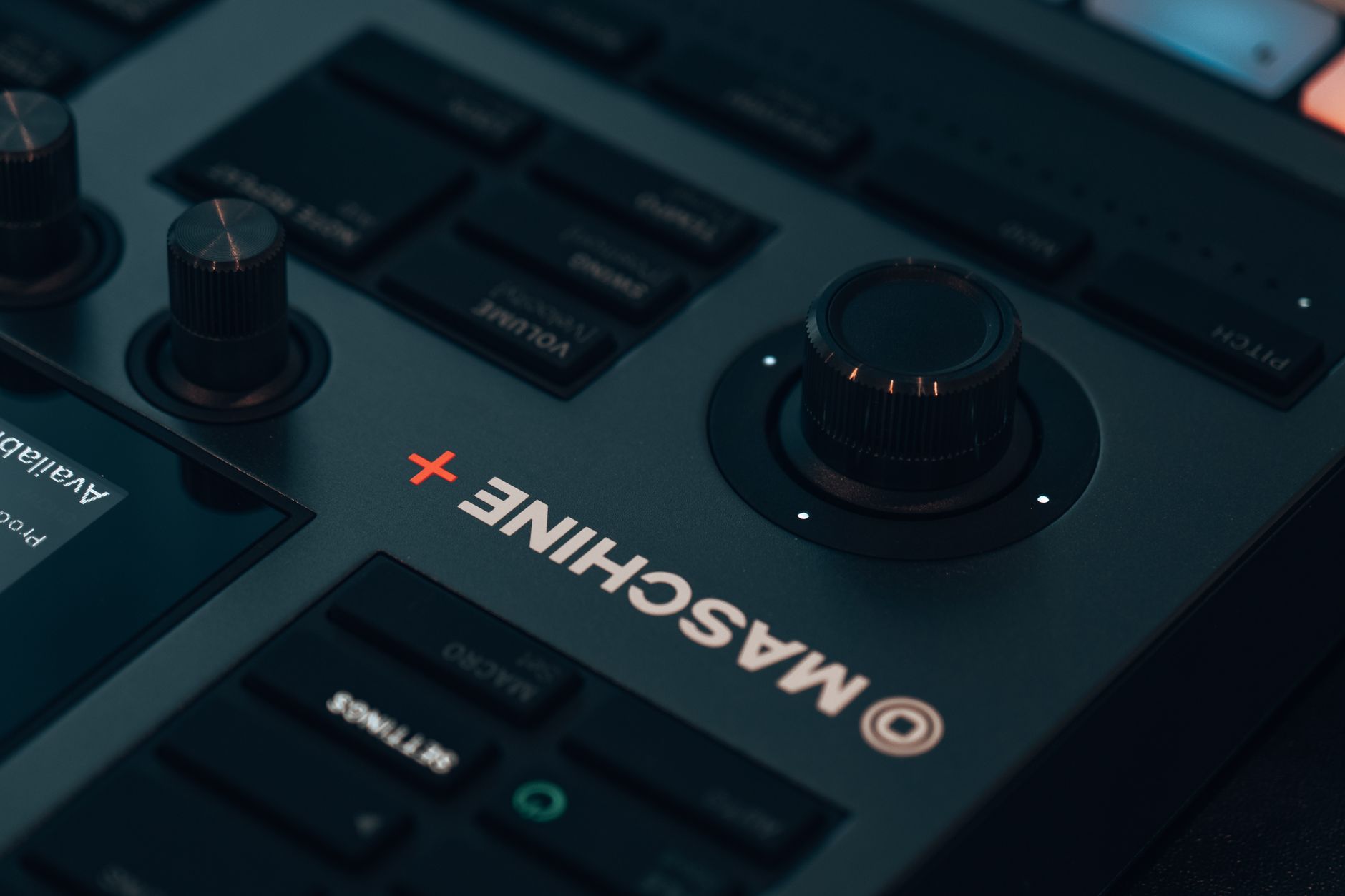
DJs read EDM by phrase, tempo, key, energy, and exit points. A producer who understands that writes tracks that are easier to play on CDJ-3000s, Rekordbox, Traktor, or a Pioneer DDJ-FLX10.
The big practical detail is phrasing. DJs often mix at 16-bar or 32-bar points because the arrangement changes there. If your crash, vocal, bass switch, and drum fill all land randomly, the track feels awkward to blend. If your intro has a clean 16 or 32 bars with drums and no full vocal, the record becomes easier to place in a set.
Arrangement choices DJs notice
Leave room at the start and end. A 32-bar drum intro is not boring if the groove is useful. A clean outro lets a DJ mix out without fighting your vocal hook or giant reverb tail.
Key matters too. A track in F minor can mix smoothly with F minor, C minor, or B-flat minor using Camelot-compatible movement. Harmonic mixing will not save a weak record, but bad key clashes are obvious on a big system.
- Give DJs clear 16-bar or 32-bar mix points
- Keep intros useful, not empty
- Avoid full vocals over every outro
- Make energy changes land on phrase boundaries
- Test the track against two finished references
Producer Settings That Make Tracks Feel Like EDM
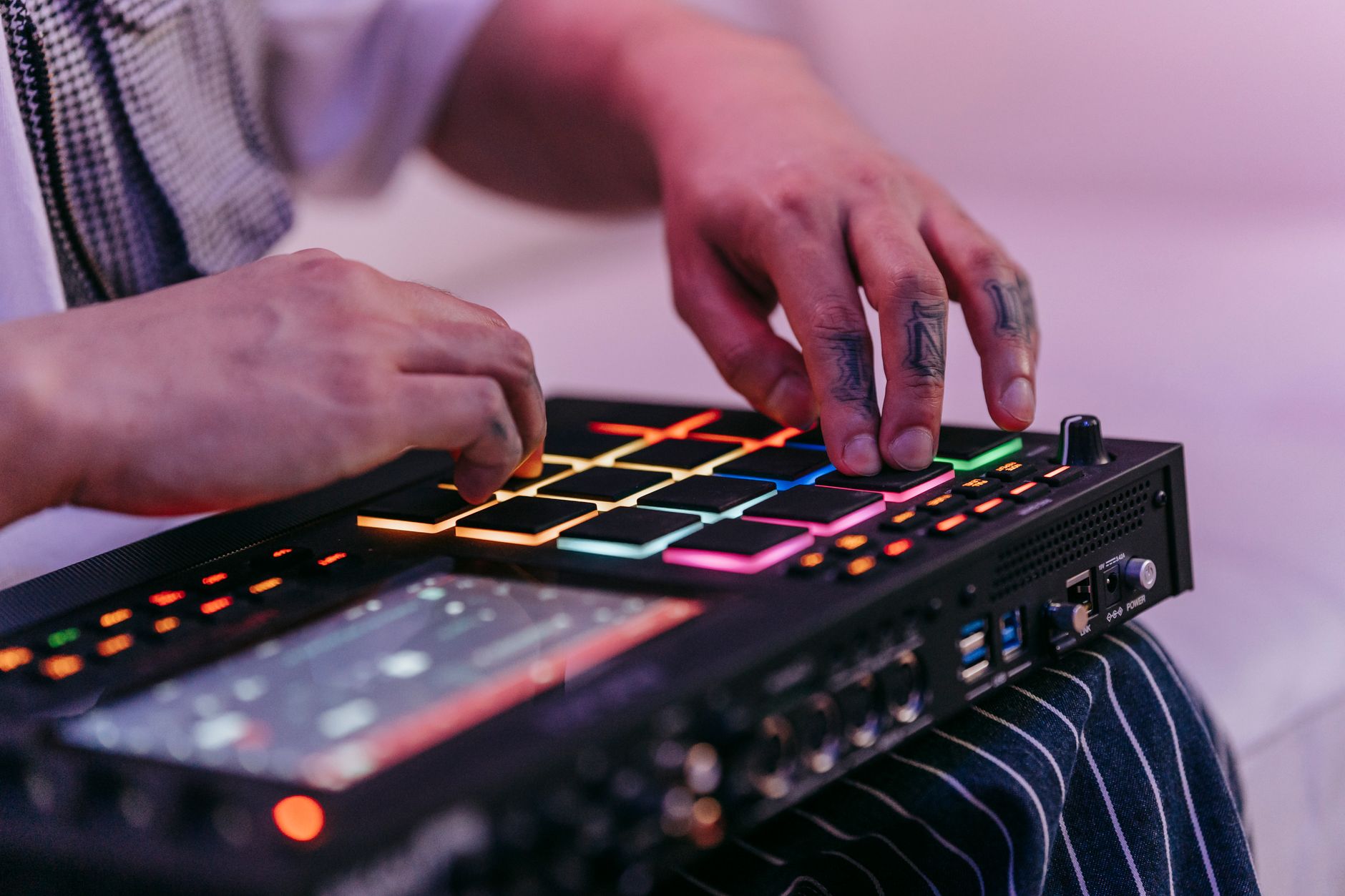
The sound is built from repeatable technical decisions, not magic presets. If you want to define edm from inside a session, start with gain staging, kick and bass control, transient shape, stereo width, and arrangement automation.
Keep the master peaking around -6 dB while producing, not because -6 is sacred, but because it stops you from mixing into a smashed limiter too early. Use FabFilter Pro-Q 4 or a clean stock EQ to remove sub rumble below 25 to 35 Hz on non-bass elements. If a vocal is biting around 3 kHz, tame it before the drop gets harsh.
Concrete starting points
For sidechain ducking, start with 4 dB of gain reduction on the bass, fast attack, and release timed to the groove. At 128 BPM, an eighth-note style release often works. Adjust by ear, not by screenshot.
For messy synth stacks, try mid/side EQ. Cut 200 to 350 Hz on the sides if the stereo layer muddies the groove. Use Soothe2 lightly on harsh resonances instead of carving twenty ugly notches.
- Leave about -6 dB peak headroom before mastering
- High-pass non-bass parts only when they actually need it
- Sidechain bass 3 to 6 dB against the kick
- Check mono below roughly 120 Hz
- Automate filters and reverbs into transitions
EDM Artists, Ghost Production, And Finished Records
Released EDM artists win because the record works as a song, a mix tool, and a brand signal at the same time. The public hears the drop. DJs hear the intro and energy curve. Labels hear whether the track fits a lane without sounding like a cheap copy.
This is where production briefs need precision. Saying make me EDM is too wide. Saying 126 BPM tech house with a spoken female vocal, short dry drums, rolling sub, and a 16-bar second drop gives a producer something usable. In our own catalogue, we regularly analyze why some tracks sell better than others, and vague genre direction is one pattern that keeps weaker ideas weak.
What a strong brief includes
A proper brief names references, tempo, mood, vocal type, target platform, and arrangement length. It also says what to avoid. That last part matters.
If you want radio-friendly EDM songs, you may need shorter intros, stronger topline focus, and a drop that arrives faster. If you want DJ pool or Beatport use, you need a cleaner extended mix with practical intro and outro sections.
- Reference artists and tracks, not just genre names
- Name the target BPM and key if you know them
- Describe the vocal role clearly
- Choose radio edit, extended mix, or both
- State what sounds are off-limits

EDM In Marketing, Slang, And Dating
Outside music, EDM can mean different things, so context decides the meaning. Search results around EDM urban dictionary, EDM in marketing, and what is EDM in dating are not all talking about electronic dance music.
In marketing, EDM often means electronic direct mail. That is a business term for email campaigns, newsletters, and promotional mailouts. In slang, EDM usually still points to electronic dance music, rave culture, festivals, or club scenes, though casual definitions can get messy. In dating profiles, EDM usually means the person likes electronic dance music events, clubs, festivals, or DJ culture.
Context beats abbreviation guessing
If someone says EDM next to email metrics, open rates, or campaigns, they mean electronic direct mail. If they say EDM next to DJs, festivals, raves, techno, house, or playlists, they mean electronic dance music.
For artists, this matters because search intent changes the answer. A fan asking define edm dance music wants genre clarity. A marketer asking about EDM wants email strategy. Same letters, different room.
- Music context: electronic dance music
- Marketing context: electronic direct mail
- Dating context: interest in festivals, clubs, or electronic music
- Slang context: usually rave or dance-music culture
- Business context: check for email-campaign language
| Style | Typical BPM | Production Tells | Good Reference Points |
|---|---|---|---|
| House | 120-130 | 4/4 kick, swing, groove-led bass, short vocal hooks | Chris Lake, MK, Disclosure |
| Techno | 125-140 | Loop pressure, minimal hooks, long filters, dark percussion | Charlotte de Witte, Amelie Lens, Adam Beyer |
| Trance | 132-140 | Arps, long builds, emotional chords, big breakdowns | Armin van Buuren, Above & Beyond, Aly & Fila |
| Dubstep | 140 felt half-time | Heavy bass design, syncopated drops, aggressive edits | Skrillex, Excision, Zeds Dead |
| Drum and bass | 170-176 | Fast breaks, Reese bass, rolling subs, tight drum edits | Sub Focus, Wilkinson, Andy C |
Worth a deeper read: Electronic dance music.
Frequently asked questions
How do producers define EDM in a track?
Producers define it by electronic production, dance-floor structure, programmed rhythm, and mixable arrangement. The usual signs are a strong kick, controlled bass, 4-bar or 8-bar phrasing, builds, drops, and sound design that works on a club system.
What defines EDM music?
EDM music is defined by electronic tools, dance-focused rhythm, repetitive sections, and energy movement. It can include vocals or acoustic samples, but the backbone is usually programmed drums, synths, bass processing, DJ-friendly phrasing, and a mix built for loud playback.
What is EDM in marketing?
In marketing, EDM usually means electronic direct mail, not electronic dance music. It refers to email campaigns such as newsletters, product updates, launch emails, and promotional sequences. If the context mentions open rates, subscribers, or campaigns, that is the meaning.
What does EDM mean in slang?
In slang, EDM normally means electronic dance music and can point to DJs, festivals, raves, club culture, or dance playlists. Some people use it loosely for any loud electronic festival track, so the exact meaning depends on the conversation.
What are the 4 genres of EDM?
The cleanest four broad families are house, techno, trance, and bass music. Bass music can include dubstep, trap, future bass, bass house, and related styles. Drum and bass is sometimes treated as its own major family because its tempo and drum language are so distinct.
What is EDM in dating profiles?
On dating apps, EDM usually means the person likes electronic dance music, festivals, clubs, DJs, or rave-style events. It is a lifestyle signal as much as a music taste signal, especially when paired with words like festivals, techno, house, or raves.
The short version
- EDM means electronic dance music, but it works better as an umbrella term than one exact sound.
- The clearest production signs are programmed drums, grid-based phrasing, controlled low end, builds, and drops.
- House, techno, trance, and bass music are the most useful four broad genre families.
- DJs care about phrase length, mix points, key, tempo, and energy curve as much as the main hook.
- Producer briefs should name BPM, references, vocal role, arrangement type, and what to avoid.
- Outside music, EDM can mean electronic direct mail in marketing contexts.
What Does EDM Stand For?
EDM stands for electronic dance music. In music, that means dance-focused tracks built mainly with electronic production tools: drum machines, samplers, synths, sequencers, DAWs, effects, and programmed arrangement. The important part is not just “electronic.” It is the dance function: rhythm, repetition, energy control, and sections a DJ can work with.
That is why EDM is not the same as “any song with synths.” A pop record can use Serum pads, 808s, and sidechain pumping without being a club record. EDM usually puts the beat, bass, groove, drop, or hypnotic loop at the center of the arrangement. The vocal can be huge, but the track still has to move like dance music.
Context matters because EDM can mean something totally different outside music. In marketing, EDM often stands for electronic direct mail or email direct marketing: campaigns sent to a mailing list. If someone says “send an EDM” in a marketing meeting, they probably mean an email blast, not a techno record.
Quick read:
- EDM in music: electronic dance music.
- EDM in marketing: electronic direct mail or email direct marketing.
- Best producer use: use EDM for the umbrella, then name the subgenre when direction matters.
What is an EDM in marketing?
In marketing, an EDM is usually an electronic direct mail campaign: a promotional email sent to a customer or subscriber list. It has nothing to do with dance music unless the campaign is promoting a track, show, festival, playlist, or artist release.
Does EDM always mean electronic dance music?
No. In a music context, EDM means electronic dance music. In business or marketing, EDM often means electronic direct mail or email direct marketing. The surrounding conversation tells you which one is meant: clubs, DJs, and tracks point to music; campaigns, lists, and open rates point to marketing.
Is EDM the same as electronic music?
Not exactly. Electronic music is the bigger category. EDM is the dance-floor side of it: grid-based rhythm, club energy, repeatable sections, and production choices built for movement or DJ mixing. Ambient, experimental synth music, and some electronic pop may be electronic without really being EDM.
Where to go from here
define edm is easy if you keep the answer practical: electronic dance music is built with electronic production tools, arranged for movement, and structured so DJs or listeners can follow its energy. The details change by style. House grooves differently from techno. Trance builds differently from dubstep. Drum and bass runs on a different engine entirely.
The useful move is to stop treating EDM as one preset pack. Pick a lane, study three references, count the bars, check the BPM, and copy the energy map without copying the song. In your next session, build a 32-bar intro, a controlled kick and bass relationship, and one clean drop idea before adding decoration.
My Career makes videos from your own track and posts them for you, pitches your release to 34,000+ labels, playlists, radio stations, YouTube channels and blogs, puts it in every store and briefs you every morning. Free plan, no card, two minutes to set up.