
Cinematic Ghost Producer
Looking for exclusive Cinematic ghost production? Browse professionally crafted, release-ready Cinematic tracks created by experienced producers.
Each track is sold exclusively with full rights included — ready to release under your name. Need something fully custom? Order a custom-made Cinematic production.
What is Cinematic? A Genre Rooted in Film Scoring
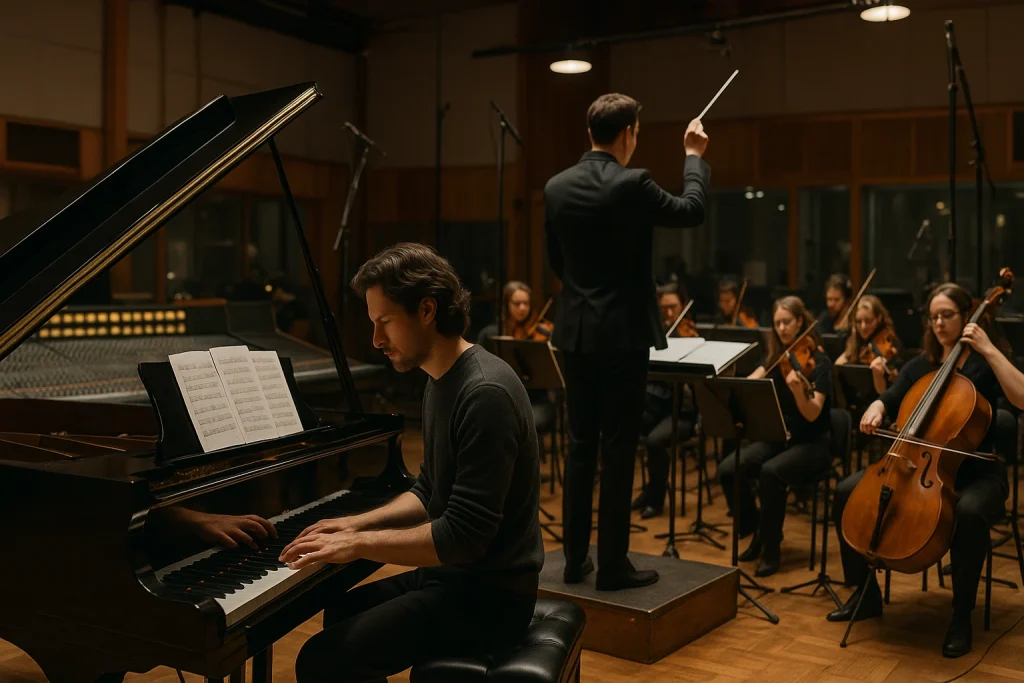
The Cinematic genre is a compelling fusion of traditional film scoring elements with modern electronic production techniques. Originating in the 20th century as orchestral and symphonic music crafted specifically for film soundtracks, it has evolved significantly over the last few decades. Artists in this genre often employ a wide range of BPMs, typically ranging from 60 to 120, providing ample space for both slow, emotive builds and more dynamic, rhythmic sections. Core sonic elements include orchestral strings, epic builds, emotional dynamics, and a hybrid approach to live and electronic production.
Cinematic music has carved a niche within the electronic music ecosystem, where it often intersects with genres like Chillout and Experimental music. Its ability to evoke profound emotions makes it a popular choice for background scores in films, advertisements, and even live performances.
Key Artists Who Defined the Cinematic Genre
Several key artists have been instrumental in shaping the Cinematic genre. Hans Zimmer, a name synonymous with modern film scoring, has been a pivotal figure since his breakthrough with the 1988 film “Rain Man.” Zimmer’s ability to blend traditional orchestral music with electronic elements has influenced countless producers. Max Richter, known for his melancholic and potent compositions, gained widespread acclaim with his 2012 album “Recomposed by Max Richter: Vivaldi – The Four Seasons.” His work exemplifies how classical foundations can be reinvented for a contemporary audience.
Explosions in the Sky, an instrumental rock band, brought Cinematic textures to the rock genre, especially with their 2003 album “The Earth Is Not a Cold Dead Place.” Their music has been widely used in film and television, further cementing the band’s influence. Johann Johannsson, a composer noted for his minimalistic approach, left a lasting mark on the genre with scores like 2014’s “The Theory of Everything.” These artists not only defined the genre but also underscored the role of ghost production in maintaining prolific output. Ghost producers often assist these high-profile musicians, handling various aspects of production while maintaining the artist’s signature sound.
Production Anatomy of a Great Cinematic Track
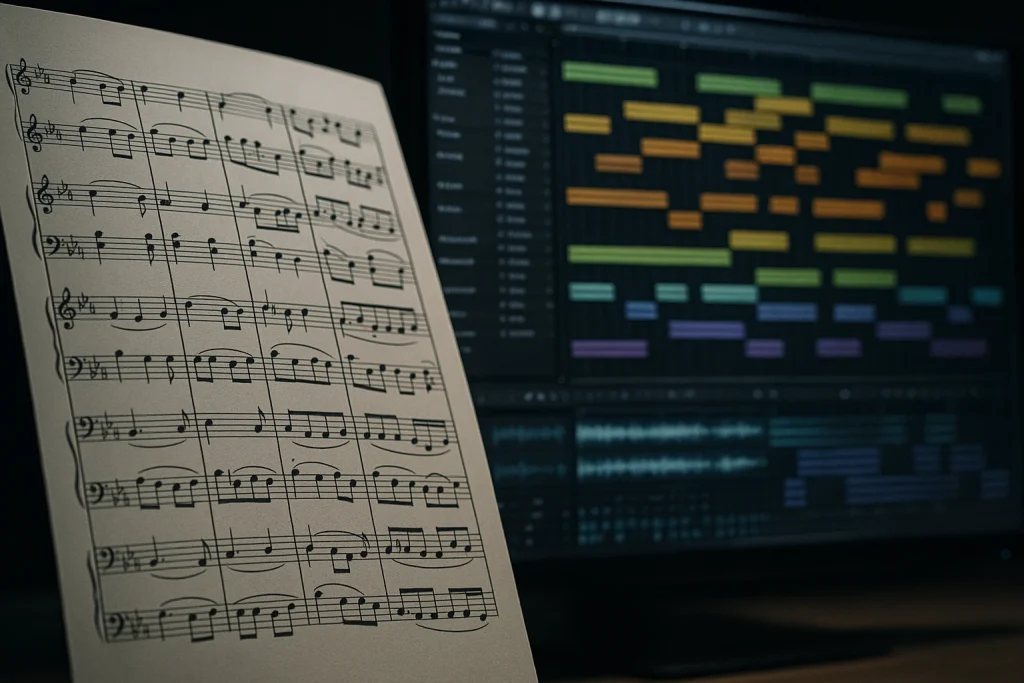
Creating a professional Cinematic track involves a deep understanding of musical structure and sound design. Typically, a Cinematic track will feature a complex arrangement that evolves over time, often beginning with a subtle intro that builds into an epic crescendo. The kick pattern tends to be minimal, emphasizing atmospheric elements over rhythmic intensity. Bass design is crucial, often utilizing deep sub-bass to underpin the emotional tone.
In terms of harmonic choices, Cinematic tracks favor lush, expansive chords that fill the sonic space. The arrangement structure is dynamic, with frequent use of modulation to keep the listener engaged. A professional sound is achieved through meticulous mixing, often utilizing digital audio workstations (DAWs) like Logic Pro and Ableton Live, alongside plugins such as Spitfire Audio’s orchestral libraries. Mixing approaches focus on achieving clarity and depth, where elements like reverb and delay are used to create a sense of space.
For those interested in other genres, learning the intricacies of Big Room or Bass House production can provide valuable insights into different rhythmic patterns and sound design techniques.
Why Cinematic DJs and Artists Use Ghost Producers
The demand for Cinematic music has grown exponentially, creating pressure on DJs and producers to maintain a consistent release schedule. This is where ghost producers come into play. Many artists find that the skill gap between DJing and producing can be significant, particularly when aiming to produce music with a Cinematic quality. According to industry surveys, an estimated 60–80% of charting electronic music tracks involve some form of ghost production. This practice allows artists to focus on performance and branding while ensuring a steady flow of high-quality releases.
Labels also have a vested interest in maintaining a diverse and dynamic catalog, often employing A&R teams to source Cinematic content. In 2026, platforms like Resident Advisor and DJ Mag continue to highlight the role of ghost production in the modern music industry. As the industry grows, services like The Ghost Production have become essential for artists seeking to maintain their competitive edge.
How to Order a Ghost-Produced Cinematic Track
Ordering a ghost-produced Cinematic track requires a clear and detailed brief. This should include reference tracks to convey the desired sound, the key and BPM, the mood, and the general structure of the track. Typical deliverables from a ghost producer include a WAV master, individual stems, and sometimes MIDI files. Pricing can vary greatly, generally ranging from $200 to over $5,000 depending on the level of exclusivity and the complexity of the project.
When selecting a ghost producer, be wary of red flags such as vague timelines, lack of clear communication, and unwillingness to provide previous work samples. Choosing a reputable service like The Ghost Production ensures a professional and reliable experience.
| Service | Quality Level | Turnaround | Pricing | Rights |
|---|---|---|---|---|
| Service A | High | 2 weeks | $500–$4,000 | Full Rights |
| Service B | Medium | 1 month | $200–$1,500 | Partial Rights |
| Service C | Premium | 1 week | $1,000–$5,000+ | Full Rights |
Tips for Integrating Ghost-Produced Cinematic Tracks into Your Sets and Releases
Integrating ghost-produced Cinematic tracks into your sets and releases requires strategic planning and seamless execution. Consider using tools like the DJ Set Planner to map out where these tracks best fit within your performance. Mix them with tracks from genres like Progressive House or Synthwave to maintain energy and evoke the desired emotional response.
When preparing a release, ensure that the track is mastered to industry standards and that all necessary rights and credits are secured, following guidelines from platforms like Apple Music for Artists. By carefully curating your selection and understanding the nuances of each track, you can elevate your artistic brand and connect more deeply with your audience.
Frequently Asked Questions
What makes Cinematic music different from other electronic genres?
Cinematic music is distinct for its emphasis on emotional depth, orchestral elements, and dynamic range. It often combines live instrumentation with electronic production techniques, creating a rich and expansive sound.
Why do artists choose to work with ghost producers?
Artists often use ghost producers to handle the technical aspects of production, allowing them to focus on performance and creative direction. This is particularly common in Cinematic music, where production complexity can be high.
How can I ensure the quality of a ghost-produced track?
To ensure quality, work with reputable ghost production services and provide a clear, detailed brief. Request samples of previous work and ensure that deliverables include all necessary audio files and rights documentation.
What should I include in a brief for a Cinematic ghost producer?
A comprehensive brief should include reference tracks, the desired key and BPM, mood, structure, and any specific elements you want incorporated. Clear communication is key to achieving the desired outcome.
How widespread is ghost production in electronic music?
Ghost production is prevalent in the electronic music industry, with estimates suggesting that 60–80% of charting tracks involve some level of ghost production. It is a well-established practice that supports artists in meeting the demands of the market.
Last updated:
Ready to Scale Your Music Output?
Release more music, hit more deadlines, and build a stronger catalog — with professional ghost production that sounds exactly like you.