
Big Room Ghost Producer
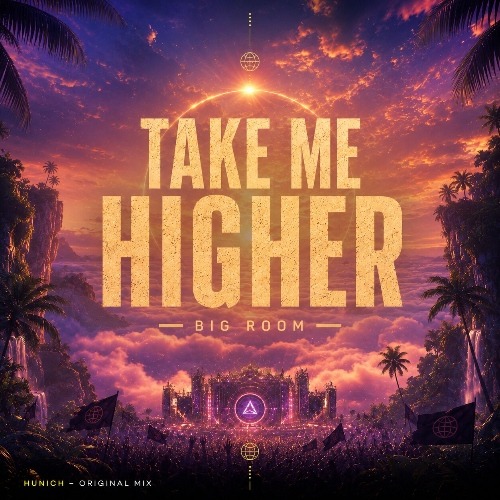
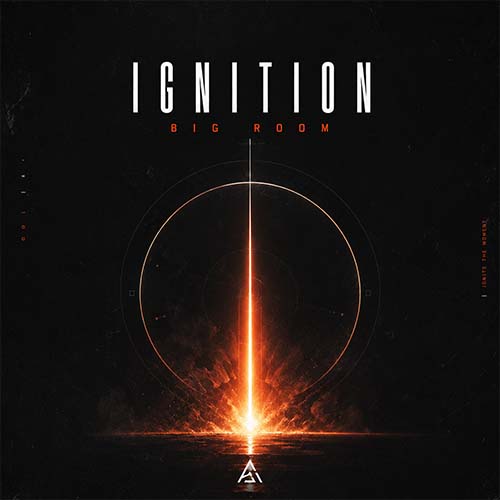
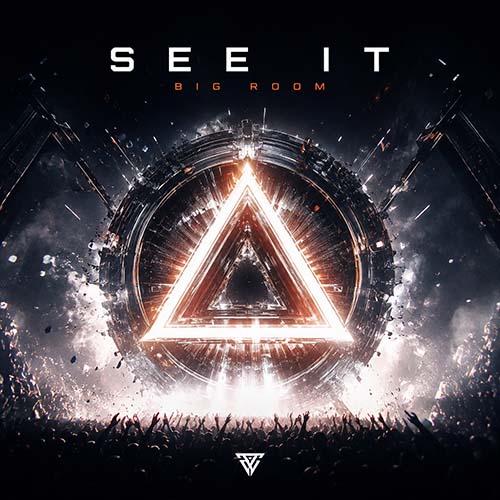
Looking for exclusive Big Room ghost production? Browse professionally crafted, release-ready Big Room tracks created by experienced producers.
Each track is sold exclusively with full rights included — ready to release under your name. Need something fully custom? Order a custom-made Big Room production.


 FL Studio


















What is Big Room? Origins and Evolution
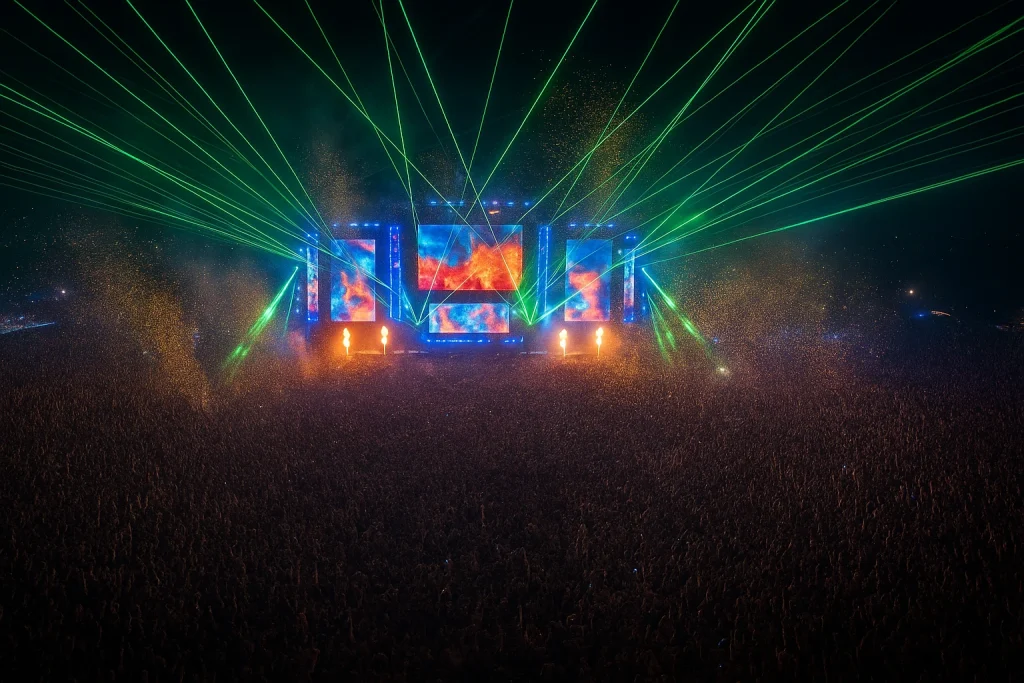
Big Room House, commonly known as Big Room, emerged from the vibrant electronic music scene of the Netherlands in the early 2010s. Characterized by its high-energy beats and massive festival-ready drops, Big Room found its initial footing on the festival circuit, quickly becoming a staple in the sets of headline DJs. With a tempo ranging from 128 to 132 BPM, its signature sound is built on pounding kicks, simple yet infectious melodic hooks, and crowd-building breakdowns.
As Big Room evolved, it established itself as a key player in the electronic dance music ecosystem, influencing a variety of sub-genres. Despite some critics labeling it as formulaic, its ability to electrify audiences is undeniable. The genre’s evolution has seen influences from Electro House and Progressive House, continually pushing the boundaries of electronic music production.
The Architects of Big Room: Key Artists and Their Impact
Several artists have been instrumental in shaping Big Room into what it is today. Hardwell, for example, became a household name with tracks like “Spaceman” (2012) and his electrifying sets at Tomorrowland. His label, Revealed Recordings, has been a launchpad for many aspiring producers.
W&W, another Dutch duo, pushed the boundaries of Big Room with their hit “Bigfoot” (2014), showcasing their knack for blending powerful basslines with catchy melodies. Showtek’s evolution from hardstyle to house saw them produce anthems like “Booyah” (2013), further cementing Big Room’s position in festival lineups.
Dannic and Dyro, both protégés of Hardwell, contributed significantly with tracks that often involve ghost production—a common practice in the industry. As these artists rose to fame, their reliance on ghost producers became an open secret, underscoring the genre’s collaborative nature.
For those interested in exploring the roots of Big Room’s artists and their journey, platforms like Resident Advisor provide insightful artist profiles and histories.
Production Anatomy of a Great Big Room Track
Creating a standout Big Room track involves more than just crafting a catchy melody. The kick drum, often described as the heartbeat of the genre, requires careful selection and processing to cut through the mix. Producers typically opt for punchy, hard-hitting kicks layered with subtle sub-bass for depth.
Bass design is equally crucial, often achieved through synthesizers like Serum or Sylenth1, complemented by multi-band compression to maintain clarity. The harmonic content usually revolves around simple chord progressions, with saw waves and supersaws being a staple. A successful Big Room track hinges on its arrangement; maintaining a balance between tension and release is key.
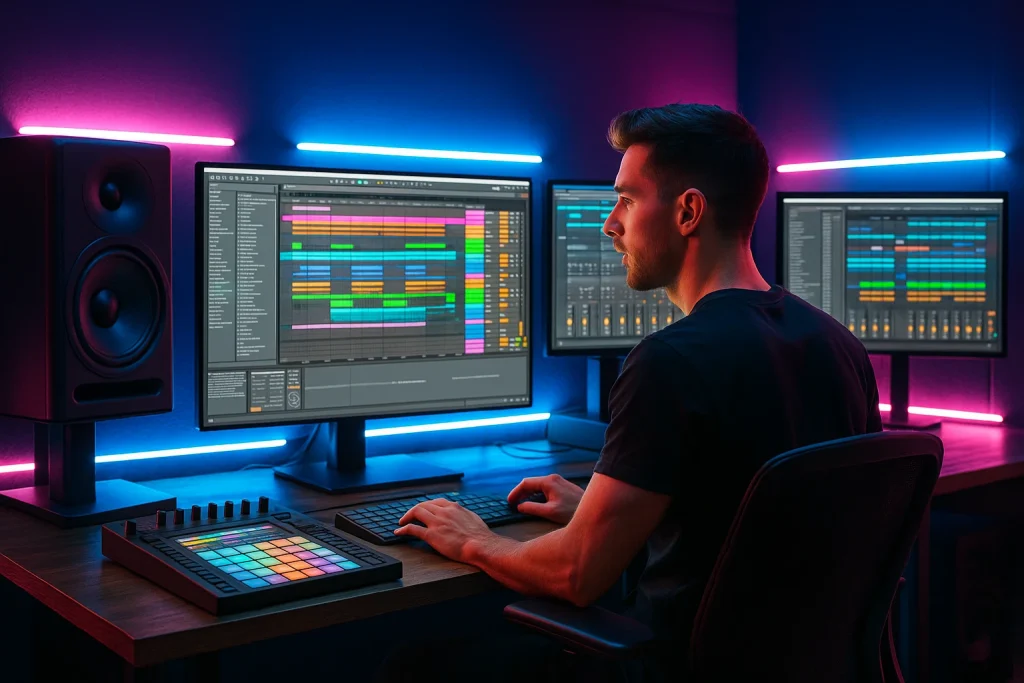
Most producers use DAWs like Ableton Live or FL Studio, leveraging sophisticated plugins such as iZotope Ozone for mastering. The difference between amateur and professional tracks often lies in the meticulous mixing and mastering processes, ensuring the track sounds powerful on both festival sound systems and personal headphones.
For further guidance, aspiring producers can refer to resources like Splice, which offers a plethora of samples and presets tailored for Big Room production.
Why Big Room DJs and Artists Use Ghost Producers
The demand for fresh content in the EDM scene has never been higher, with DJs often pressured to maintain a steady release schedule. This demand has led to an increase in the use of ghost producers. According to industry surveys, an estimated 60-80% of charting electronic music tracks involve some form of ghost production.
Ghost producers bridge the gap between DJing and producing, allowing artists to focus on their performance skills while ensuring their music output remains consistent. In 2026, labels are increasingly involved in the A&R of Big Room content, seeking high-quality tracks that align with their brand’s sound.
Platforms like MusicRadar delve into the nuances of ghost production, exploring its prevalence across various genres, including Trap and Tech House.
How to Order a Ghost-Produced Big Room Track
When ordering a ghost-produced Big Room track, it’s crucial to provide a comprehensive brief. This should include reference tracks, desired key and BPM, mood, and structure. Deliverables typically consist of a WAV master, stems, and MIDI files. Pricing can range from $200 to over $5,000, depending on the exclusivity and complexity of the project.
Red flags to watch out for include producers unwilling to provide samples of their work, vague pricing, and unclear rights agreements. Ensuring clear communication and transparency is key to a successful collaboration.
Those looking to purchase ghost-produced tracks can explore platforms like The Ghost Production, which offers a wide selection of exclusive tracks across multiple genres.
Comparison Table of Top-Tier Big Room Ghost-Production Services in 2026
| Service | Quality Level | Turnaround | Pricing | Rights |
|---|---|---|---|---|
| Producer A | High | 2 Weeks | $1,500 | Exclusive |
| Producer B | Medium | 1 Week | $700 | Non-Exclusive |
| Producer C | Premium | 3 Weeks | $3,000 | Exclusive |
Tips for Integrating Ghost-Produced Big Room Tracks into Your Sets
Integrating ghost-produced tracks into your DJ sets can enhance your repertoire and provide a fresh sound to your audience. Ensure the tracks align with your style and the mood of your set. Test the tracks in different environments to gauge audience reaction and make necessary adjustments to your setlist.
When releasing ghost-produced tracks, it’s important to market them effectively. Utilize platforms like Spotify for Artists and Apple Music for Artists to reach a wider audience. Also, consider incorporating tracks from other genres like Bass House or Big Room Techno to diversify your sound.
Frequently Asked Questions
What is the typical BPM range for Big Room tracks?
Big Room tracks typically range between 128 and 132 BPM. This tempo is ideal for festival environments, creating an energetic and danceable atmosphere.
Are ghost producers common in the Big Room genre?
Yes, ghost producers are quite common. Industry surveys suggest that 60-80% of charting tracks in the electronic music scene involve some level of ghost production.
What should I include in a brief for a Big Room ghost-produced track?
Include reference tracks, the desired key and BPM, mood, and structure in your brief. Clear communication of your vision helps the producer meet your expectations.
How can I ensure I get full rights to a ghost-produced track?
Clear contracts and agreements are essential. Ensure the terms specify the exclusivity of rights and confirm these in writing to avoid future disputes.
What platforms can I use to release my ghost-produced tracks?
Platforms like Spotify and Apple Music are excellent choices for releasing your tracks. They provide tools for artists to promote and analyze the performance of their releases.
Last updated:
Ready to Scale Your Music Output?
Release more music, hit more deadlines, and build a stronger catalog — with professional ghost production that sounds exactly like you.