A producer finishes a track, sends the bounce, and then the real question starts: can producers sell song rights in a way that gives the buyer full control to release, monetize, and claim ownership? The short answer is yes – but only when the producer actually owns the rights being transferred, and the paperwork matches the deal.
That distinction matters more than most artists realize. In EDM especially, where tracks move fast between collaborators, topliners, labels, and ghost production platforms, “rights” is not one simple thing. A producer may be able to sell all rights, some rights, or almost none, depending on how the record was made.
Can producers sell song rights? Yes, but only rights they own
A producer can sell song rights if they control the relevant intellectual property. That usually means one or both of these assets: the master recording and the composition. The master is the actual sound recording. The composition is the underlying song – melody, harmony, lyrics, and core musical structure.
If a producer created an instrumental from scratch with no outside samples, no unlicensed loops, no unpaid co-writers, and no label restrictions, that producer may be in a strong position to transfer full ownership. If the track includes a vocalist, a co-producer, or third-party sample content, the situation changes immediately.
This is where buyers get into trouble. Many people assume that paying for a track means they own everything. That is not automatically true. Payment alone does not replace a written transfer of rights. And even a signed contract does not fix missing rights the seller never had in the first place.
What rights can a producer actually sell?
In practice, a producer may sell exclusive ownership of the master, the publishing rights in the composition, or both. Some deals transfer full copyright. Others grant only an exclusive license or a limited commercial license.
For a buyer, the difference is operational, not academic. If you are planning to release under your own artist name, pitch to labels, collect royalties, and avoid future disputes, you need to know whether the agreement is an assignment or just permission to use the track.
Master rights
Master rights cover the finished recording. If a producer sells you master rights, you generally control that specific audio file and its exploitation. That includes release, distribution, monetization, and licensing of the recording, subject to the contract.
Publishing and composition rights
Composition rights are separate. Even if you own the master, the writer or writers may still own the song underneath it. If the producer wrote the music and transfers those rights too, the buyer may end up with full control. If not, the producer may still be entitled to writer share, publisher share, or approval rights.
Neighboring and royalty-related interests
Depending on the deal, there may also be royalty waivers, backend splits, or performer claims to address. This matters when a release starts generating streaming income, sync placements, or performance royalties. A cheap track can become expensive if the rights chain was never cleaned up.
When producers cannot sell full song rights
A producer cannot sell rights they do not fully control. That sounds obvious, but it is where many bad deals happen.
If the track contains uncleared samples, the producer cannot transfer clean ownership of those sampled elements. If a vocalist wrote lyrics or melody and never assigned their share, the producer cannot sell 100 percent of the composition. If the beat was built with licensed material that prohibits resale or copyright transfer, the buyer may inherit a legal problem instead of an asset.
The same issue applies to collaborations. Two producers may finish a track together, but unless both have agreed in writing who owns what, neither one can safely promise exclusive full rights to a buyer. The deal may still happen, but it is exposed.
For buyers, this is the real standard: not “Does the seller say I own it?” but “Can the seller prove they had the authority to transfer every part of it?”
Ghost production changes the structure, not the legal basics
Ghost production often gets framed as something unusual. In reality, it is just a production model built around confidentiality, exclusivity, and pre-agreed rights transfer. The legal principles are the same as any other copyright transaction.
A professional ghost production deal is usually cleaner than an informal collab because the deliverables and ownership terms are defined upfront. The buyer is not just paying for a beat. They are paying for a release-ready production package, usually with stems, project files, and a contractual transfer that supports commercial release under the buyer’s brand.
That is why serious buyers in EDM tend to prioritize verified producers, sold-once exclusivity, and clear copyright transfer language. Speed matters, but clean ownership matters more. If a track is meant to support an artist identity, release schedule, or label pipeline, ambiguity is operational risk.
Can producers sell song rights through exclusive transfer?
Yes, and for many buyers this is the preferred model. An exclusive transfer means the producer gives up the rights defined in the contract, and the buyer becomes the sole owner of those rights.
For artists and labels, this is usually the strongest position because it reduces conflict later. There is no shared exploitation, no duplicate resale, and no confusion about whether the producer can shop the same track elsewhere. In a properly structured exclusive deal, the track is sold once, the rights move once, and the buyer controls the release path.
That said, “exclusive” should never be treated as a vague marketing word. The contract should say exactly what is exclusive, whether the master and composition are included, whether stems and project files are part of the transfer, and whether the seller waives future claims.
What buyers should check before purchasing
If you are buying a track to release commercially, ask direct questions before money moves. Is the song original? Are there any co-writers, featured vocalists, or ghost contributors? Are samples used, and if so, are they fully clearable for resale and distribution? Is the transfer a full copyright assignment or a license?
You should also confirm what files are included. A polished WAV is useful, but stems and project files matter if you need edits for labels, alternate mixes, live versions, or custom branding adjustments. From a business perspective, flexible assets are part of ownership value.
Finally, review the confidentiality terms. In ghost production, anonymity is often part of the purchase logic. If your artist brand depends on discretion, the agreement should reflect that clearly.
What producers should have in place before selling rights
Producers who want to sell rights professionally need a clean chain of title. That means documenting authorship, clearing collaborators, confirming sample usage terms, and using written contracts that define the transfer.
It also means being honest about what is being sold. If the deal is master-only, say that. If publishing is retained, say that. If a vocalist has approval rights or royalty participation, that cannot be hidden in the background and discovered after release.
The producers who build long-term credibility are the ones who treat rights transfer like part of the product, not an afterthought. In a serious marketplace, sound quality gets attention first, but contract quality is what keeps the release safe.
Why this matters more in EDM than many buyers expect
EDM moves fast. Artists need consistent releases, labels need dependable delivery, and touring schedules leave little room for rebuilding tracks from scratch. That speed creates demand for ready tracks and custom ghost production, but it also raises the cost of unclear ownership.
If a release gets traction and a rights issue surfaces later, the problem is not just legal. It can disrupt distribution, delay royalty collection, damage a label relationship, or force a takedown during a critical campaign window.
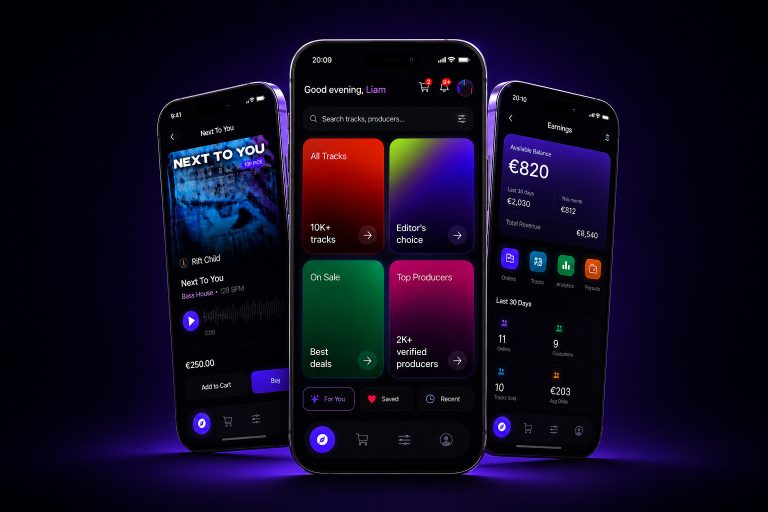
That is why professional buyers look for more than a good demo. They want exclusivity, verified production quality, stems, project files, and a rights transfer structure that supports immediate commercial use. Platforms such as The Ghost Production are built around that standard because buyers are not just purchasing music – they are purchasing release certainty.
So, can producers sell song rights? Absolutely. But the real question is whether they can sell them cleanly, exclusively, and with enough contractual clarity to protect the release after launch. If you are buying or selling in this market, that is the standard worth insisting on.
My Career makes videos from your own track and posts them for you, pitches your release to 34,000+ labels, playlists, radio stations, YouTube channels and blogs, puts it in every store and briefs you every morning. Free plan, no card, two minutes to set up.