Key takeaways
- Track pressure matters more than BPM when shaping a DJ set.
- Phrase patience makes transitions feel intentional instead of rushed.
- Clean low-end swaps usually beat big effects for real lift.
- Custom edits can repair weak intros, long breakdowns, and bad exits.
- Headroom and contrast make peaks feel larger than constant loudness.
- Recorded mixes reveal energy problems that booth memory misses.
Build energy was the note I wrote after a Friday warm-up where the room stayed polite for twenty minutes too long. I had good records. That was not the problem. The problem was sequence, pressure, and a few impatient EQ moves.
The phrase build energy sounds obvious until a floor is half-full, the booth monitor is lying, and the next track looks perfect in Rekordbox but lands flat on a real system. I spent the next stretch testing small changes on CDJ-3000s, a Pioneer DDJ-FLX10 at home, and a few custom edits bounced from Ableton Live 12. These are the habits that kept showing up. Not big slogans. Mostly boring decisions made at the right bar.
1. I stopped trying to build energy every record
The first fix was restraint. I used to treat every transition like it needed to climb. New bassline, bigger hat loop, brighter vocal, more filter. After thirty minutes, the set had nowhere to go.
Now I mark records by pressure, not just BPM or key. A 126 BPM tech house cut with a tight mono kick can feel heavier than a 130 BPM track with a soft low end. That changed how I tried to build energy. Some records hold tension. Some release it. Some just reset the ears.
The pressure tags I actually used
In Rekordbox, I used color tags for three jobs: hold, lift, and release. Hold tracks kept the groove steady. Lift tracks added percussion, vocal urgency, or bass movement. Release tracks opened the stereo field or gave the room a hook.
I did not rate tracks by stars. Stars made me lazy. A five-star record at the wrong moment still kills the arc.
The notebook test
I played 45 minutes at home and wrote one word after each transition: flatter, tighter, hotter, or tired. That ugly little test told me more than staring at waveforms. When three tracks in a row got tired, I knew I was forcing lift instead of letting contrast build energy.
- Tag tracks by pressure, not only BPM.
- Save peak tracks until the room has earned them.
- Use reset records before the floor gets numb.
- Treat a darker groove as energy, not a lack of it.
2. Four-bar impatience kept costing me
The second habit came from listening back to a messy phone recording. I was mixing out four bars too early. The outgoing track had not finished its sentence, and the incoming track had not made its point.
Most club records still speak in 4, 8, 16, and 32-bar blocks. If I want to build energy, I need to respect that grammar. Breaking it can work, but it sounds deliberate only when the rest of the set is tight.
How to build energy with phrase patience
On CDJ-3000s, I started setting memory cues at the first clean mix-in, the first bass change, and the first real drop. Not the first interesting sound. The first useful sound.
At home, I mapped the same idea on the DDJ-FLX10 and forced myself to wait through full 16-bar sections. It felt slow in headphones. In the room, it gave the floor time to understand the change.
The eight-bar rule I kept
If a new element arrives every eight bars, I usually leave it alone. If nothing changes for sixteen bars, I create movement with a low-pass nudge, a tiny echo throw, or a loop shortened from 8 bars to 4. I avoid doing all three. That is how a clean mix turns into soup.
- Set memory cues on musical events, not random waveform peaks.
- Count 16-bar blocks during prep until it becomes automatic.
- Use 4-bar loops for pressure, not as a panic button.
- Let the outgoing track finish its hook before cutting it.
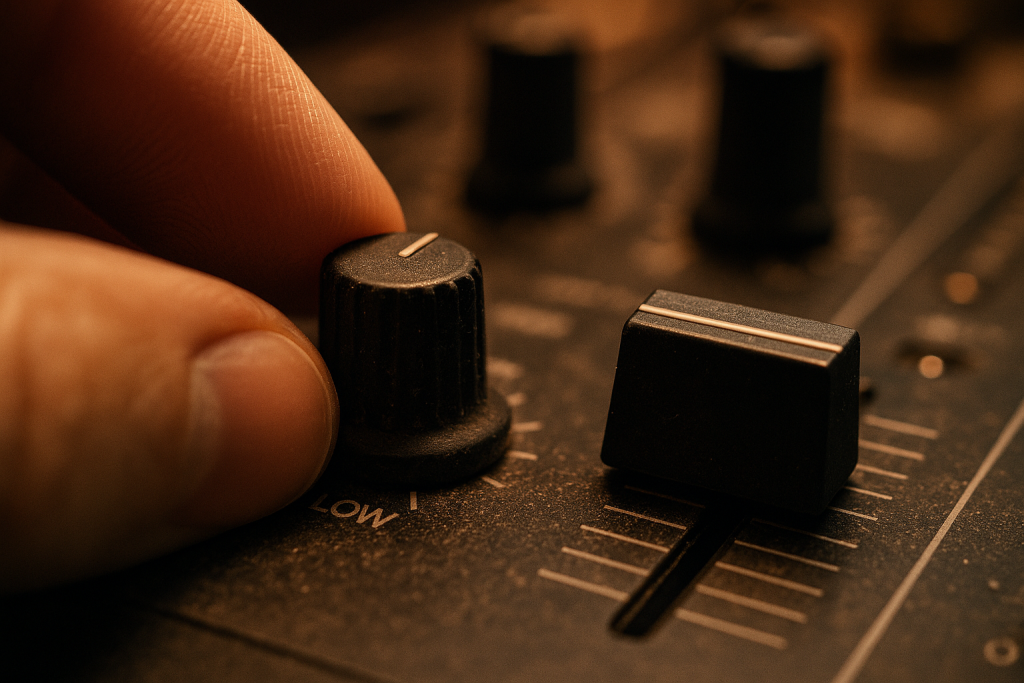
3. Low end swaps did more than big effects
I used to reach for filter sweeps when the floor needed lift. The better move was usually a cleaner low end handover. If two kicks fight between 60 and 110 Hz, no amount of echo makes the transition feel bigger.
The best way I found to build energy was boring: keep one real low end at a time, then make the swap feel intentional. The room hears that before it hears your clever delay send.
My practical EQ move
On a DJM-style mixer, I usually cut the incoming track’s low EQ fully while it enters, then bring it up over 4 or 8 bars as the outgoing low drops. If the outgoing track has a long sub tail, I wait. Rushing that swap makes the system blur.
In Ableton Live 12, when I built edits for a short artist set, I carved a little at 220 Hz with FabFilter Pro-Q 4 on one bass layer. That cleaned the low-mid push without thinning the kick.
Sidechain thinking in the booth
Sidechain ducking is a production trick, but the idea helps DJing too. Something has to move out of the way. When I treat EQ like manual sidechain control, the set breathes better. That is not flashy, but it does build energy without raising volume.
- Only one full kick-and-bass section should own the subs.
- Cut low mids around 180 to 250 Hz in custom edits when needed.
- Avoid boosting bass to create excitement.
- Check transitions on small speakers and headphones before trusting them.
4. Tempo jumps worked when the drums explained them
I had one set where a 124 to 128 BPM climb felt smooth, and another where 126 to 127 felt clumsy. The difference was not the number. It was the drum language.
If I want to build energy with tempo, I listen for hats, swing, and kick length before I look at BPM. A shuffled groove can make a small jump feel drunk. A tight 909-style pattern can carry a bigger change.
Where I hid the speed change
I had the best results moving tempo during breakdowns, percussion-only intros, or vocal sections without a strong kick. On CDJ-3000s, a slow pitch move over 16 bars rarely bothered anyone. A sudden shove during a full bass groove did.
Master Tempo helped, but I still heard artifacts on some vocals when I pushed too far. My rough comfort zone was 2 percent either way unless the track was already percussive and forgiving.
The track-order trick
I grouped tracks by drum density. Sparse, rolling, busy, then peak. That order let me build energy without making the tempo map look like a staircase. The room felt motion even when the BPM stayed almost flat.
- Move tempo during breakdowns or percussion sections.
- Keep vocal pitch shifts small unless you tested them.
- Use drum density as a lift tool before BPM.
- Avoid jumping from swung grooves into rigid drums too quickly.
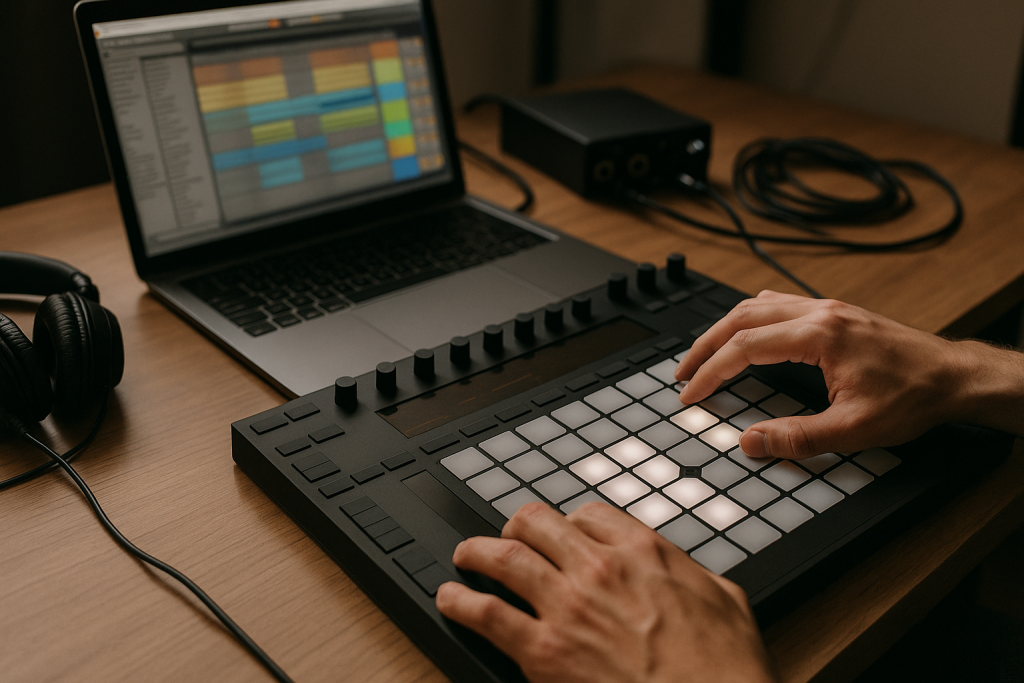
5. Custom edits saved the awkward middle
The awkward middle of a set is where decent tracks expose their arrangement problems. A record has a great drop but a dull two-minute intro. Another has a vocal that works once, then overstays.
This is where custom edits helped me build energy with less booth gymnastics. I made 32-bar intro edits, removed second breakdowns, and printed short drum tools that matched the artist’s sound. I have not tested the same workflow on Logic 11 yet, but in Live 12 it was fast enough to use during a weekly prep block.
The edit I kept making
My most common edit was simple: 16 bars of drums, 16 bars with a bass hint, then the original arrangement. No extra riser. No huge snare build. Just a clean runway.
For vocal-heavy tracks, I cut the second breakdown down to 8 bars or replaced it with a filtered drum loop from the intro. That kept the identity but removed the dead air.
Why artists should care
If you are an artist planning a DJ set around your own music, a finished streaming master is not always the best performance version. A club edit can build energy better because it gives you playable sections: clean intros, tighter drops, and exits that do not fight the next record.
When I prepared records for The Ghost Production sessions, the useful question was not only whether the track sounded finished. It was whether a DJ could mix it under pressure at 1:20 a.m.
- Make 32-bar intro versions for tracks with weak mix-in points.
- Shorten second breakdowns if the floor keeps cooling off.
- Print drum-only outro edits for hard-to-exit records.
- Keep edits subtle enough that the original track still feels intact.
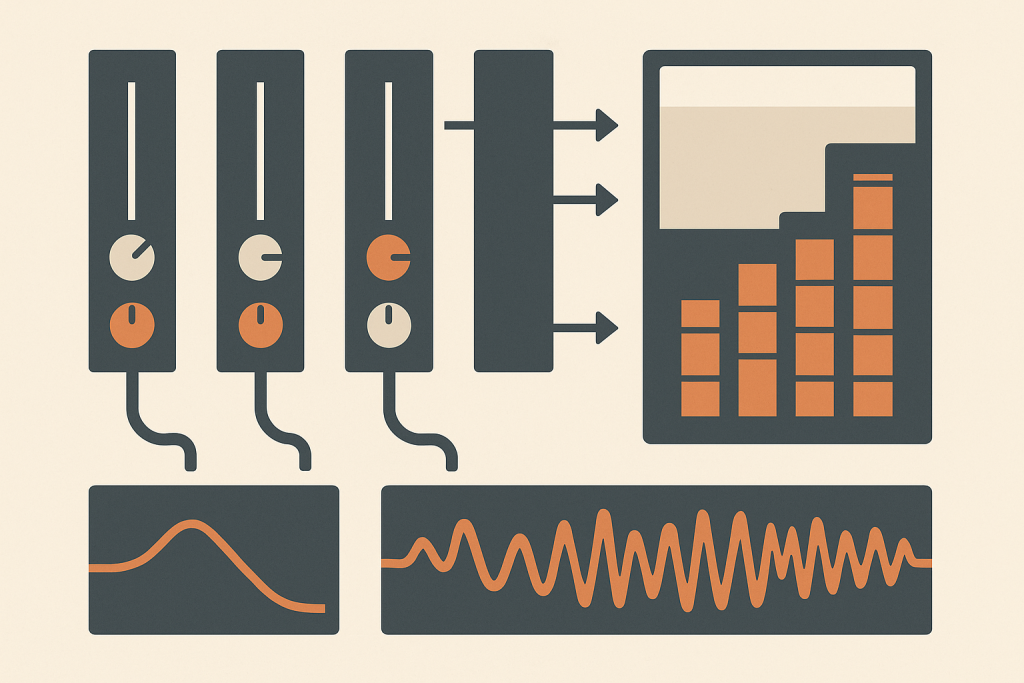
6. The loudest record was rarely the strongest
This one annoyed me because I already knew it from production. Louder feels better for about ten seconds. Then the set gets flat, the mixer meters stay pinned, and there is no spare headroom for the actual peak.
To build energy, I had to stop treating gain as excitement. I aimed for around -6 dB headroom while prepping edits, then matched by ear in the booth instead of trusting every waveform. The strongest moments came from contrast, not constant red lights.
My gain-staging check
In the studio, I ran edits through Youlean Loudness Meter and checked that they were not wildly louder than my reference folders. On the mixer, I kept channel trims boring. If the next track needed a big gain push to feel alive, I usually picked the wrong next track.
Soothe2 helped on a few harsh vocal edits around 3 to 5 kHz, but I did not use it to make dull tracks exciting. That never lasts on a club system.
How silence helped build energy
A half-bar drop, a clean bass mute, or a vocal left exposed for two beats can build energy harder than another riser. I used to be scared of those gaps. Then I heard how the room leaned in when the gap was placed before a phrase change.
- Leave headroom in custom edits and DJ tools.
- Match perceived loudness, not waveform size.
- Use short mutes before phrase changes.
- Do not let every track hit like the final record.
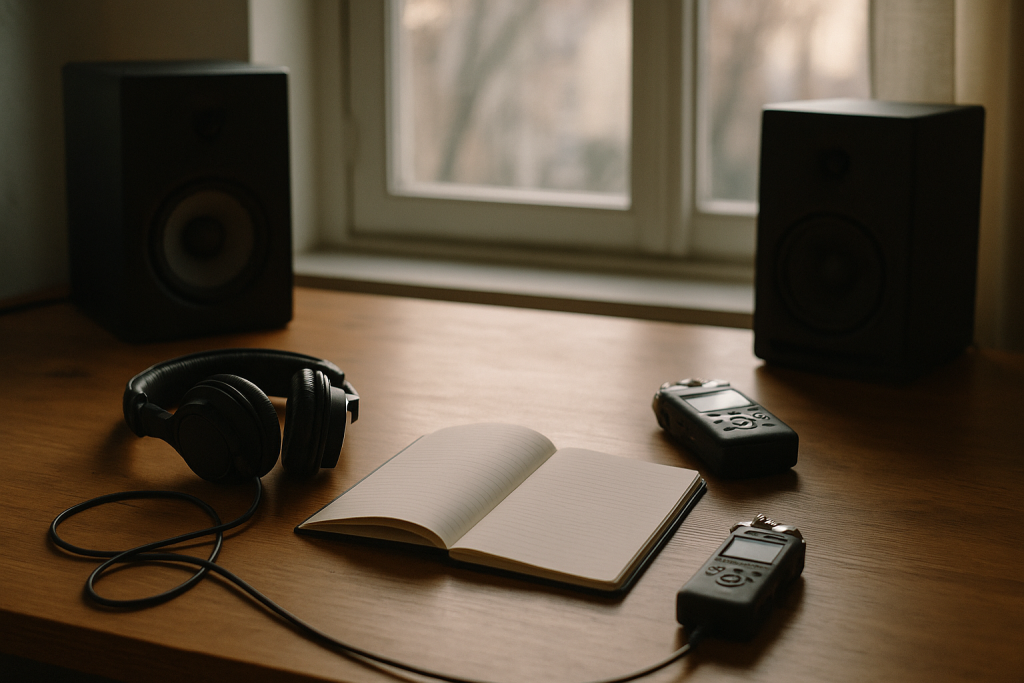
7. I listened back like a producer, not a fan
The most useful habit was recording sets and listening the next morning while doing something boring. Coffee, notes, no ego. The weak spots were obvious when I was not performing.
If I want to build energy consistently, I need evidence. Crowd memory lies. Booth adrenaline lies harder. A recorded mix tells me where the arc sagged, where I stacked too many vocals, and where the best record arrived too early.
The marks in my session log
I marked timecodes with plain labels: good lift, bad key clash, early peak, dead breakdown, rough bass swap. Then I fixed one thing before the next set. Not ten things. One.
That kept the process useful. A DJ set is too moving a target for giant self-improvement plans. One repaired habit per week actually sticks.
The small reference folder
I kept five reference mixes on my phone: one warm-up, one peak-time club set, one radio-style hour, one festival-style arc, and one stripped-down underground mix. When my own set felt confused, I compared structure, not taste.
The question was simple: where did they build energy, and where did they hold back?
- Record every serious practice mix.
- Mark timecodes instead of writing vague notes.
- Fix one recurring mistake per week.
- Compare structure against reference sets, not track selection alone.
| Move | Best Moment | Risk | Tool Or Cue |
|---|---|---|---|
| Low-end swap | Entering a stronger groove | Kick and bass smear | Mixer low EQ, 4 or 8 bars |
| Phrase delay | When the room needs patience | Feels slow in headphones | Memory cues on CDJ-3000 |
| Tempo creep | Breakdowns or percussion sections | Vocal artifacts | Pitch fader, Master Tempo tested |
| Custom intro edit | Tracks with weak mix points | Over-editing the song | Ableton Live 12 arrangement view |
| Short mute | Before a drop or hook | Sounds gimmicky if repeated | Channel fader or EQ kill |
Further reading
- CDJ-3000 overview — Pioneer DJ's official product page is the authoritative source for CDJ-3000 performance features and workflow details.
- Ableton warping manual — Ableton's official Live 12 manual gives reliable detail on warping audio for edits, tempo work, and DJ tools.
Frequently asked questions
How do you build energy in a DJ set without just playing faster tracks?
I use drum density, phrase timing, cleaner low-end swaps, and contrast before BPM. A 126 BPM record with tighter percussion can lift harder than a rushed 130 BPM jump. Faster helps only when the rhythm and arrangement explain the change.
What is the biggest mistake when trying to build energy?
Peaking too early. I have done it plenty. If every transition gets brighter, louder, and busier, the set loses shape. I now save the obvious weapons and use hold records so the peak has somewhere to land.
Should I use effects to make a DJ set more exciting?
Use effects lightly. A short echo throw or filter move can help a phrase turn, but effects will not fix bad track order. I trust EQ, timing, and arrangement first. Effects come after the groove already works.
How many BPM should a DJ set increase?
There is no fixed number I trust. For house and tech house, I often move 2 to 4 BPM across a set, sometimes less. The better question is whether the drums, swing, and crowd energy support the change.
Do custom edits help with DJ set energy?
Yes, when the edit solves a real mixing problem. A 32-bar intro, shorter breakdown, or drum-only outro can make a track easier to place. I avoid flashy edits that add clutter without improving the set arc.
How can bedroom DJs practise energy control?
Record 30 to 45 minute mixes and mark timecodes the next day. Listen for early peaks, flat sections, rough bass swaps, and vocals stacked on vocals. Fix one repeated issue before recording the next mix.
Conclusion
The pattern I kept finding was simple: build energy by removing panic from the set. Cleaner phrases. Fewer low-end fights. Better edits. Less gain. More patience than feels comfortable in headphones.
I still like risky transitions, and I still mess up the timing when a room changes fast. But the reliable lifts came from preparation and small decisions, not heroic booth moves. Pick one habit from these notes, record a 30-minute mix, and mark the exact bar where the set starts to move. Try that in your next session, then fix the weakest eight bars before you add anything louder.
Build energy — Quick Recap
The fastest way to lock in build energy is to internalise the workflow above and repeat it on every project. Start small: pick one technique from this build energy guide, apply it to your next session, and audit the result against a reference track.
- Track pressure matters more than BPM when shaping a DJ set.
- Phrase patience makes transitions feel intentional instead of rushed.
- Clean low-end swaps usually beat big effects for real lift.
- Custom edits can repair weak intros, long breakdowns, and bad exits.
Treat build energy as a habit, not a one-off — the producers who consistently nail build energy are the ones who run the same checks on every track. That’s the difference between a clean, club-ready master and a track that sounds great at home but falls apart on a real system.
In a real studio session, build energy comes down to the order in which you make decisions: reference first, gain stage second, then the creative work. Producers who treat build energy as a checklist instead of a vibe end up shipping more tracks.
My Career makes videos from your own track and posts them for you, pitches your release to 34,000+ labels, playlists, radio stations, YouTube channels and blogs, puts it in every store and briefs you every morning. Free plan, no card, two minutes to set up.