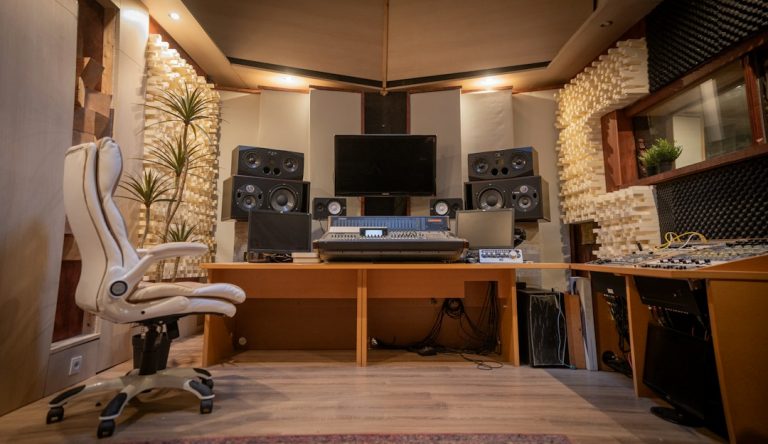
Key takeaways
- Afro house and melodic techno are the strongest starting lanes for many new artists in 2026.
- Tech house still works, but only when the kick, bass, and hook are clean immediately.
- Ableton Live 12, Serum 2, Kick 3, Pro-Q 4, Soothe2, Ozone, Rekordbox, and CDJ-3000 cover most practical release workflows.
- Reference tracks and DJ testing reveal arrangement problems faster than endless solo listening.
- Ghost production suits speed and club function, while custom production suits vocals, branding, and long-term artist identity.
The best edm genres for 2026 are not just the loudest styles on festival lineups, they are the lanes where a new producer can finish strong tracks, test them in DJ sets, and release with a clear identity.
If you are new to production, think of genre like picking the right vehicle before a long drive. A tech house track is a small, sharp hatchback built for tight corners. Melodic techno is a night train with a long view. Afro house is a warm road trip where rhythm does the steering. The best edm genres decision gets easier when you pair each lane with the right tools: Ableton Live 12 for arranging, Serum 2 for synths, Kick 3 for drums, CDJ-3000 for DJ testing, and Pro-Q 4 for cleanup before release.
Best EDM Genres for 2026: The Release Map
Choosing between genres is like choosing a stall at a busy food market. You do not need to cook every dish. You need one clear menu, a good smell from ten meters away, and a queue that makes sense for your budget.
For 2026, the best edm genres for aspiring DJs and bedroom producers sit in five practical lanes: Afro house, melodic techno, tech house, drum and bass crossover, and trance-influenced progressive house. I would not start with big-room festival EDM unless you already have strong toplines and huge sound design. That lane is expensive to make sound convincing.
How to Hear the Best EDM Genres Before You Produce
A genre is a set of repeatable musical habits: tempo, drum pattern, bass movement, sound palette, arrangement length, and energy curve. Tempo means beats per minute, usually written as BPM. A track at 124 BPM feels more relaxed than one at 174 BPM, even if both are loud.
Listen with a notebook, not just headphones. Write down the tempo, the first drop time, how often the bass changes, and whether the vocal is a full song or just a hook. The best edm genres for you are the ones where you can copy the structure honestly, then add your own sound without forcing it.
My 2026 Ranking for New Releases
If I were building a fresh artist project from zero, I would start with Afro house or melodic techno. Both give you room to sound musical without needing a giant pop vocal. Tech house is still useful, but only if your drums hit clean and your hook is rude in the first 32 bars.
- Afro house: 120 to 124 BPM, percussion-led, warm chords, short vocal chants.
- Melodic techno: 124 to 128 BPM, arps, long tension, darker kick and bass.
- Tech house: 126 to 130 BPM, dry drums, one sticky bass riff, fast DJ impact.
- Drum and bass crossover: 172 to 174 BPM, singer-friendly hooks, punchy drums.
- Progressive trance-house: 126 to 132 BPM, emotional lead lines, clean breakdowns.
- Pick one main genre for three releases before switching lanes.
- Use reference tracks, which are finished songs you compare against while producing.
- Keep -6 dB headroom on the master channel before mastering.
- Test every arrangement in 4-bar and 8-bar phrase blocks.
- Avoid chasing a genre you cannot finish in under four weeks.

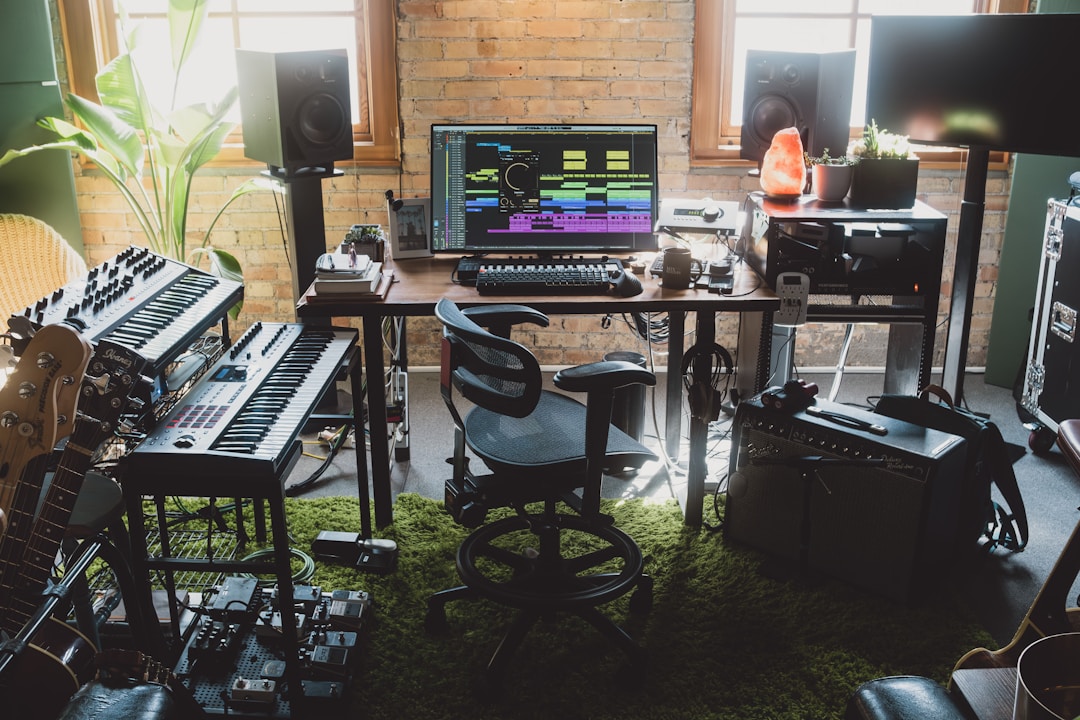
Tool 1: Ableton Live 12 for Afro House and Organic Grooves
Ableton Live 12 is the kitchen prep bench here. You lay out drums, chords, vocals, and bass where you can reach them quickly, then build the meal in order instead of throwing everything into one pan.
A DAW, or digital audio workstation, is the main software used to record, arrange, edit, and mix music. Ableton is strong for Afro house because its Session View lets you loop percussion ideas before committing to a full arrangement. For the best edm genres that rely on groove, that loop-first thinking matters.
Afro House Starts With Percussion, Not a Drop
Start at 122 BPM. Put a kick on every beat, then add shakers, rim clicks, congas, and a low tom pattern. Keep each part simple. The groove should feel like five people walking together, not one person sprinting.
MIDI, short for Musical Instrument Digital Interface, is note information that tells software instruments what to play. Use Ableton Push 3 to finger-drum a two-bar percussion loop, then quantise lightly. Quantise means snapping notes toward the grid. Set it to 50 percent instead of 100 percent so the groove keeps some human lean.
The Ableton Chain I Would Use
For Afro house in 2026, I would build a drum rack with Ableton Drum Rack, Native Instruments Battery 4, and a small room reverb on sends. Sends are shared effect channels, useful when you want several sounds to use the same reverb without wasting CPU.
Cut the low-mid clutter around 220 Hz on hand percussion with FabFilter Pro-Q 4. Do not scoop everything. EQ, or equalisation, is traffic control for frequencies. The kick and bass need the main road below 120 Hz, while shakers and claps can live higher up.
- Session View for trying percussion loops fast.
- Push 3 pads for natural timing and velocity changes.
- Battery 4 for layered shakers, rims, and congas.
- Pro-Q 4 high-pass filters on percussion that does not need sub weight.
- Return-track reverb for a shared room around the groove.
Tool 2: Serum 2 and Pigments for Melodic Techno
Synth programming is like shaping clay under a lamp. The raw lump is not impressive. The form appears when you push, carve, and smooth it in the right places.
Melodic techno remains one of the best edm genres for producers who like mood, harmony, and controlled tension. A synth is an instrument that generates sound electronically. Serum 2 and Arturia Pigments are strong choices because they show you the movement inside the sound, not just a wall of knobs.
Build One Lead That Can Carry Eight Bars
Open Serum 2 and start with a saw wave. An oscillator is the part of a synth that creates the basic tone. Add a low-pass filter, which removes high frequencies, then automate the cutoff so the sound opens during the build.
Keep the melody short. Four notes can work if the rhythm is right. For a beginner, this is better than writing a 16-note line that fights the bass. The best edm genres for 2026 reward recognisable motifs, which are small musical ideas that return throughout the track.
Use Pigments for Atmosphere, Not Clutter
Arturia Pigments is excellent for pads and soft pulses. A pad is a sustained chord sound that fills space behind the main elements. Use one pad, not six. Put a high-pass filter at 180 Hz so it does not sit on the bass.
Sidechain ducking helps here. Sidechain means one sound controls the volume movement of another. Think of it like a conversation: when the kick speaks, the pad steps back for a moment. Use Ableton Compressor or Cableguys ShaperBox 3 for a 1/4-note pulse, then adjust until it breathes without wobbling like a broken fan.
- Serum 2 for leads, plucks, and bass movement.
- Pigments for pads, drones, and evolving textures.
- 1/4-note sidechain ducking for kick space.
- Low-pass automation to create tension before the drop.
- One memorable motif instead of busy melody writing.

Tool 3: Kick 3, Battery 4 and Tech House Drum Weight
Tech house drums are the foundation slab of a small building. If the concrete is uneven, every wall above it looks wrong, even if the paint is expensive.
Tech house is still among the best edm genres for DJs who want fast club feedback. The catch is brutal: weak drums get exposed in seconds. Sonic Academy Kick 3 lets you tune and shape the kick precisely. Battery 4 gives you clean one-shots, which are single drum samples triggered as individual hits.
Tune the Kick Before You Touch the Bass
Set the project around 128 BPM. In Kick 3, choose a punchy attack, then tune the tail to the root note of your bassline. The root note is the main note the track feels centred around. If the bass riff is in F, try tuning the kick tail near F or a related note.
Do not chase a huge 808-style tail for tech house. Use a short kick with weight around 50 to 60 Hz and keep the tail controlled. Leave space for the bass to answer. That push-and-answer pattern is why the genre works on a proper system.
Make the Bass Riff Annoyingly Clear
A strong tech house bassline is usually simple enough to hum after one listen. Use Serum 2 or u-he Diva for a short, dry bass. Roll off unnecessary top end above 5 kHz if it clicks too much, then cut a little at 250 Hz if it clouds the kick.
Compression is an automatic volume rider. It turns loud moments down and can make a part feel more even. Use parallel compression on drums by blending a smashed drum bus under the clean drums. Parallel means the processed signal runs beside the original instead of replacing it.
- Kick 3 for tuning the low-end tail.
- Battery 4 for claps, hats, rims, and snare layers.
- Parallel compression for thicker drums without killing transients.
- A bass riff that works before effects are added.
- Short breakdowns, because tech house DJs need momentum.
Tool 4: CDJ-3000 and Rekordbox for DJ-Tested Arrangements
An arrangement is like a runway. The plane can be powerful, but it still needs enough road to take off, land, and make sense to the tower.
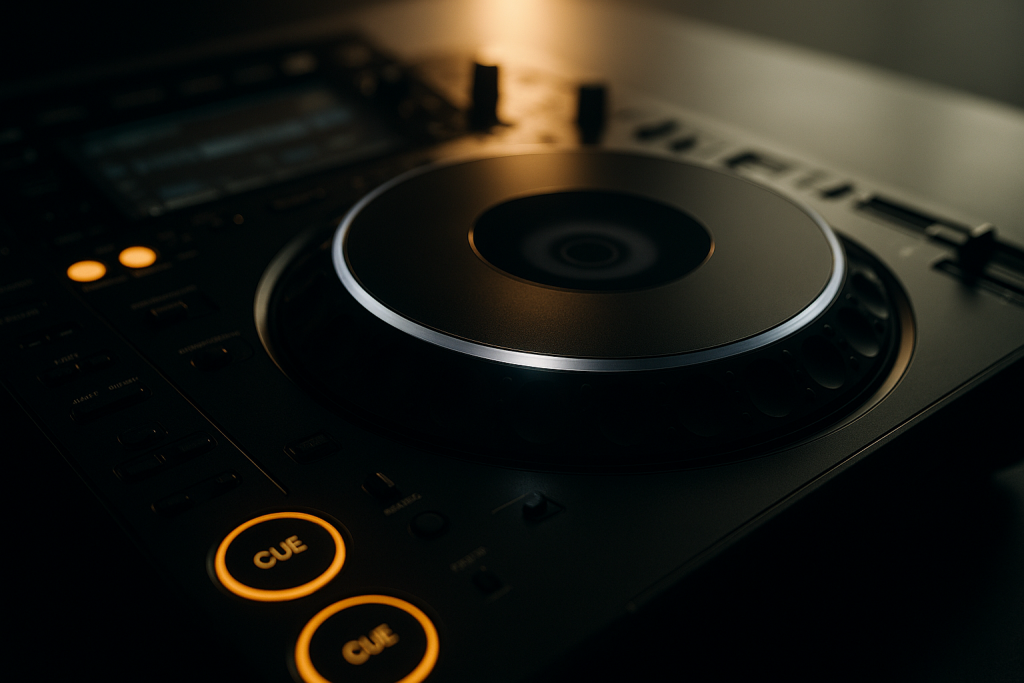
Arrangement means the order of sections in a track: intro, build, drop, breakdown, second drop, and outro. The best edm genres for release in 2026 need DJ-friendly layouts, even when the track is aimed at streaming. Pioneer CDJ-3000 players and Rekordbox help you test that layout like a DJ would, not like a tired producer looping the same eight bars.
Export Rough Versions Before the Mix Is Perfect
Print a rough WAV when the track is 70 percent arranged. Load it into Rekordbox, set beatgrids, then mix it against three reference tracks. Beatgrids are timing markers that help DJ software understand the tempo and bar positions.
If your intro takes too long to show the groove, cut it. If the drop feels late, remove 8 bars from the build. New producers often protect weak sections because they spent hours making them. A CDJ-3000 test is cold, useful feedback.
Phrase Lengths That Actually Work
Most club music thinks in 4-bar and 8-bar phrases. A phrase is a small block of musical time, like a sentence in a paragraph. DJs mix by lining up those sentences so the next track enters cleanly.
For Afro house, give the intro 16 to 32 bars with percussion arriving in layers. For melodic techno, 32 bars can work if tension grows. For tech house, get to the hook faster. The best edm genres differ in patience, so arrangement length should follow the lane, not a template you downloaded once.
- Test rough exports in Rekordbox before final mixing.
- Use CDJ-3000 cue points to mark drop, break, and outro.
- Check whether the first hook arrives before listener attention fades.
- Keep DJ intros functional, not empty.
- Trim 8 bars when a section only exists because you like the sound.
Tool 5: Pro-Q 4, Soothe2 and Ozone for Cleaner Masters
The final mix is like cleaning a shop window before opening. You are not changing what the store sells. You are removing the smears that stop people seeing it clearly.
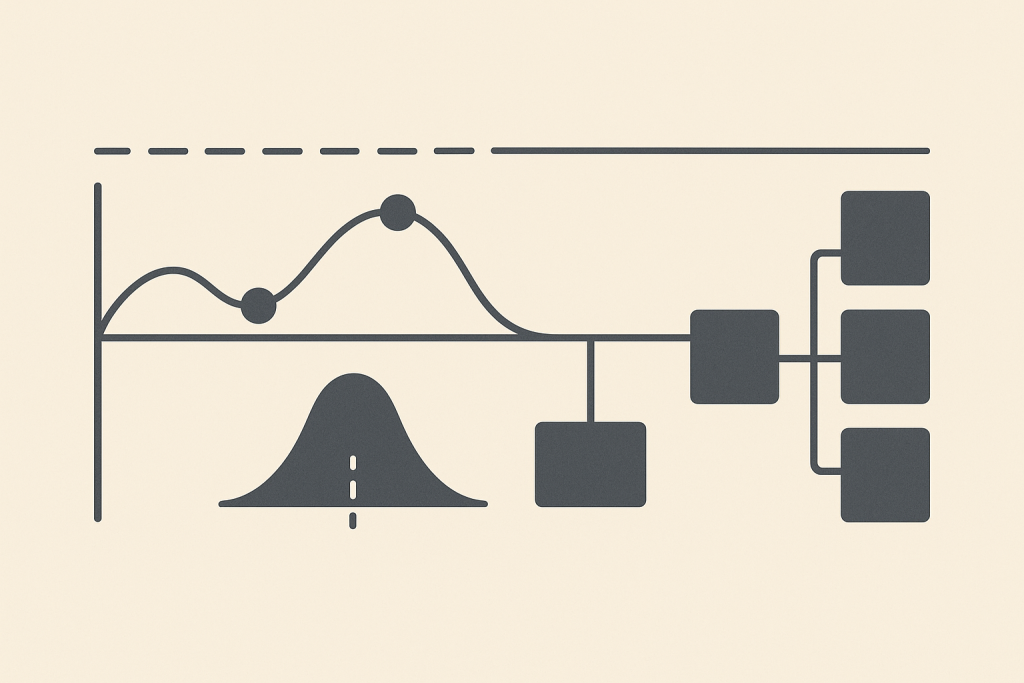
Mixing means balancing the separate sounds in a track. Mastering means preparing the final stereo file for release so it plays at a competitive level without breaking apart. For the best edm genres we have covered, FabFilter Pro-Q 4, oeksound Soothe2, and iZotope Ozone are a sensible finishing chain.
Fix Problems Before Making It Loud
Start with gain staging. Gain staging means setting levels so each part has enough room and nothing clips. Keep the master peaking around -6 dB before mastering. If the master is already red, turn the channels down. Do not put a limiter on and pretend it is solved.
Use Pro-Q 4 for surgical EQ. Cut mud around 200 to 350 Hz only when you hear it. Use mid/side EQ if the wide pads are clouding the centre. Mid/side EQ lets you process the middle and the stereo sides separately.
Tame Harshness Without Killing Energy
Soothe2 is useful when vocals, synth leads, or bright hats stab at the ear around 2.5 to 6 kHz. Set it gently. If you push it too hard, the track starts sounding polite, and polite is not the goal for club music.
In Ozone, use the limiter last. A limiter is a ceiling that stops peaks going above a chosen level. For streaming, chasing maximum loudness is a bad trade. I would rather have a clean master at -8 LUFS than a crushed one at -5 LUFS. LUFS is a loudness measurement that roughly matches how humans hear level.
- Pro-Q 4 for precise cuts and mid/side cleanup.
- Soothe2 for harsh vocals, hats, and resonant synths.
- Ozone limiter last, after balance and EQ decisions.
- -6 dB master headroom before the mastering chain.
- Reference against released tracks at matched volume.
Drum and Bass, Trance and the 2026 Crossover Lane
Crossover genres are like train stations where several lines meet. The busy platform is useful, but only if you know which train your listener came for.
Drum and bass crossover and trance-influenced progressive house deserve attention because they connect older club habits with newer streaming behaviour. They may not be the safest best edm genres for a first release, but they can work when the songwriting is clear.
Drum and Bass Needs Songwriting Discipline
Drum and bass runs fast, usually around 172 to 174 BPM. At that speed, messy production becomes tiring quickly. Use XLN Audio Addictive Drums 2 for break layers, then tighten with transient shaping. A transient is the first sharp hit of a sound, like the crack at the front of a snare.
If you add a vocal, leave space. Do not fill every gap with fills, risers, and reverse cymbals. The best edm genres for crossover listeners usually have one thing they can sing or remember after the first play.
Trance Energy Works When the Lead Is Earned
Trance-influenced progressive house is not about copying old supersaws for nostalgia. A supersaw is a wide stack of saw waves detuned against each other. Use it only after the chord progression has earned that size.
Try a 16-bar breakdown with a simple piano or pluck, then bring in the lead through filter automation. Keep the kick clean when the drop returns. If the low end vanishes under reverb, the emotional payoff will feel smaller than the build promised.
- Use fewer fills in drum and bass than your first instinct suggests.
- Keep crossover vocals dry enough to understand.
- Build trance leads from chords, not preset browsing.
- Check low-end impact after every big breakdown.
- Do not release crossover records unless the hook survives on piano.
Choosing Ghost Production or Custom Production by Genre
Choosing production help is like choosing between a finished jacket and a tailor. A finished jacket is fast if the fit is close. A tailor takes longer, but the shoulders sit exactly where they should.
Ghost production means buying or commissioning a finished track that can be released under your artist name, depending on the agreement. Custom music production means a producer builds music around your brief, references, vocal, brand, or DJ direction. The best edm genres decision should shape which route you choose.
Where Ready-Made Tracks Make Sense
Ready-made tracks can work well for tech house, Afro house, and some melodic techno because those lanes often depend on groove, arrangement, and mix quality more than a personal vocal story. You still need to check key, tempo, stems, and license terms. Stems are grouped audio files, such as drums, bass, music, and vocals, that allow edits later.
If you are an aspiring DJ with gigs coming up, a finished club tool can help you test your artist sound faster than spending six months learning every compressor.
Where Custom Music Production Is Smarter
Custom production is the better call when the track needs your voice, a specific topline, or a signature sound across multiple releases. For drum and bass crossover or trance-progressive records, I would lean custom because the hook and arrangement need tighter identity.
Bring three reference tracks, but do not ask for a clone. Say what you like in plain terms: the kick weight from one, the vocal space from another, the breakdown length from a third. That gives the producer a usable map without trapping the track in imitation.
- Use ready-made tracks when speed and club function matter most.
- Use custom production when vocals, branding, or a series of releases matter.
- Ask for stems if you plan to edit DJ intros or breakdowns.
- Match the production route to the genre, not just the price.
- Keep references specific: tempo, drum feel, bass tone, and arrangement.
| Genre Lane | Best Tools | Release Angle | Watch Out |
|---|---|---|---|
| Afro house | Ableton Live 12, Push 3, Battery 4, Pro-Q 4 | Warm percussion, short vocal chants, DJ-friendly groove | Too many percussion layers can blur the pocket |
| Melodic techno | Serum 2, Pigments, ShaperBox 3, Soothe2 | Memorable motifs, slow tension, darker club energy | Long breakdowns need movement every 4 or 8 bars |
| Tech house | Kick 3, Battery 4, Serum 2, CDJ-3000 | Fast hook, clean drums, strong club testing | Weak kick and bass will fail on large systems |
| Drum and bass crossover | Addictive Drums 2, Pro-Q 4, Ozone, Ableton Live 12 | High-energy vocal records with streaming reach | Overfilled arrangements get tiring at 174 BPM |
| Progressive trance-house | Pigments, Serum 2, Ozone, Rekordbox | Emotional leads, clean breakdowns, wide festival feel | Big reverbs can swallow the low end |
Further reading
- Ableton Live features — Official Ableton source for Live 12 features and workflow details.
- CDJ-3000 overview — Official Pioneer DJ product page for CDJ-3000 club player specifications.
Frequently asked questions
What are the best edm genres to release in 2026?
Afro house, melodic techno, tech house, drum and bass crossover, and trance-influenced progressive house are the strongest practical lanes. For a new producer, Afro house and melodic techno offer the best balance of musical identity, achievable production standards, and release flexibility.
Which EDM genre is easiest for a beginner producer?
Tech house is easiest to understand structurally, but not always easiest to mix. Afro house can be more forgiving if you have good rhythm and tasteful sounds. Start with 122 to 128 BPM, use three reference tracks, and finish a simple arrangement before chasing advanced sound design.
Do I need expensive gear to release EDM in 2026?
No. A laptop, a DAW like Ableton Live 12 or FL Studio, decent headphones, and a few reliable plugins are enough to finish releases. Expensive gear helps workflow, not taste. Spend time learning gain staging, arrangement, EQ, and reference checking before buying more hardware.
Is ghost production suitable for new DJs?
Yes, if the licensing terms are clear and the track fits your DJ identity. Ghost production can help new DJs release faster and test a sound in public. It works best when you still understand the genre basics, so you can choose tracks that match your sets.
Should I choose custom music production instead of a ready-made track?
Choose custom music production when you need a vocal, a branded sound, or several tracks that feel connected. Ready-made tracks are better when speed matters and the record already fits your DJ direction. For crossover drum and bass or emotional progressive tracks, custom usually gives better identity.
How do I know if my EDM track is ready for release?
Test it beside three released references at matched volume. Check the intro, drop timing, low-end clarity, and master headroom. If it still works in Rekordbox or on a CDJ-style layout, and nothing painful jumps out on headphones or monitors, it is close.
Conclusion
The best edm genres for 2026 are the ones you can finish, test, and stand behind for more than one upload. Afro house gives beginners a musical groove lane. Melodic techno rewards patience and strong motifs. Tech house is still a sharp DJ weapon when the drums are serious. Drum and bass crossover and trance-progressive styles can work, but they ask for better songwriting and cleaner arrangements.
Do not pick a genre because a chart looked hot for one week. Pick the lane, set the BPM, gather three references, then build a four-week production routine around the tools that fit. Try this in your next session: make a 32-bar loop in one genre only, export it, test it in Rekordbox, and write down what breaks first.
Best edm genres — Quick Recap
The fastest way to lock in best edm genres is to internalise the workflow above and repeat it on every project. Start small: pick one technique from this best edm genres guide, apply it to your next session, and audit the result against a reference track.
- Afro house and melodic techno are the strongest starting lanes for many new artists in 2026.
- Tech house still works, but only when the kick, bass, and hook are clean immediately.
- Ableton Live 12, Serum 2, Kick 3, Pro-Q 4, Soothe2, Ozone, Rekordbox, and CDJ-3000 cover most practical release workflows.
- Reference tracks and DJ testing reveal arrangement problems faster than endless solo listening.
Treat best edm genres as a habit, not a one-off — the producers who consistently nail best edm genres are the ones who run the same checks on every track. That’s the difference between a clean, club-ready master and a track that sounds great at home but falls apart on a real system.
In a real studio session, best edm genres comes down to the order in which you make decisions: reference first, gain stage second, then the creative work. Producers who treat best edm genres as a checklist instead of a vibe end up shipping more tracks.
Most producers and DJs undervalue best edm genres because the wins are invisible until the track plays back on a real system. Bake best edm genres into your template and the next ten projects benefit automatically.
When you struggle with best edm genres, the fix is rarely a new plugin. Loop a problem section, A/B against a reference, and isolate which element is breaking your best edm genres.
Treat best edm genres as a craft, not a chore. The producers releasing on the biggest labels lock best edm genres in early so they can spend their energy on melody and arrangement instead of fighting the mix.
Document your best edm genres process — even a short note in the project file. Future-you will rebuild the same best edm genres win in half the time.
If best edm genres sounds great in headphones but bad in the car, you have a translation problem, not a creative one. The best edm genres tweaks above are designed to survive every system.
Schedule a recurring best edm genres pass on every project: same checklist, same reference tracks. Repeating best edm genres drills is what separates a consistent producer from a lucky one.
Ultimately, best edm genres is a craft you compound. Every project you finish raises the floor of your next attempt at best edm genres, which is why shipping consistently matters more than chasing perfection.
My Career makes videos from your own track and posts them for you, pitches your release to 34,000+ labels, playlists, radio stations, YouTube channels and blogs, puts it in every store and briefs you every morning. Free plan, no card, two minutes to set up.