A release slot opens up in three weeks. Your branding is tight, your promo plan is ready, and the only thing missing is the music. That is exactly where a techno ghost producer one off track makes sense – not as a shortcut, but as a professional production solution when you need a high-quality, exclusive record without losing time in the studio.
For techno artists, labels, and management teams, the real question is not whether outsourcing production is acceptable. It is whether the deal is structured correctly. If you are buying a one-off track, you need clarity on exclusivity, copyright transfer, deliverables, and how closely the production fits your release strategy. Anything less creates risk you do not need.
What a techno ghost producer one off track actually means
A one-off track is a single, finished techno production sold to one buyer only. You are not commissioning an open-ended custom project from scratch. You are purchasing a completed or near-completed track built by a professional ghost producer, then receiving the assets and legal rights needed to release it under your own artist identity.
That distinction matters. A custom order gives you more control from day one, but it usually takes longer and requires more back-and-forth. A one-off track is about speed, efficiency, and immediate release potential. If your priority is filling a release gap with a strong, exclusive record, it is often the cleaner option.
The right setup should include the final master, stems, and project files, plus full copyright transfer and an NDA framework. That package gives you both operational speed and ownership security. You can release the track, edit it, create alternate mixes, or hand it to your mix engineer without chasing the producer for missing files.
Why artists buy one-off techno tracks instead of producing everything themselves
Techno is deceptively demanding. Minimal arrangements leave nowhere to hide. The groove has to be disciplined, the sound design has to carry tension, and the mix has to translate in clubs. Building that level of control from scratch takes time, and for many artists, time is the bottleneck.
Touring DJs often have the audience but not the production hours. Independent producers may be able to sketch strong ideas but struggle to finish records at a professional level. Labels may need a steady flow of releases across multiple substyles and simply cannot wait on unpredictable studio timelines. In each case, a one-off ghost-produced techno track solves a business problem as much as a creative one.
That does not mean every artist should buy every release. If your competitive edge is hands-on production and you have the time to maintain it, then doing more in-house may still be the better choice. But if your priority is consistency, speed to market, and maintaining release quality, one-off ghost production is a practical tool.
The real value is exclusivity, not just convenience
A lot of buyers focus first on the track itself. That is understandable, but the bigger value is exclusivity. If a techno track is sold to multiple buyers, its market value drops immediately. Your release is no longer unique, and the risk to your brand rises with it.
A true one-buyer-only model changes that. Once purchased, the track is removed from sale and cannot be resold. That is the standard serious buyers should expect. It protects your catalog, your reputation, and your ability to build a recognizable sound in a crowded genre.
Exclusivity also matters when labels are involved. If you are pitching a record to an imprint, you do not want uncertainty around ownership or prior sales. Clear proof that the track was sold once, with full rights transferred, keeps the release process clean.
What you should receive from a professional one-off track purchase
The deliverables are where a serious provider separates itself from a casual beat seller. A professional techno one-off track should arrive release-ready, not half-finished. That means the arrangement, mix, and master are already handled to a commercial standard.
You should also receive stems and project files. This is not a minor extra. Stems allow you to rebalance elements for your own set edits, radio versions, or label notes. Project files give your team room to personalize details without rebuilding the track from zero. If you work with a mastering engineer, a mix engineer, or a trusted studio assistant, those files save time immediately.
Full copyright transfer is essential. If the seller is only licensing the music or limiting your usage terms, you are not buying a true ghost-produced release asset. You are renting part of the opportunity while keeping part of the risk. Ownership should be clear, documented, and complete.
Confidentiality matters too. An NDA framework protects both sides and keeps the production relationship private. For many artists, that is not about secrecy for its own sake. It is about controlling brand perception and keeping the focus on the release.
How to evaluate whether the track fits your artist project
The biggest mistake buyers make is choosing based on a quick preview instead of release fit. A strong techno record is not automatically the right record for your brand. Before you buy, check whether the BPM, key, structure, energy curve, and production character match your current catalog and the rooms you play.
If your sets lean hypnotic and functional, a track with huge festival drops may sound impressive but still work against your identity. If your audience expects darker warehouse energy, overly melodic topline elements can weaken the fit. The goal is not just to buy a good track. The goal is to buy a track that sounds like a smart next release from you.
This is why filtering by genre, BPM, and key is useful. It narrows the catalog to tracks you can actually use. Verified producer quality is just as important. In techno, small production details define whether a record feels credible or amateur. The kick-bass relationship, the transient control, the tension in automation, and the restraint in arrangement all matter.
One-off track vs custom ghost production
If you know exactly what you want and need a record built around a very specific reference, custom ghost production may be the better route. It gives you more creative input and can be ideal when you are shaping a precise artist identity or building a label-focused series.
If speed matters most, a one-off track is usually the faster move. The production work is already done, the files are prepared, and the release window stays intact. That makes it especially useful for DJs managing touring schedules, artists trying to maintain monthly output, or labels filling calendar gaps without compromising quality.
There is a trade-off. A custom project offers more precision, while a one-off track offers more immediacy. Neither is automatically better. The right choice depends on how tight your timeline is and how narrowly defined your sound brief needs to be.
What lowers risk when buying a techno ghost producer one off track
Risk drops when the process is clear. You should know who made the track, whether the producer has been verified, what files are included, whether the track is sold exclusively, and how rights are transferred. Ambiguity is the problem, not ghost production itself.
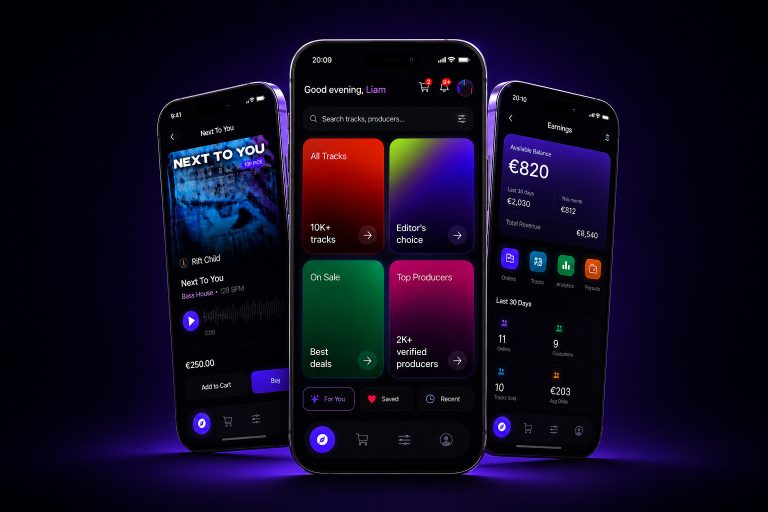
A serious platform reduces that ambiguity by setting standards around producer vetting, file delivery, exclusivity, and payment security. That is why many buyers prefer structured marketplaces over informal direct deals. The process is more predictable, and the deliverables are easier to verify.
The Ghost Production is built around that logic. Verified producers, sold-once exclusivity, full rights transfer, and release-ready files are not marketing extras. They are the conditions that make a one-off track commercially usable.
When a one-off techno track is the smartest move
A one-off purchase makes the most sense when you need a finished release asset now, not six weeks from now. It is also a strong option when your brand is growing faster than your studio capacity, or when you want to keep your release schedule consistent without lowering production standards.
For emerging artists, it can help close the gap between vision and execution. For established DJs, it can keep momentum high while touring takes priority. For labels, it can create reliable output without stretching internal resources. In each case, the value is the same: speed, exclusivity, ownership, and professional polish.
If you are considering this route, judge the offer like a business decision. Check the track fit. Confirm the files. Verify the rights. Make sure the exclusivity is real. A strong one-off techno track should not only sound ready for release. It should arrive with the legal and technical structure to support your next move with zero friction.
The best purchase is not the flashiest track in the catalog. It is the one that fits your brand, protects your ownership, and lets you release with confidence.
My Career makes videos from your own track and posts them for you, pitches your release to 34,000+ labels, playlists, radio stations, YouTube channels and blogs, puts it in every store and briefs you every morning. Free plan, no card, two minutes to set up.