
Techno Production – Professional Techno Tracks
Techno Production: Crafting Professional Techno Tracks
Techno production stands as a pillar in the electronic music landscape, with roots stretching back to the vibrant scenes of Detroit and Berlin. This genre, known for its pulsating rhythms and hypnotic loops, requires a sophisticated understanding of music technology and cultural context. Whether you’re a DJ, producer, or label owner, understanding the nuances of techno is essential for creating professional techno tracks that resonate with audiences. Let’s dive into the essential elements that define techno production and explore how today’s leading artists leverage these techniques to dominate the scene.
The story of techno begins in Detroit during the 1980s, where pioneers like Juan Atkins, Derrick May, and Kevin Saunderson, collectively known as the Belleville Three, laid the groundwork for what would become a global phenomenon. Their innovative approach combined elements of Chicago house, funk, and electronic experimentation to create a distinct sound characterized by machine-like rhythms and futuristic themes.
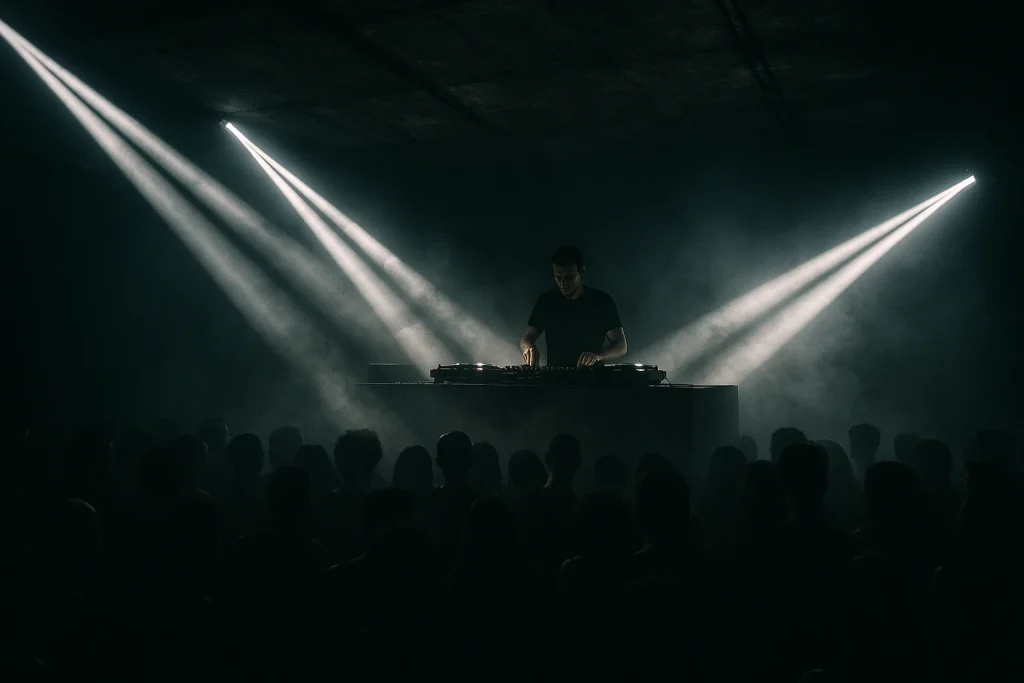
As the genre evolved, Berlin emerged as a crucial hub for techno music in the 1990s, thanks to iconic clubs like Tresor, Berghain, and WMF. These venues played a pivotal role in globalising techno, attracting artists and fans from around the world. Berlin’s open-minded and experimental ethos encouraged the genre’s growth, cementing its status as a cultural landmark.
Understanding the BPM Spectrum in Techno
The tempo of techno can vary significantly, from the minimalistic 120 BPM to the frenetic pace of industrial techno, which often exceeds 145 BPM. This BPM spectrum allows for a vast array of creative expressions within the genre:
- Minimal Techno: Typically ranges from 120 to 130 BPM, focusing on subtle changes and a more refined aesthetic.
- Melodic Techno: Often falls between 125 and 135 BPM, featuring atmospheric sounds and layered melodies.
- Rave/Industrial Techno: Exceeds 140 BPM, characterized by aggressive beats and distorted sounds.
Choosing the right BPM is crucial for setting the mood and energy of your track. A deeper understanding of BPM can also enhance your ability to mix and produce tracks that are cohesive and engaging across different styles of techno.
The Anatomy of a Techno Track
Producing a professional techno track requires a keen sense of rhythm and texture. The anatomy of a techno track typically includes several key components:
- 909 Kick Patterns: The Roland TR-909 drum machine is synonymous with techno, providing the deep and punchy kick patterns that drive the genre.
- Acid Basslines: Inspired by the TB-303, acid basslines add a squelchy, resonant texture that is both hypnotic and energizing.
- Industrial Noise Layers: Adding layers of industrial noise can create an immersive atmosphere, enhancing the track’s depth and intensity.
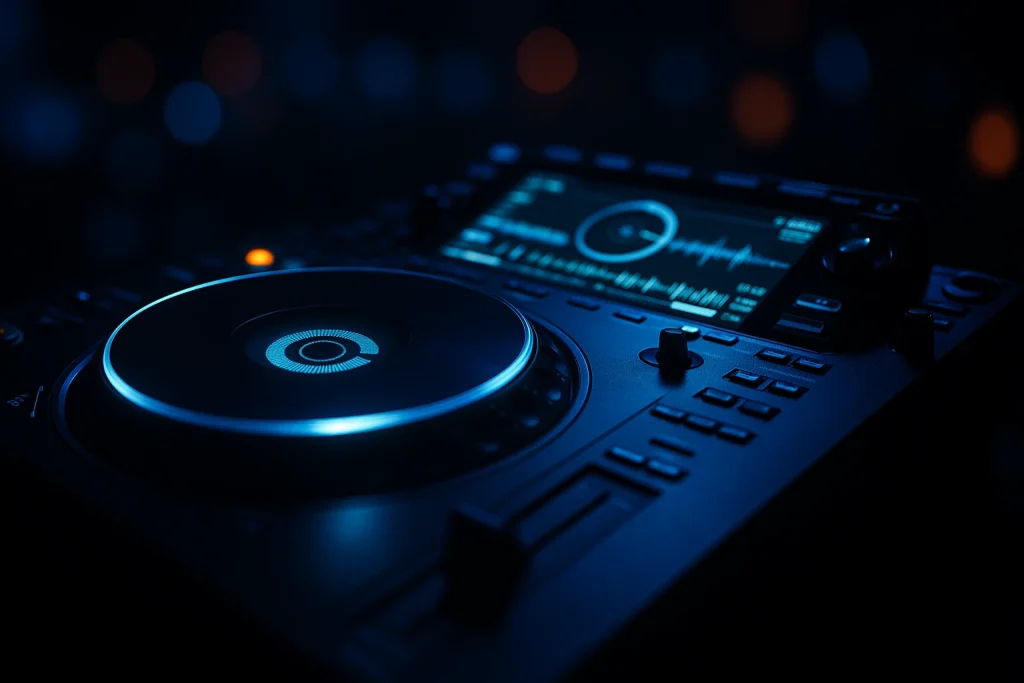
Mastering these elements is crucial for any producer looking to make their mark in the techno scene. For those looking to elevate their production skills, platforms like Splice offer invaluable resources for sound design and sample sourcing.
Building a Career in Techno: Lessons from Leading Artists
Artists like Adam Beyer, Charlotte de Witte, and Amelie Lens have set benchmarks for success in the techno industry. Their careers offer valuable lessons for aspiring producers and DJs:
- Adam Beyer: Founder of Drumcode Records, Beyer’s meticulous production and strategic label management have made him a cornerstone of modern techno.
- Charlotte de Witte: Known for her high-energy sets and powerful productions, de Witte’s rise is a testament to her relentless dedication and unique sound.
- Amelie Lens: Lens’s rapid ascent in the techno world highlights the importance of authenticity and a deep connection with one’s audience.
Building a career in techno requires not only talent and innovation but also understanding the business side of music production. For more insights on building a music career, the Music Producer Branding Guide offers comprehensive advice on developing your brand and reaching a wider audience.
Current Trends in Techno (2025–2026)
As of 2026, techno continues to evolve with new subgenres and trends emerging. Key trends include:
- Hypnotic Techno: This style emphasizes deep, repetitive motifs and subtle variations to create a trance-like state.
- Melodic Techno: With its roots in progressive house, melodic techno incorporates rich harmonies and emotional melodies.
- Rave Techno: A resurgence of rave culture has brought back the raw, unfiltered energy of early techno, characterized by intense beats and euphoric build-ups.
Understanding and incorporating these trends can help producers stay relevant and innovative in a constantly shifting musical landscape. For those looking to release more music and keep up with trends, The Ghost Production offers solutions for scaling your music output effectively.
Harnessing Professional Resources for Techno Production
Producing a professional techno track involves more than just creativity; it requires technical expertise and access to high-quality resources. Platforms like Resident Advisor and SoundCloud offer insights into the latest releases and industry trends, while services like The Ghost Production’s music production services provide support for producers seeking to enhance their tracks.
For those wishing to maintain creative control while outsourcing specific tasks, buying exclusive ghost-produced tracks offers a strategic advantage, allowing artists to focus on their unique sound while leveraging professional expertise.
| Element | Characteristic | Popular Artists |
|---|---|---|
| 909 Kick | Deep, Punchy | Adam Beyer, Charlotte de Witte |
| Acid Bassline | Squelchy, Resonant | Amelie Lens, Jeff Mills |
| Industrial Noise | Dense, Layered | Surgeon, Paula Temple |
Leveraging these elements strategically can elevate your techno productions to professional standards, appealing to DJs and labels worldwide. For additional resources on electronic music production, consider exploring our comprehensive guide on EDM production techniques.
Frequently Asked Questions
What BPM is typically used in techno production?
Techno BPM varies widely, from 120 BPM in minimal techno to over 145 BPM in industrial and rave techno. The choice of BPM can greatly influence the track’s energy and style.
Which drum machine is iconic in techno production?
The Roland TR-909 is iconic in techno production, known for its deep, punchy kick patterns that form the backbone of many techno tracks.
How can I incorporate current techno trends into my production?
Stay informed about current trends like hypnotic and melodic techno by following platforms like DJ Mag and engaging with techno communities. Experimenting with new sounds and structures can also help you incorporate these trends.
Where can I find professional resources for techno production?
Platforms like Beatport and Mixmag provide valuable insights and resources for producers. Additionally, The Ghost Production offers services and tracks that can enhance your production capabilities.
How can I build a career in techno music?
Building a career in techno involves developing a unique sound, engaging with your audience, and understanding the music business. Leveraging resources like Spotify for Artists can help you grow your audience and distribute your music effectively.
Last updated:
Ready to Scale Your Music Output?
Release more music, hit more deadlines, and build a stronger catalog — with professional ghost production that sounds exactly like you.