
What Is EDM Music? The Complete Guide to Electronic Dance Music
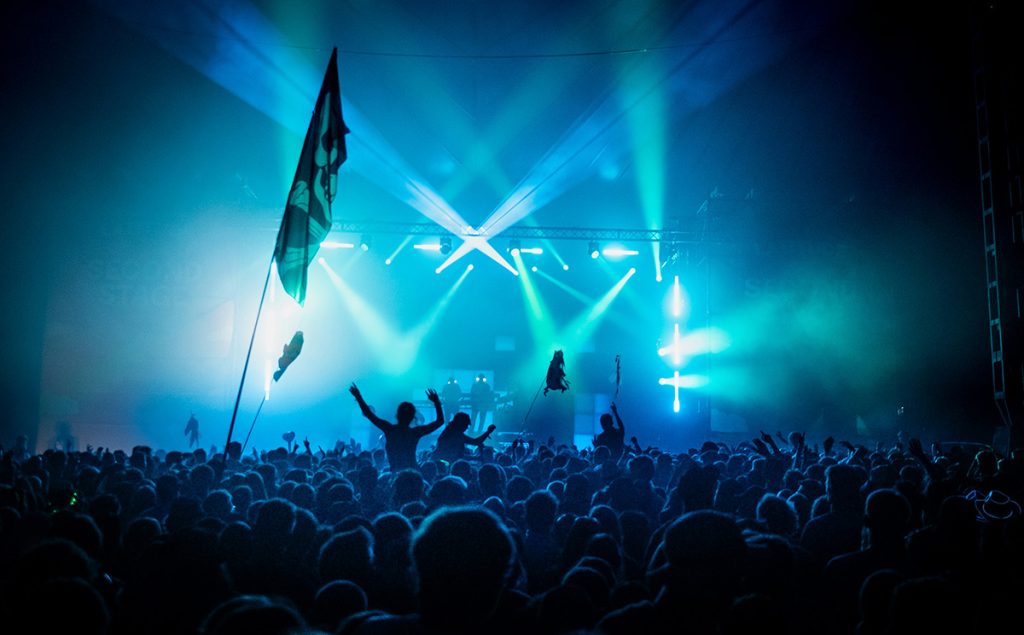
If you’ve ever attended a music festival, listened to club hits, or explored modern electronic genres, you’ve probably wondered what is EDM music. EDM music, short for Electronic Dance Music, is a broad genre of electronic music designed primarily for dance environments such as clubs, festivals, and parties. It is produced using digital instruments, synthesizers, drum machines, and music production software. Over the last two decades, EDM music has grown into one of the most dominant global music movements. Artists like Avicii, Calvin Harris, Martin Garrix, and David Guetta helped bring electronic dance music from underground clubs to mainstream charts. Today, EDM music can be heard everywhere. From nightclubs and radio stations to massive festivals and streaming platforms, electronic dance music continues to shape modern music culture. What Is EDM Music? Definition and Meaning To understand what EDM music is, it’s important to look at the meaning behind the term. EDM music refers to a group of electronic music styles that share several common characteristics: • Created primarily with electronic instruments• Designed to make people dance• Often features repetitive beats and rhythmic patterns• Built around drops, builds, and energetic melodies Most EDM tracks typically have a tempo between 110 and 150 BPM, depending on the subgenre. Unlike traditional band music that uses guitars, bass, and live drums, EDM producers create tracks using digital tools such as synthesizers, MIDI instruments, and plugins. Popular music production software used to create EDM music includes: • Ableton Live• FL Studio• Logic Pro These tools allow producers to design sounds, arrange tracks, and mix music entirely digitally. The History of EDM Music Understanding what EDM music is today requires looking at how the genre evolved over time. 1970s – Early Electronic Sounds The foundations of EDM music started in the 1970s when artists began experimenting with synthesizers and electronic instruments. Electronic pioneers such as Kraftwerk played a huge role in shaping the early electronic music landscape. 1980s – House and Techno During the 1980s, two important genres emerged that would influence EDM music for decades. Genre Origin Characteristics House Music Chicago Groove-based beats and soulful vocals Techno Detroit Futuristic sounds and mechanical rhythms These genres laid the foundation for the modern electronic dance music scene. 1990s – The Rise of Rave Culture In the 1990s, EDM music exploded within underground rave scenes across Europe and the United Kingdom. New genres emerged, including: • Trance• Drum & Bass• Hardcore Large warehouse parties and rave festivals became cultural movements centered around electronic dance music. 2010s – Global EDM Explosion The 2010s marked the global breakthrough of EDM music. Major festivals such as Tomorrowland, Ultra Music Festival, and Electric Daisy Carnival attracted hundreds of thousands of fans. Artists like Avicii, Swedish House Mafia, Calvin Harris, and Martin Garrix helped EDM dominate global charts. What Is EDM Music Made Of? Key Characteristics If you’re trying to understand what EDM music sounds like, there are several defining features. Strong Rhythmic Beats Most EDM tracks use a four-on-the-floor drum pattern, meaning the kick drum hits on every beat. This creates a steady rhythm perfect for dancing. Build-Ups and Drops One of the most recognizable elements of EDM music is the build-up and drop structure. A typical EDM song structure often includes: The drop is usually the most energetic part of the track, where the beat and bass hit hardest. Synthesizers and Electronic Sound Design EDM music heavily relies on synthesizers to create unique sounds such as: • Lead synths• Basslines• Pads• Arpeggios Producers often design their own sounds using virtual instruments and plugins. High Energy and Festival Atmosphere EDM music is built to create excitement and energy on dance floors and festival stages. Powerful basslines, emotional melodies, and dramatic transitions are common features. Popular EDM Music Genres EDM is not just one style. It includes many different genres under the electronic dance music umbrella. EDM Genre BPM Range Description House 118–130 BPM Groove-based dance music with steady rhythm Techno 120–135 BPM Dark and hypnotic repetitive beats Trance 128–140 BPM Emotional melodies and uplifting builds Dubstep 140 BPM Heavy bass and aggressive drops Drum & Bass 170–175 BPM Fast breakbeats and deep basslines Progressive House 124–128 BPM Melodic builds and atmospheric sounds Each genre has its own identity while still belonging to the EDM music category. How EDM Music Is Produced To fully understand what EDM music is, it helps to see how producers create it. Most EDM tracks are produced through several stages. Beat Creation The producer first designs the drum pattern using kick drums, snares, and hi-hats. Bassline Design Next comes the bassline, which provides groove and power to the track. Melody and Chords Melodic elements such as piano chords, synth leads, or vocal samples are then added. Arrangement The track is structured with sections like intro, build-up, drop, and breakdown. Mixing and Mastering Finally, the track is mixed and mastered so it sounds professional on club sound systems, streaming platforms, and radio. Why EDM Music Is So Popular There are several reasons why EDM music has become one of the most popular genres worldwide. Festival Culture Electronic dance music thrives in festival environments where huge stages, lighting effects, and massive crowds create unforgettable experiences. Global Accessibility Streaming platforms such as Spotify and YouTube allow EDM music to reach audiences worldwide instantly. DJ Performances Unlike traditional concerts, EDM artists perform DJ sets where they mix tracks live and control the crowd’s energy. Cross-Genre Collaborations EDM artists often collaborate with pop singers and hip-hop artists, expanding the genre’s reach to new audiences. Tools and Resources for EDM Producers If you are interested in producing EDM music or performing as a DJ, there are several useful resources available. You can learn how to structure a DJ set using the DJ Set Planner tool:https://theghostproduction.com/dj-set-planner/ Producers looking for professional tracks can also explore ready-to-release EDM music here:https://theghostproduction.com/ These tools help DJs organize their sets and discover new music from producers around the world. External Resource About EDM Music For a deeper overview of
