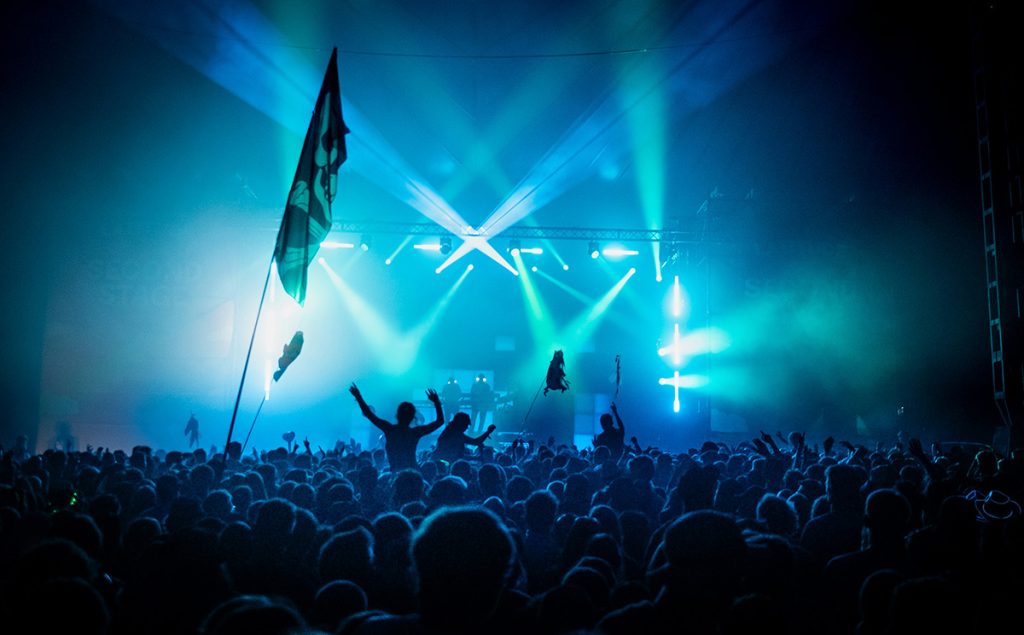
If you’ve ever attended a music festival, listened to club hits, or explored modern electronic genres, you’ve probably wondered what is EDM music. EDM music, short for Electronic Dance Music, is a broad genre of electronic music designed primarily for dance environments such as clubs, festivals, and parties. It is produced using digital instruments, synthesizers, drum machines, and music production software. Over the last two decades, EDM music has grown into one of the most dominant global music movements. Artists like Avicii, Calvin Harris, Martin Garrix, and David Guetta helped bring electronic dance music from underground clubs to mainstream charts. Today, EDM music can be heard everywhere. From nightclubs and radio stations to massive festivals and streaming platforms, electronic dance music continues to shape modern music culture. What Is EDM Music? Definition and Meaning To understand what EDM music is, it’s important to look at the meaning behind the term. EDM music refers to a group of electronic music styles that share several common characteristics: • Created primarily with electronic instruments• Designed to make people dance• Often features repetitive beats and rhythmic patterns• Built around drops, builds, and energetic melodies Most EDM tracks typically have a tempo between 110 and 150 BPM, depending on the subgenre. Unlike traditional band music that uses guitars, bass, and live drums, EDM producers create tracks using digital tools such as synthesizers, MIDI instruments, and plugins. Popular music production software used to create EDM music includes: • Ableton Live• FL Studio• Logic Pro These tools allow producers to design sounds, arrange tracks, and mix music entirely digitally. The History of EDM Music Understanding what EDM music is today requires looking at how the genre evolved over time. 1970s – Early Electronic Sounds The foundations of EDM music started in the 1970s when artists began experimenting with synthesizers and electronic instruments. Electronic pioneers such as Kraftwerk played a huge role in shaping the early electronic music landscape. 1980s – House and Techno During the 1980s, two important genres emerged that would influence EDM music for decades. Genre Origin Characteristics House Music Chicago Groove-based beats and soulful vocals Techno Detroit Futuristic sounds and mechanical rhythms These genres laid the foundation for the modern electronic dance music scene. 1990s – The Rise of Rave Culture In the 1990s, EDM music exploded within underground rave scenes across Europe and the United Kingdom. New genres emerged, including: • Trance• Drum & Bass• Hardcore Large warehouse parties and rave festivals became cultural movements centered around electronic dance music. 2010s – Global EDM Explosion The 2010s marked the global breakthrough of EDM music. Major festivals such as Tomorrowland, Ultra Music Festival, and Electric Daisy Carnival attracted hundreds of thousands of fans. Artists like Avicii, Swedish House Mafia, Calvin Harris, and Martin Garrix helped EDM dominate global charts. What Is EDM Music Made Of? Key Characteristics If you’re trying to understand what EDM music sounds like, there are several defining features. Strong Rhythmic Beats Most EDM tracks use a four-on-the-floor drum pattern, meaning the kick drum hits on every beat. This creates a steady rhythm perfect for dancing. Build-Ups and Drops One of the most recognizable elements of EDM music is the build-up and drop structure. A typical EDM song structure often includes: The drop is usually the most energetic part of the track, where the beat and bass hit hardest. Synthesizers and Electronic Sound Design EDM music heavily relies on synthesizers to create unique sounds such as: • Lead synths• Basslines• Pads• Arpeggios Producers often design their own sounds using virtual instruments and plugins. High Energy and Festival Atmosphere EDM music is built to create excitement and energy on dance floors and festival stages. Powerful basslines, emotional melodies, and dramatic transitions are common features. Popular EDM Music Genres EDM is not just one style. It includes many different genres under the electronic dance music umbrella. EDM Genre BPM Range Description House 118–130 BPM Groove-based dance music with steady rhythm Techno 120–135 BPM Dark and hypnotic repetitive beats Trance 128–140 BPM Emotional melodies and uplifting builds Dubstep 140 BPM Heavy bass and aggressive drops Drum & Bass 170–175 BPM Fast breakbeats and deep basslines Progressive House 124–128 BPM Melodic builds and atmospheric sounds Each genre has its own identity while still belonging to the EDM music category. How EDM Music Is Produced To fully understand what EDM music is, it helps to see how producers create it. Most EDM tracks are produced through several stages. Beat Creation The producer first designs the drum pattern using kick drums, snares, and hi-hats. Bassline Design Next comes the bassline, which provides groove and power to the track. Melody and Chords Melodic elements such as piano chords, synth leads, or vocal samples are then added. Arrangement The track is structured with sections like intro, build-up, drop, and breakdown. Mixing and Mastering Finally, the track is mixed and mastered so it sounds professional on club sound systems, streaming platforms, and radio. Why EDM Music Is So Popular There are several reasons why EDM music has become one of the most popular genres worldwide. Festival Culture Electronic dance music thrives in festival environments where huge stages, lighting effects, and massive crowds create unforgettable experiences. Global Accessibility Streaming platforms such as Spotify and YouTube allow EDM music to reach audiences worldwide instantly. DJ Performances Unlike traditional concerts, EDM artists perform DJ sets where they mix tracks live and control the crowd’s energy. Cross-Genre Collaborations EDM artists often collaborate with pop singers and hip-hop artists, expanding the genre’s reach to new audiences. Tools and Resources for EDM Producers If you are interested in producing EDM music or performing as a DJ, there are several useful resources available. You can learn how to structure a DJ set using the DJ Set Planner tool:https://theghostproduction.com/dj-set-planner/ Producers looking for professional tracks can also explore ready-to-release EDM music here:https://theghostproduction.com/ These tools help DJs organize their sets and discover new music from producers around the world. External Resource About EDM Music For a deeper overview of
The electronic dance music scene continues to evolve rapidly, with new artists, trends, technologies, and production techniques emerging every year. Whether you are a DJ, producer, label owner, or simply an EDM fan, following high-quality blogs is one of the best ways to stay updated with releases, industry news, tutorials, and festival coverage. In this guide, you will discover the best EDM blogs in 2026 that consistently deliver valuable content for the global electronic music community. Why EDM Blogs Still Matter in 2026 Despite the rise of social media and short-form content platforms, EDM blogs remain essential because they provide: For producers, blogs can also become powerful exposure channels, offering opportunities for premieres, interviews, and backlinks that improve visibility. Best EDM Blogs in 2026 1. Dancing Astronaut Website: https://dancingastronaut.com Dancing Astronaut remains one of the most influential EDM blogs globally. Known for its professional journalism and extensive coverage, the platform delivers daily updates about releases, festivals, artist news, and industry developments. Why follow: This blog is ideal for staying informed about mainstream EDM movements and global electronic music culture. 2. Your EDM Website: https://www.youredm.com Your EDM has built a reputation for consistent publishing and broad coverage across genres including house, bass, techno, and future sounds. Why follow: Your EDM is especially valuable for fans who want quick daily updates on trending electronic music topics. 3. EDM.com Website: https://edm.com Owned by Insomniac Events, EDM.com combines editorial storytelling with industry authority. The blog focuses heavily on culture, lifestyle, and artist narratives within electronic music. Why follow: This is one of the best destinations for understanding the broader electronic music industry beyond just releases. 4. Magnetic Magazine Website: https://magneticmag.com Magnetic Magazine blends electronic music journalism with DJ culture, gear reviews, and lifestyle content. Why follow: For producers and DJs looking for inspiration alongside technical insights, Magnetic Magazine is a must-follow. 5. We Rave You Website: https://weraveyou.com We Rave You has grown into a major EDM media brand covering global festivals, artists, and electronic music trends. Why follow: The platform is particularly popular among festival-focused audiences. 6. Run The Trap Website: https://runthetrap.com Although originally focused on trap music, Run The Trap now covers a wide spectrum of electronic genres including bass, house, and experimental sounds. Why follow: Perfect for fans seeking fresh and emerging sounds outside mainstream EDM. 7. This Song Is Sick Website: https://thissongissick.com This Song Is Sick remains a powerful discovery platform that blends EDM with indie electronic, pop crossovers, and future beats. Why follow: Many artists gain early recognition through features on this platform. 8. DJ Mag Website: https://djmag.com DJ Mag is one of the most iconic electronic music publications, famous for its Top 100 DJs ranking and global coverage. Why follow: A must-follow for anyone serious about understanding electronic music trends worldwide. 9. Mixmag Website: https://mixmag.net Mixmag continues to be a leading voice in electronic music journalism, particularly strong in underground scenes. Why follow: Mixmag is ideal for those interested in techno, house, and deeper electronic movements. 10. The Ghost Production Blog Website: https://theghostproduction.com/blog Beyond being a marketplace for ready-to-release tracks, The Ghost Production blog offers valuable resources for producers and DJs. Why follow: It serves as both an educational hub and industry knowledge base for electronic music creators. Comparison Table of Best EDM Blogs in 2026 Blog Founded Content Focus Best For Submission Opportunity Dancing Astronaut 2009 News, releases, festivals Mainstream EDM fans Limited Your EDM 2012 Daily news, trending stories Quick updates Yes EDM.com 2015 Culture, lifestyle, interviews Industry insights Limited Magnetic Magazine 2012 DJ culture, gear, tutorials DJs & producers Yes We Rave You 2012 Festivals, news, artist features Festival fans Yes Run The Trap 2012 Bass & underground Emerging sounds Yes This Song Is Sick 2010 Music discovery Track discovery Yes DJ Mag 1991 Industry journalism Global EDM culture Limited Mixmag 1983 Club culture, underground Techno & house fans Limited The Ghost Production Blog 2018 Producer resources DJs & producers Yes How Producers Can Benefit from EDM Blogs For music producers, EDM blogs are more than entertainment sources. They can become strategic growth tools. 1. Music discovery and inspiration Listening to curated premieres helps identify trends, sound design approaches, and arrangement techniques. 2. Networking opportunities Many blogs accept submissions, interviews, and collaborations. 3. SEO and exposure Blog features can generate backlinks and brand visibility. 4. Market understanding Reading editorial analysis helps producers understand which genres and aesthetics are currently trending. Tips for Getting Featured on EDM Blogs If you are aiming to appear on EDM blogs, consider these best practices: Blogs are more likely to feature artists who present themselves professionally. Types of EDM Blogs Explained Not all EDM blogs serve the same purpose. Understanding categories helps readers choose the right sources. 1. News-driven EDM blogs These blogs publish daily updates, announcements, and trending stories. Examples: 2. Discovery-focused blogs These platforms help listeners find new music and emerging artists. Examples: 3. Editorial & cultural magazines These publications analyze electronic music culture and industry evolution. Examples: 4. Educational blogs for producers These blogs provide tutorials, guides, and production insights. Examples: This segmentation improves keyword coverage like edm news blogs, music discovery blogs, and producer blogs. How EDM Blogs Influence the Music Industry EDM blogs play a critical role in shaping electronic music trends. Artist discovery Many artists gain early recognition through blog premieres before reaching streaming platforms. Scene documentation Blogs capture cultural movements, underground scenes, and regional developments. Marketing ecosystem Labels and PR agencies use blogs for launches, campaigns, and storytelling. Community building Readers engage through comments, social sharing, and discussion around releases. How to Choose the Right EDM Blogs to Follow Readers often follow too many sources, leading to information overload. A strategic approach works best. If you are a fan Follow 2–3 news blogs + 1 discovery blog. If you are a producer Follow 1 tutorial blog + 2 discovery blogs + 1 industry blog. If you are a DJ Follow festival coverage blogs + music discovery blogs. This improves UX while reinforcing search
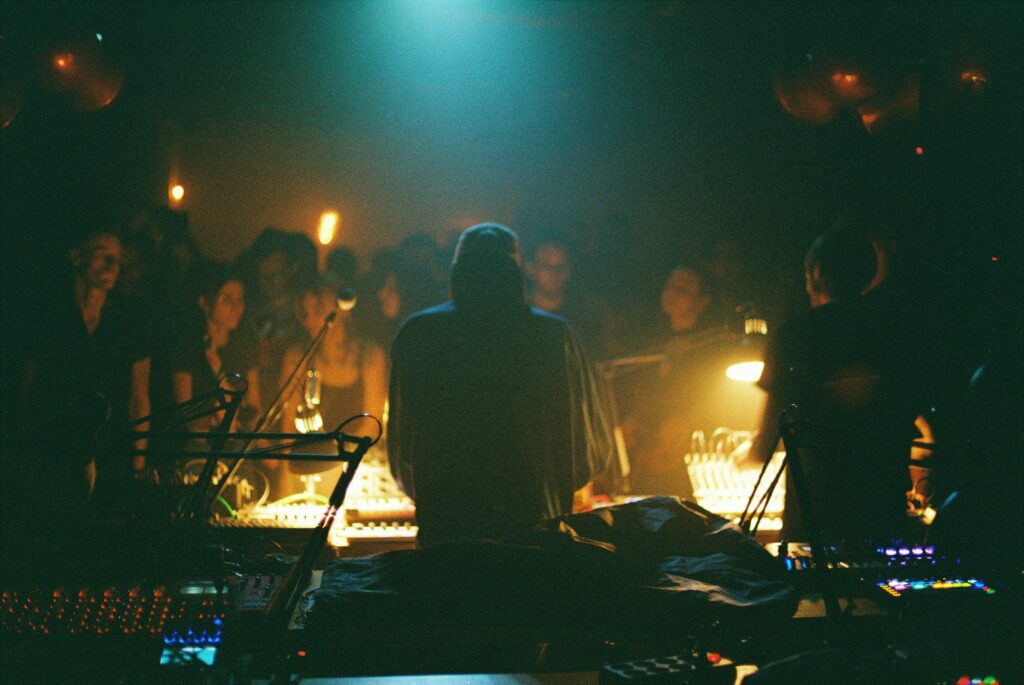
The world of electronic dance music (EDM) is dynamic and glamorous, with DJs captivating audiences at festivals, clubs, and online platforms. However, behind the high-energy performances and pulsating beats lies a lesser-known aspect of the industry: ghost production. For years, ghost producers have played a pivotal role in shaping the music we hear, but many listeners remain unaware of their contributions. This article dives deep into the reasons why DJs use ghost producers, the impact on the music industry, and the ethics surrounding this practice. What Is Ghost Production? Before exploring why DJs rely on ghost producers, it’s essential to understand the concept. Ghost production refers to a professional arrangement where a producer creates music anonymously for another artist, often for monetary compensation and no public credit. The purchasing DJ then releases the track under their name, branding it as their own creation. Ghost production is not exclusive to EDM but has become particularly prominent in this genre due to its high demand for fresh, club-ready tracks. In this arrangement, the ghost producer forfeits their rights to the music, allowing the DJ to claim full ownership and authorship. Reasons DJs Use Ghost Producers 1. Time Constraints Touring DJs often have packed schedules, performing at multiple venues across the globe, managing promotional appearances, and engaging with fans on social media. With limited time to dedicate to the studio, producing high-quality tracks becomes a challenge. Ghost producers help alleviate this burden by creating music on behalf of these artists, ensuring a steady flow of new releases. 2. Maintaining Relevance in a Competitive Industry The EDM scene is fiercely competitive, with new artists emerging daily. To maintain their spot in the spotlight, DJs need to consistently release fresh music. Ghost producers enable DJs to keep up with the demand for new tracks, ensuring they remain relevant in an ever-evolving industry. 3. Specialized Expertise Not all DJs are skilled producers, and that’s okay. Producing a polished track requires technical expertise, an ear for detail, and extensive knowledge of sound design, mixing, and mastering. Some DJs focus primarily on performance and rely on ghost producers to craft tracks that align with their brand and style. 4. Brand Expansion Many top-tier DJs expand their brands by venturing into different subgenres or collaborating with other artists. This expansion often requires a diverse music catalog. Ghost producers can adapt their skills to create tracks in various styles, helping DJs broaden their creative repertoire without needing to master every subgenre themselves. 5. High Pressure for Quality Fans and record labels expect top-tier production quality from established DJs. Creating tracks that meet professional standards takes time, effort, and talent. Ghost producers, often highly skilled professionals, deliver tracks that meet or exceed industry standards, allowing DJs to meet these expectations seamlessly. 6. Focus on Live Performances Performing live is at the core of a DJ’s career. Many DJs prioritize honing their performance skills, creating electrifying sets, and building connections with their audience. Outsourcing music production allows them to focus on delivering unforgettable live experiences. 7. Increased Revenue Streams Releasing original tracks opens doors to multiple revenue streams, including streaming royalties, licensing deals, and festival bookings. Ghost producers empower DJs to maximize these opportunities by ensuring they have a consistent catalog of tracks to monetize. The Benefits of Ghost Production While ghost production may seem controversial, it offers several advantages to both DJs and producers: For DJs: For Ghost Producers: Ethical Considerations The practice of ghost production is not without controversy. Critics argue that it’s deceptive for DJs to claim authorship of tracks they didn’t create. Fans often feel misled when they discover their favorite DJ didn’t produce their hit tracks. On the other hand, proponents argue that ghost production is a legitimate business arrangement. As long as all parties involved mutually agree on the terms, it’s simply another facet of the music industry. Many liken it to songwriting in pop music, where songwriters often create hits for well-known artists without receiving public recognition. To address ethical concerns, transparency is key. Some DJs openly acknowledge their use of ghost producers, framing it as a collaborative effort. This approach fosters trust with fans and normalizes the practice within the industry. The Role of Technology Advancements in music production software and tools have contributed to the rise of ghost production. With accessible digital audio workstations (DAWs) like Ableton Live, FL Studio, and Logic Pro, producers can create professional-grade music from anywhere in the world. This technological democratization has enabled a global network of talented ghost producers to thrive, offering their services to DJs worldwide. Platforms like “The Ghost Production” have further streamlined the process, acting as marketplaces where DJs can purchase ready-made tracks or hire producers for custom projects. These platforms ensure quality and confidentiality, making ghost production more accessible than ever. Famous DJs and Ghost Production Ghost production is more common than many fans realize, and several high-profile DJs have faced scrutiny or speculation about their use of ghost producers. While it’s challenging to confirm specific cases, the following examples illustrate the prevalence of ghost production in EDM: While these examples highlight the practice among top-tier DJs, ghost production is equally prevalent among emerging artists striving to establish themselves in the industry. The Future of Ghost Production As the EDM industry continues to evolve, ghost production is likely to grow in prominence. The demand for high-quality music shows no signs of slowing down, and the convenience of outsourcing production makes it an attractive option for many DJs. However, the rise of artificial intelligence (AI) in music production could disrupt the landscape. AI tools are becoming increasingly capable of generating tracks, potentially reducing the need for human ghost producers. While this technology presents new opportunities, it also raises questions about creativity, originality, and authenticity in music. Conclusion DJs use ghost producers for various reasons, including time constraints, the need to stay relevant, and the pursuit of high-quality music. While the practice has sparked ethical debates, it remains an integral part of the EDM