
Rap Ghost Producer
Looking for exclusive Rap ghost production? Browse professionally crafted, release-ready Rap tracks created by experienced producers.
Each track is sold exclusively with full rights included — ready to release under your name. Need something fully custom? Order a custom-made Rap production.
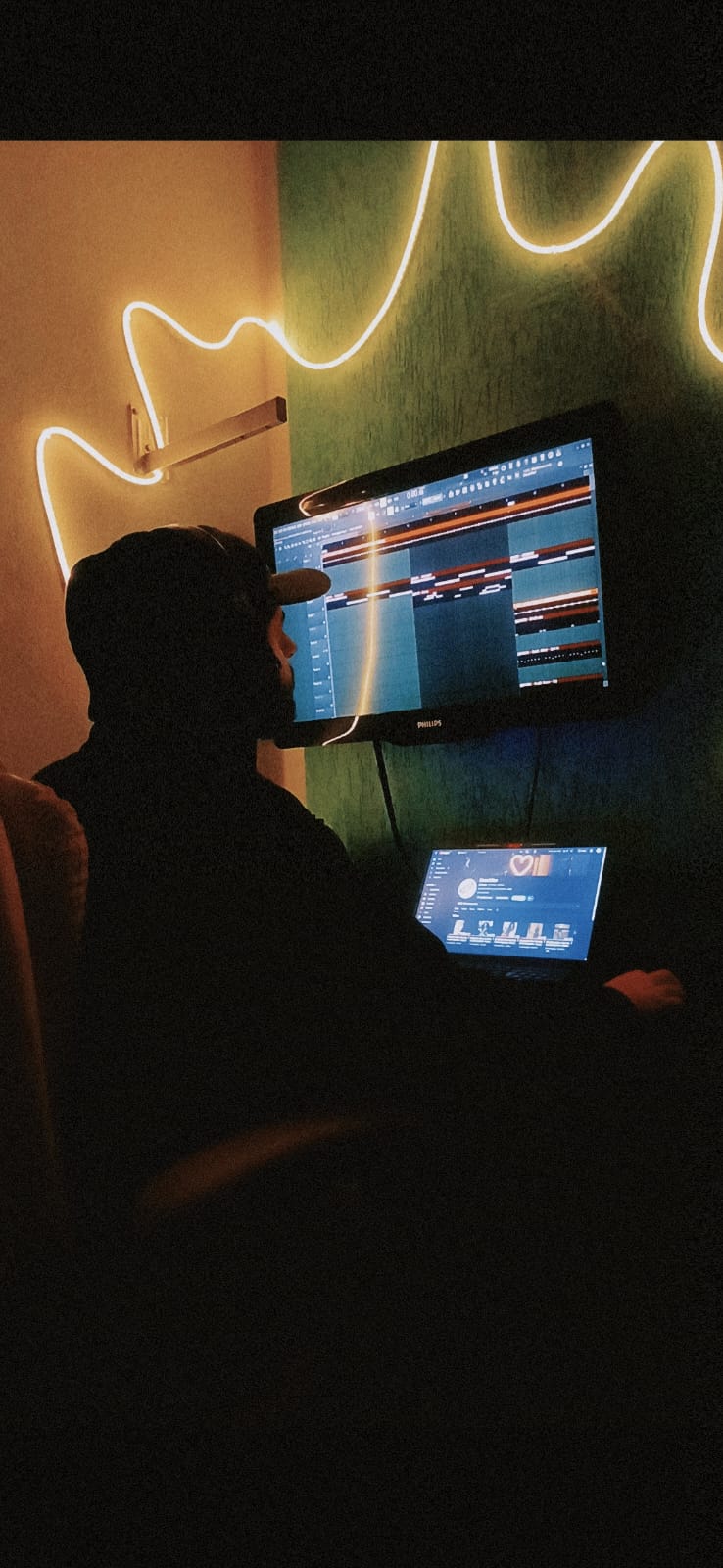


 FL Studio








 Logic Pro













What is Rap? — History and Origins
Rap music, a cornerstone of global music culture, emerged from the vibrant streets of New York City in the 1970s. Initially a form of expression for marginalized communities, it rapidly evolved into a dominant force in the music industry. The genre’s rise is often attributed to pioneers like DJ Kool Herc, who used turntables to isolate and extend breakbeats. This laid the groundwork for the distinctive vocal style that involves rhythmic and rhyming speech. As the genre matured, it expanded its reach beyond the Bronx, capturing the imagination of artists worldwide and influencing various other genres, including electronic dance music.
Rap music typically operates within a BPM (beats per minute) range of 70 to 105, depending on the specific style—whether it’s the slow, deliberate pace of Southern trap or the more upbeat West Coast vibe. Core sonic elements include the use of 808 drums, trap hi-hats, melody-driven instrumental beats, and hard-hitting basslines that resonate powerfully both in the studio and on the dance floor.
Key Artists Who Defined the Genre
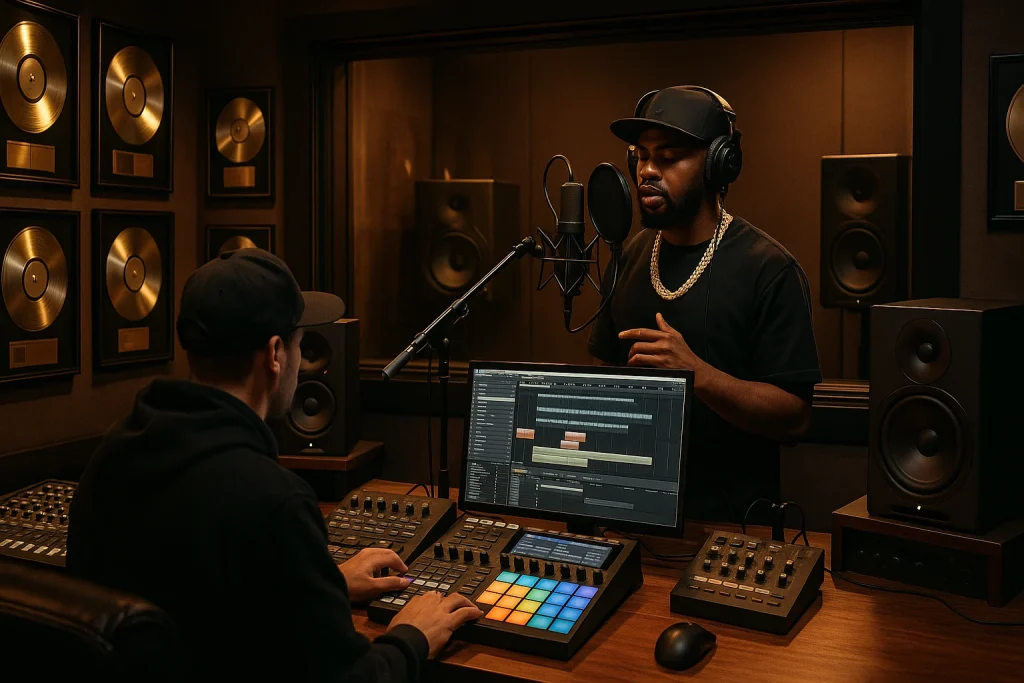
The landscape of modern rap has been shaped by influential producers who have not only crafted hit records but also set new standards for production. Metro Boomin, for instance, became a household name with his work on Future’s “Mask Off” and The Weeknd’s chart-topping tracks. His ability to weave intricate melodies with raw, powerful beats is a testament to his skill and innovation.
Murda Beatz emerged with hits like “Nice For What” by Drake, showcasing his knack for creating infectious grooves that resonate across mainstream and underground scenes alike. Similarly, Pi’erre Bourne crafted the sound of Playboi Carti’s “Magnolia,” a track that redefined the soundscape of rap with its minimalist yet impactful approach.
Producers like Southside and Tay Keith have also made significant contributions. Southside’s work with the 808 Mafia has been integral to the trap music genre, while Tay Keith’s signature sound has propelled artists like Travis Scott and Drake to the top of the charts. The role of ghost production is crucial in their workflow, allowing them to maintain a consistent output and collaborate with artists globally without being tethered to one project for too long.
Production Anatomy of a Great Rap Track
The anatomy of a successful rap track lies in its production quality, where the kick pattern and bass design play pivotal roles. A typical rap kick pattern is straightforward but powerful, designed to cut through the mix and drive the track. The bass, often synthesized using plugins like Serum or Massive, is designed to be felt as much as heard, providing a foundation that supports the rest of the mix.
Harmonic choices in rap production often involve dark, moody chord progressions or catchy, looped melodies that stick in the listener’s mind. The arrangement structure generally follows a verse-chorus format but leaves room for creative expression, allowing artists to inject their personality into the track.
Professional-sounding rap tracks are distinguished by their meticulous mixing and mastering processes. Preferred DAWs (Digital Audio Workstations) like FL Studio and Ableton Live offer the flexibility and tools needed to achieve a polished sound. Plugins such as the Waves bundle for mixing and Ozone for mastering are frequently used to ensure each element sits perfectly in the mix.
For those exploring other genres, understanding the nuances in production can be beneficial. For instance, elements of rap production are often seen in Hybrid Trap and Trap tracks.
Why Rap DJs and Artists Use Ghost Producers
In 2026, the demand for rapid and high-quality music releases pressures artists to deliver consistently. This is where ghost producers come into play. The skill gap between DJing and producing can be significant, and not all DJs have the time or skillset to produce tracks that meet industry standards. According to industry surveys, 60–80% of charting electronic music tracks involve some form of ghost production, highlighting its prevalence in the music industry.
Ghost producers offer a solution by providing polished, release-ready tracks that artists can claim as their own. This allows DJs and labels to maintain a steady release schedule without sacrificing quality. In 2026, label A&R teams are heavily investing in ghost production to ensure they have a diverse and fresh catalog to offer their audiences.
How to Order a Ghost-Produced Rap Track
Ordering a ghost-produced track requires clear communication and a well-defined brief. Include reference tracks to convey the desired sound and specify details like key, BPM, mood, and structure. Expect deliverables such as a WAV master, stems for remixing or further production, and MIDI files for personal edits.
Pricing for ghost-produced rap tracks can range from $200 to over $5,000, depending on factors like exclusivity and the producer’s reputation. Be wary of red flags such as unclear rights agreements or producers who cannot provide samples of previous work.
For those interested in other genres, similar ordering processes apply, whether you’re exploring Acid or Deep House ghost production.
Comparison Table of Top-Tier Rap Ghost-Production Services in 2026
| Service | Quality Level | Turnaround | Pricing | Rights |
|---|---|---|---|---|
| The Ghost Production | High | 2–3 weeks | $500–$5,000 | Full Rights |
| Beatport’s Custom Service | Medium to High | 1–2 months | $300–$3,000 | Shared Rights |
| SoundBetter | Varied | 1 month | $200–$1,500 | Negotiable |
Tips for Integrating Ghost-Produced Rap Tracks into Your Sets and Releases
Integrating ghost-produced tracks into your sets requires careful planning. First, ensure that the track aligns with your artistic vision and complements your existing catalog. Use tools like a DJ Set Planner to seamlessly incorporate new tracks into your live performances.
When releasing these tracks, it’s crucial to manage the narrative around your music. Consider building a portfolio that showcases your unique sound, even if some tracks are ghost-produced. Resources like building a music producer portfolio can help establish your brand identity.
Frequently Asked Questions
What is a rap ghost producer?
A rap ghost producer is a professional who creates music tracks for artists, DJs, or labels without receiving public credit for the work. They craft high-quality tracks that artists can release under their own name.
How much does it typically cost to hire a rap ghost producer?
The cost can range from $200 to over $5,000, depending on the producer’s reputation, track complexity, and the rights involved. Exclusive tracks generally command higher prices.
Why do artists use ghost producers?
Artists use ghost producers to meet the demands of a fast-paced release schedule, bridge skill gaps in production, and ensure a constant flow of high-quality music. This practice allows artists to focus on performance and brand-building activities.
What should I include in a brief for a ghost-produced track?
A comprehensive brief should include reference tracks to illustrate the desired sound, specifications such as key, BPM, mood, and structure, and any other relevant information about the project’s vision.
What are the deliverables from a ghost producer?
Deliverables typically include a master WAV file, stems for further production or remixing, and MIDI files, providing flexibility for future edits or collaborations.
Last updated:
Ready to Scale Your Music Output?
Release more music, hit more deadlines, and build a stronger catalog — with professional ghost production that sounds exactly like you.