
What Is Stem Mastering?
What Is Stem Mastering?
In the world of music production, the term “mastering” is often shrouded in mystery, yet it plays a crucial role in the final stages of music creation. So, what is stem mastering, and how does it differ from traditional mastering? This comprehensive guide will delve into the essentials of mastering, explore the nuances of stem mastering, and discuss when it may be most beneficial for your music.
Mastering is the art of refining a track to its highest potential, ensuring it sounds cohesive and polished across various playback systems. This process involves adjusting loudness, achieving tonal balance, enhancing stereo width, and preparing the track for its final format, whether it be digital streaming or vinyl pressing. In recent years, the technical demands and artistic nuances of mastering have grown significantly, particularly with the rise of streaming services which impose specific loudness standards.
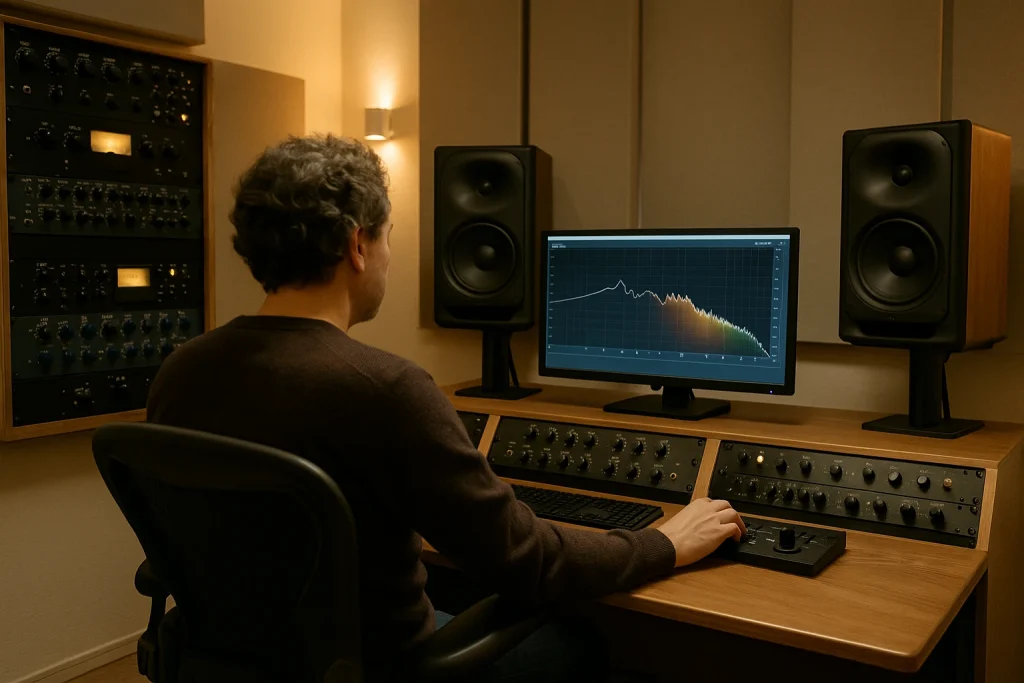
For producers, understanding mastering is essential. Popular digital audio workstations (DAWs) like Ableton and Logic Pro offer in-built tools, but specialized software such as iZotope’s Ozone, Sonnox plugins, and the Weiss MM-1 have become industry standards for mastering due to their precision and comprehensive feature sets. Each tool brings its own set of capabilities, allowing producers to sculpt their tracks with finesse.
The Basics of Mastering: Loudness and Tonal Balance
The core objective of mastering is to ensure that a track sounds its best on all playback systems. One of the primary aspects of this is loudness. With the advent of streaming platforms, producers must adhere to loudness standards to prevent distortion and maintain audio quality. For instance, Spotify typically recommends a loudness level of -14 LUFS (Loudness Units relative to Full Scale) integrated, while Apple Music suggests -16 LUFS. Adhering to these standards ensures your music is competitive yet clear.
Tonal balance is another critical component. It refers to the distribution of sound energy across the frequency spectrum, making sure that bass, midrange, and treble are all balanced. Mastering engineers use equalization to achieve this balance, ensuring the track translates well across different sound systems.
LUFS Standards Across Streaming Platforms
| Streaming Platform | Loudness Target (LUFS) |
|---|---|
| Spotify | -14 LUFS |
| Apple Music | -16 LUFS |
| Amazon Music | -14 LUFS |
| Tidal | -14 LUFS |
| YouTube | -13 to -15 LUFS |
Understanding Stem Mastering
Stem mastering is a more granular approach compared to traditional stereo mastering. Instead of working with a single stereo file, stem mastering involves multiple sub-mixes or “stems” of a track. These stems might include separate files for vocals, drums, bass, and other instruments. This method allows for greater control over individual elements, providing the mastering engineer with the flexibility to make nuanced adjustments that would be impossible with a single stereo track.
Stem mastering is particularly advantageous for complex productions where certain elements may need specific processing to achieve the desired sound. This approach can also be invaluable when the mixdown is not perfect, as it allows for correction without needing to return to the mix stage.
Tools of the Trade: Mastering Software and Plugins
In the digital realm, several software tools have become indispensable for mastering engineers. iZotope’s Ozone is renowned for its intuitive interface and powerful features like intelligent EQ and dynamic processing. The Sonnox mastering suite offers high-precision tools that are essential for detailed audio work. Meanwhile, the Weiss MM-1 is celebrated for its transparent limiting capabilities, ensuring your track reaches competitive loudness levels without sacrificing quality.
Choosing the right tools depends largely on the specific needs of your project and your personal workflow preferences. For those new to mastering, exploring these tools can provide invaluable insights and help you develop a more refined ear for sound nuances.
Human vs. AI: The Mastering Debate
The debate between human mastering engineers and AI-based solutions like LANDR and CloudBounce is ongoing. Notable engineers such as Bernie Grundman and Bob Ludwig have mastered countless hit records, bringing decades of experience and an artistic touch that many argue cannot be replicated by algorithms. Their expertise is invaluable, especially for tracks that require subtlety and emotional resonance.
However, AI mastering services offer a cost-effective and rapid solution for many independent artists. These platforms analyze the audio and apply automated adjustments based on predefined algorithms. While convenient, they may lack the nuanced understanding a human engineer can provide. For producers on a budget or those in need of quick turnarounds, AI services can be a practical choice. Nonetheless, complex or high-stakes projects often benefit from the human touch.
When to Choose Stem Mastering
Deciding whether stem mastering is the right choice for your project depends on several factors. If your mix features intricate arrangements or if you anticipate needing additional control over certain elements during the mastering stage, stem mastering is likely the best option. Additionally, if you’re working with remote mastering engineers, providing stems can offer them the flexibility to make necessary adjustments without returning to the mixing stage.
Producers who are unsure about their mixing skills can also benefit from stem mastering, as it allows the engineer to address mix issues that might not be evident in a stereo mix. Ultimately, the decision should be guided by the complexity of the track and the level of precision required in the final sound.
Integrating Mastering into Your Production Workflow
Incorporating mastering into your production workflow requires careful planning. Reference tracks can be invaluable for setting benchmarks during both the mixing and mastering stages. Understanding concepts like EQ and compression will enhance your ability to make informed decisions during mastering. Resources like What Is Mastering? – Audio Mastering Explained can provide foundational knowledge for those looking to deepen their understanding.
For producers interested in outsourcing their mastering, services like Hire a Ghost Producer / Music Production Services offer tailored solutions that can help streamline the production process and ensure professional-quality outcomes. Additionally, Outsource Music Production – Scale Without Burnout is another resource to consider for scaling your output efficiently.
Frequently Asked Questions
What is the difference between stem mastering and stereo mastering?
Stereo mastering involves working with a single stereo file, while stem mastering uses multiple sub-mixes (or stems) of the track. Stem mastering allows for more detailed control over individual elements, making it ideal for complex productions.
Why are LUFS standards important for streaming?
LUFS standards ensure that tracks are played back at consistent loudness levels across different streaming services, reducing the need for users to adjust their volume settings. Adhering to these standards helps maintain audio quality and listener experience.
Can AI mastering replace human mastering engineers?
While AI mastering offers quick and cost-effective solutions, it may lack the nuanced understanding and artistic touch a human engineer provides. Human mastering is often preferred for complex projects that require subtlety and emotional resonance.
When should I consider stem mastering for my project?
Consider stem mastering if your track has intricate arrangements or if you need additional control over certain elements during mastering. It’s also beneficial if there are mix issues that need to be addressed without returning to the mixing stage.
What tools are recommended for mastering?
Popular mastering tools include iZotope’s Ozone, Sonnox plugins, and the Weiss MM-1. These tools offer features that enhance loudness, tonal balance, and overall sound quality, making them essential for professional mastering.
Last updated:
Ready to Scale Your Music Output?
Release more music, hit more deadlines, and build a stronger catalog — with professional ghost production that sounds exactly like you.