
Trance Production Tips
Trance Production Tips: Elevate Your Sound
Trance music has been captivating listeners with its euphoric melodies and driving beats since its emergence in the 1990s. As a producer, understanding the nuances of trance can elevate your compositions and help you stand out in a crowded field. This comprehensive guide will explore essential trance production tips, offering insights into structure, leads, and maintaining energy throughout your tracks.
In 2026, the trance scene continues to thrive with artists like Armin van Buuren and Above & Beyond leading the charge. Their mastery of production techniques allows them to craft tracks that resonate deeply with audiences worldwide. Whether you’re a seasoned producer or just starting, this guide will provide you with actionable tips that can be implemented immediately.
Understanding Trance Structure
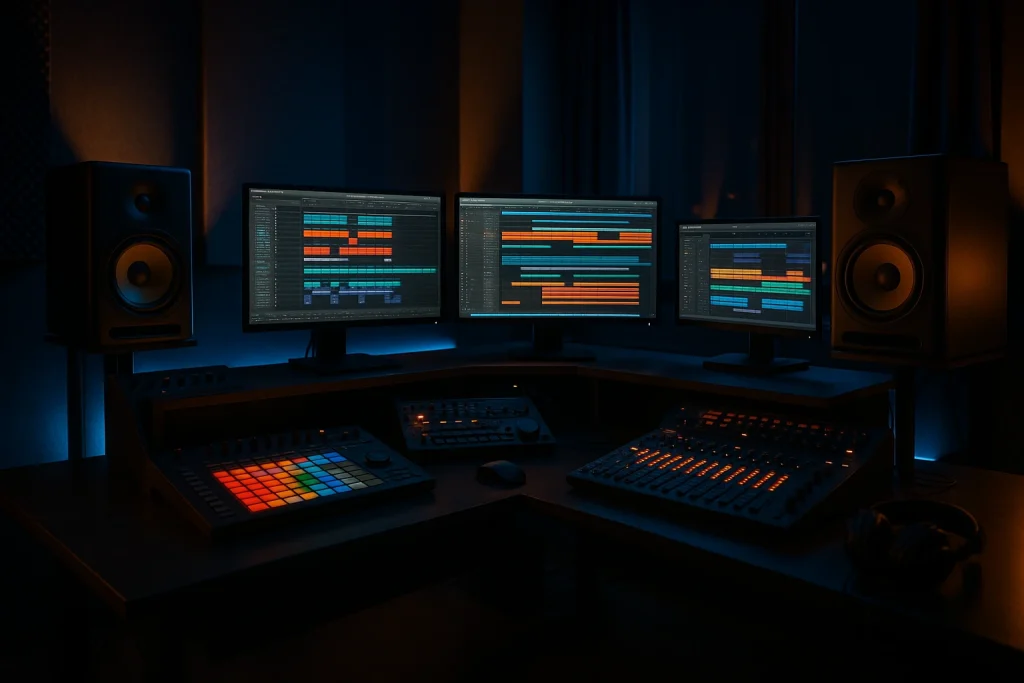
The structure of a trance track is pivotal to its success. A standard trance track often features an intro, breakdown, build-up, climax, and outro. According to Resident Advisor, maintaining a compelling structure keeps listeners engaged, allowing them to anticipate and appreciate each section of the track.
Intro and Outro
The intro sets the mood and introduces the listener to the track’s vibe. It’s crucial to incorporate elements that hint at the main theme without giving too much away. The outro, on the other hand, should provide a smooth transition for DJs looking to mix your track into their sets.
Breakdown and Build-Up
In the breakdown, the energy is reduced, allowing the melody to shine. This section is your chance to showcase intricate sound design. Following the breakdown, the build-up should gradually increase the intensity, creating anticipation for the climax.
Climax
The climax is where all elements come together, delivering a powerful punch. It should be the most energetic part of your track, often featuring the full spectrum of sounds, including the lead synth, bassline, and percussion.
Crafting Immersive Leads
Leads are the heart of any trance track. They carry the melody and are crucial for establishing the track’s emotional core. According to Splice, experimenting with different synths and sound design techniques can help you find a unique lead sound.
Synth Selection
Software synthesizers like Serum, Sylenth1, and Nexus remain popular choices among trance producers. These synths offer a wide range of presets and modulation options, allowing you to craft complex and evolving sounds. For more on essential plugins, check out essential music production plugins.
Melodic Composition
A well-composed melody can make or break a trance track. Melodies in trance music often revolve around emotional chord progressions. Experiment with different scales and modes, such as the Aeolian or Dorian, to create a captivating lead.
Maintaining Energy in Your Track
Keeping the energy consistent throughout a trance track is essential. This involves balancing the track elements and ensuring the transitions between sections are seamless. Tools like sidechain compression and automation can help maintain this energy.
Dynamic Range
To keep your track dynamic, it’s essential to utilize contrasting elements. The interplay between quieter sections and the high-energy climax adds depth to your track. Learn more about dynamic range in our complete mixing guide.
Automation and Modulation
Automation can be used to gradually introduce new elements or adjust the intensity of existing ones. Techniques such as filter sweeps and volume automation can enhance transitions, maintaining listener engagement.
Layering and Sound Design
Layering is a crucial technique in trance production. By stacking different sounds, you can create a fuller and more textured track. This involves combining multiple synths, pads, and effects to achieve a rich sound.
Layering Synths
Layering synths involves combining different sounds to create a more complex tone. Each layer should occupy a specific frequency range, preventing overlap and ensuring clarity. For more on sound design, visit sound design basics for producers.
Using Effects
Effects such as reverb, delay, and chorus can add depth to your sounds. Experiment with different settings to find the perfect balance between clarity and ambiance. The use of effects is covered extensively in our producer guide on compression.
| Software Synth | Popularity (2026) | Features |
|---|---|---|
| Serum | High | Wavetable synthesis, extensive modulation options |
| Sylenth1 | Medium | Classic virtual analog sound, easy to use interface |
| Nexus | High | Expansive library, ready-to-use presets |
Mixing and Mastering for Trance
Mixing and mastering are the final steps in the production process, ensuring your track sounds polished and professional. These stages involve balancing frequencies, compressing elements, and enhancing the overall sound.
Mixing Techniques
When mixing trance, it’s important to maintain clarity and separation between elements. Techniques such as EQ and panning help achieve this. Refer to our equalization guide for more insights.
Mastering Essentials
Mastering ensures your track sounds great on all playback systems. This involves adjusting the overall loudness, ensuring consistent dynamic range, and applying final EQ adjustments. Dive deeper into mastering with our article on audio mastering explained.
Collaborating and Outsourcing in Trance Production
Collaboration and outsourcing can be valuable strategies for expanding your sound and reaching new audiences. Working with other producers or hiring a ghost producer can bring fresh perspectives to your projects.
The Ghost Production offers music production services and exclusive ghost-produced tracks that can help elevate your productions to professional levels.
Benefits of Collaboration
Collaborating with other artists can introduce new ideas and techniques, fostering creativity. Platforms like SoundCloud and Beatport are excellent for discovering potential collaborators.
Outsourcing Music Production
Outsourcing aspects of your production process can save time and help avoid burnout. Consider using services like ghost producer collaborations to enhance your output and maintain high-quality production standards.
Frequently Asked Questions
What are the key elements of a trance track?
Key elements include a strong melody, driving bassline, and a structured build-up leading to a climax. Effects and sound design play a significant role in creating a full, immersive experience.
How can I make my trance tracks stand out?
Focus on unique sound design, intricate melodies, and professional mixing. Experiment with different synths and collaborate with other producers to introduce new elements to your sound.
What software is best for producing trance music?
Popular DAWs for trance production include Ableton Live, FL Studio, and Logic Pro, all of which offer powerful tools for crafting intricate electronic music.
How important is mastering in trance production?
Mastering is crucial for ensuring your track sounds polished and professional across various playback systems. It balances the track’s overall sound and prepares it for release.
Can I outsource parts of my trance production?
Yes, outsourcing can be an effective way to enhance your production quality and manage workload. Consider hiring ghost producers or collaborating with other artists to bring new elements to your music.
Last updated:
Ready to Scale Your Music Output?
Release more music, hit more deadlines, and build a stronger catalog — with professional ghost production that sounds exactly like you.