
Release Strategy for Indie Artists
Release Strategy for Indie Artists
In the ever-evolving landscape of the music industry, developing a robust release strategy is crucial for indie artists aiming to make a significant impact. The right approach can amplify your reach, enhance your visibility, and, importantly, increase your revenue streams. This guide explores the essential components of a successful release strategy for indie artists, blending historical context, practical advice, and industry insights to help you navigate the complexities of music releases in 2026.
For indie artists, the decision on whether to release a single, an EP, or a full album is pivotal. Historically, singles have been the cornerstone of a successful rollout strategy, allowing artists to maintain a constant presence in listeners’ minds. The MusicRadar highlights that in 2026, singles account for 70% of indie releases, a substantial increase from 50% in 2020.
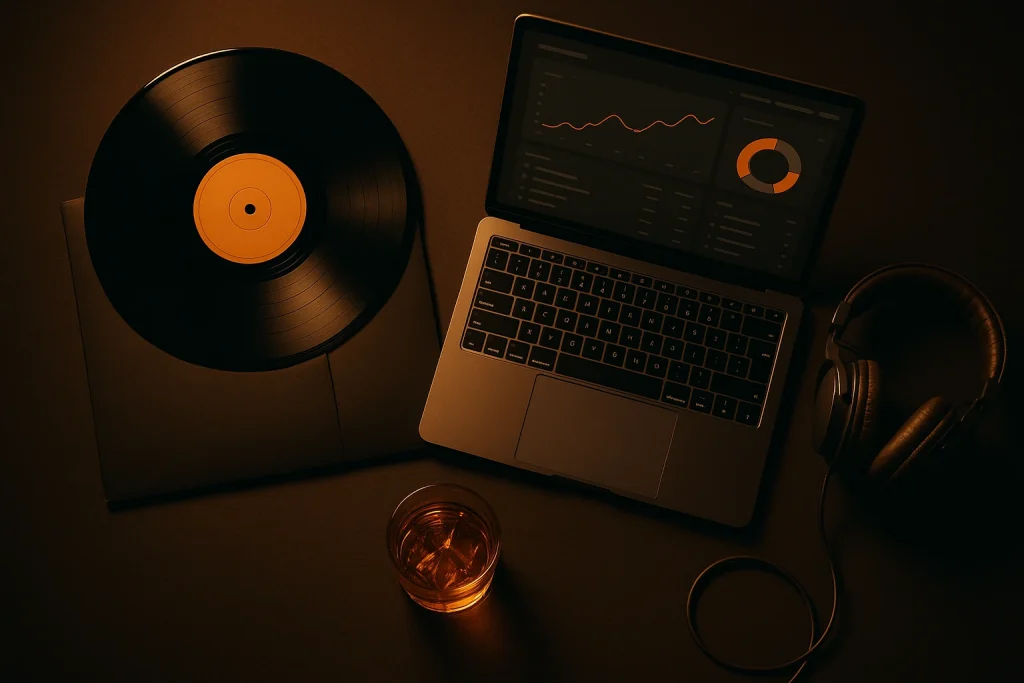
Timing your release is another critical factor. According to Resident Advisor, aligning your release with music festivals or peak streaming periods can maximize exposure. This is especially true for electronic music, where festival performances often serve as a launchpad for new tracks.
Choosing the Right Release Format
Deciding between singles, EPs, and albums depends largely on your current career stage and audience. Singles are ideal for maintaining momentum and testing the waters with your audience. EPs offer a more substantial body of work that can showcase your range as an artist without the commitment of a full album.
Historically, albums have been the gold standard for artistic expression but require a significant investment of time and resources. In 2026, the trend is shifting towards more frequent single releases, with many artists opting to release a string of singles before compiling them into an album.
Singles vs. EPs: A Comparative Table
| Format | Ideal For | Pros | Cons |
|---|---|---|---|
| Singles | Keeping audience engaged | Frequent releases, less investment | Less depth |
| EPs | Showcasing diversity | More substance, artistic range | Higher production cost |
Timing Your Music Release
Picking the right time to release your music can be just as crucial as the content itself. Research by DJ Mag suggests that Fridays are the optimal day for releases, coinciding with Spotify’s New Music Friday playlists. This aligns with data from Spotify for Artists, where Friday releases have shown a 20% increase in initial streams compared to other days.
Beyond Fridays, consider timing releases around significant events or holidays that align with your brand. For instance, electronic artists might tie releases to major festival dates, while pop artists could align with Valentine’s Day or the summer break.
Building Anticipation and Engagement
Engagement is key to a successful release. Utilize platforms like SoundCloud to tease snippets of your upcoming release. This not only builds anticipation but also gathers early feedback. Pre-save campaigns on Spotify can also drive engagement and ensure your music lands directly into the libraries of your most dedicated fans.
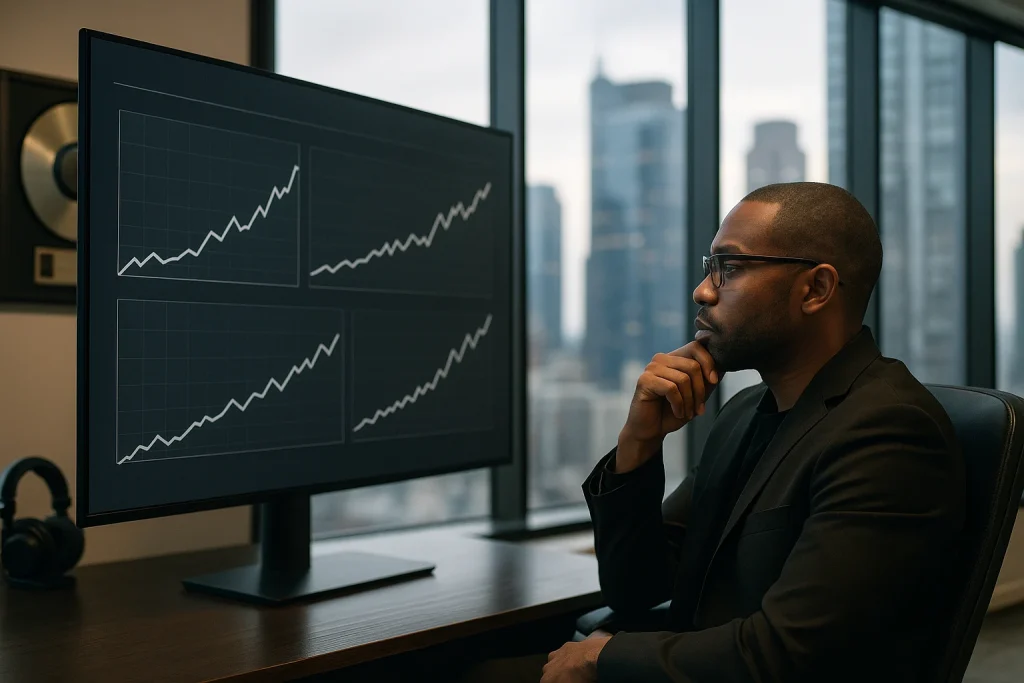
Social media remains an essential tool for indie artists to connect with their audience. Building a narrative around your release—such as the story behind the song or a behind-the-scenes look at the production process—can create a deeper connection with listeners.
Leveraging Streaming Platforms
Streaming platforms are the backbone of modern music distribution. Understanding how to optimize your presence on these platforms is crucial. Consistent releases help maintain visibility on algorithm-driven platforms like Spotify and Apple Music.
By analyzing data from platforms like Apple Music for Artists, artists can gain insights into listener demographics and adjust their marketing strategies accordingly. This data-driven approach allows indie artists to target their promotions more effectively, increasing the chances of chart success.
Collaborations and Networking
Collaborations can significantly amplify your reach. By partnering with other artists, you can tap into their fanbase and introduce your music to new audiences. In 2026, collaborations are more strategic, often involving cross-genre partnerships to capture a broader listener base.
Besides collaborations, networking with industry professionals—such as A&Rs and playlist curators—can open doors to new opportunities. Engaging with communities on platforms like Mixmag can also keep you informed about industry trends and potential collaboration opportunities.
Utilizing Ghost Production
Ghost production has emerged as a viable option for indie artists looking to expand their catalog without overextending themselves. This approach allows artists to release high-quality tracks without the time investment required for production.
For those interested, platforms such as The Ghost Production offer services where you can buy or collaborate on ghost-produced tracks, helping you maintain a steady release schedule and freeing up time for other creative pursuits.
Authoritative Strategies for Maximum Impact
To maximize the impact of your releases, consider a multi-channel approach. Leverage social media, email newsletters, and direct fan engagement through platforms like Bandcamp. The goal is to create a cohesive strategy that not only reaches your existing fans but also attracts new listeners.
Finally, remember that patience and persistence are crucial. The path to success is rarely linear, and every release is an opportunity to learn and adapt. For more detailed strategies on scaling your music output, consider exploring resources like Outsource Music Production – Scale Without Burnout.
Frequently Asked Questions
What is the best format for indie artists to release music?
For indie artists, singles are typically the best format for maintaining a continuous presence in the market. They require less investment and allow artists to release music more frequently.
How can I effectively time my music release?
Consider releasing music on Fridays to coincide with popular streaming playlists. Aligning releases with major events or holidays that fit your brand can also be effective.
What role do streaming platforms play in a release strategy?
Streaming platforms are crucial for distribution and visibility. Utilize their analytics to understand your audience and optimize your release strategy accordingly.
How can collaborations enhance my release strategy?
Collaborations can introduce your music to new fanbases. Partner with artists from different genres to broaden your reach and leverage their audience.
What are the benefits of using ghost production services?
Ghost production services allow you to release high-quality tracks without the extensive time commitment of production, helping maintain a consistent release schedule.
Last updated:
Ready to Scale Your Music Output?
Release more music, hit more deadlines, and build a stronger catalog — with professional ghost production that sounds exactly like you.