
Outsource Music Production – Scale Without Burnout
Outsource Music Production: Scale Without Burnout
The music industry has evolved rapidly over the past decade, with the rise of digital platforms and the increasing demand for new music. For producers and DJs, balancing creativity with business pressures can be a daunting task. This is where outsourcing music production comes into play, providing an opportunity to scale output without succumbing to burnout. By leveraging the skills of professional producers, artists can focus on what they do best: performing and innovating.
Outsourcing is not a new concept in music. The practice of hiring ghost producers has been around since the early 2000s, with high-profile artists like David Guetta and Calvin Harris employing songwriting and production talent to maintain their release schedules. As of 2026, an estimated 70% of chart-topping EDM tracks involve some form of ghost production, according to DJ Mag. This approach allows artists to maintain a prolific output while ensuring the quality of their music remains high.
Why Outsource Music Production?
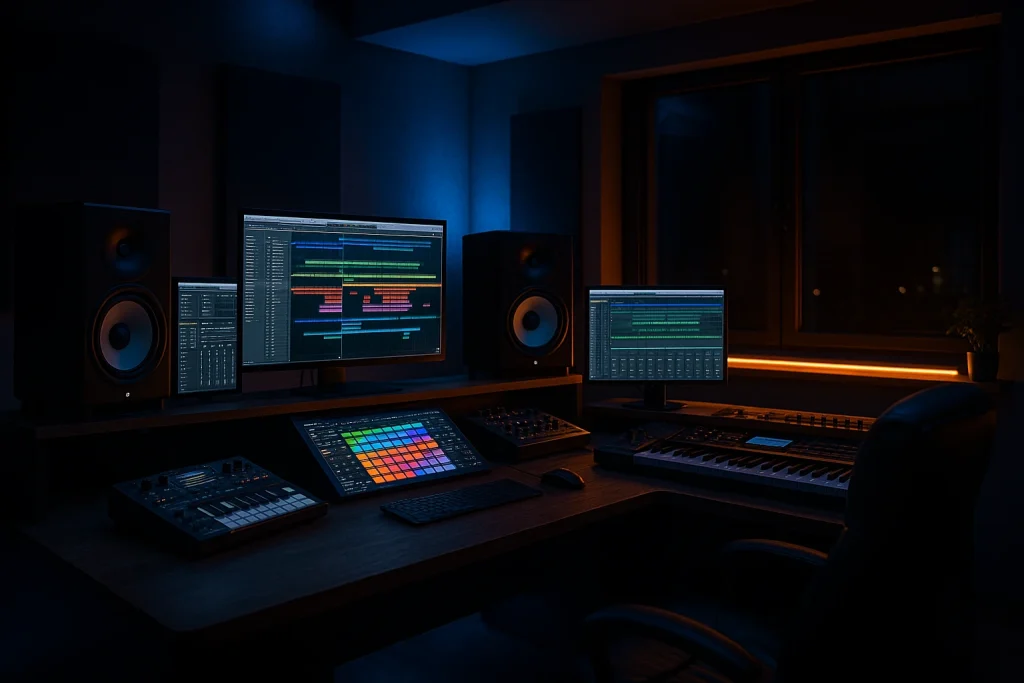
The decision to outsource music production can be driven by several factors. Time constraints, creative blocks, and the need for specialized skills are common reasons why producers and DJs choose to collaborate with external talent. By outsourcing, artists can delegate the technical aspects of production and focus on other important elements, such as live performances and audience engagement.
Moreover, outsourcing can lead to higher-quality tracks. Many ghost producers are seasoned professionals with years of experience in the industry. They bring fresh perspectives and innovative techniques that can enhance the creative process. Platforms like Splice and Beatport facilitate these collaborations by connecting artists with top-tier production talent.
The Myths and Realities of Ghost Production
Despite its benefits, ghost production is often shrouded in misconceptions. One of the most common myths is that outsourcing diminishes an artist’s authenticity. However, many successful artists openly credit their co-producers and collaborators. For example, Deadmau5 has been transparent about his collaborative efforts, highlighting the importance of teamwork in creating complex electronic tracks.
Another misconception is that ghost production is prohibitively expensive. While costs can vary, many services offer scalable pricing models to accommodate different budgets. By working with a ghost producer, artists can allocate resources more efficiently and achieve their desired sound without overspending.
Furthermore, using ghost production services can significantly increase output, allowing artists to release more music and stay relevant in a competitive market. This approach aligns with strategies outlined in our guide on how to release more music.
Choosing the Right Production Service
When selecting a production service, it’s crucial to consider several factors. First, assess the quality of previous work completed by the service. Listening to samples and reading reviews on platforms like Resident Advisor can provide valuable insights into a producer’s capabilities.
Second, communication is key. Ensure that the service provider understands your artistic vision and can deliver a product that aligns with your brand. Clear communication prevents misunderstandings and ensures a smooth production process.
Comparative Analysis of Production Services
| Service | Price Range (USD) | Turnaround Time | Specialization |
|---|---|---|---|
| Service A | $500 – $1,500 | 2-4 weeks | EDM, Pop |
| Service B | $1,000 – $3,000 | 1-3 weeks | Hip-Hop, Trap |
| Service C | $700 – $2,000 | 3-5 weeks | House, Techno |
The Role of Technology in Outsourcing
Technology has been a game-changer in the realm of outsource music production. With advancements in digital audio workstations (DAWs) and virtual collaboration tools, producers can work together seamlessly from different parts of the world. High-speed internet and cloud storage services like SoundCloud enable the sharing of large audio files and project files in real time.
Moreover, the integration of AI tools in music production is on the rise, providing producers with innovative ways to craft unique sounds and arrangements. Our comprehensive guide on AI in music production delves into the pros and cons of these technologies and what producers need to know.
Case Studies: Successful Examples
Several high-profile artists have successfully incorporated ghost production into their workflow. Swedish House Mafia, for instance, has been known to collaborate with various producers to craft their signature sound. This collaborative approach has been integral to their success, resulting in chart-topping hits and sold-out tours.
Similarly, Kygo has utilized ghost producers to help maintain his prolific release schedule while touring extensively. By outsourcing some of the production tasks, he can focus on live performances and connecting with his audience, which is crucial for sustaining a long-term career in the music industry.
How to Maximize the Benefits of Outsourcing
To fully leverage the advantages of outsourcing, producers should maintain a clear line of communication with their collaborators. Setting clear expectations and providing detailed feedback ensures that the final product aligns with the artist’s vision. Additionally, understanding the nuances of ghost producer collaborations can help artists navigate the landscape more effectively.
For those interested in exploring ghost production services, The Ghost Production offers a range of options to help artists scale their output. Whether you’re looking to hire a ghost producer or buy exclusive ghost-produced tracks, there are solutions tailored to meet your needs and elevate your music career.
Frequently Asked Questions
What is ghost production in the music industry?
Ghost production refers to the practice of hiring a producer to create music for another artist, who releases it under their own name. This is a common practice among DJs and producers to maintain high output levels.
How can outsourcing production help my career?
Outsourcing allows you to scale your music production efforts, release more tracks, and potentially reach a wider audience. It also frees up time to focus on live performances and personal branding.
Is outsourcing music production expensive?
Costs vary depending on the service provider and the complexity of the project. Many services offer flexible pricing models to accommodate different budgets, making it accessible to both emerging and established artists.
How do I find a reliable ghost producer?
Research is key. Listen to samples, read reviews, and communicate clearly with potential producers to ensure they understand your vision and can deliver a high-quality product.
Can I still maintain my artistic identity if I use a ghost producer?
Yes, many artists use ghost producers while maintaining their unique sound and identity. Collaboration can enhance your music by bringing in new perspectives and techniques.
Last updated:
Ready to Scale Your Music Output?
Release more music, hit more deadlines, and build a stronger catalog — with professional ghost production that sounds exactly like you.